






Dresses and veils with embroidery
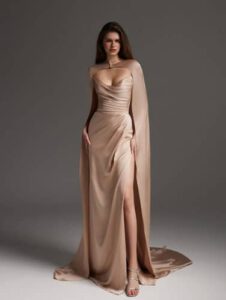
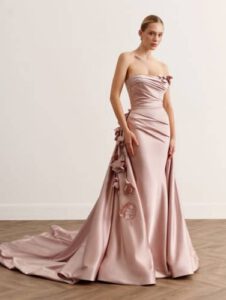
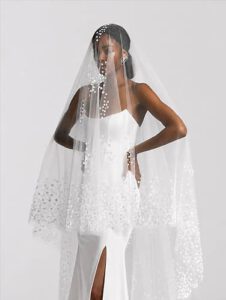
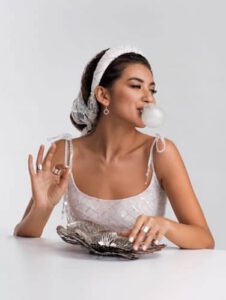
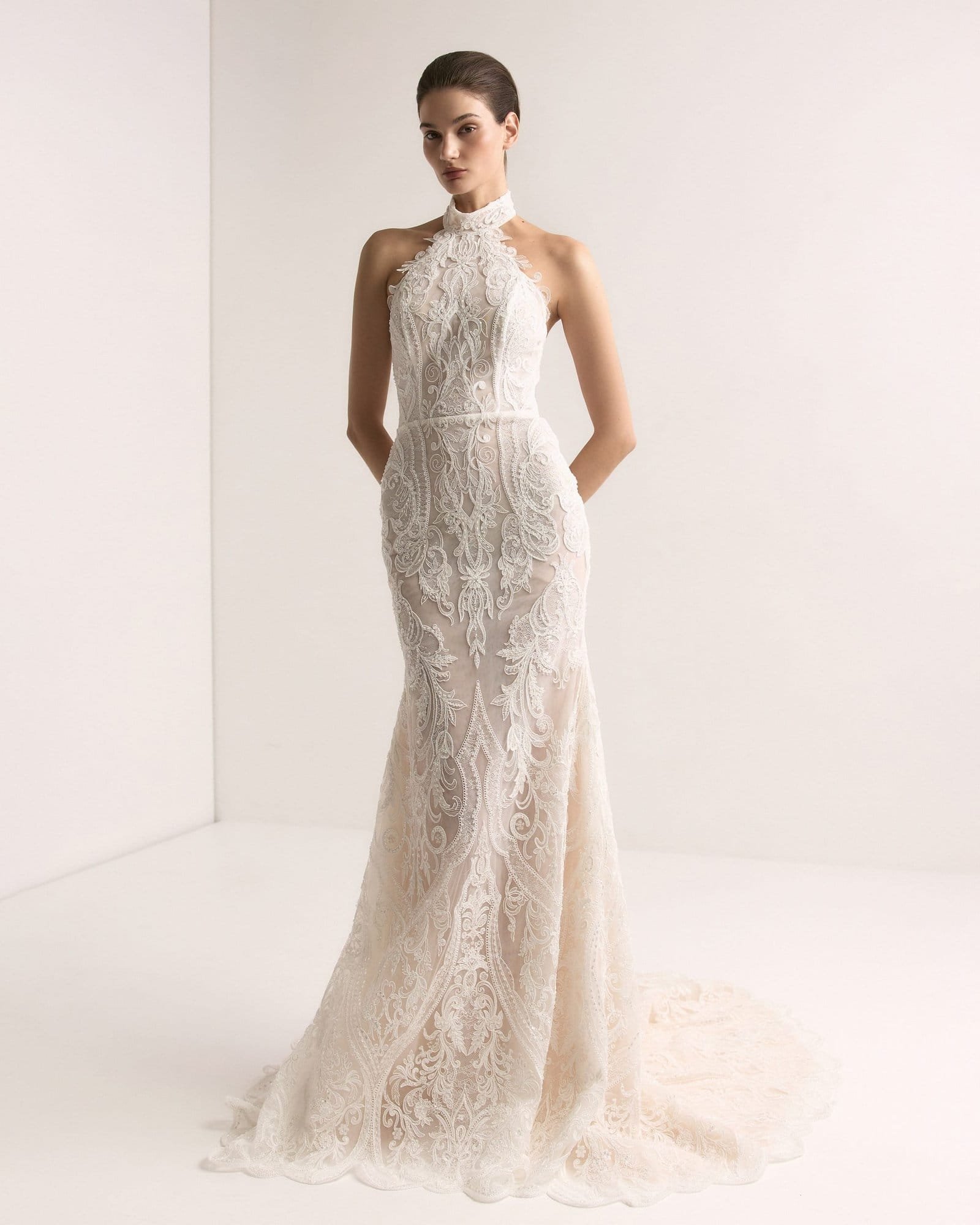
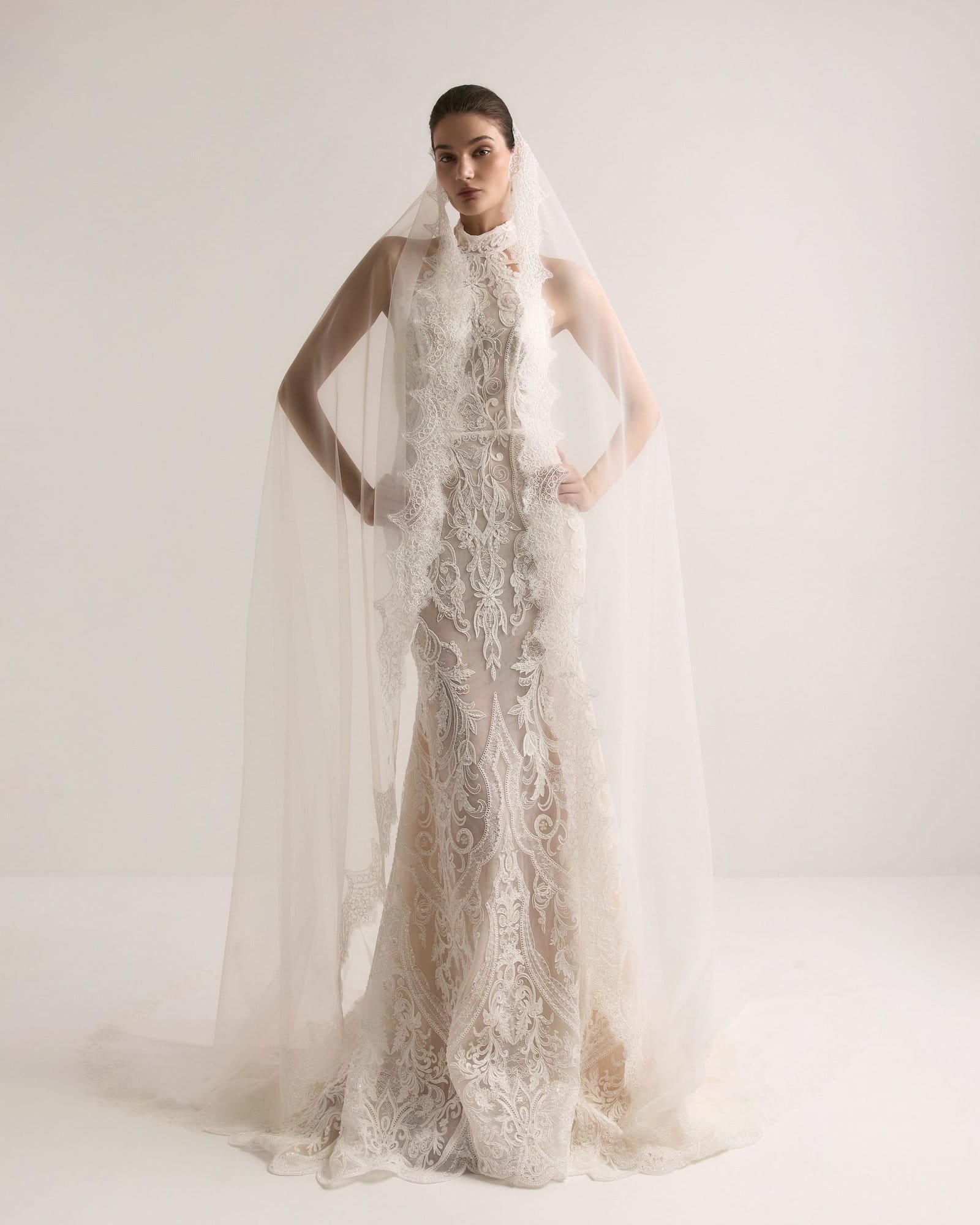
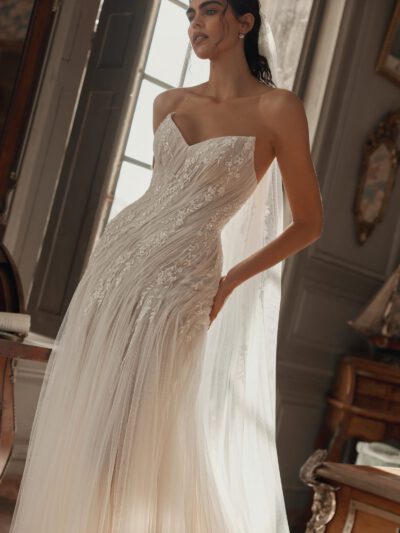
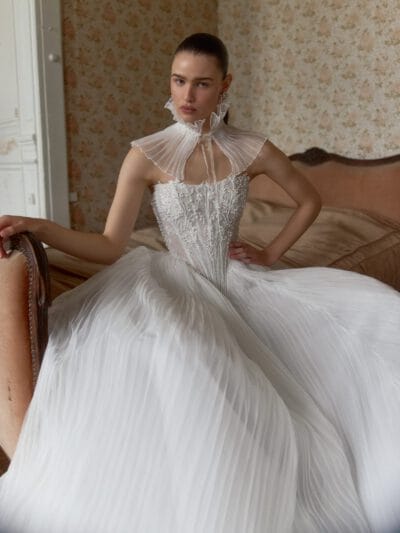
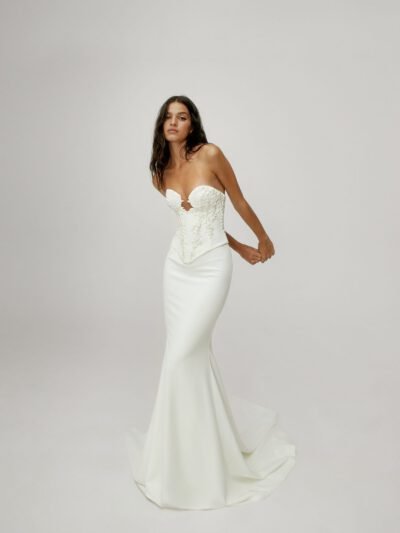
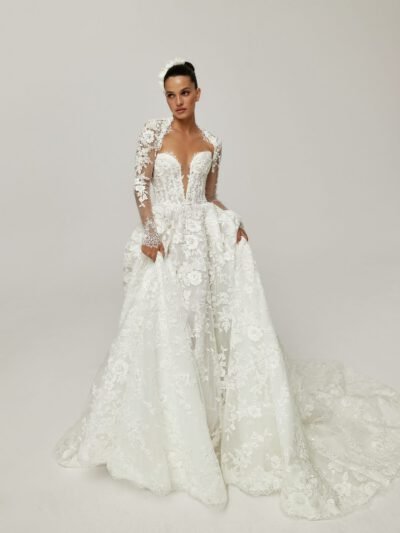
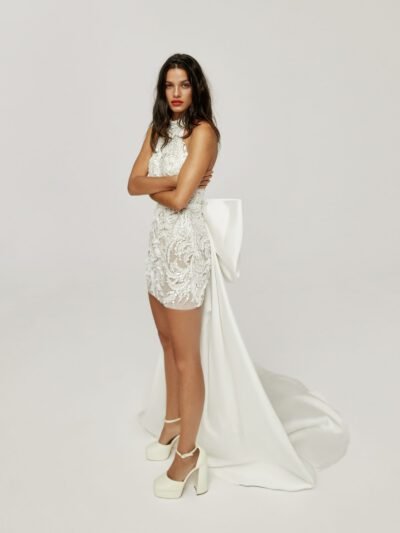
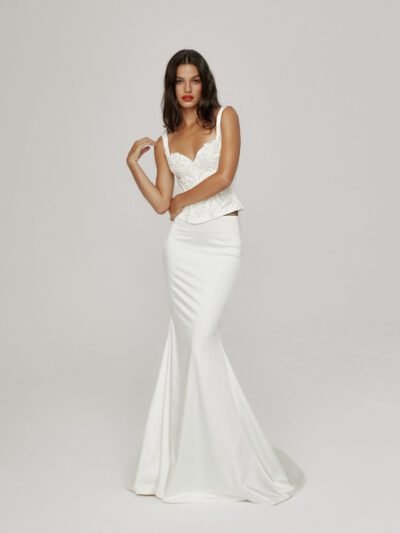
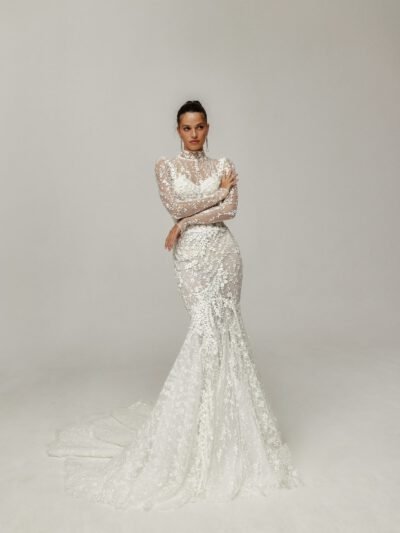
Embroidery is judged by the pattern of the stitches, not just by the subject matter: scale, thickness, direction, and terminations near seams and edges are important. Compare the decor on a transparent and solid base, in portrait and full-length; separately check the joints of the motif on the bodice, back and veil.
286 model
Crystal Edition
Lysenne
93 600,00 грн

Atelier Heritage Edition
Dacor
179 730,00 грн
 To order

Maison Blanche
Eclair
93 600,00 грн
 To order
White Edit
Norton
73 305,00 грн
 To order
White Edit
Lizett
127 755,00 грн
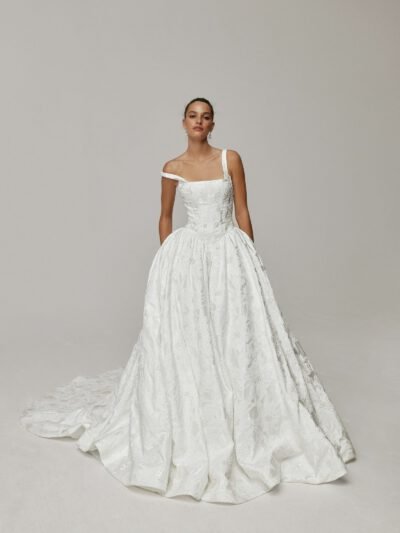 To order
White Edit
Horizon
113 895,00 грн
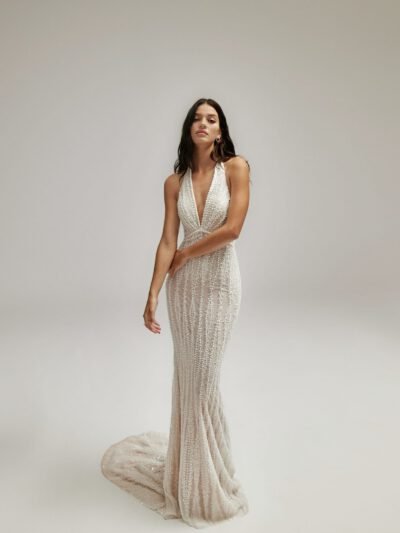
White Edit
Idol
79 740,00 грн
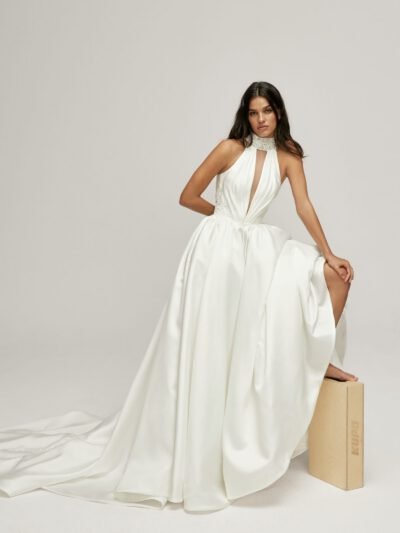 To order
White Edit
Crown
89 145,00 грн
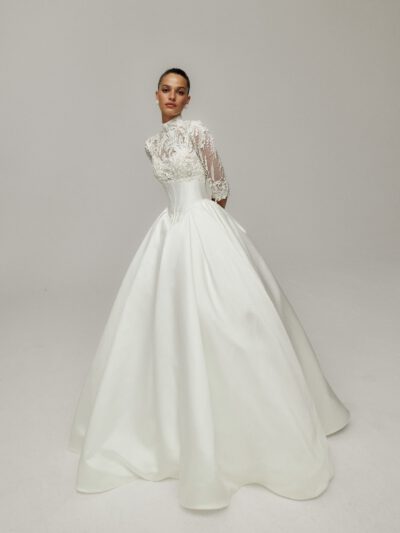
White Edit
Oliveira
92 115,00 грн
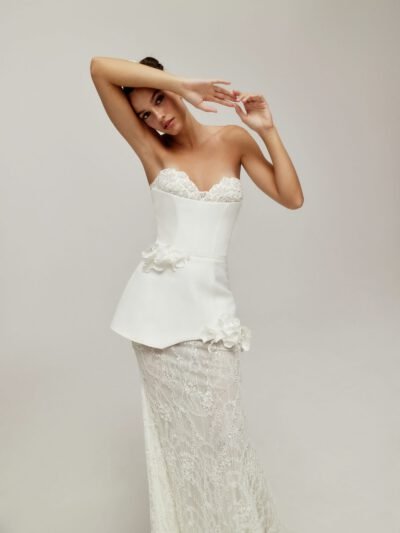 To order
White Edit
Randall
106 470,00 грн
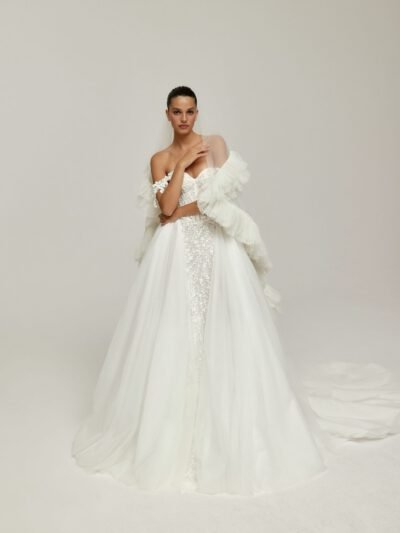 To order
White Edit
Ducat
85 185,00 грн
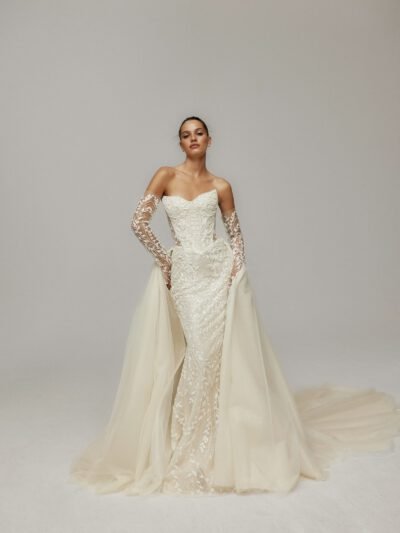 To order
White Edit
Mondial
130 230,00 грн
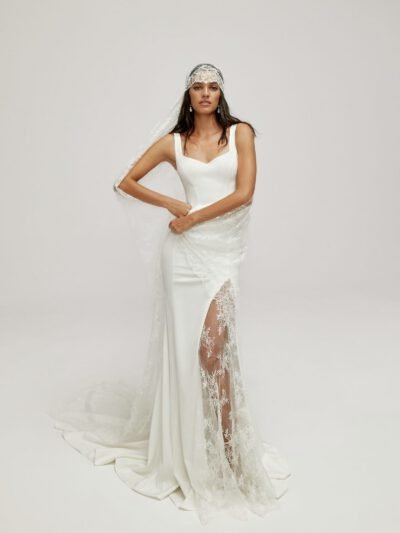 To order
White Edit
Runa
54 990,00 грн
 To order
White Edit
Malibu
88 155,00 грн
 To order
White Edit
Millenium
59 940,00 грн
 To order
White Edit
Evangeline
110 925,00 грн
The embroidered pattern should be read as the direction of the stitches: they can lead the eye along the bodice, frame the neckline, diverge along the skirt or complete the edge of the veil. A dense motif creates a noticeable plane, a thinner one leaves more of a visible base. The name of the part does not tell the method of execution, the origin or the composition of the threads, so judge only what is visible on the particular model.
The base changes the visibility of the drawing
On tulle the stitches may seem to separate from the bottom layer, especially on the sleeves, neckline and back. On a denser smooth base, the outline of the motif and the distance between its parts are more clearly visible. Lace is a fabric with its own structure and pattern; embroidery is a decoration applied with a thread to the base. They can be combined, but are not interchangeable names.
Floral motif describes a theme of flowers and leaves that can be done with embroidery, lace or other techniques. At the same time, the embroidered pattern does not necessarily have to be floral. Beads adds individual relief elements and points of light; the threaded line is read differently. In the close-up, compare the stitch and the relief, in the full-length — the overall scale and direction of the composition.
Separately examine the places where the pattern meets the seam, sleeve edge, hem or open back. On the bends, compare adjacent fragments: does the line continue after changing the plane and does the intended symmetry remain. On the transparent area, additionally trace how the edge of the base and the lining change the contrast of the thread. Check if the motif ends intentionally, moves to an adjacent piece, or loses part of the outline. Take a portrait, a back shot, and a full-length shot in the same light. If the embroidery continues on the veil, try it on with the dress; in the section wedding accessories CRYSTAL match the direction, density, and edge of both patterns.