
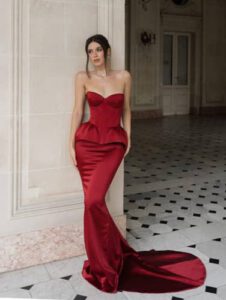
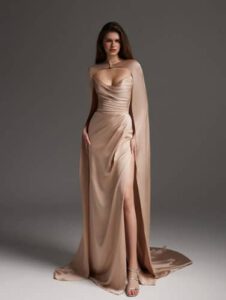
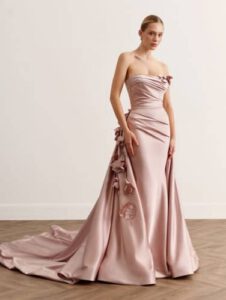
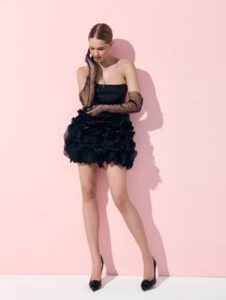
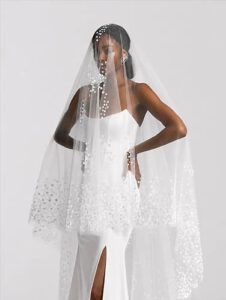
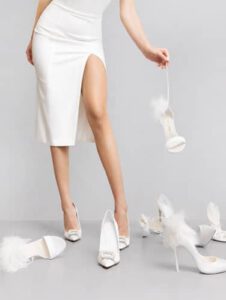
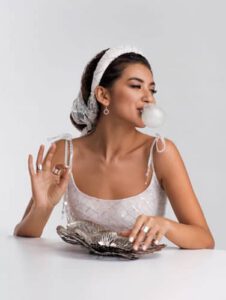
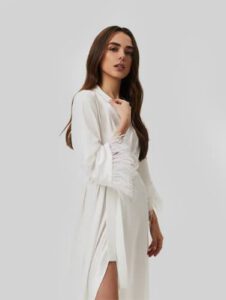

Wedding dresses in vintage style
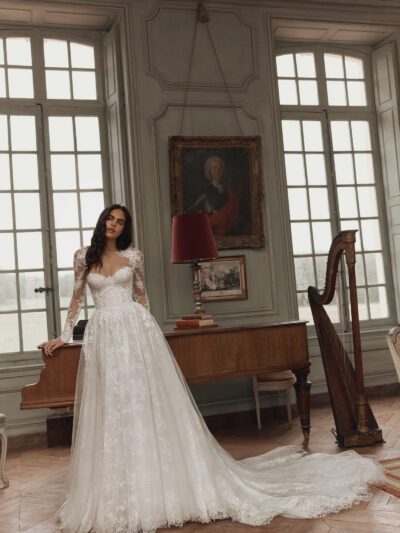
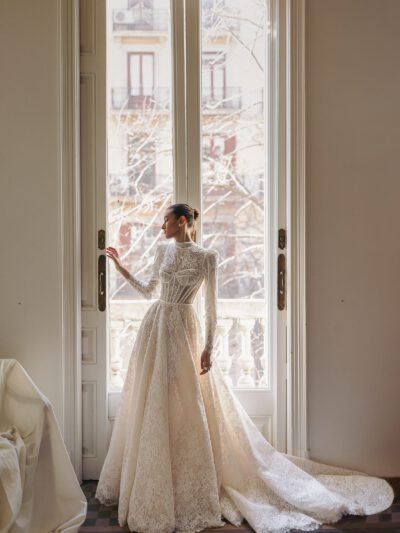
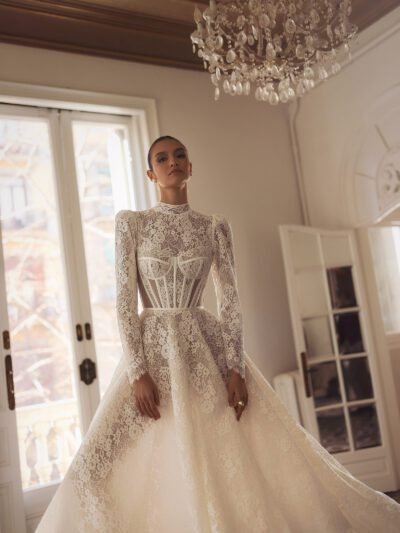
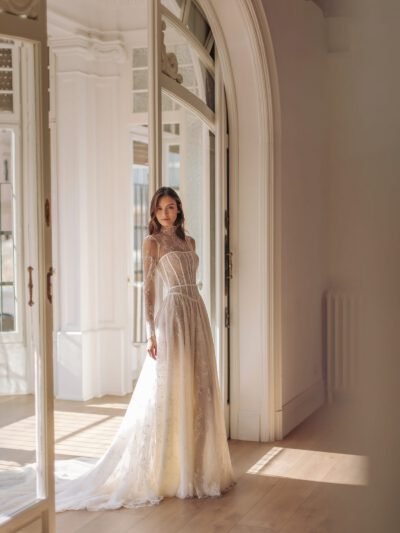
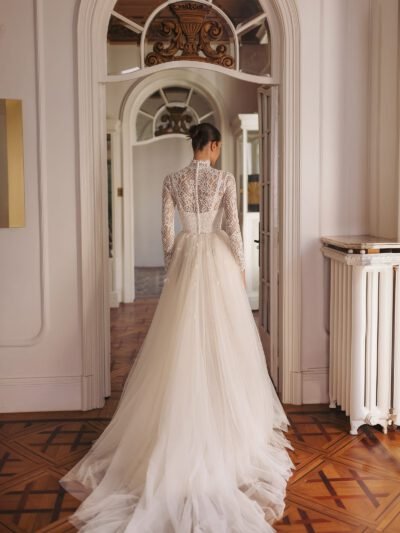
Vintage style in a modern dress reads like one compelling quote: a proportion, a distinctive neck or sleeve, an openwork pattern or a method of decoration. Determine the main motif, check it in full-length and portrait, and add accessories one at a time, so that the image remains complete, and not a costume.
18 model
 To order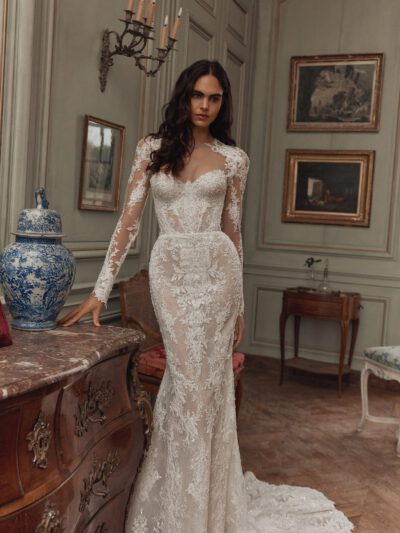
Atelier Heritage Edition
Renoar
311 155,00 грн
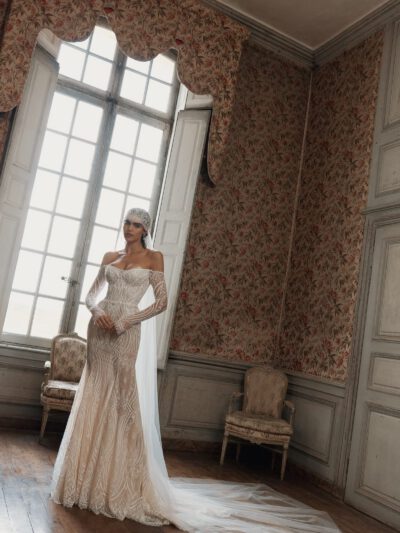 To order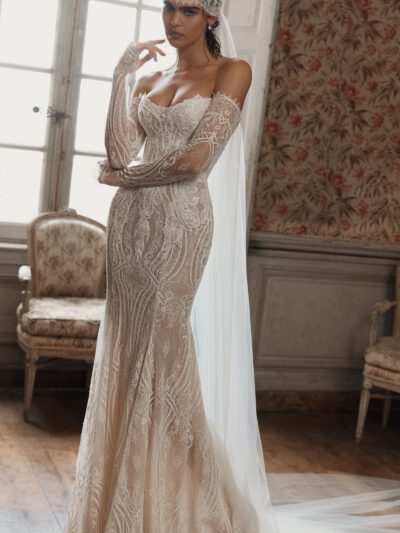
Atelier Heritage Edition
Rain
153 000,00 грн
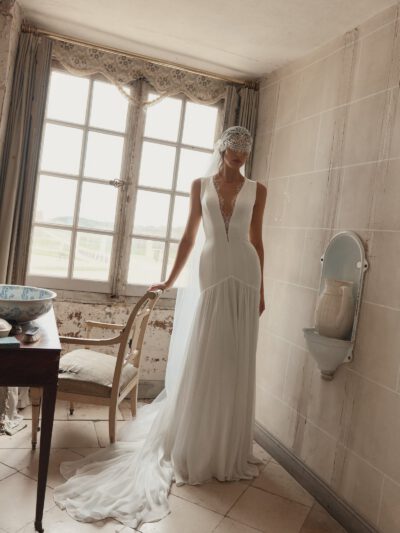 To order
Atelier Heritage Edition
Larson
115 135,00 грн
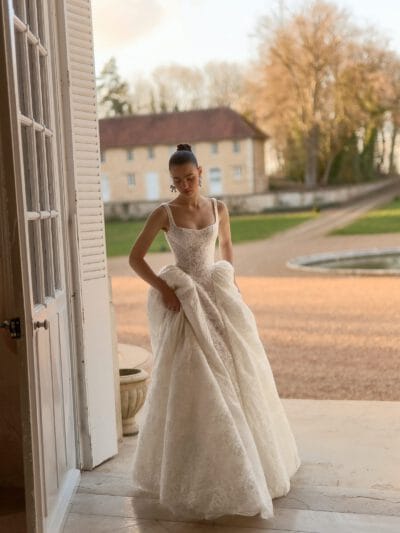 To order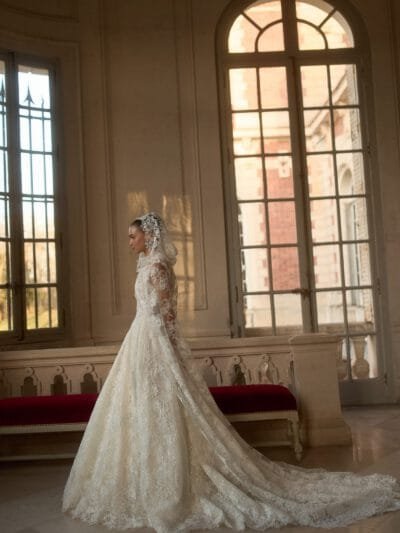
Maison Blanche
Marion
131 715,00 грн
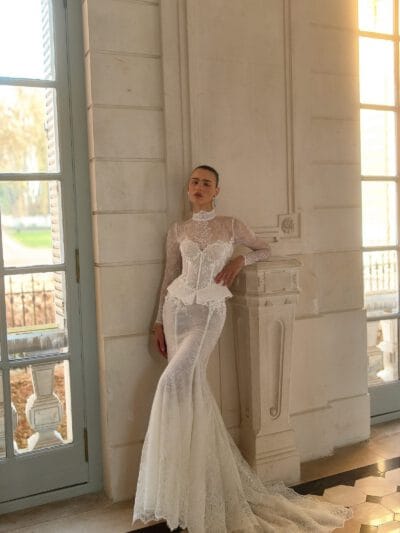 To order
Maison Blanche
Indigo
103 005,00 грн
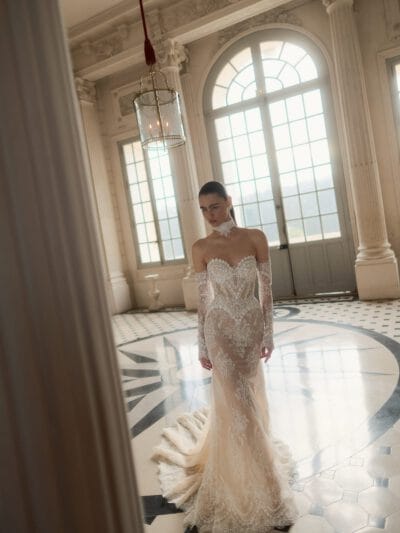 To order
Maison Blanche
Arabesque
108 450,00 грн
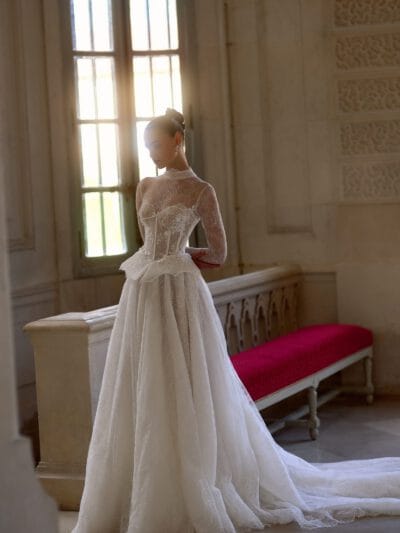 To order
Maison Blanche
Margaret
108 450,00 грн
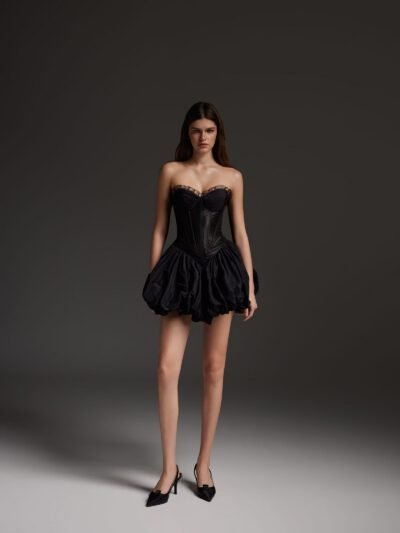 To order
WONA Evening 2027
2712
58 455,00 грн
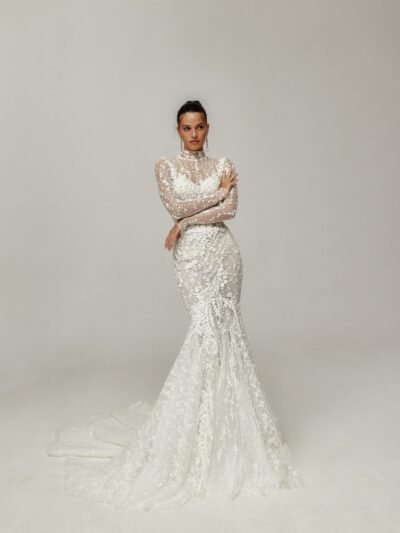 To order
White Edit
Evangeline
110 925,00 грн
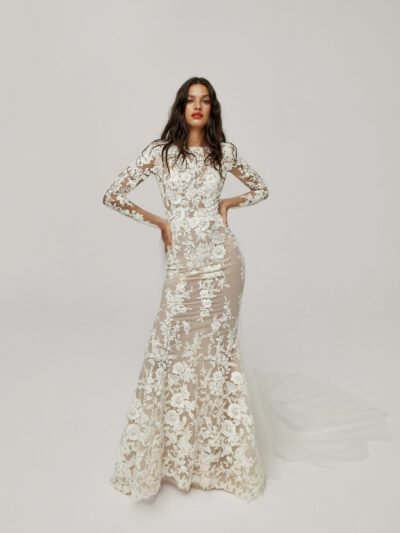 To order
White Edit
Kerrigan
84 690,00 грн
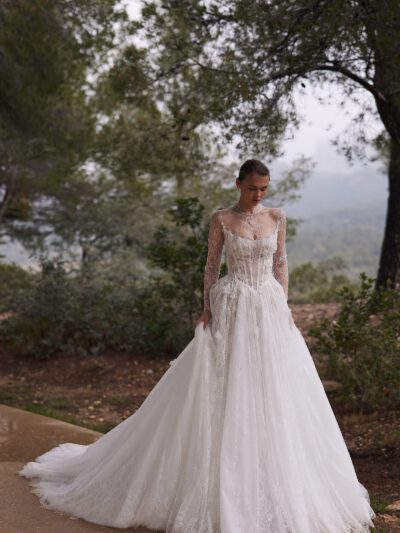
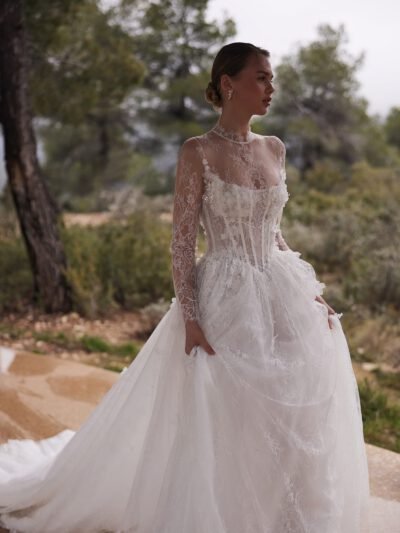
Less is More V
Visage
95 580,00 грн
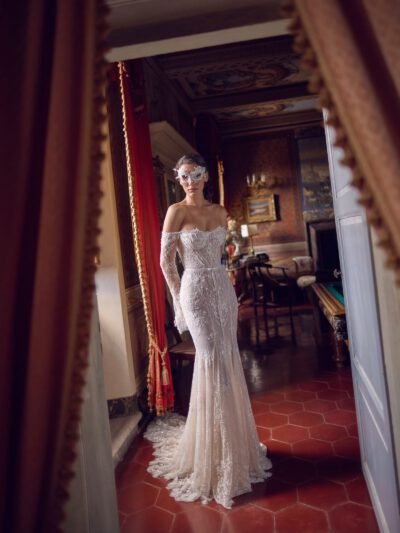 To order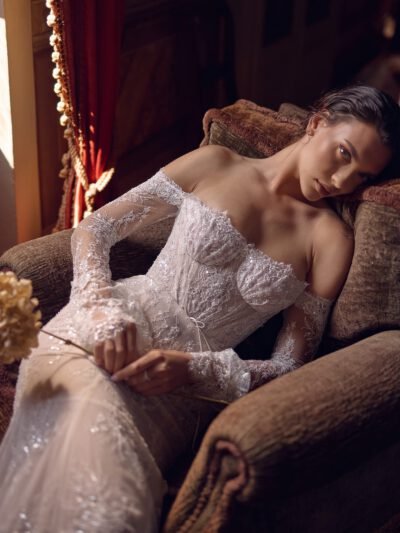
Amore in Fiore
Triumph
112 905,00 грн
Gemini
Genesis
91 125,00 грн
 To order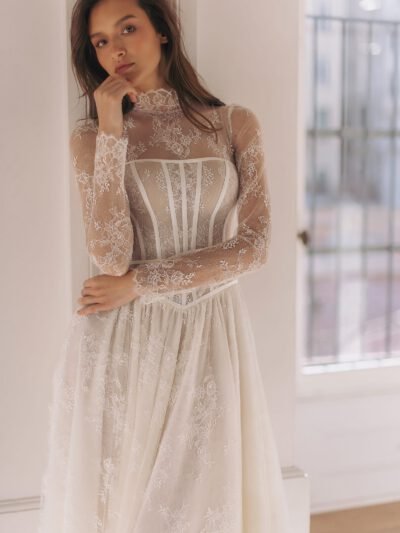
Gemini
Legend
84 690,00 грн
 To order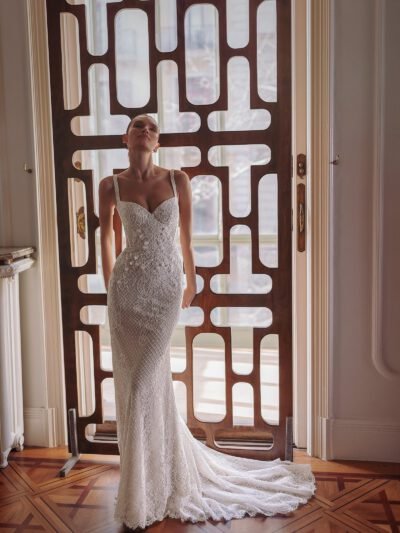
Gemini
Sequoia
102 510,00 грн
 To order
Less is More IV
Eden
84 690,00 грн
If you remove the veil and jewelry, the vintage quote should remain in the dress itself. It can be created by the proportion, the shape of the neck or sleeve, the openwork pattern or the nature of the decor placement. It is about modern models with visual references, not about antique clothes. Without corroborating data, one should not attribute a specific decade or historical origin to a dress.
A single quote is stronger than a set of wildcards
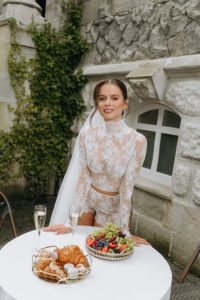
Lace can lead through the pattern on the bodice, long sleeves and skirt; floral motif or embroidery - due to the direction and density of decoration. A high neck forms a closed frame near the face, and illusion cutout combines a transparent base with a visible edge of the decor. A natural or basque waist changes the proportion of the body. These are observed catalog variations, but no single item makes an image automatically vintage.
Boho allows for a more open openwork rhythm and a less formal hierarchy without the need for historical quotation. Romantic style builds a coherent transition of motive, transparency and volume; vintage adds a tangible stylistic reference. Classic image adheres to ceremonial proportion and symmetry, but also does not necessarily quote the past. Directions can be combined, so it is important to name which reception is the main one.
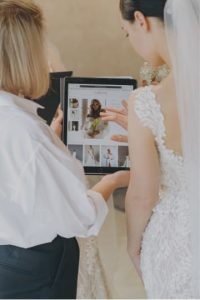
At the fitting, take a portrait, a full-length shot, and a photo from the back without accessories. Then add a veil, earrings or another element from the section CRYSTAL accessories one at a time Duplicate a single drawing, outline, or scale instead of duplicating each reference at once. If the neckline, sleeves, lace and embellishments require equal attention, remove one accent and revisit the composition - this way the look retains character without literal costume stylization.