

Romantic wedding and evening dresses
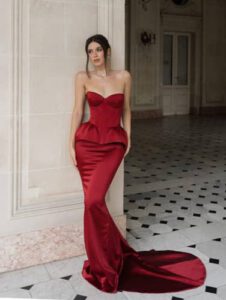
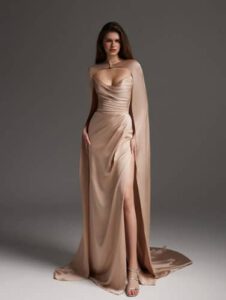
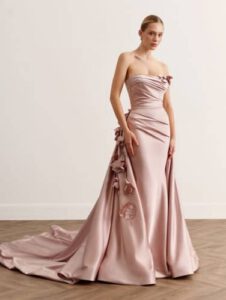
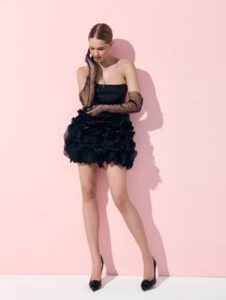
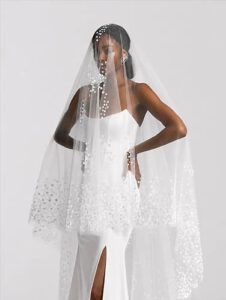
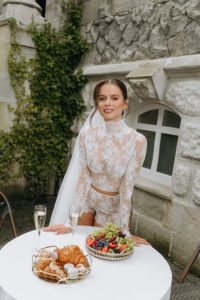
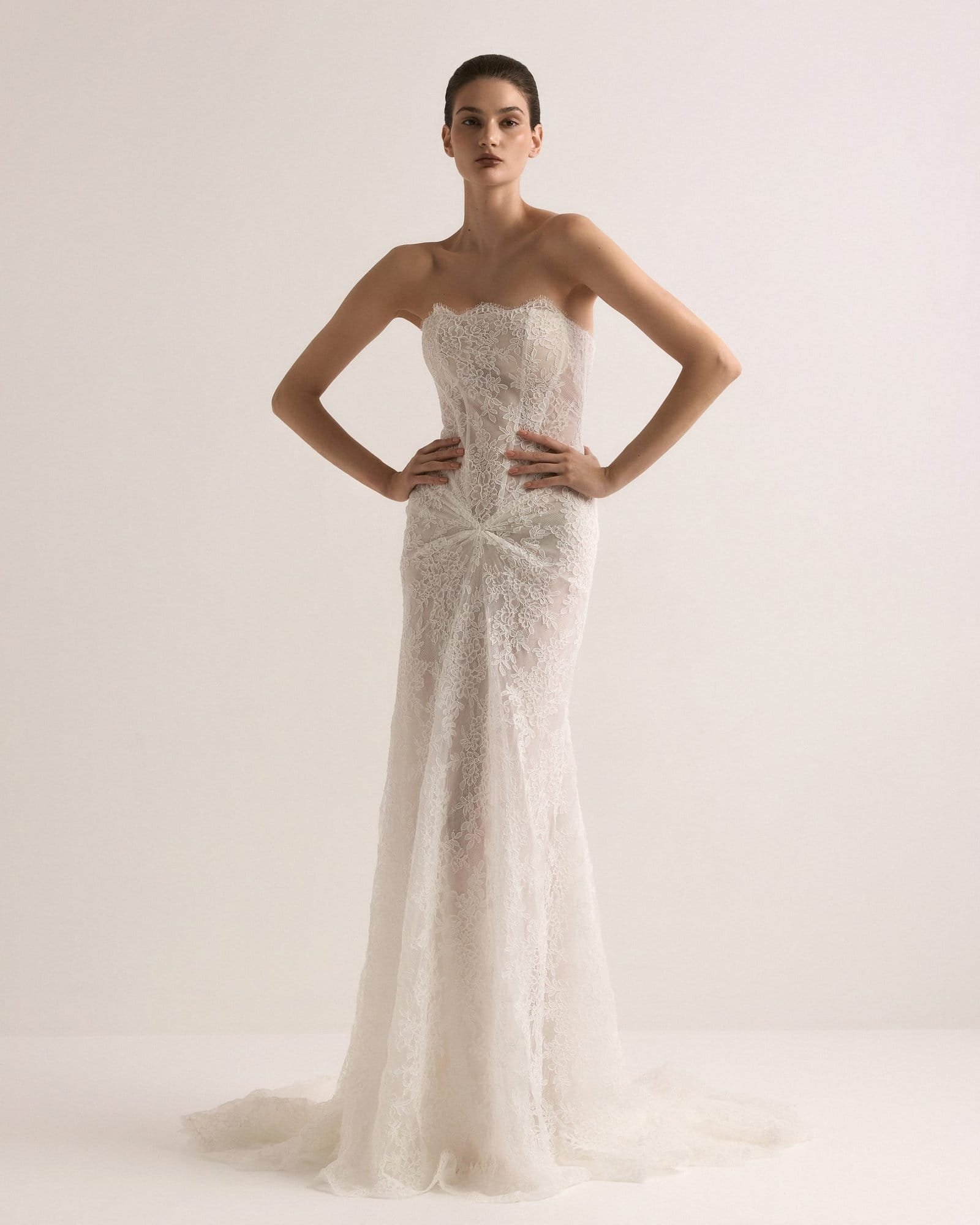
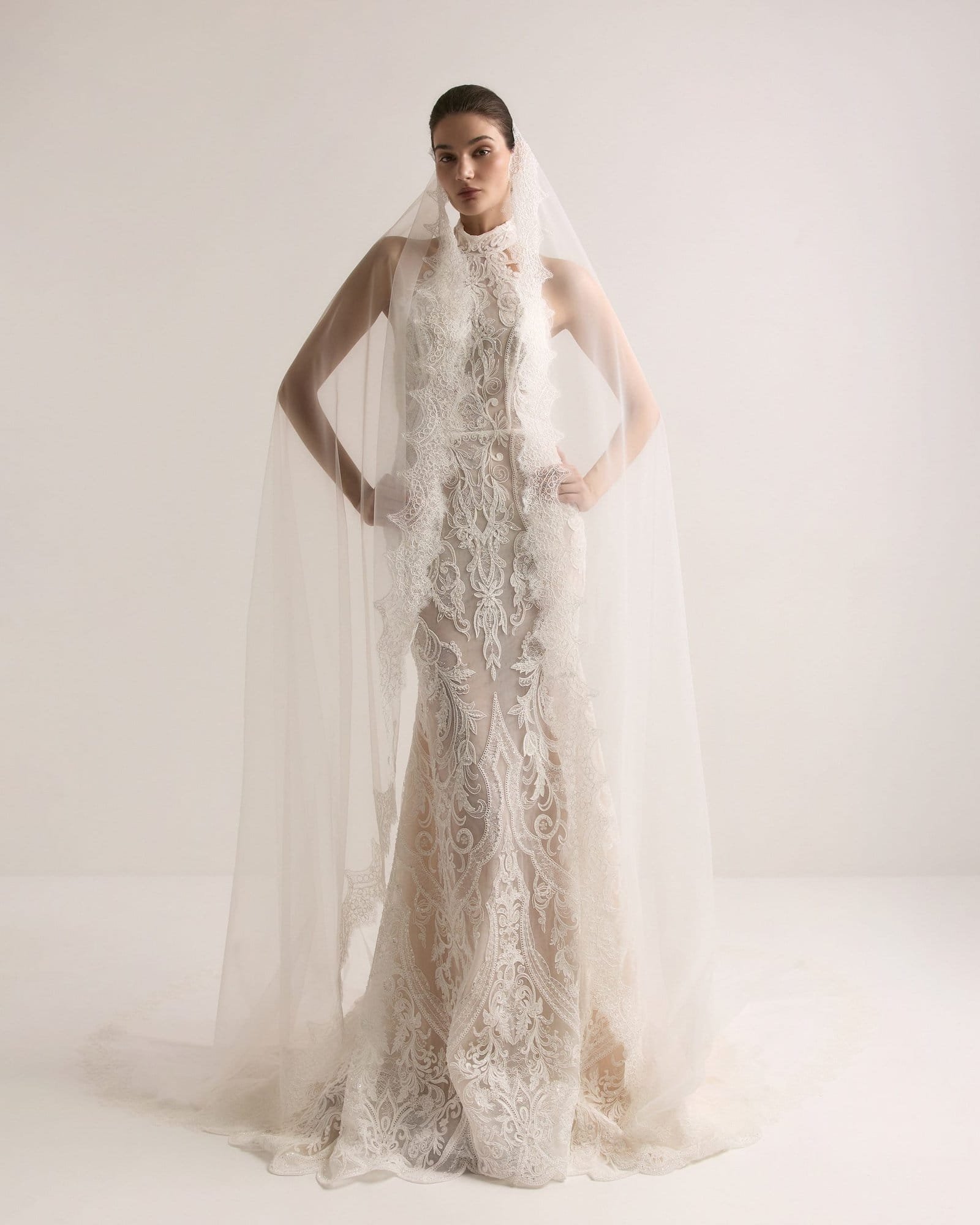
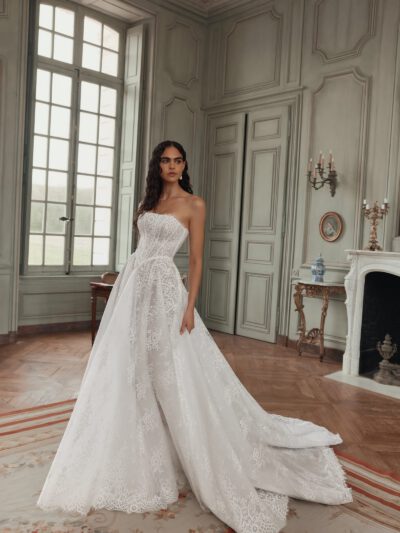
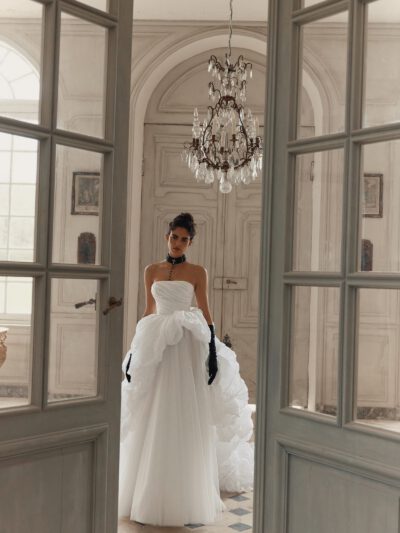
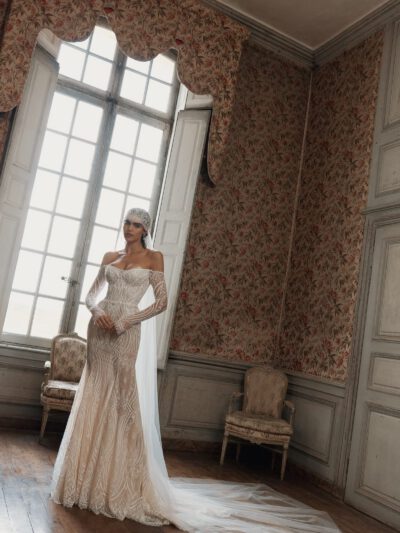
The romantic style is read in a consistent rhythm: a smooth line, translucent layers, lace or a floral motif do not compete for attention. Evaluate the image in portrait and full height, check the scale of the decoration, transparency and volume, and in motion - whether the calm sequence of details is preserved.
985 model
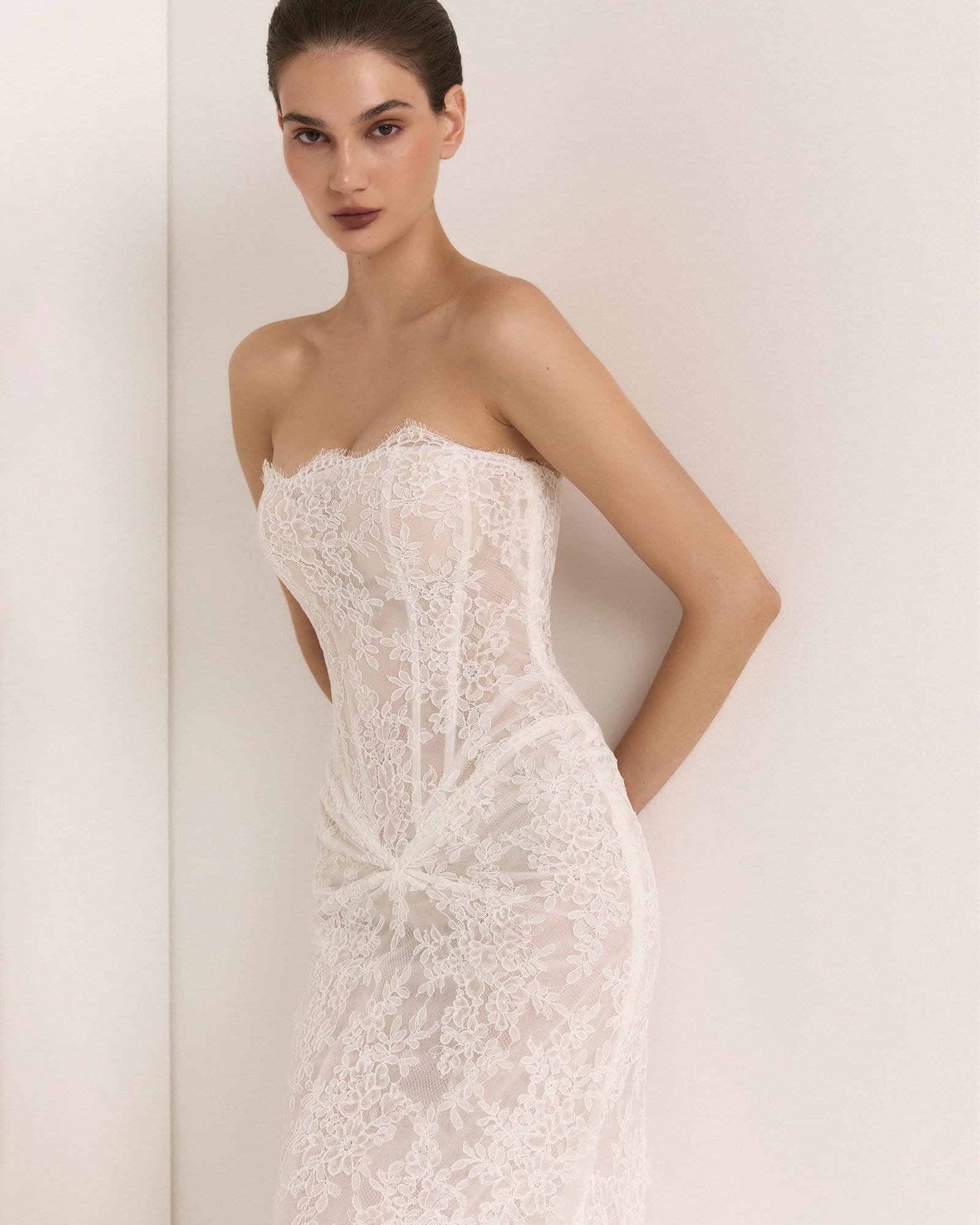
Crystal Edition
Silenne
166 365,00 грн
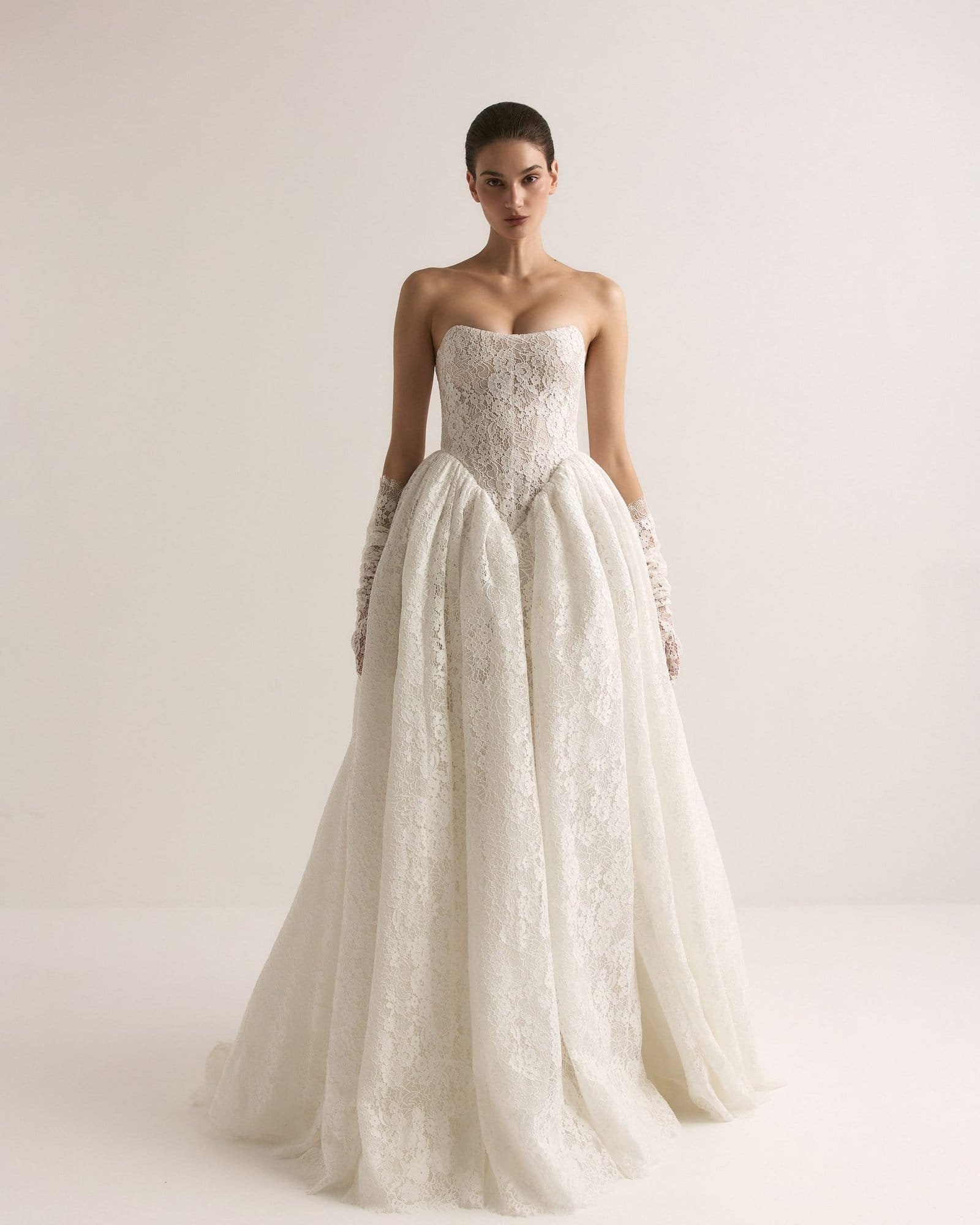
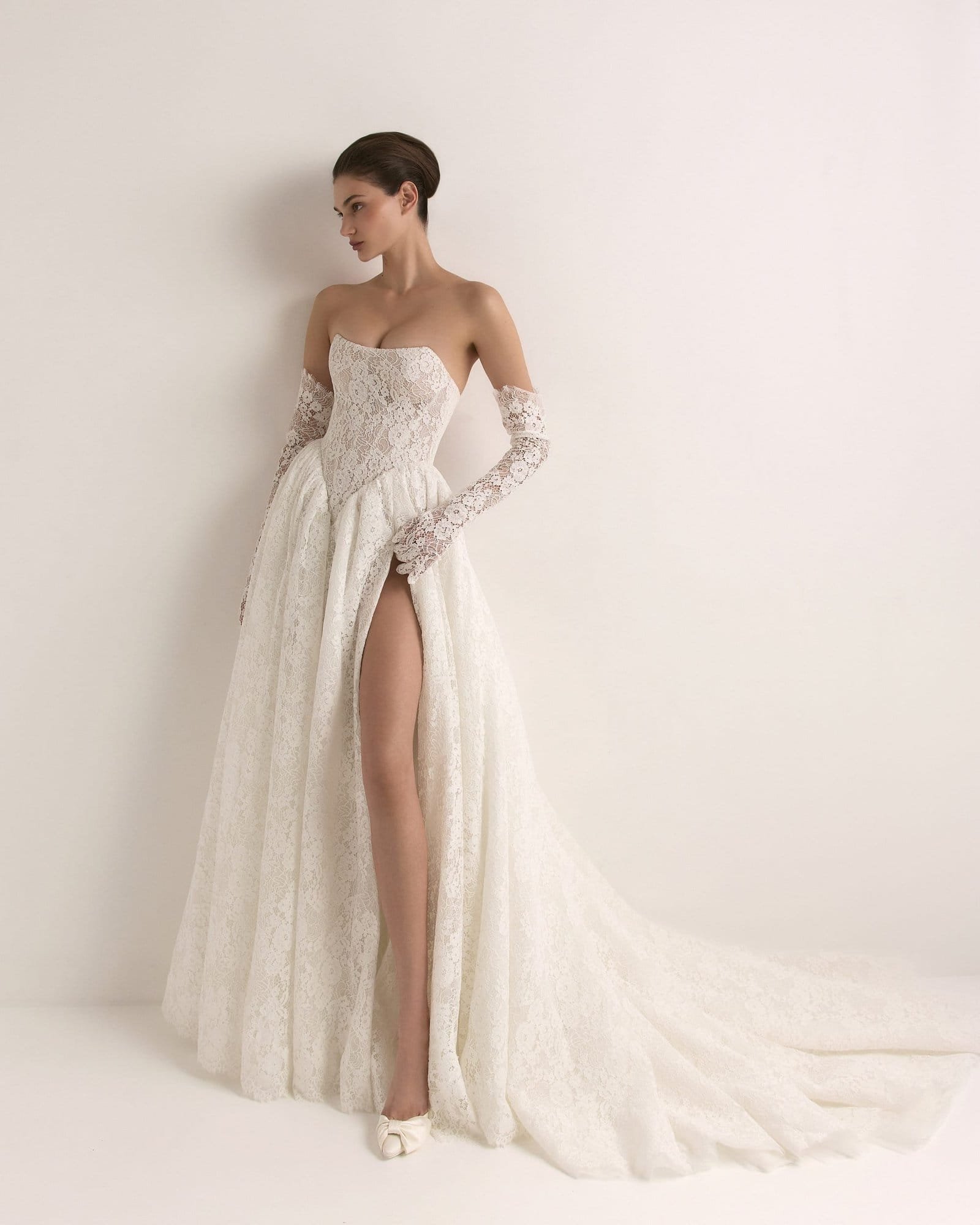
Crystal Edition
Narine
106 470,00 грн
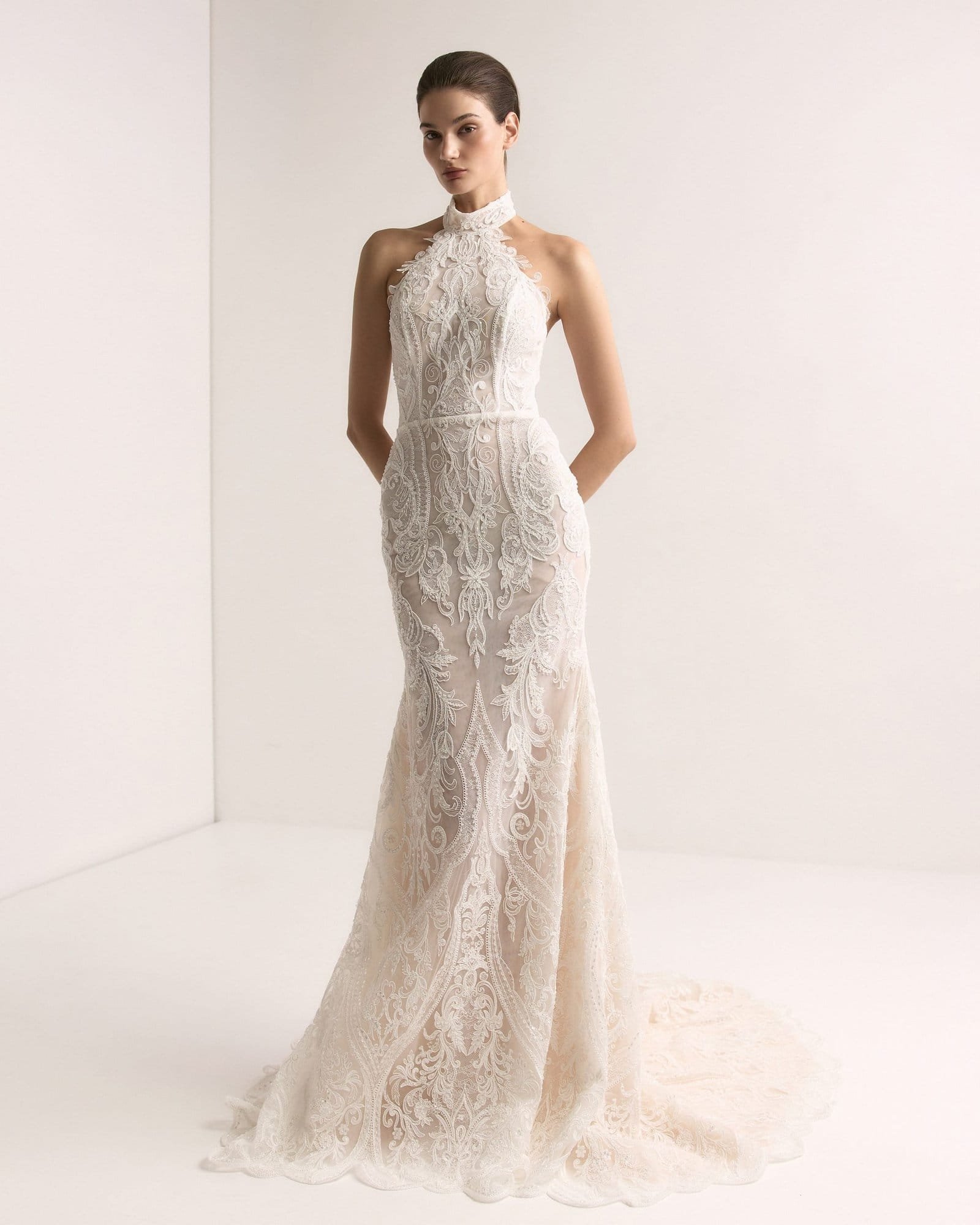
Crystal Edition
Lysenne
93 600,00 грн
 To order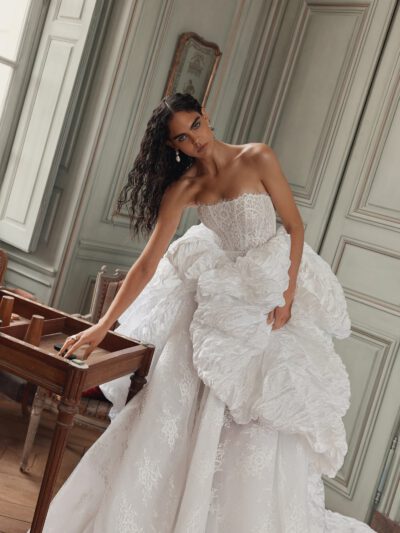
Atelier Heritage Edition
Overture
227 995,00 грн
 To order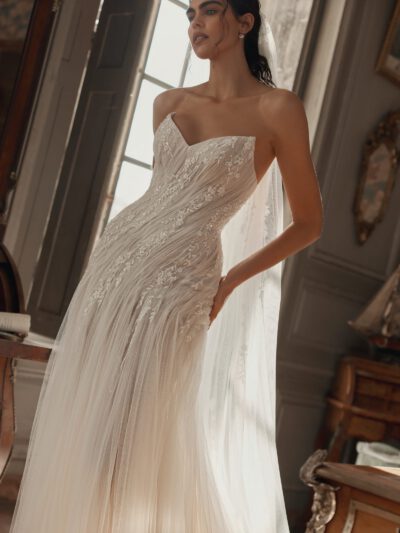
Atelier Heritage Edition
Dacor
179 730,00 грн
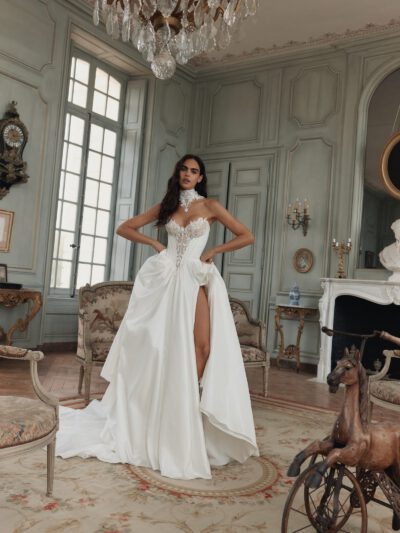 To order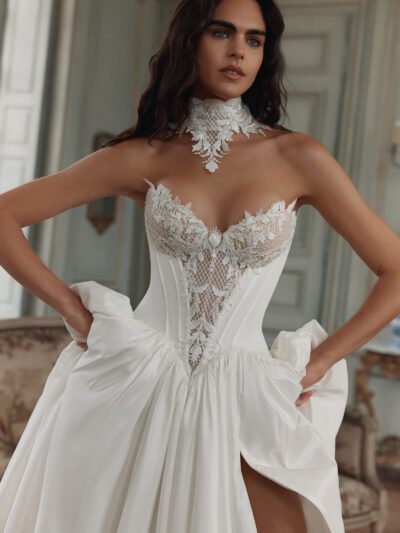
Atelier Heritage Edition
Roxane
168 595,00 грн
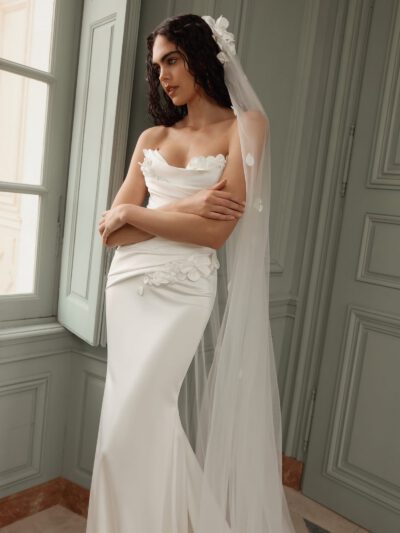 To order
Atelier Heritage Edition
Velare
121 075,00 грн
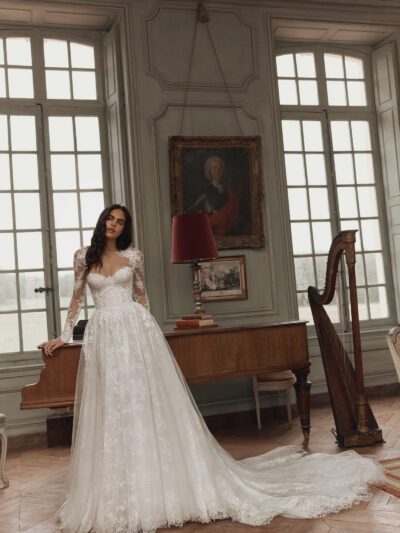 To order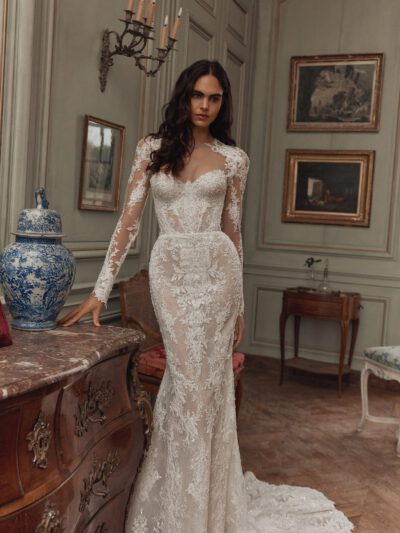
Atelier Heritage Edition
Renoar
311 155,00 грн
 To order
Atelier Heritage Edition
Eterno
184 930,00 грн
 To order
Atelier Heritage Edition
Dejavu
142 605,00 грн
 To order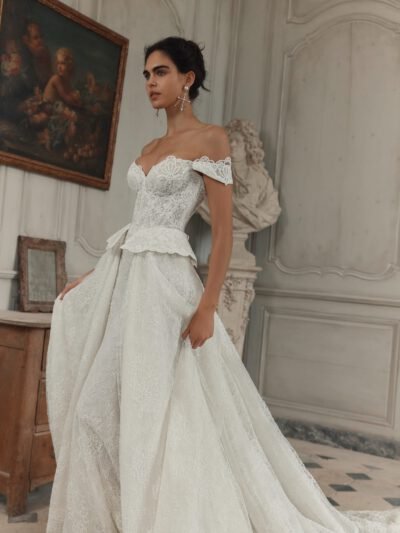
Atelier Heritage Edition
Nolen
243 585,00 грн
 To order
Atelier Heritage Edition
Erve
192 355,00 грн
 To order
Atelier Heritage Edition
Carat
205 720,00 грн
 To order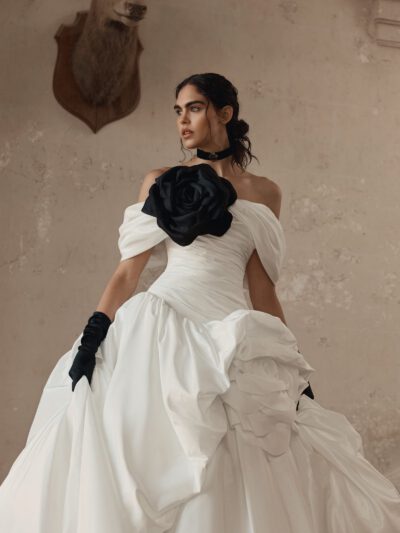
Atelier Heritage Edition
Arcane
160 425,00 грн
 To order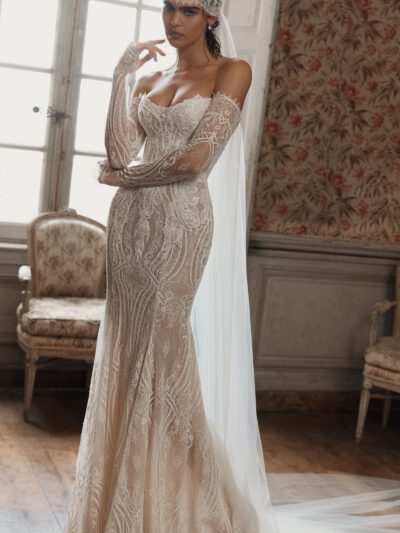
Atelier Heritage Edition
Rain
153 000,00 грн
 To order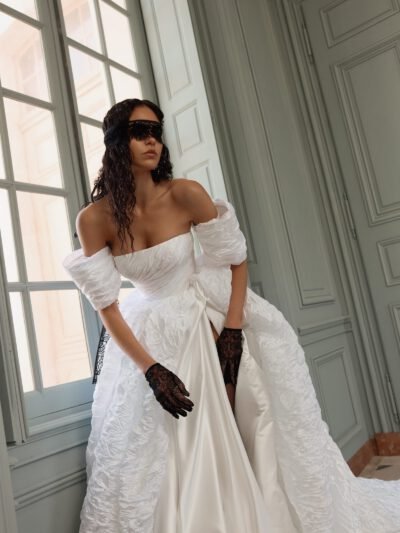
Atelier Heritage Edition
Mela
190 870,00 грн
First, step away from the mirror and look at the full length of the dress: does the line from the bodice to the skirt run smoothly, without random breaks. Then zoom in to the portrait angle and appreciate the details around the face. Romantic style arises precisely between these scales — not because of abstract "fabulousness", but because of the consistent rhythm of form, transparency, and pattern.
A-line and ball gowns give ample room for layering, while a mermaid or sheath dress pulls the motif closer to the body line. Lace adds an openwork pattern, tulle — translucent volume in motion. If the main thing is floral motif, trace its path from the bodice to the skirt: small elements near the neckline are read in a portrait, larger ones require a full-length shot. Embroidery, beads or three-dimensional flowers can support the theme, but the same density everywhere can erase the hierarchy of accents.
Boho also uses lace and floral motifs, but more often leads to a freer, less ceremonial rhythm. Classic style relies on recognizable proportions and symmetry; romantic allows a softer edge, layering and uneven pattern. A tempting direction places the openness, cut or expressive line of the figure in the center. It can overlap with the romantic, but does not replace the balance of motive and volume.
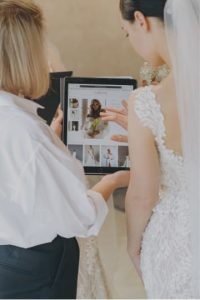
At the fitting, take a portrait, a full-length shot, and a photo from the back in the same light. Check where the sheer layer becomes visible, whether the pattern is lost from a distance, and whether the neckline, sleeves, skirt and veil compete in the same frame. Then walk around and come back: volume and density change as you move. At the fitting in CRYSTAL, compare not the amount of decoration, but how calmly the eye moves from one accent to the next.