



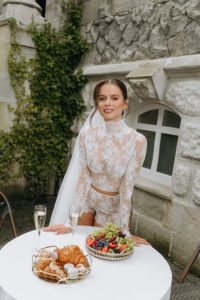
Wedding dresses in boho style
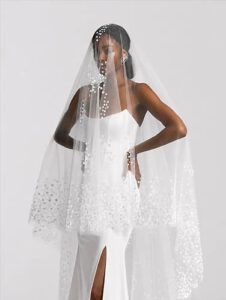
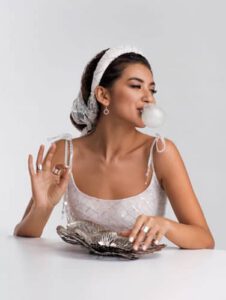
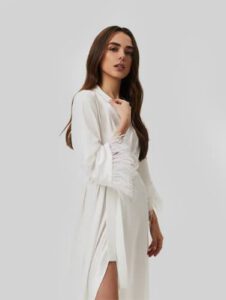
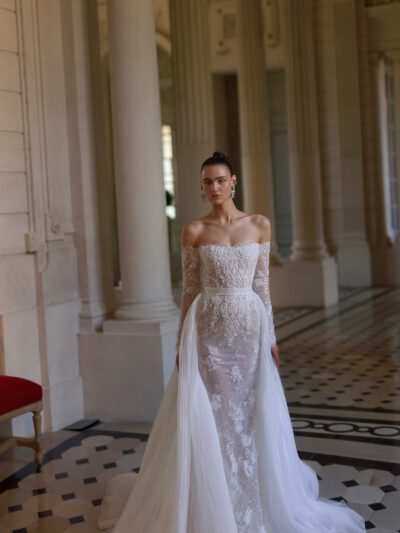
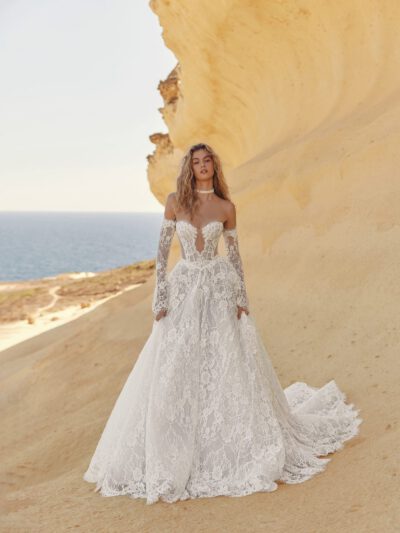
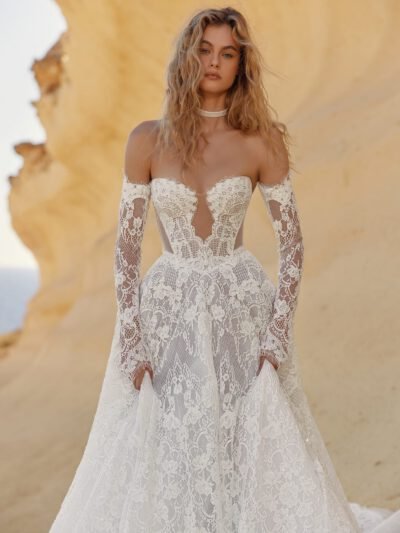
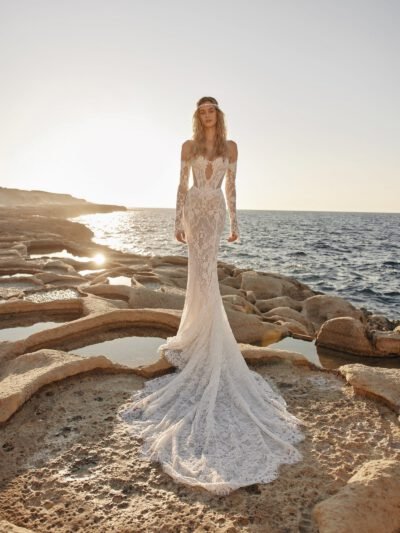
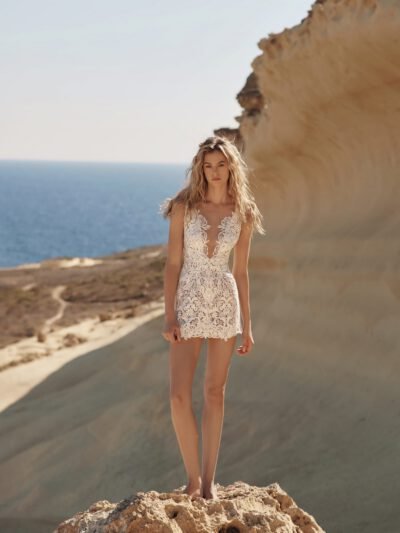
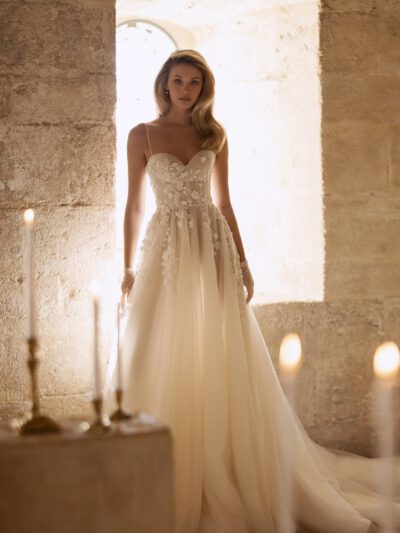
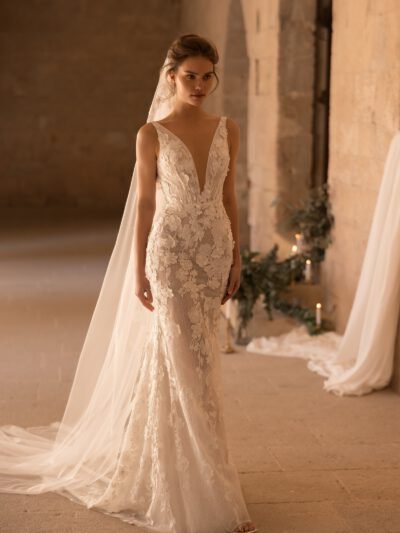
Boho is read through a less rigid ceremonial composition: an openwork or floral pattern, a visible base, a smooth line and the movement of layers. Compare the motif in the portrait and the full height, check the clearance of the fabric, sleeves and hem, and add the veil and decorations taking into account the already existing rhythm.
40 model
 To order
Maison Blanche
Parade
145 080,00 грн
Sirenity
Argo
111 420,00 грн
 To order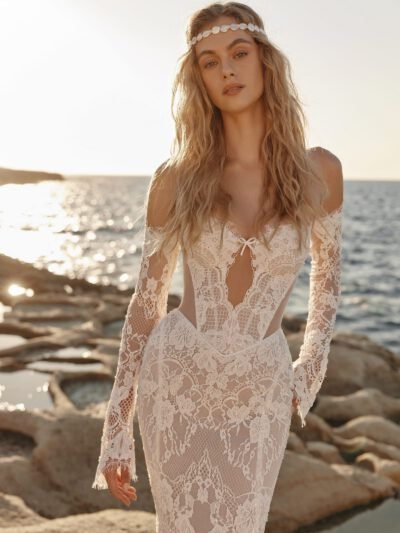
Sirenity
Fjord
110 430,00 грн
 To order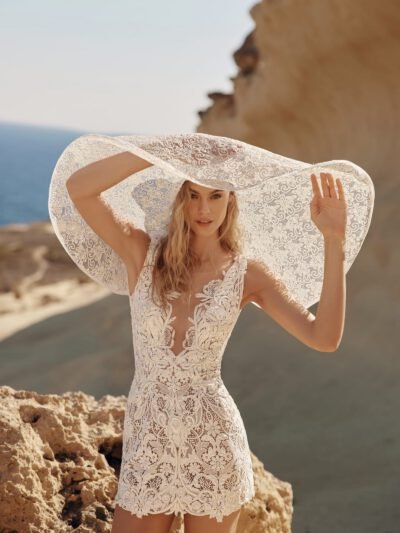
Sirenity
Harbor
68 355,00 грн
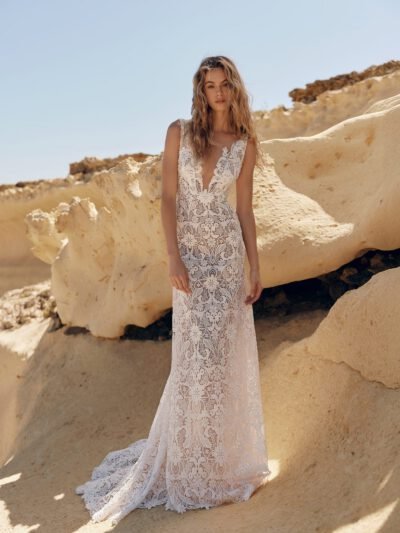 To order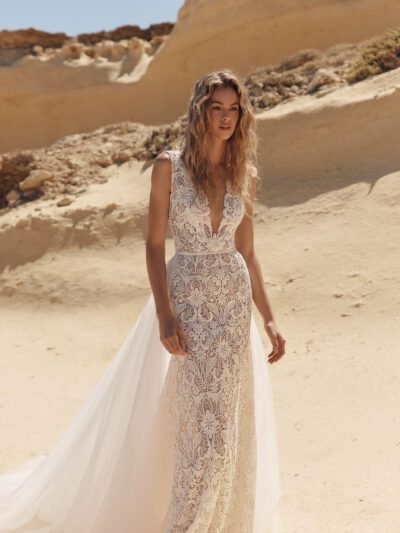
Sirenity
Sirocco
94 590,00 грн
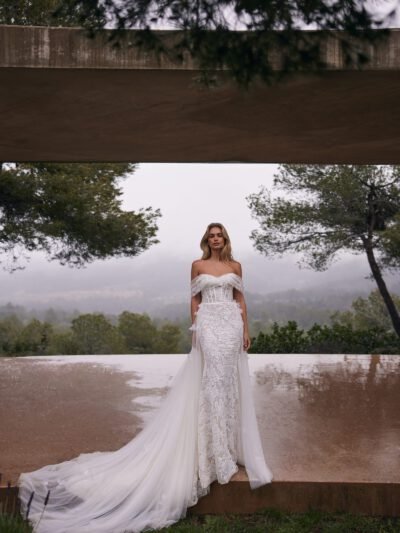 To order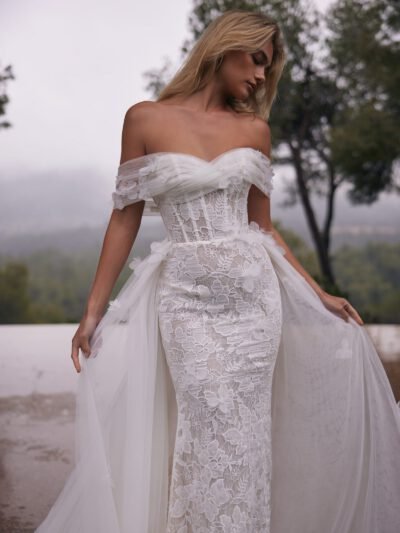
Less is More V
Tevy
113 895,00 грн
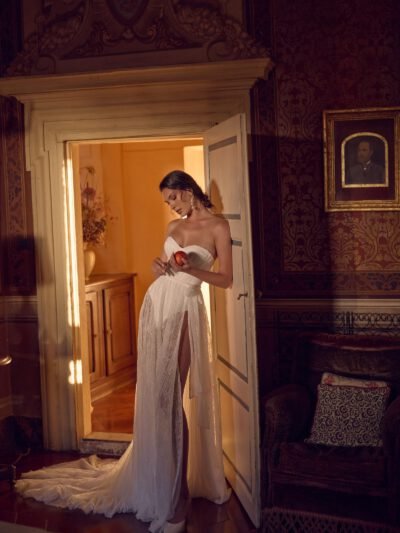 To order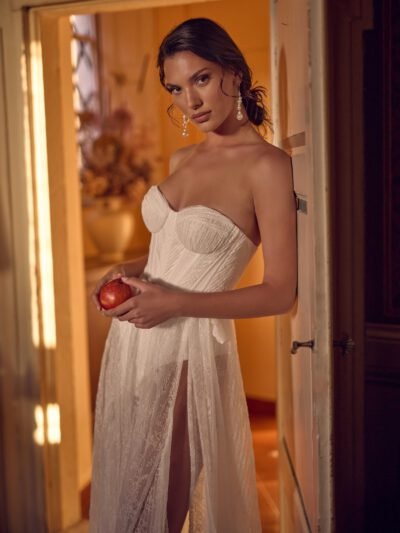
Amore in Fiore
Nemesis
146 565,00 грн
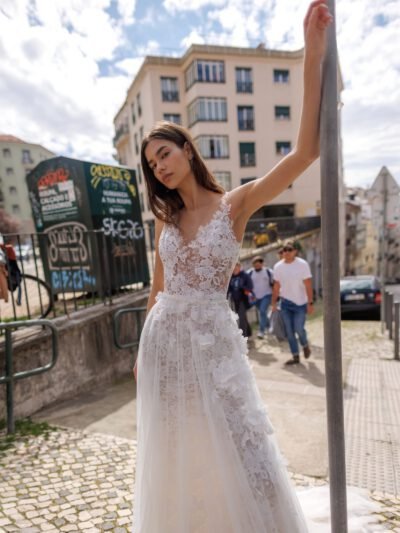 To order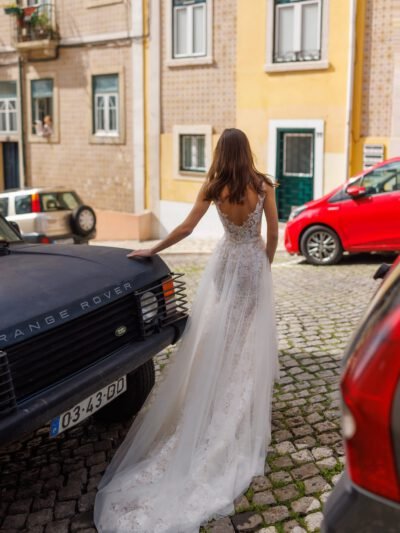
Bridal Alchemy
Renee
107 460,00 грн
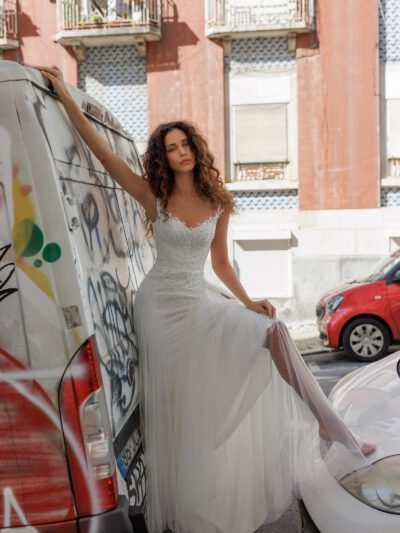 To order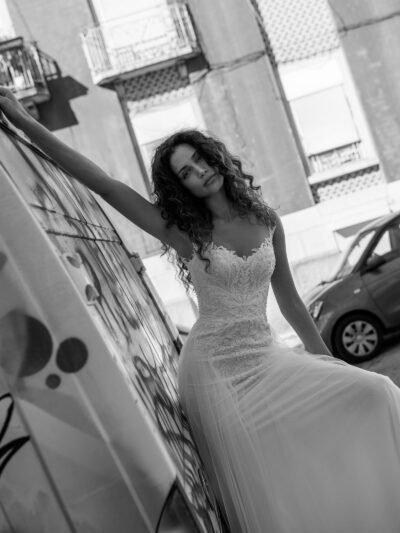
Bridal Alchemy
Sol
79 740,00 грн
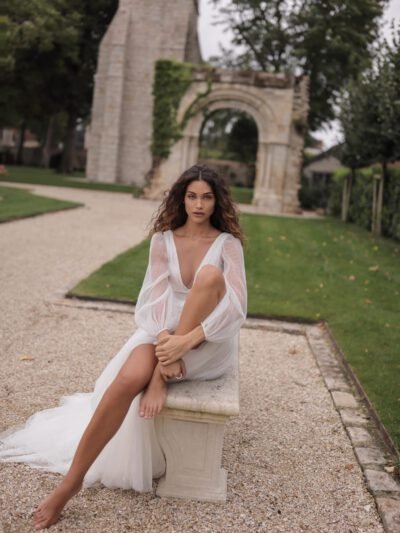 To order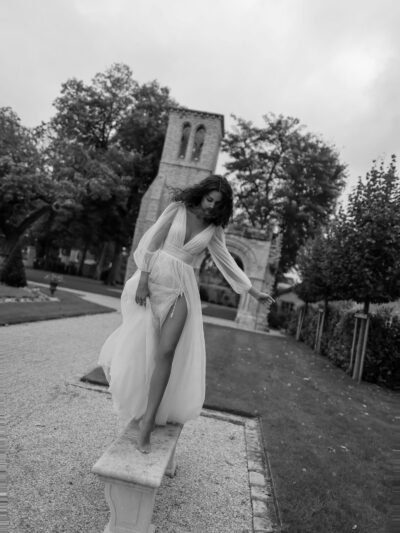
White Swan
Marcella
95 085,00 грн


Atelier Signature Edition
Daisy
160 425,00 грн
 To order
Less is More IV
Mellrose
71 820,00 грн
 To order
Less is More IV
Elsie
97 560,00 грн

Love Spell
Delilah
80 235,00 грн
 To order
Love Spell
Helga
106 965,00 грн
 To order
Love Spell
Santiago
96 570,00 грн
Look not at a single flower, but at the pauses between motifs. In the boho style, it is the open space of the base, the uneven rhythm of openwork and less rigid symmetry that can make the composition expressive. This is not a promise of "freedom" or a tie to a specific location. Style is read in visible solutions: how the pattern moves between parts of the dress, where transparency appears and how the layers move.
In the catalog, boho is combined with an A-line and sheath, floor-length, long sleeves and an open back. These are options, not a set formula. Lace gives an openwork structure, tulle - visible layers, embroidery - an applied pattern. If leads floral motif, check its scale on the bodice, sleeves and skirt. V-neck adds verticality, but does not define a style by itself.
Romantic image also works with lace, flowers and layers, but more often builds a coordinated ceremonial transition from the bodice to the skirt. Boho allows a more uneven step of the motif, a more noticeable clearance of the base and a less formal hierarchy of details. Vintage style relies on recognizable historical quotations in form or decoration; for boho, such an attachment is not mandatory. The directions may overlap, but are not synonymous.
On the fitting, take a close-up of the drawing and a full-length photo in the same light. Then go back and forth to see if the gaps between the layers change, how the sleeves and hem behave. Separately check the edge of the substrate for clearance. Veil, cape or decoration from the section CRYSTAL accessories add one at a time: match the density of the motif, the direction of the edge and the number of transparent planes so that the new element does not cover the main pattern of the dress.