
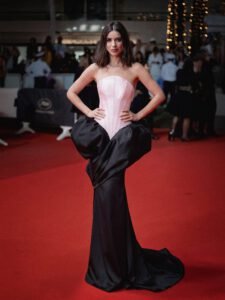



Wedding dresses with a drop train
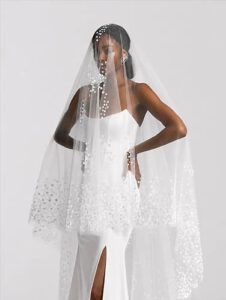
The drop plume noticeably continues the division behind: in the catalog it is more expressive than the short one, but less extensive than the cathedral one. On the fitting, find the extreme back point, straighten all the layers, check the step, turn and stairs, and count the pick-up or loop only if they are present.
798 model
Crystal Edition
Lysenne
93 600,00 грн
 To order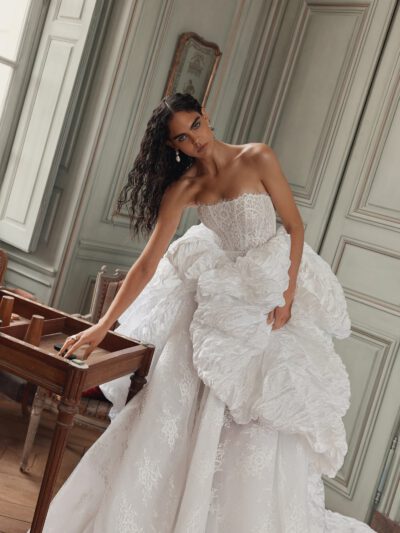
Atelier Heritage Edition
Overture
227 995,00 грн

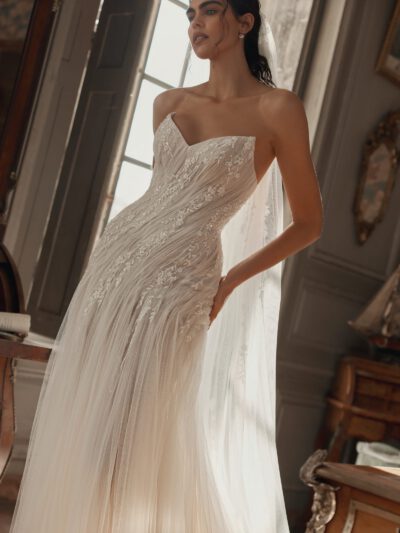
Atelier Heritage Edition
Dacor
179 730,00 грн
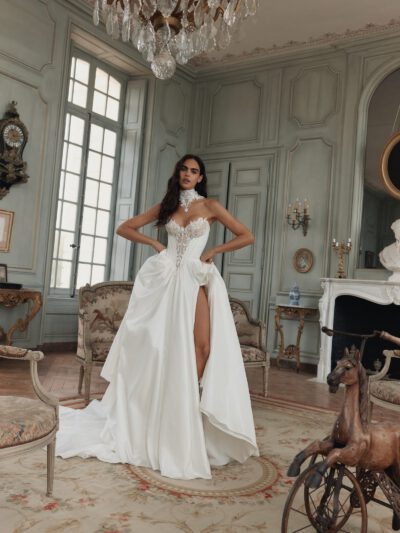
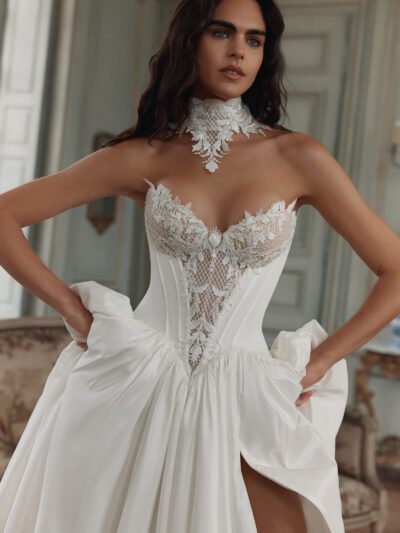
Atelier Heritage Edition
Roxane
168 595,00 грн
 To order
Atelier Heritage Edition
Velare
121 075,00 грн
 To order
Atelier Heritage Edition
Trophee
132 210,00 грн
 To order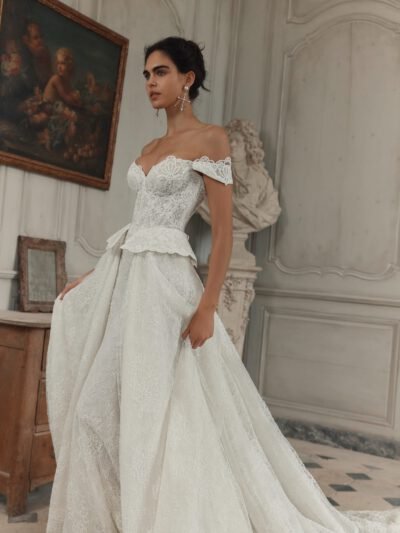
Atelier Heritage Edition
Nolen
243 585,00 грн
 To order
Atelier Heritage Edition
Erve
192 355,00 грн
 To order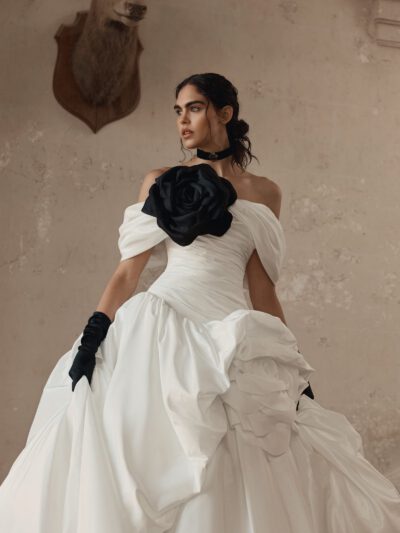
Atelier Heritage Edition
Arcane
160 425,00 грн
 To order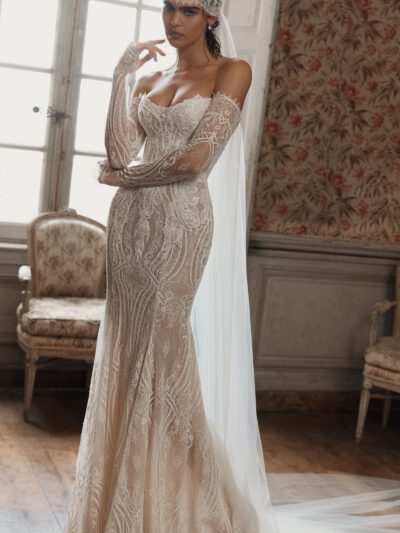
Atelier Heritage Edition
Rain
153 000,00 грн
 To order
Atelier Heritage Edition
Prime
193 095,00 грн
 To order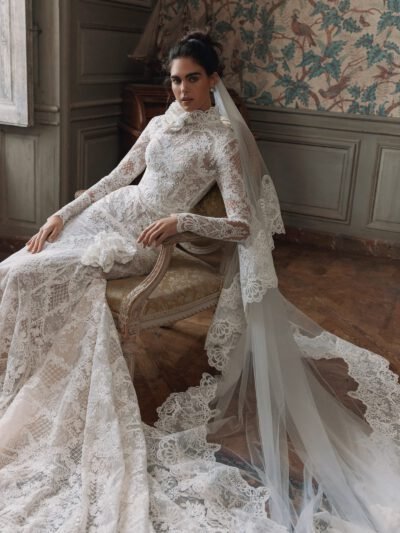
Atelier Heritage Edition
Goff
198 295,00 грн
 To order
Atelier Heritage Edition
Aveline
145 575,00 грн
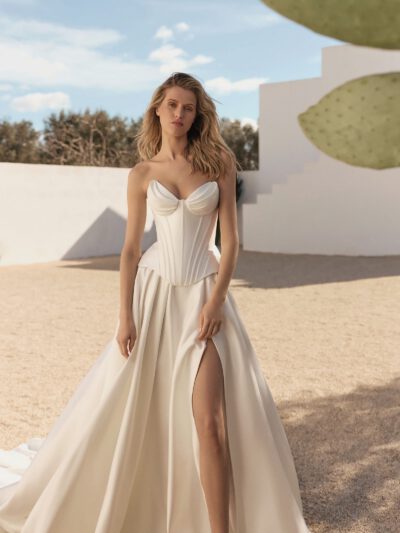

Less is More VI
Enzo
76 770,00 грн
 To order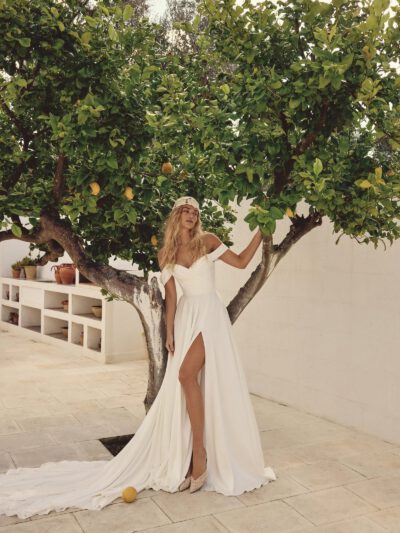
Less is More VI
Lazio
70 335,00 грн
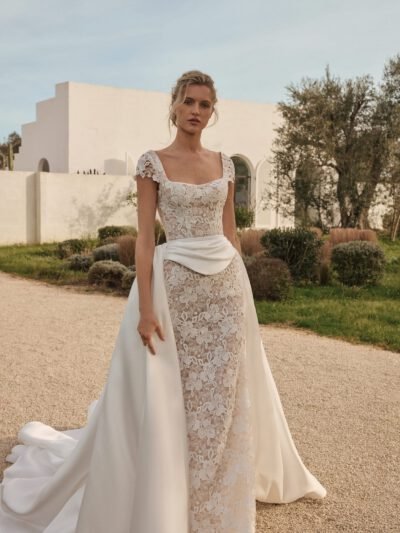 To order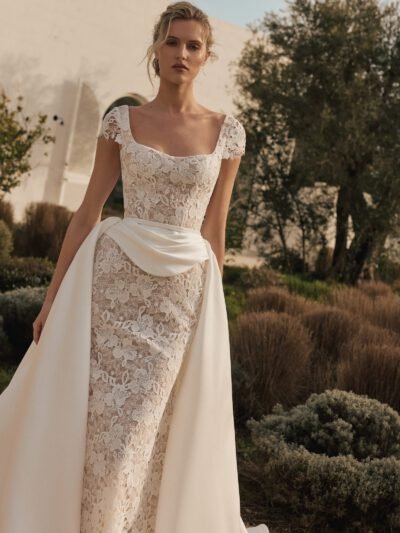
Less is More VI
Seraphine
104 985,00 грн
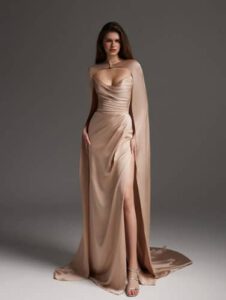
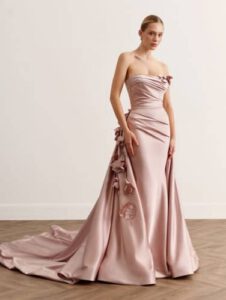
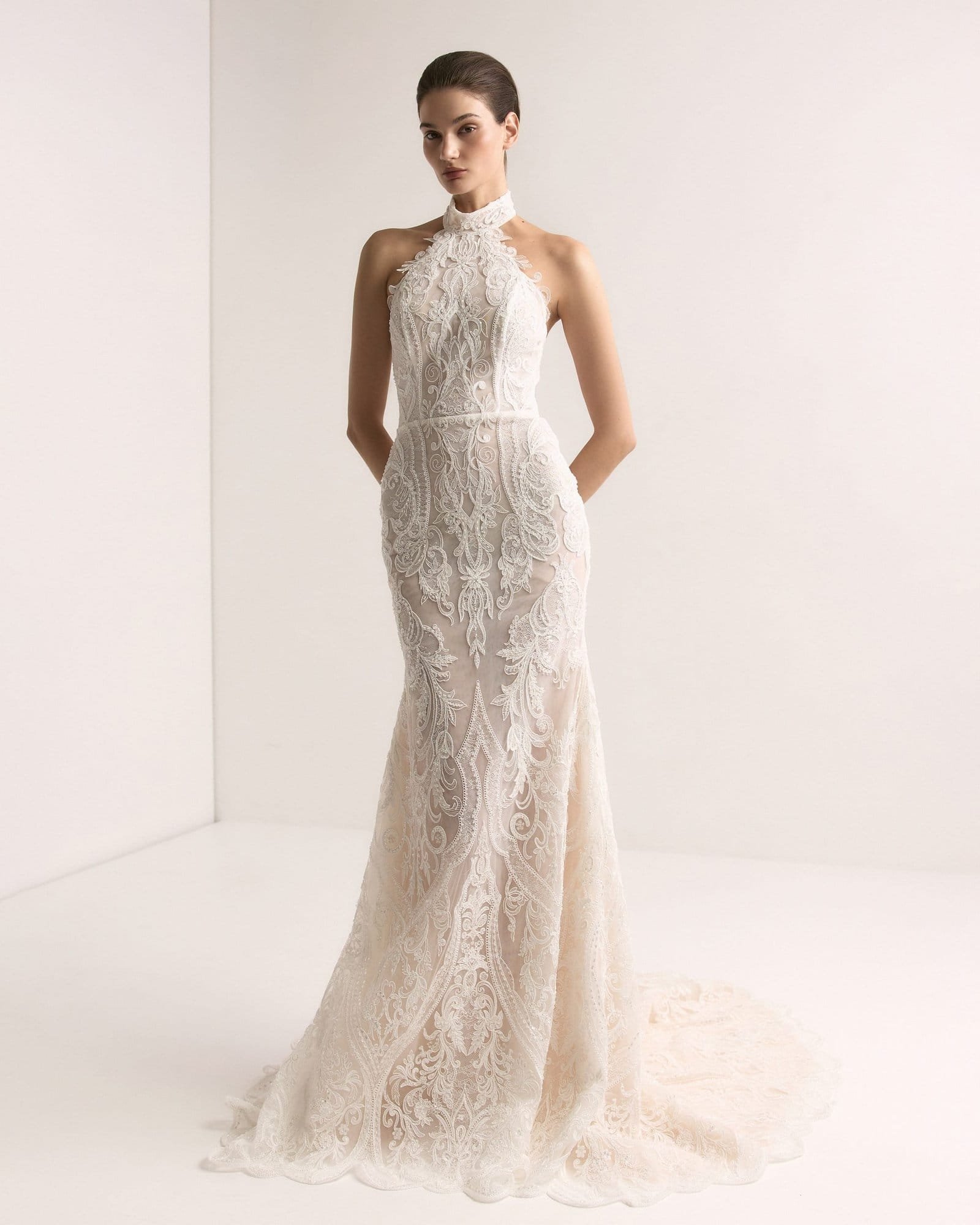
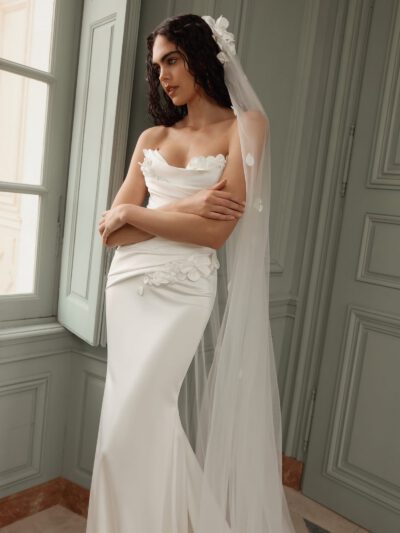
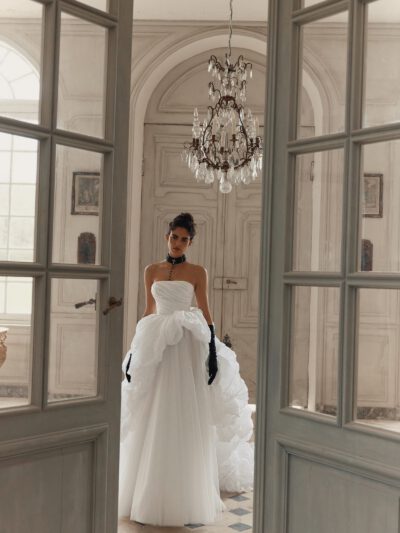
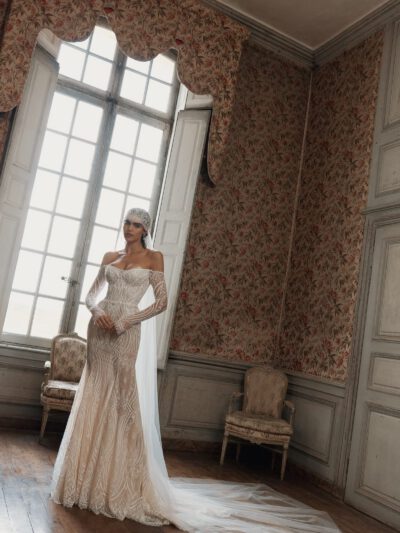
The back full-length shot shows the drop train best: the hemline continues behind the dress in a noticeable area, and the hem forms a separate contour on the floor. This is a relative catalog classification without a universal length in centimeters. Compared with short train the continuation is more pronounced, but inferior in length cathedral.
First straighten the skirt length to the floor from the waist to the furthest posterior point. If there are several layers, check the edge of each one separately: the upper one may end earlier or overlap the lower one. On lace additionally, trace how the pattern and border are read in the center and on the sides.
Take a few steps straight, turn back and forth, and stop without manually correcting the hem. See how the plume lays after the movement, whether the central axis is maintained and where the edge ends up. Go up and down the step individually with the guidance of a consultant, not assuming convenience just because of the name of the length.
On samples in CRYSTAL ask for a loop, hook, or other method of assembly to be shown only when it is provided by the model. Check it out in action and take a back photo with the train straightened and gathered; the absence of a visible element should not be compensated for by conjecture.