








Wedding and evening dresses with a draped bodice
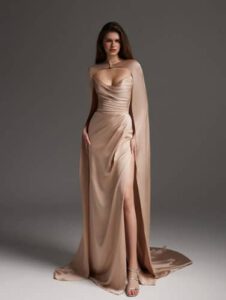
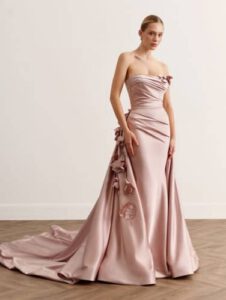
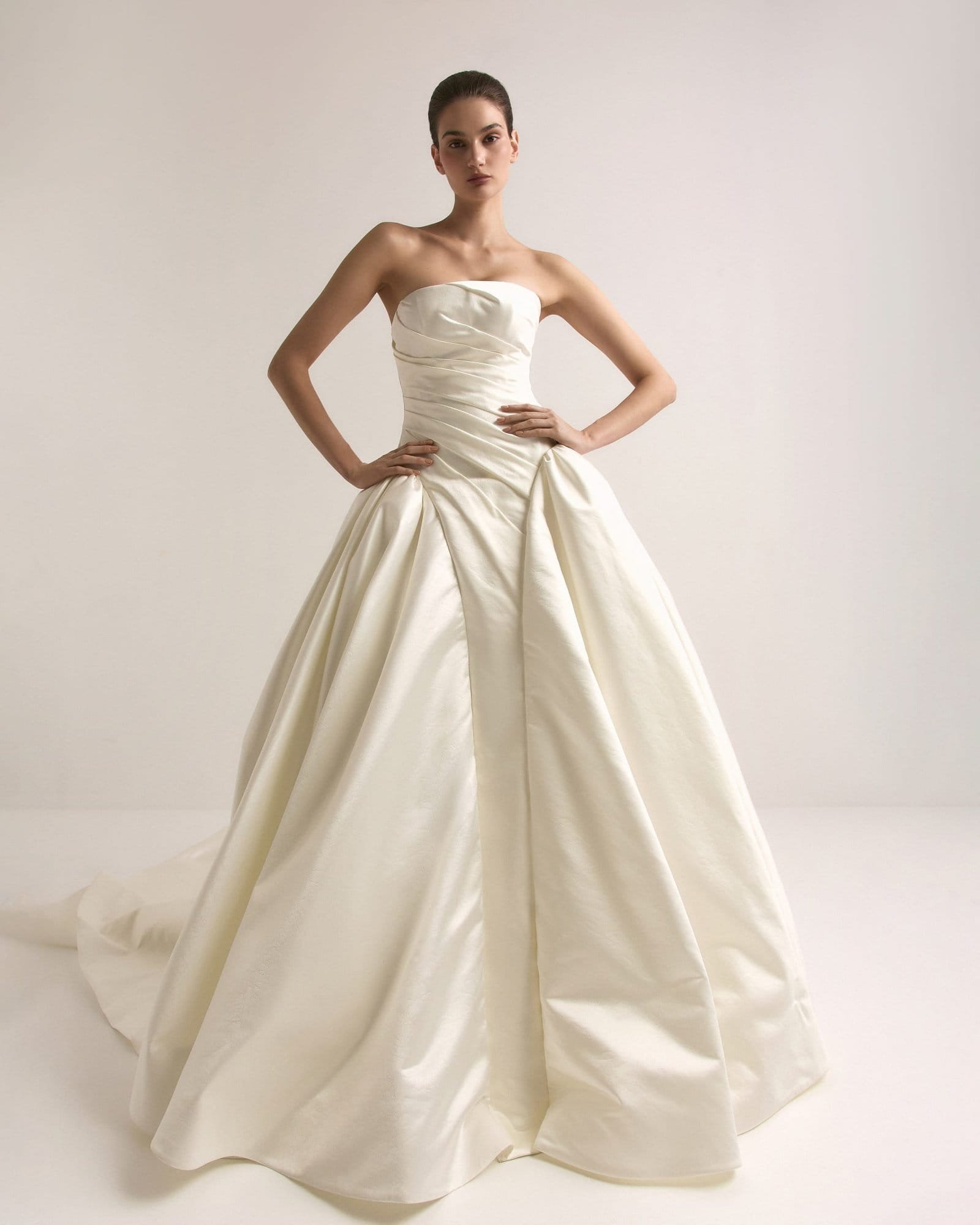
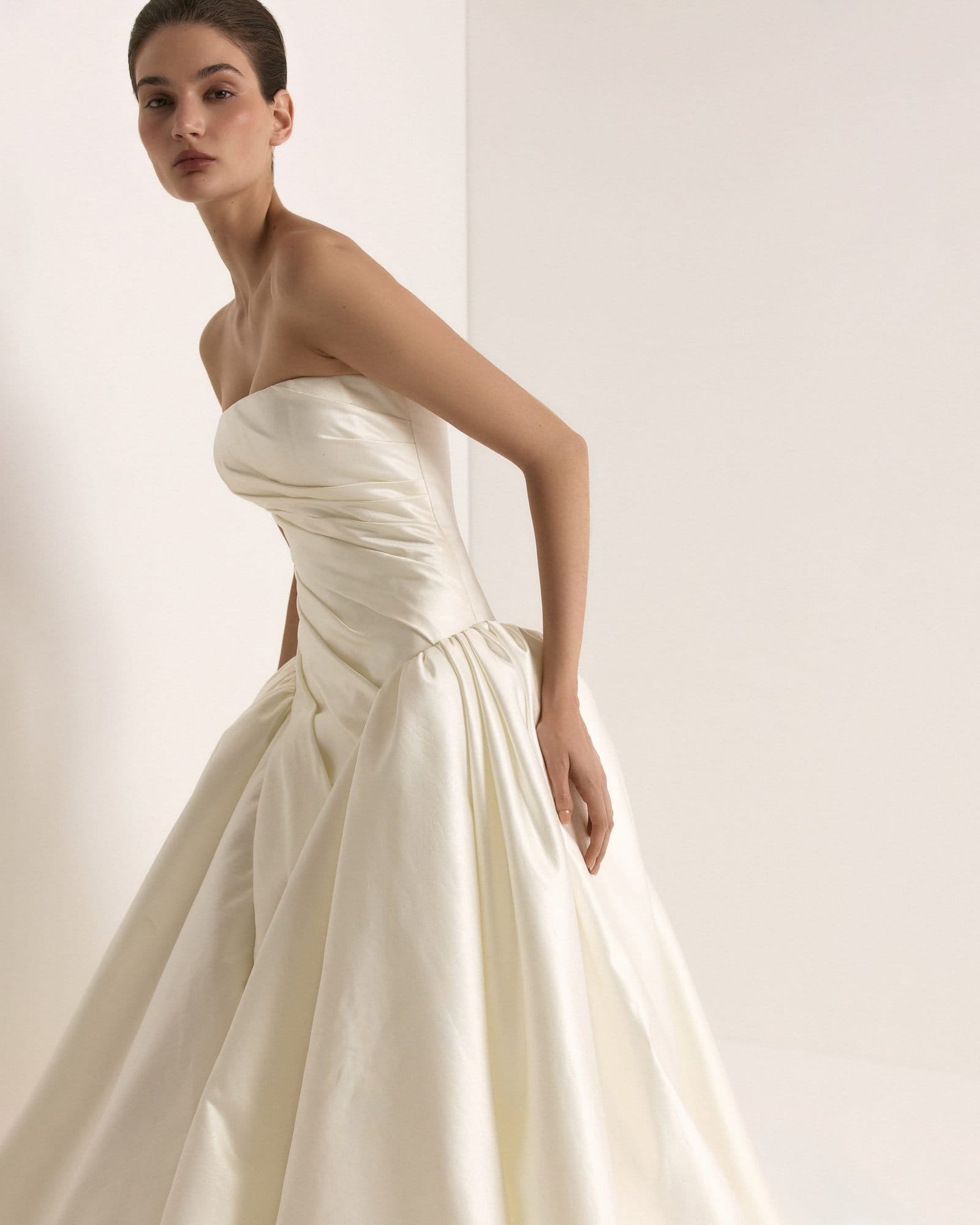
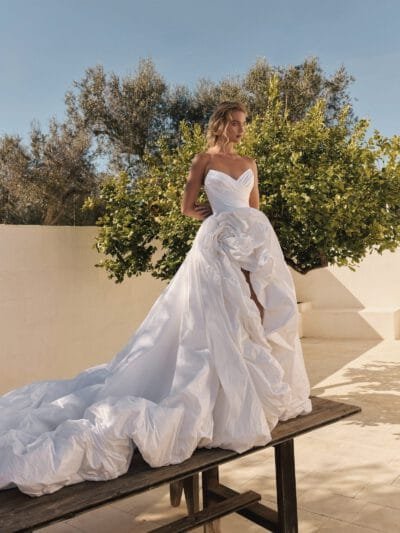
In a draped bodice, the direction of the pleats forms the pattern of the entire top: they can cross, converge at the side, or lead to the waist. Trace the starting and anchoring points, symmetry or intentional asymmetry, the relationship with the cut and seams, and after movement, check that the original lines are restored.
412 model
Crystal Edition
Celeste
84 195,00 грн

Atelier Heritage Edition
Dacor
179 730,00 грн
 To order
Atelier Heritage Edition
Velare
121 075,00 грн
 To order
Atelier Heritage Edition
Trophee
132 210,00 грн
 To order
Atelier Heritage Edition
Eterno
184 930,00 грн
 To order
Atelier Heritage Edition
Erve
192 355,00 грн
 To order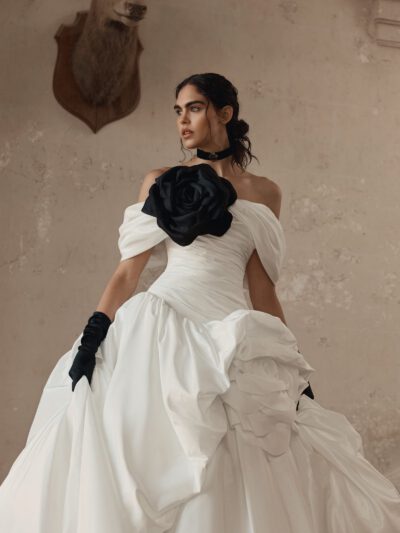
Atelier Heritage Edition
Arcane
160 425,00 грн
 To order
Atelier Heritage Edition
Mela
190 870,00 грн
 To order
Atelier Heritage Edition
Aveline
145 575,00 грн
Less is More VI
Arber
67 365,00 грн

Less is More VI
Enzo
76 770,00 грн
 To order
Less is More VI
Lazio
70 335,00 грн
 To order
Less is More VI
Meadow
92 115,00 грн
 To order
Less is More VI
Ludovica
95 580,00 грн
 To order
Less is More VI
Luca
77 265,00 грн
 To order
Less is More VI
Femin
65 880,00 грн
Back to the sidelight: it shows more clearly where the folds of the draped bodice lead, where they overlap and where they converge. Such a top determines exactly the formed pattern of the fabric. It doesn't promise shape correction, support, concealment, or the same feel in all models.
First find the beginning and end of each main line. Symmetrical drapery requires a comparison of the right and left sides; asymmetric should be read as consistent direction, not random skew. At the neckline, trace whether the folds repeat its edge, cross the center or go down to the side seam. On satin the light further emphasizes every crease, so compare the frontal shot with the profile.
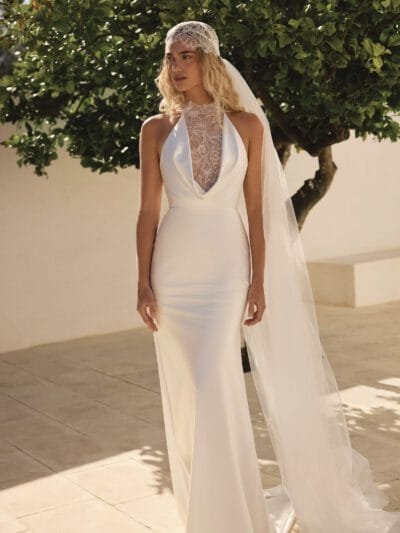
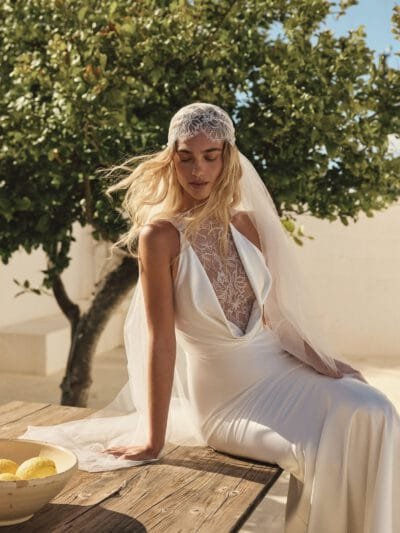
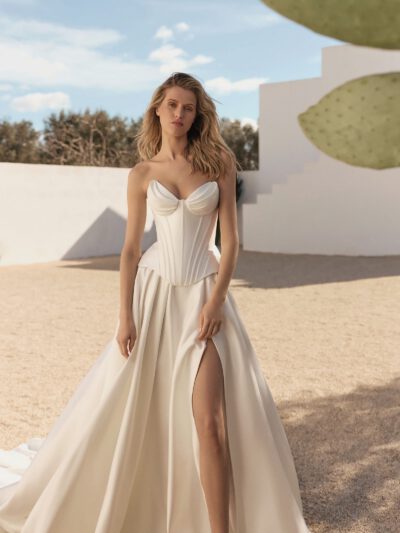
Collection describes the reception of gathered fabric in a separate area, while the draped bodice covers the composition of the entire top. Corset bodice calls its structural framework; these features can be combined, but are not synonymous.
When trying on the CRYSTAL, look at the seams and attachment points, then sit down, turn the body and raise your arms. After each movement, release the fabric without correcting it with your hands and check whether the main lines have returned, whether the pattern has not shifted near the neckline and waist. It is the specific cut that will show the actual behavior of the drapery.