

Wedding dresses from special fabrics
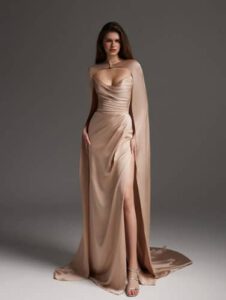
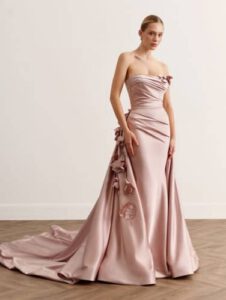
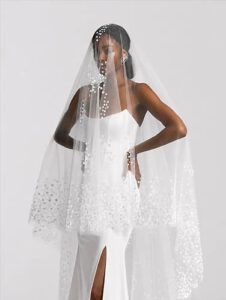
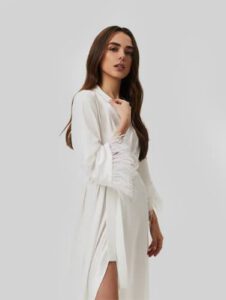
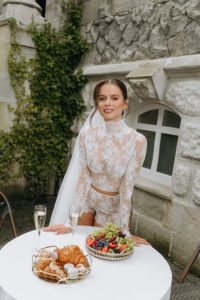
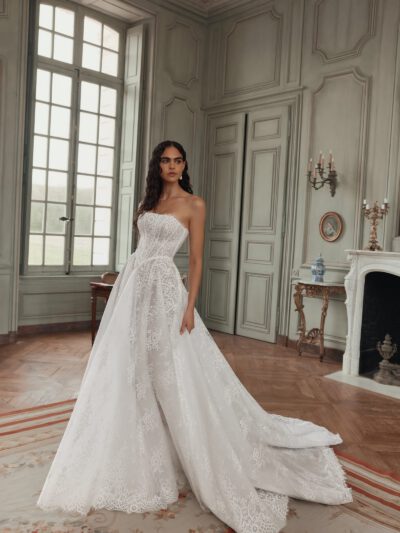
"Special fabric" is a catalog group, not a single material with common properties. Evaluate each dress separately: whether the surface is smooth or textured, transparent or dense, how it moves, catches the light and is combined with the cut, accessories or floral decor.
84 model
 To order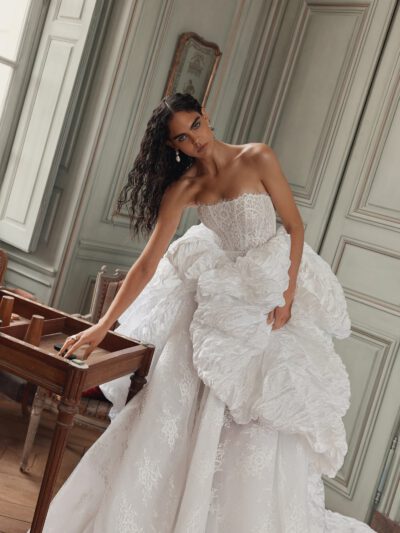
Atelier Heritage Edition
Overture
227 995,00 грн
 To order
Atelier Heritage Edition
Eterno
184 930,00 грн
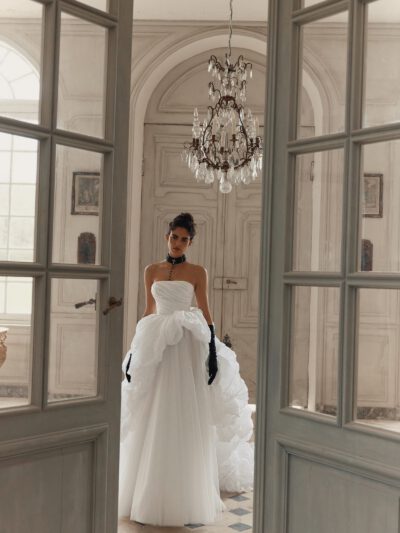 To order
Atelier Heritage Edition
Erve
192 355,00 грн
 To order
Atelier Heritage Edition
Carat
205 720,00 грн
 To order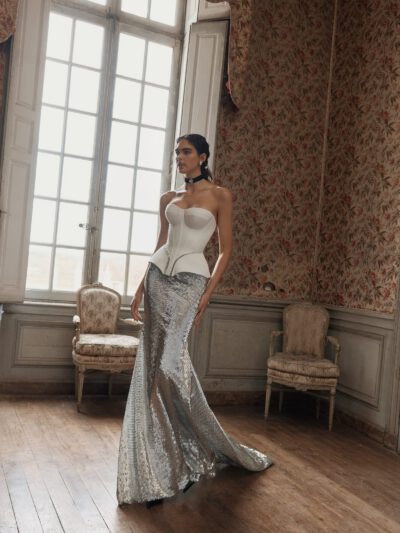
Atelier Heritage Edition
Spectrum
155 230,00 грн
 To order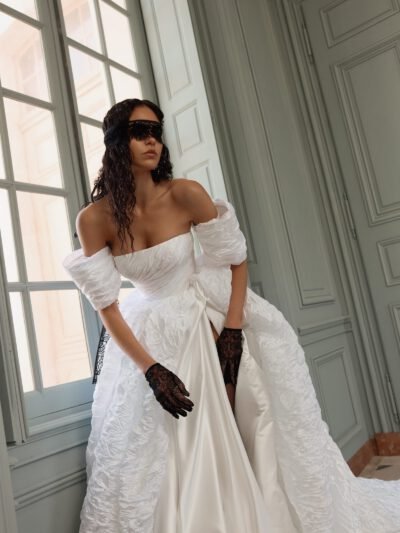
Atelier Heritage Edition
Mela
190 870,00 грн
 To order
Atelier Heritage Edition
Beamount
291 105,00 грн
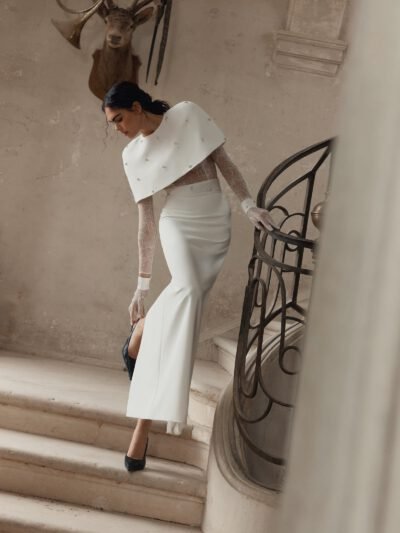 To order
Atelier Heritage Edition
Soho
138 895,00 грн
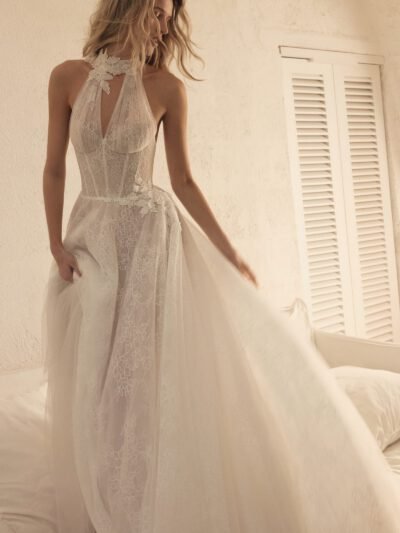 To order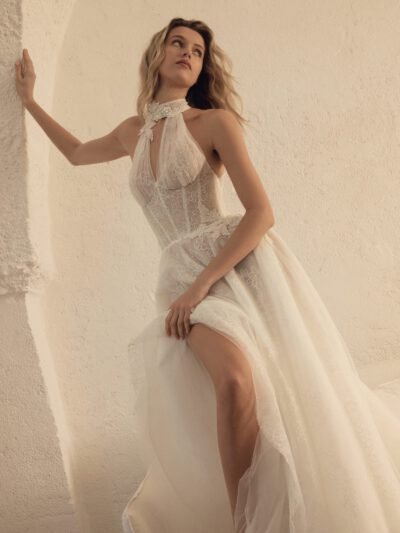
Less is More VI
Brittel
100 035,00 грн
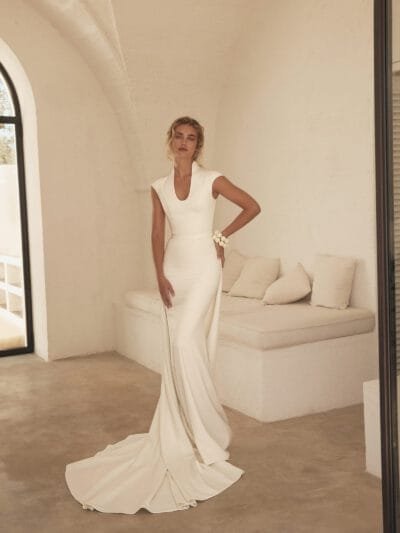 To order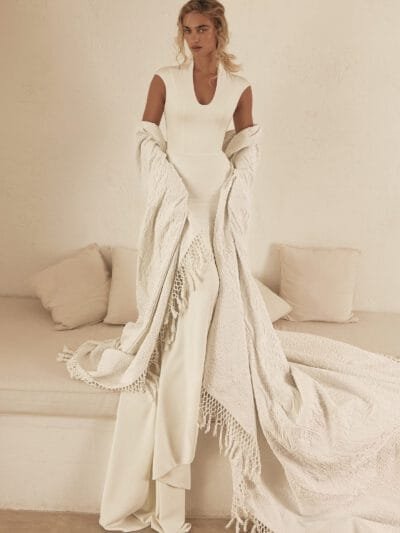
Less is More VI
Appolo
61 425,00 грн

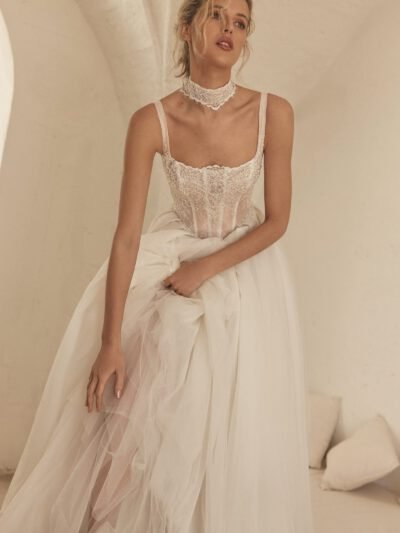
Less is More VI
Kirel
86 670,00 грн
 To order
Less is More VI
Summer
86 670,00 грн
 To order
Less is More VI
Delta
66 375,00 грн
 To order
Less is More VI
Solene
170 325,00 грн
 To order
Less is More VI
Sanremo
88 155,00 грн
 To order
Less is More VI
Broadway
82 710,00 грн
Two dresses labeled "special fabric" can react differently to light, movement, and drape. This is a catalog group, not the name of a single material with a specific density, gloss or composition. Therefore, start not with a shortcut, but with the surface of a specific model: look at it up close, against the light and from a distance, note the transparency, relief and scale of the drawing, if there is one.
The next step is movement. Walk around, turn around and raise the hem of the skirt as much as the cut allows. See if the fabric falls in a straight line, gathers in gentle waves, or maintains a sharper plane. After you sit down and stand up again, assess the location of the kinks. In the photo, compare daylight and directional interior light: one better shows transparency, the other - reflections and relief.
It often happens in this group silhouette case, as well as mermaid, A-line and flared models. For a fitted cut, it is important how the surface runs along the waist and hips; for a more voluminous skirt - how the general contour holds. Cut.
Comparison with materials with a more unambiguous name helps to more accurately formulate one's own impression. If you see a smooth soft sheen and fall, match the model with satin; if large clean planes and architectural faces — with mikado; if the main thing is the drawing — with lace. This does not determine the composition of a special fabric, but only provides clear visual guidelines. At a fitting in CRYSTAL, compare such models in the same light and movement, without transferring the properties of one to the whole group.