


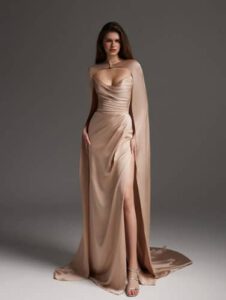
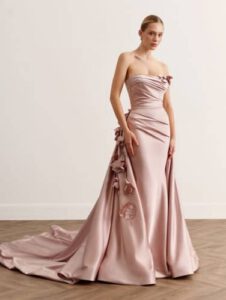
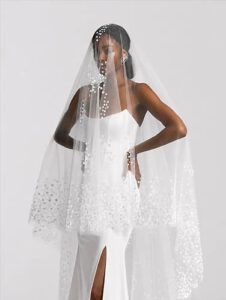






Wedding and evening dresses with a slit
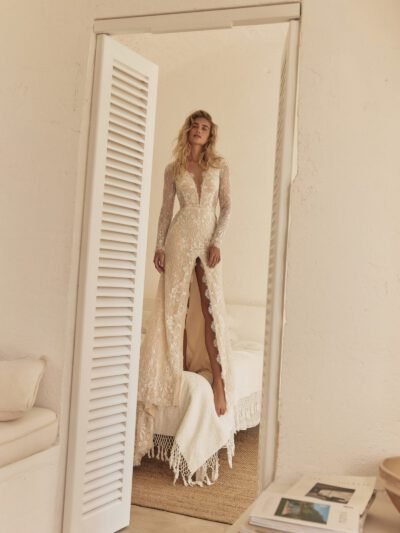
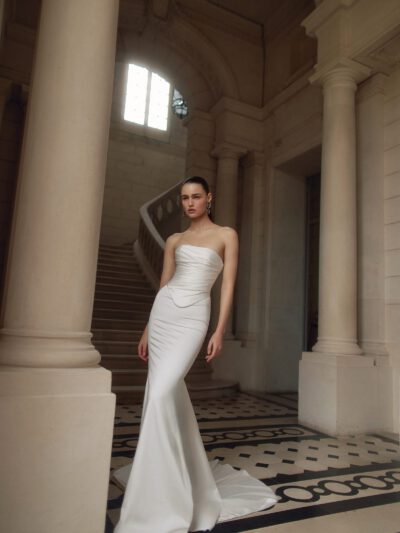
The cut is evaluated not only by the point where it begins: in statics, during a step and when sitting, a different part of the leg opens. Check the front or side placement, the lining and top layers, the combination with the length and the shoe—without assuming that a detail automatically adds comfort.
321 model
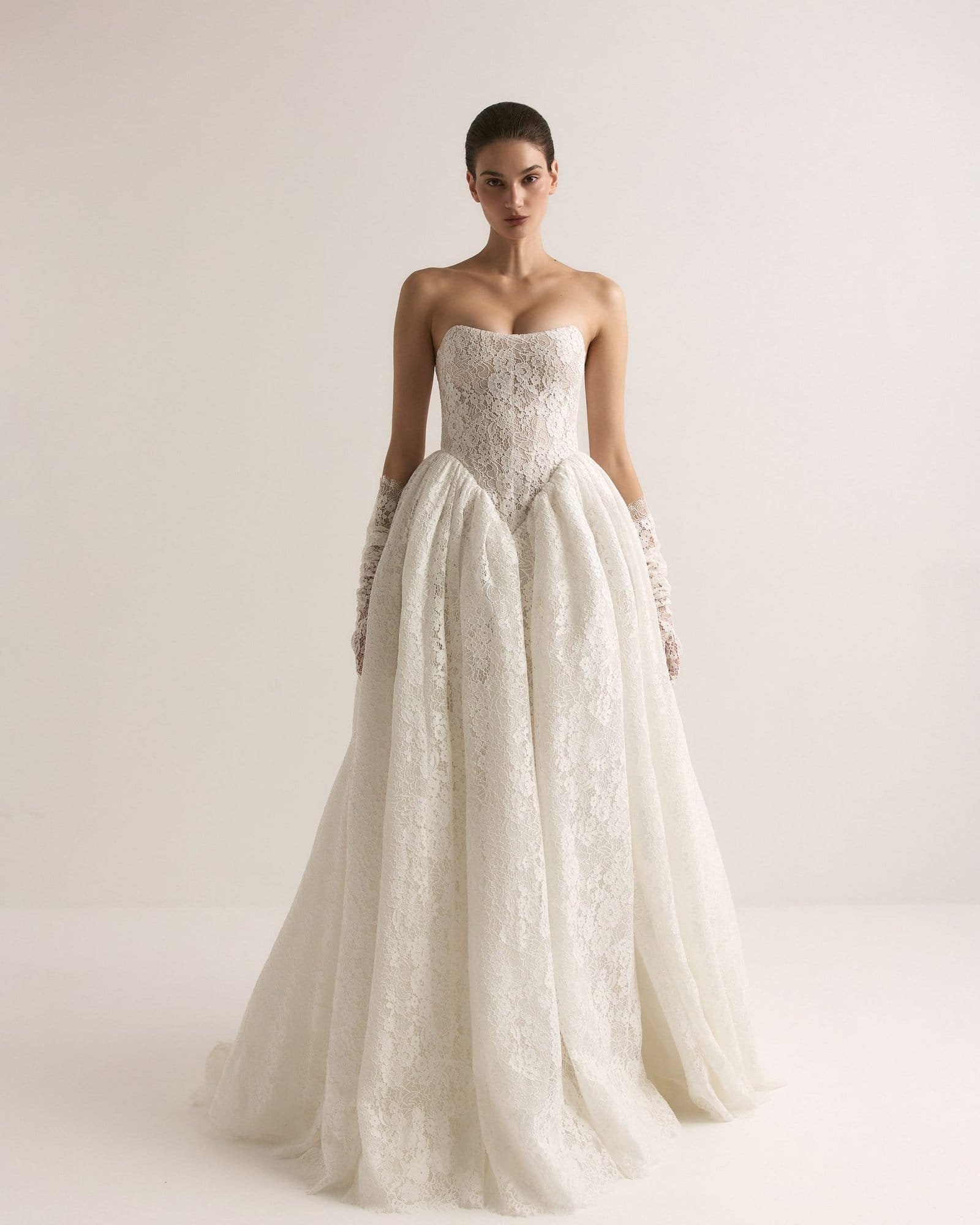
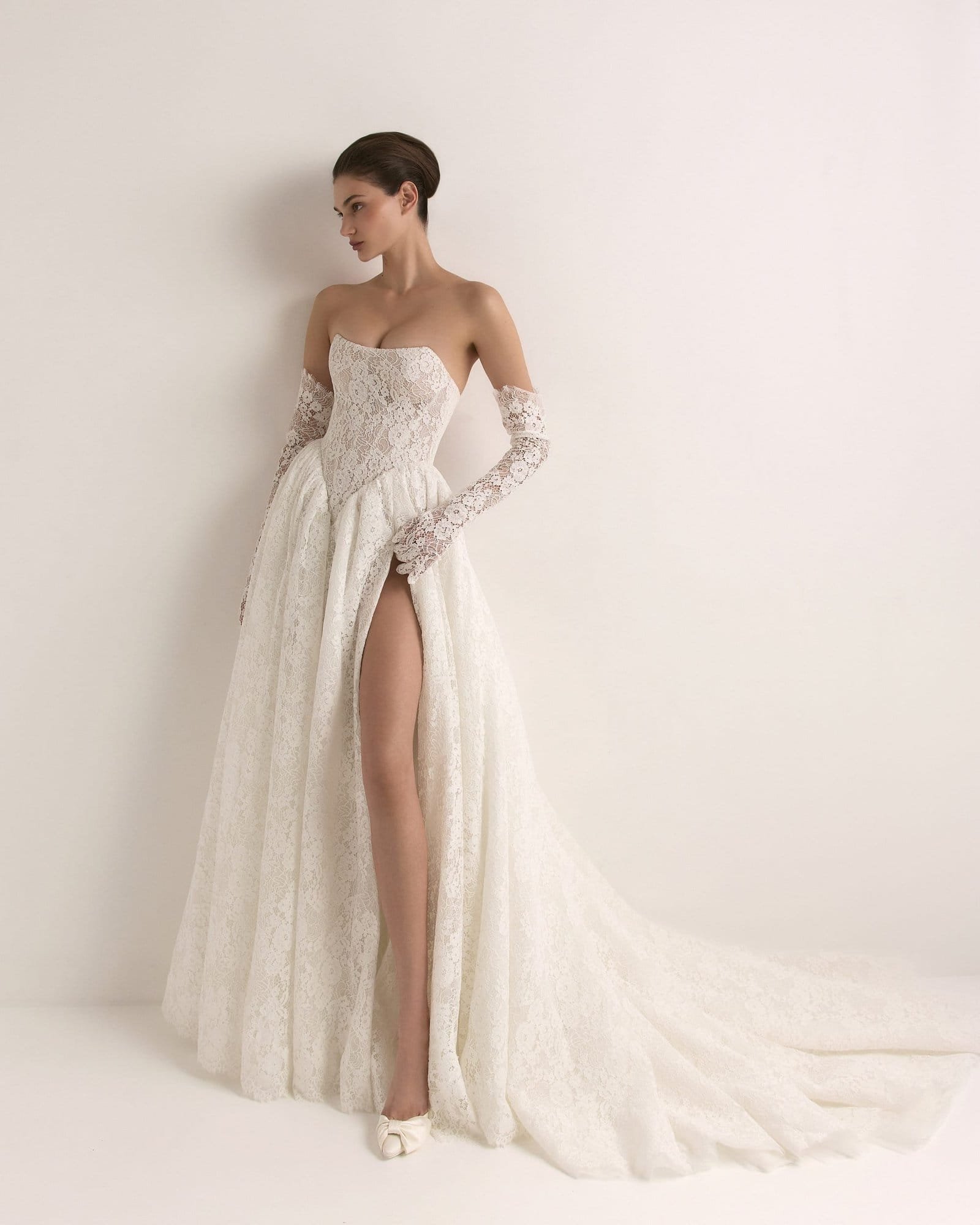
Crystal Edition
Narine
106 470,00 грн

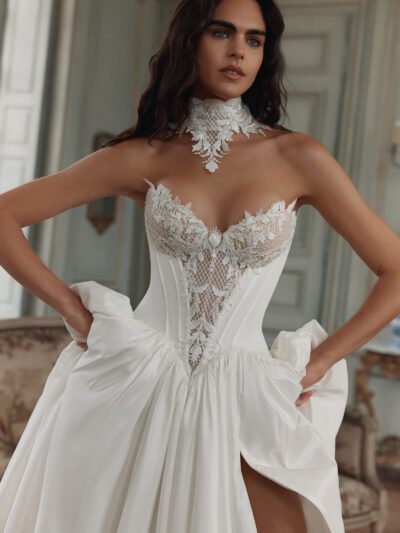
Atelier Heritage Edition
Roxane
168 595,00 грн
 To order
Atelier Heritage Edition
Carat
205 720,00 грн
 To order
Atelier Heritage Edition
Mela
190 870,00 грн
 To order
Atelier Heritage Edition
Prime
193 095,00 грн


Less is More VI
Enzo
76 770,00 грн
 To order
Less is More VI
Lazio
70 335,00 грн
 To order
Less is More VI
Summer
86 670,00 грн
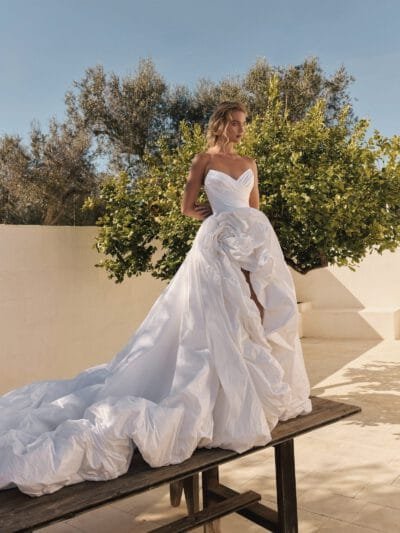 To order
Less is More VI
Meadow
92 115,00 грн
 To order
Less is More VI
Fuego
91 125,00 грн
 To order
Less is More VI
Solene
170 325,00 грн
 To order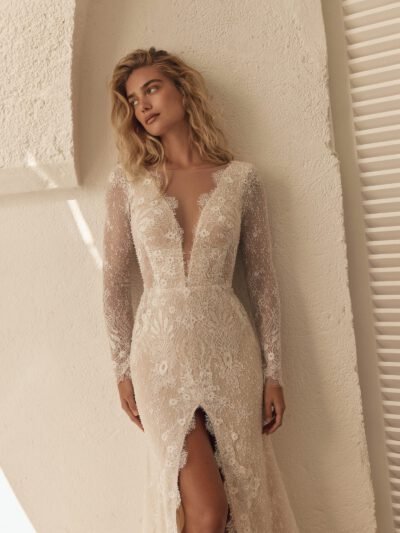
Less is More VI
Meira
90 135,00 грн
 To order
Less is More VI
Ludovica
95 580,00 грн
 To order
Less is More VI
Luca
77 265,00 грн
 To order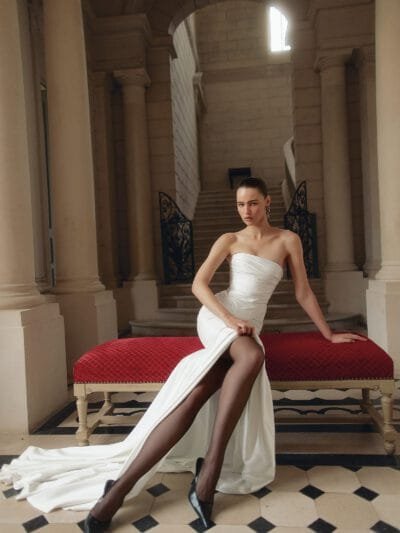
Maison Blanche
Lexi
60 930,00 грн
 To order
Maison Blanche
Charleen
101 520,00 грн
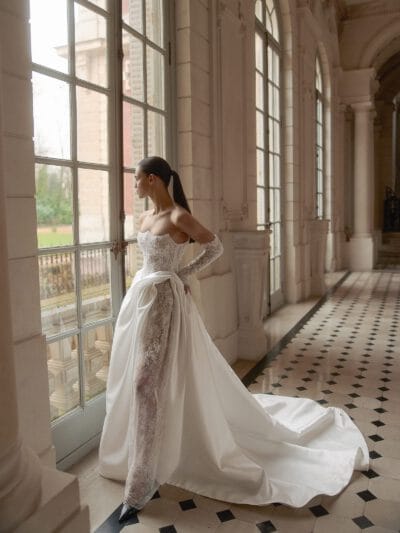
In the mirror, the cut may appear narrow when standing, but its actual openness is revealed when stepping and sitting. The height of the point where the edges diverge is just one parameter. Equally important are the front or side location, the width of the opening and the direction of the seam. Turn both sides to the mirror: the asymmetry of the perspective is especially noticeable when the part is shifted from the center.
IN silhouette case the cut runs along the adjacent plane, in an A-silhouette or ball gown it may be partially covered by the upper layers. On lace the edge interacts with the pattern, the seam line itself is more clearly read on satin or mikado. Examine the lining individually: where the edge ends, whether the opening matches the top layer, and what becomes visible when the fabric separates during movement.
The slit is the opening in the skirt, not the other length of the dress. Asymmetrical division changes the level of the front and back, mini opens the legs all the way down, while the incision works locally. Even in a dress floor length it can only show shoes in a certain step phase. Try on a model with the planned heel height and check how the hem and cut edges meet the shoes.
Take a few usual steps, a wider step, turn and sit on a chair; if the event involves stairs, climb at least one step. This is not a test of the promised freedom of movement, but a test of the real openness and behavior of the layers. Record videos from the front and side without adjusting the skirt between movements. At the fitting in CRYSTAL, compare two cuts of the same declared height - the cut, lining and fabric can show the leg completely differently.