






Wedding and evening dresses without sleeves
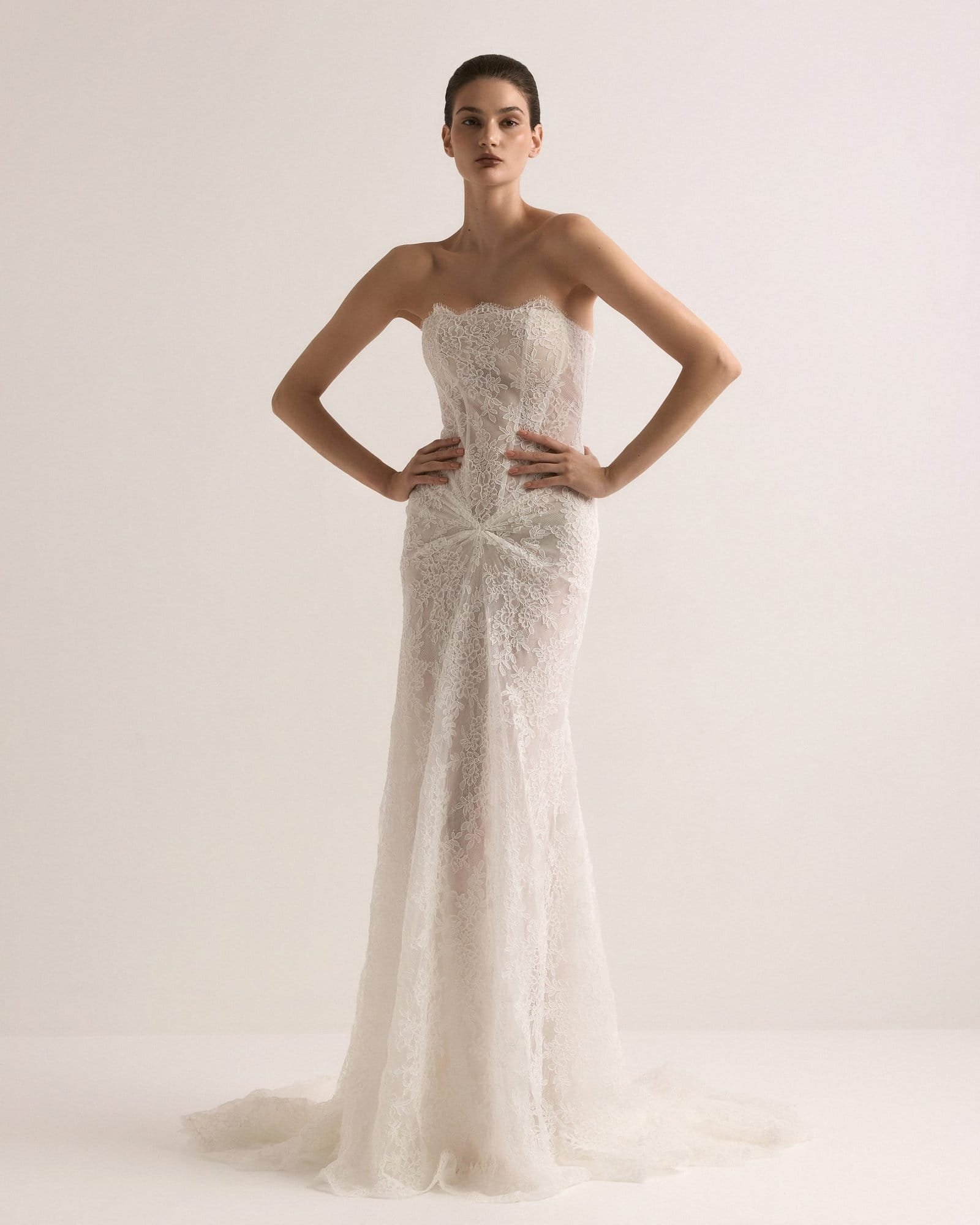
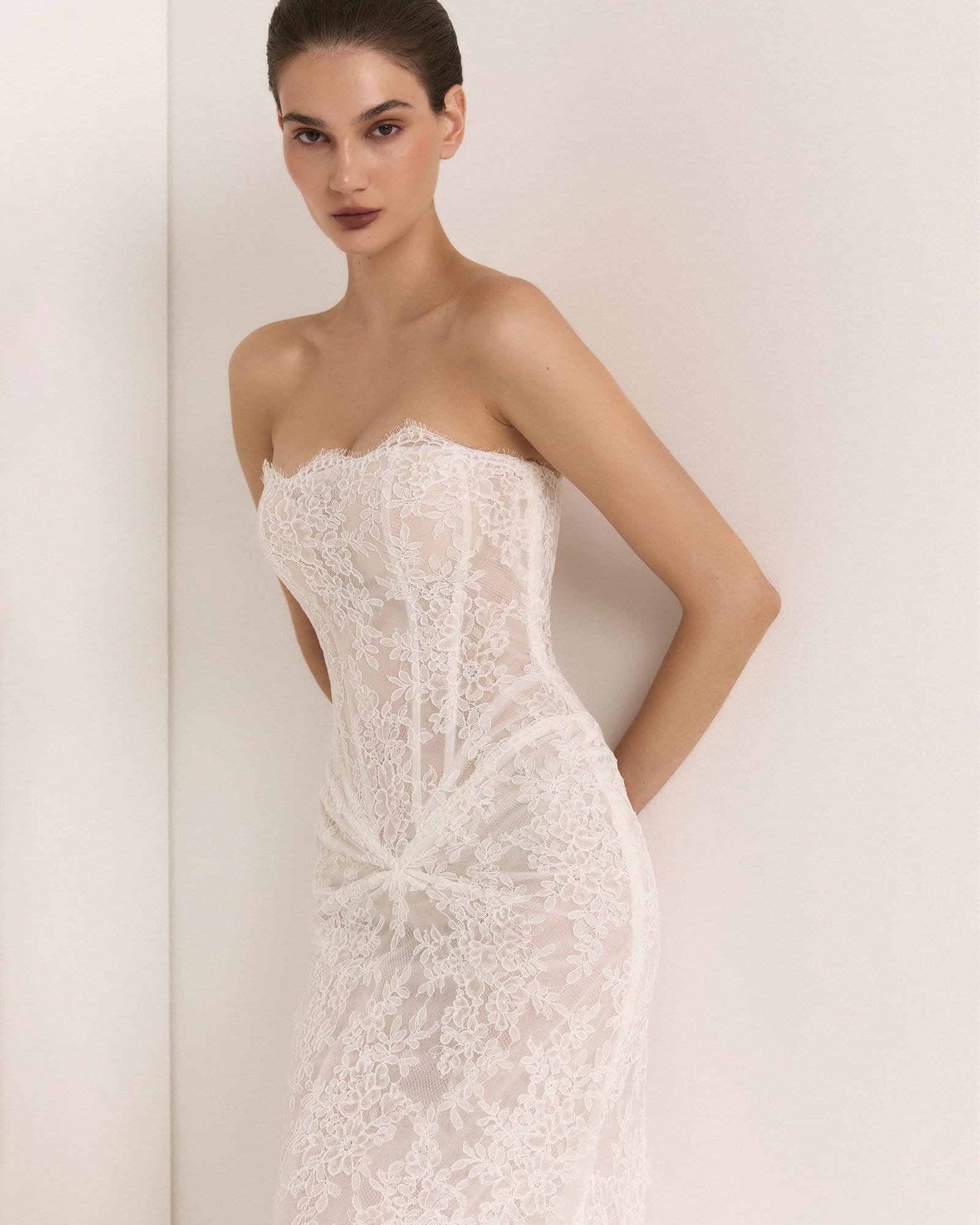
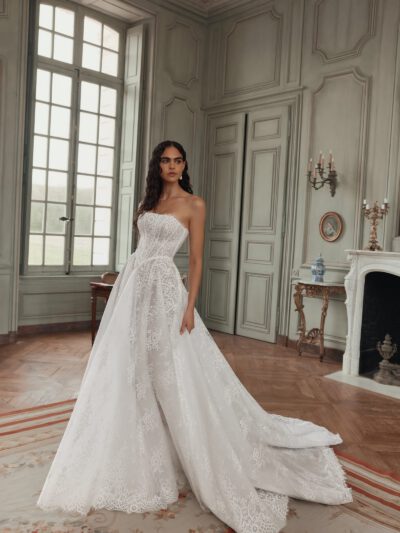
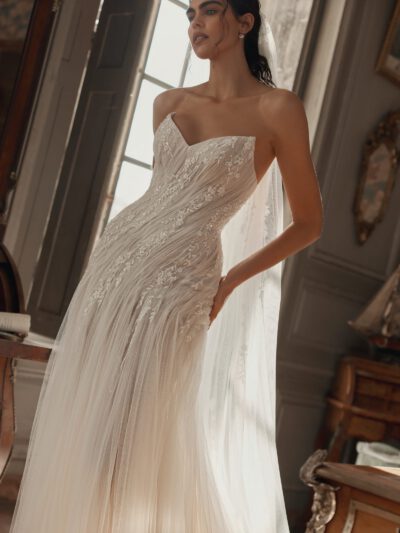
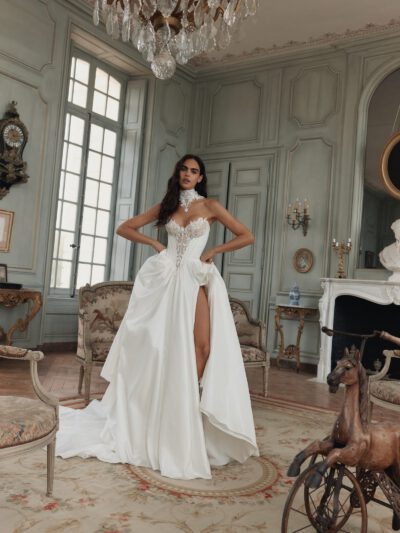
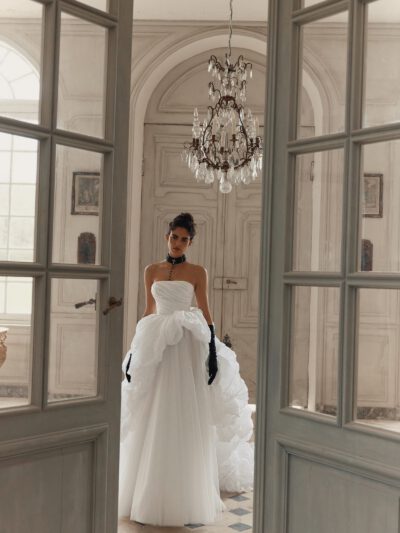
"Sleeveless" just means the absence of a sleeve: the dress can have wide or thin straps, a closed neck or be strapless. At the fitting, check the edge of the armhole, the side area and the underwear in front, profile and from the back, as well as the behavior of the bodice during the movement of the arms.
715 model
Crystal Edition
Silenne
166 365,00 грн
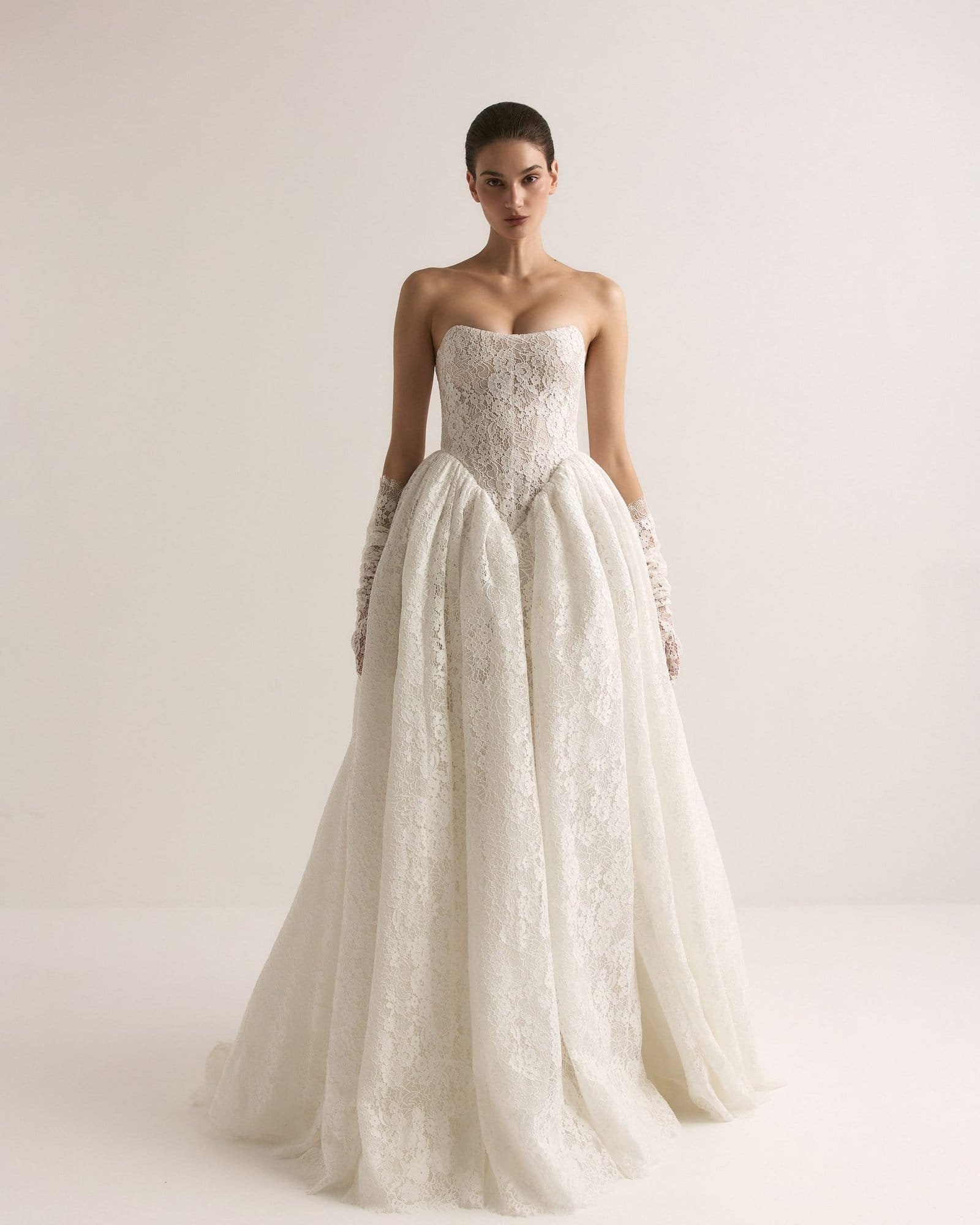
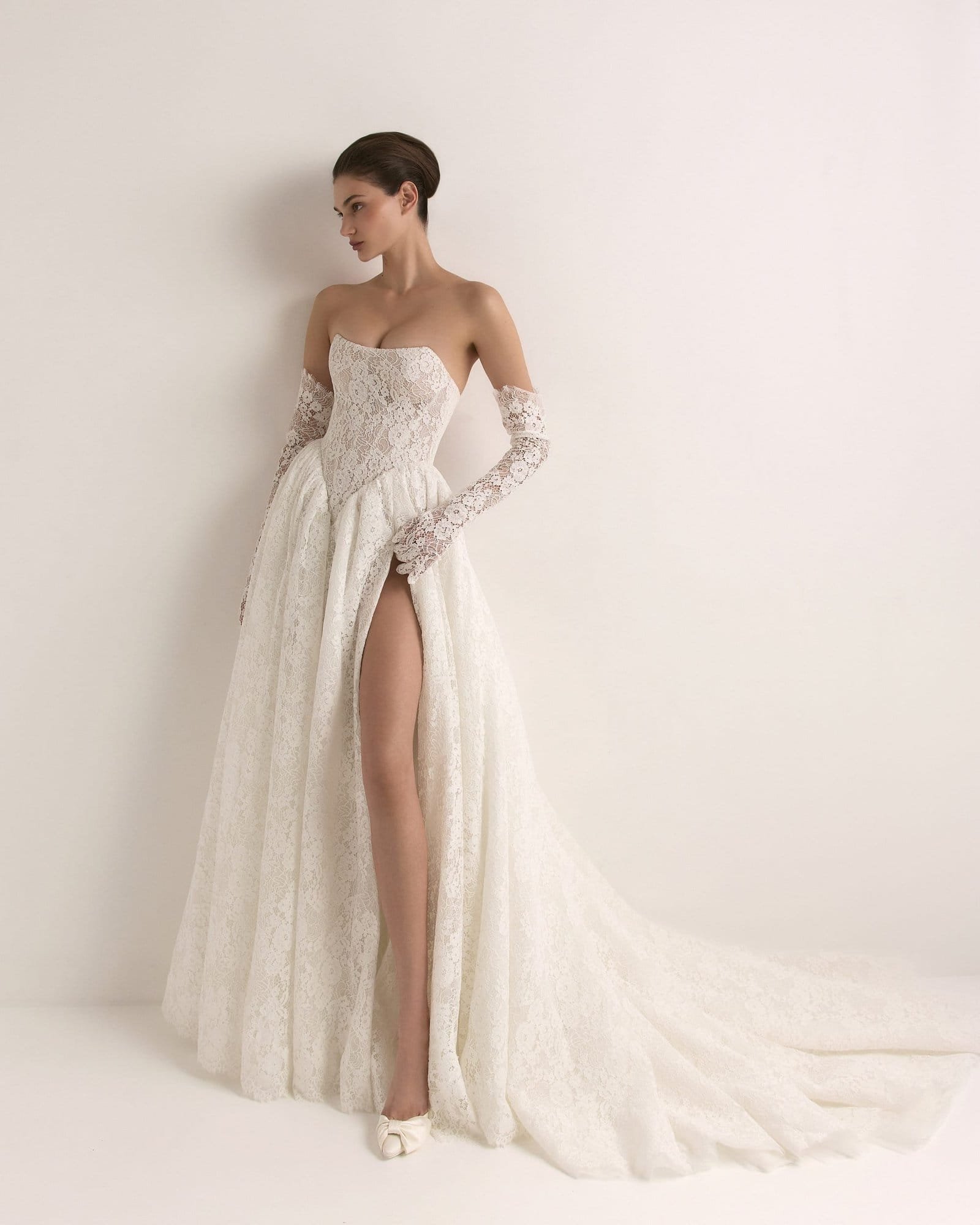
Crystal Edition
Narine
106 470,00 грн
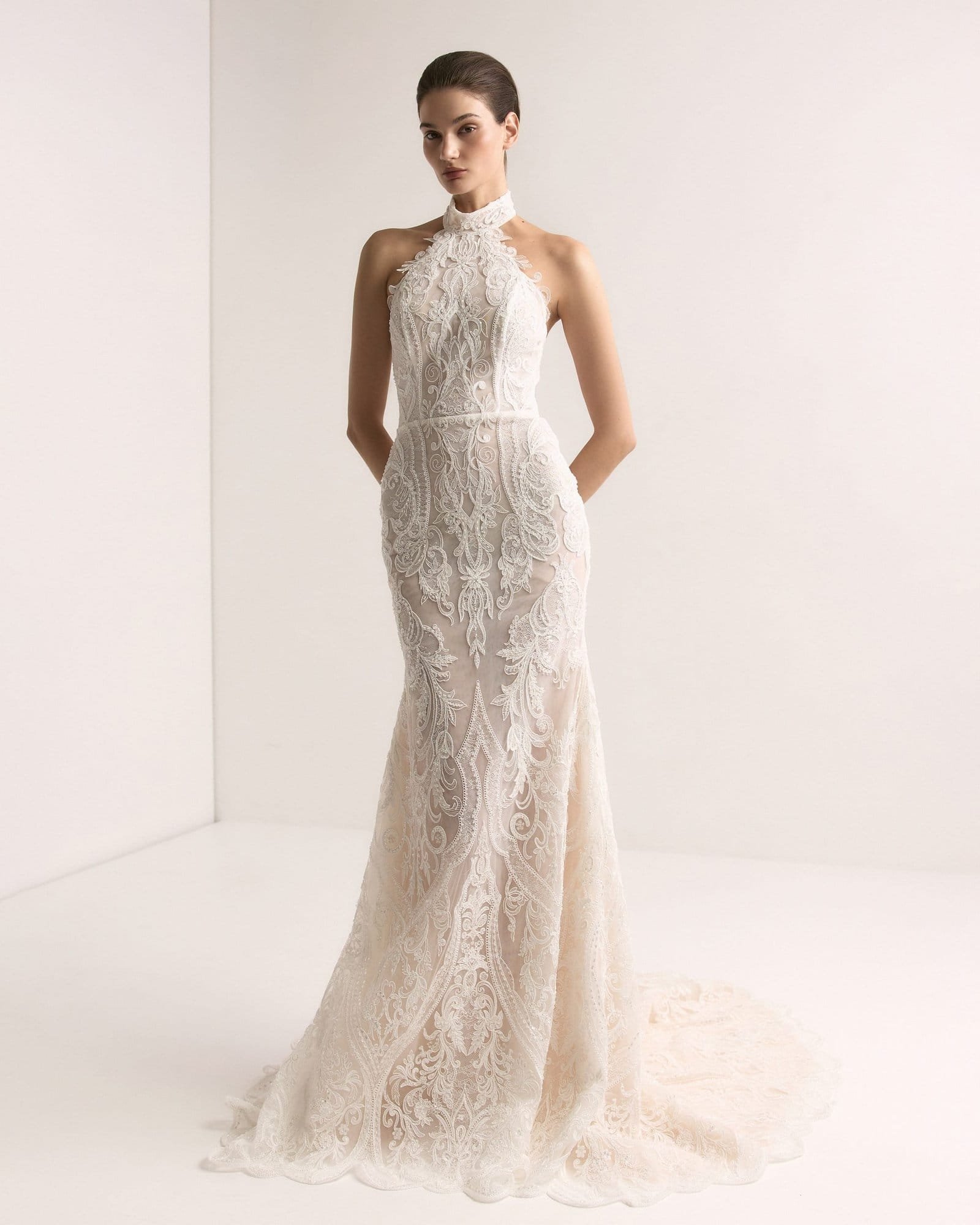
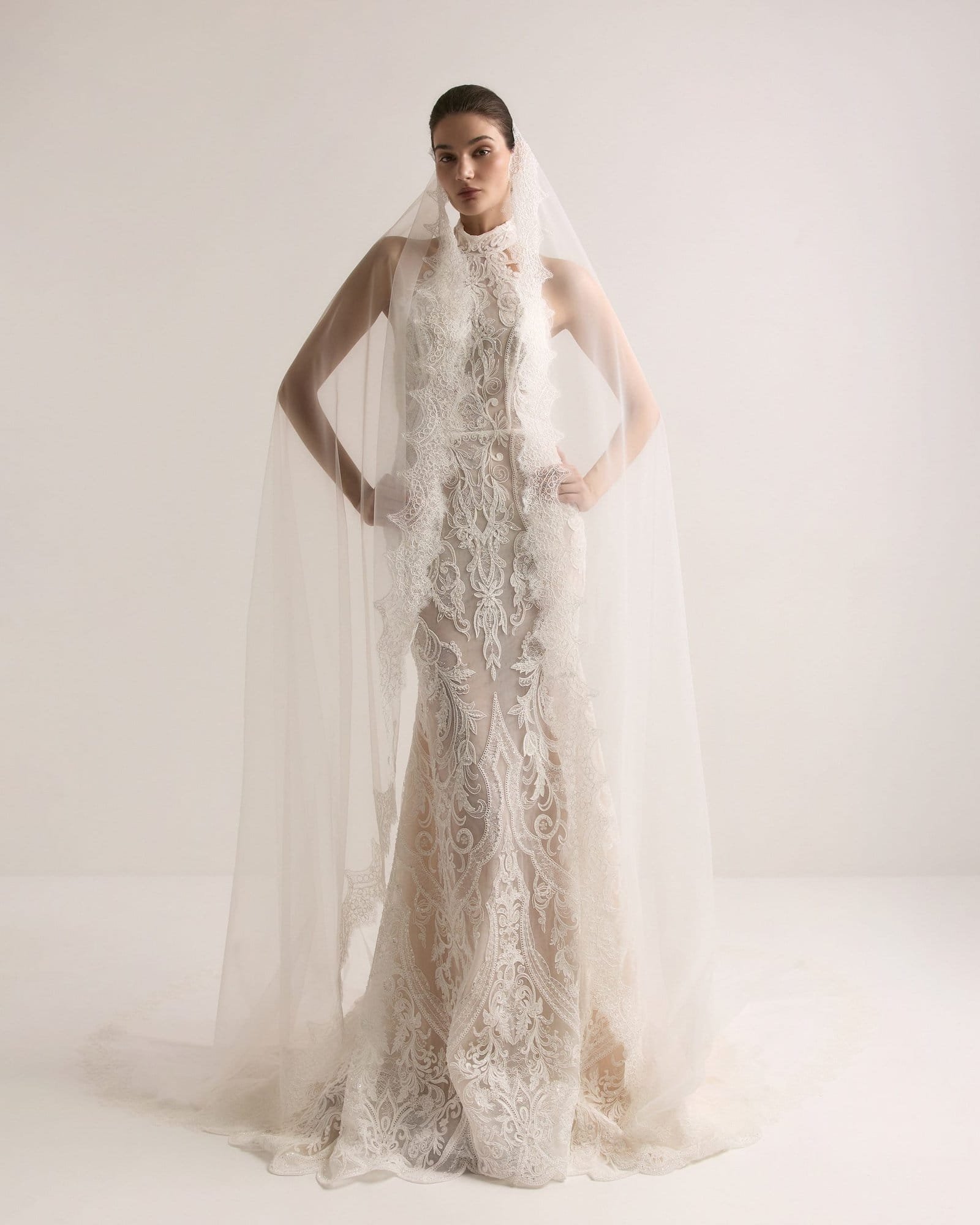
Crystal Edition
Lysenne
93 600,00 грн
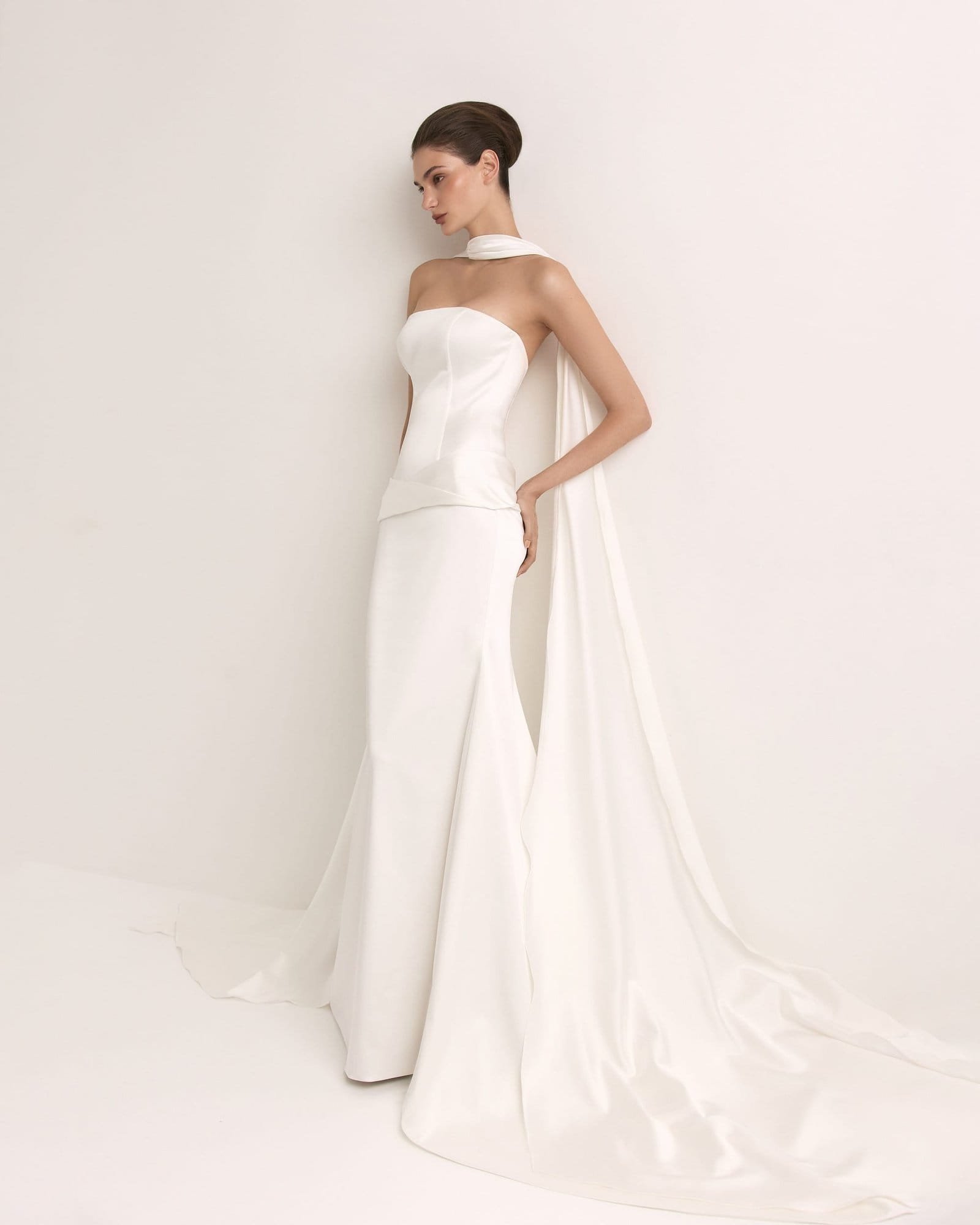
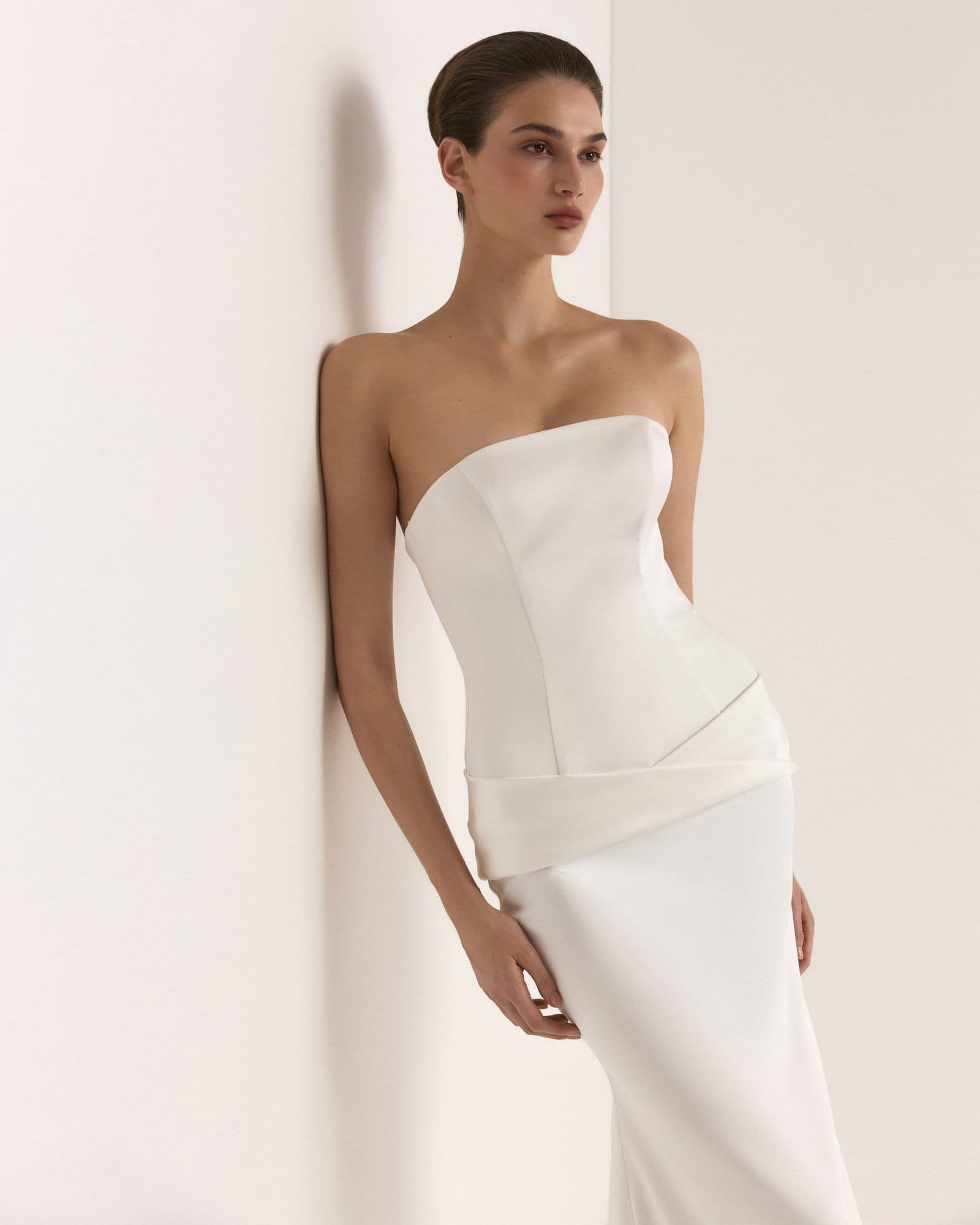
Crystal Edition
Elan
64 890,00 грн
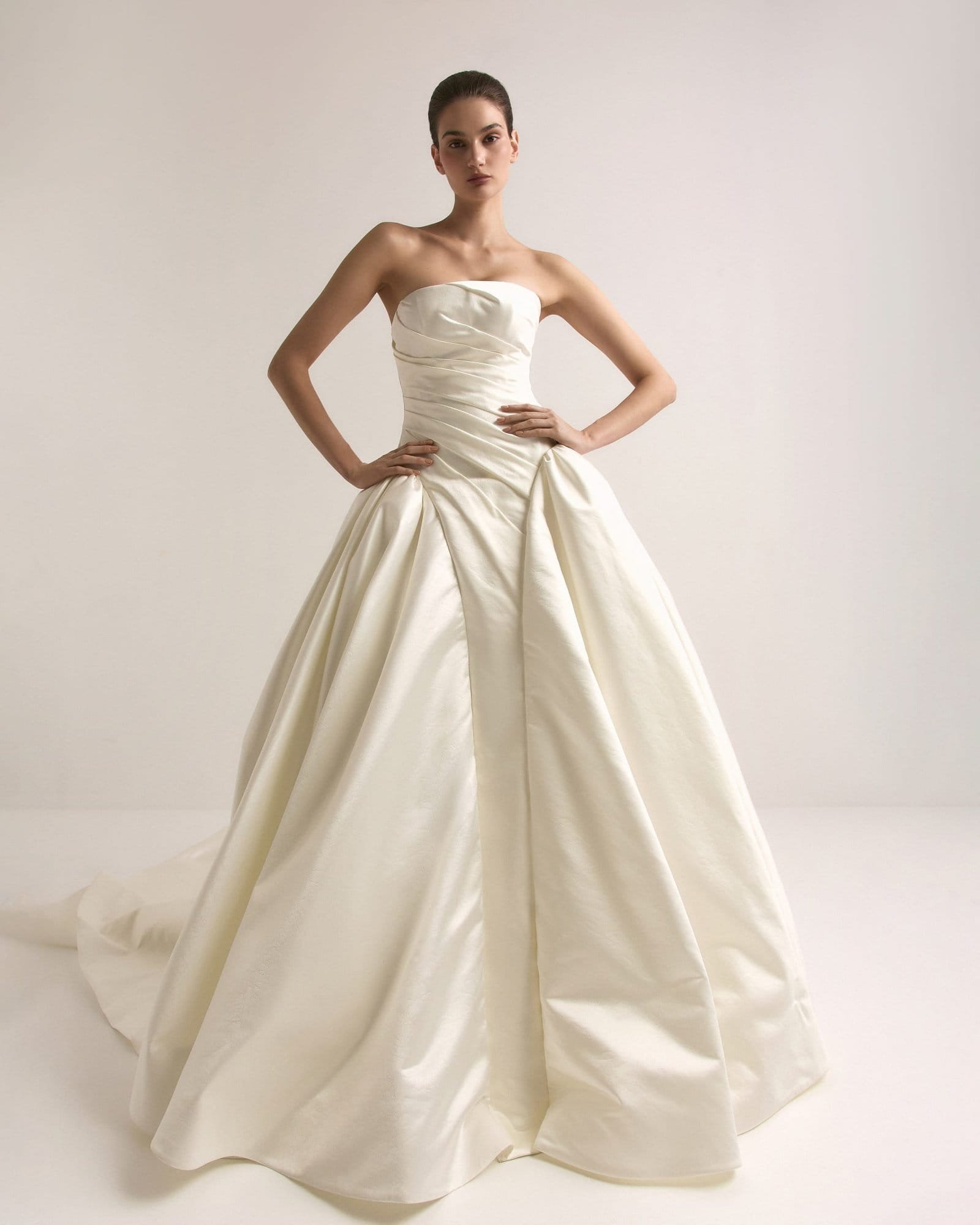
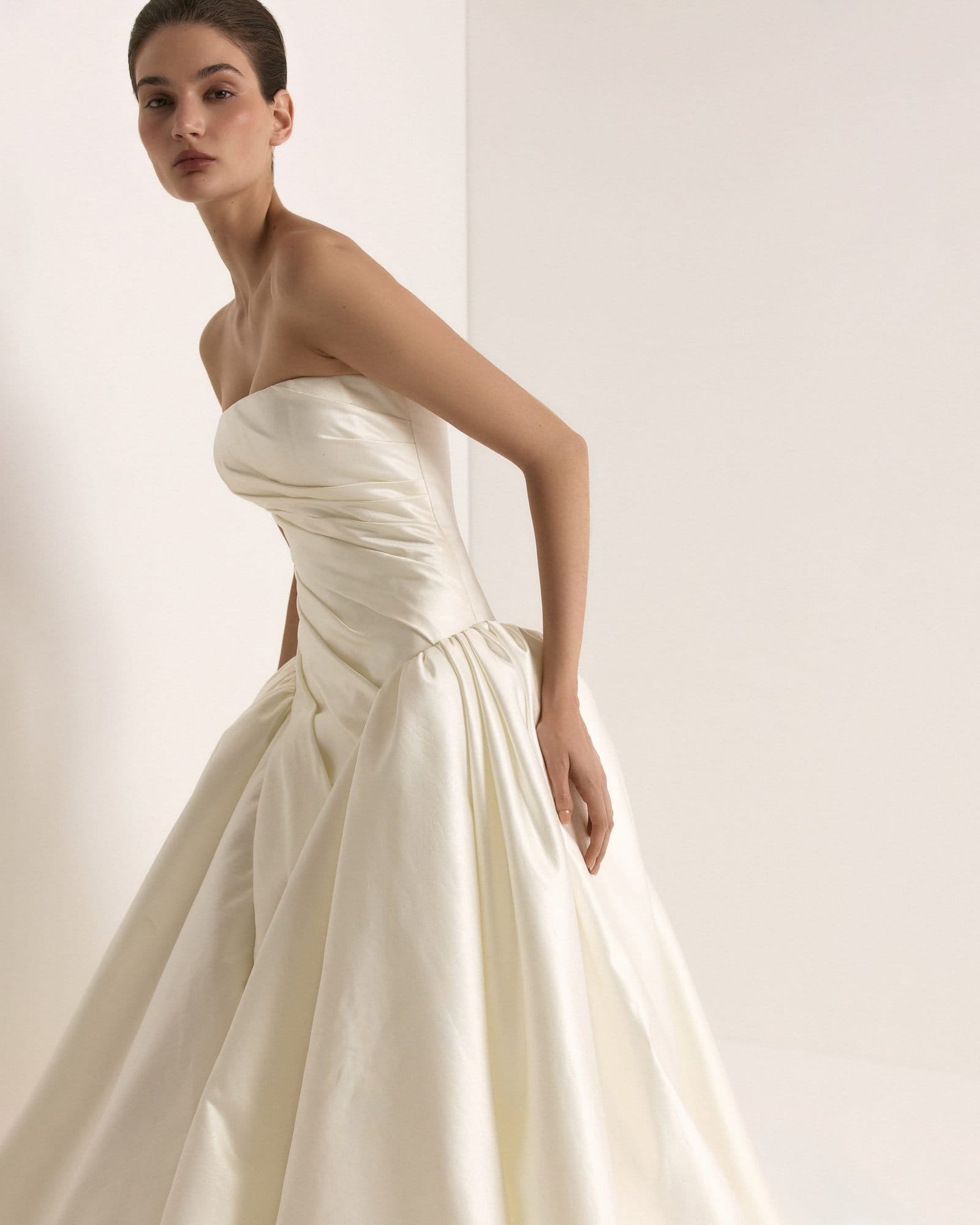
Crystal Edition
Celeste
84 195,00 грн
 To order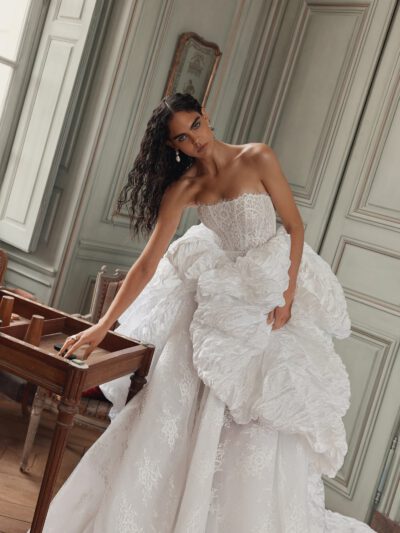
Atelier Heritage Edition
Overture
227 995,00 грн

Atelier Heritage Edition
Dacor
179 730,00 грн
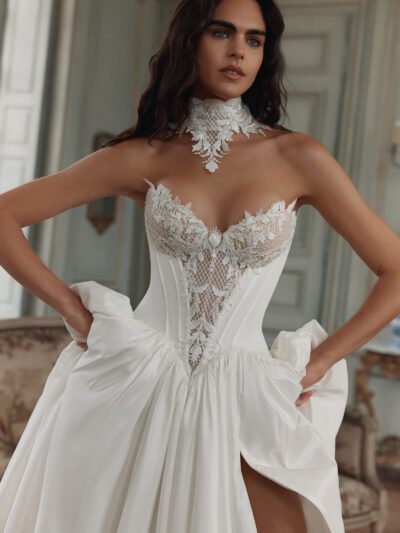
Atelier Heritage Edition
Roxane
168 595,00 грн
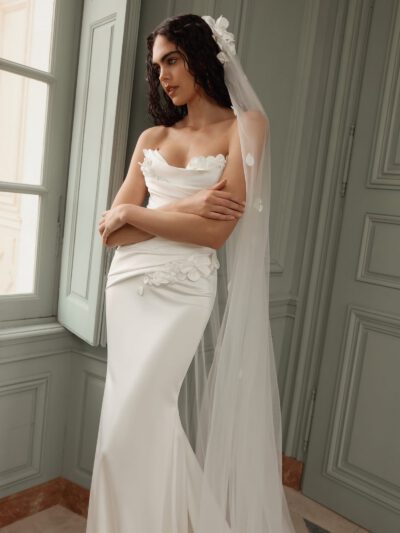 To order
Atelier Heritage Edition
Velare
121 075,00 грн
 To order
Atelier Heritage Edition
Trophee
132 210,00 грн
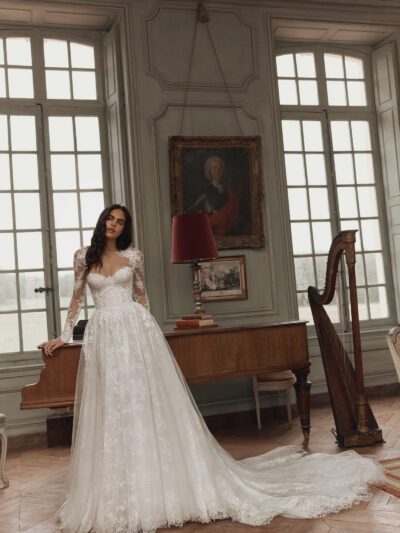 To order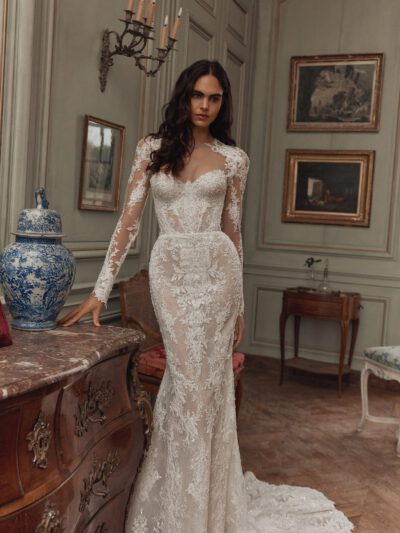
Atelier Heritage Edition
Renoar
311 155,00 грн
 To order
Atelier Heritage Edition
Eterno
184 930,00 грн
 To order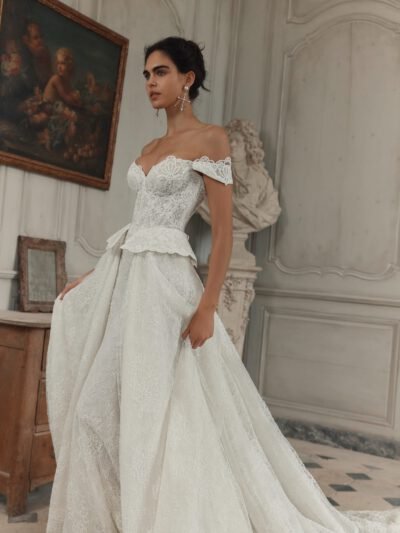
Atelier Heritage Edition
Nolen
243 585,00 грн
 To order
Atelier Heritage Edition
Erve
192 355,00 грн
 To order
Atelier Heritage Edition
Carat
205 720,00 грн
 To order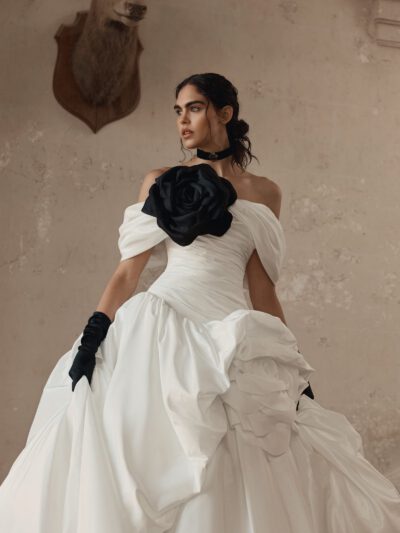
Atelier Heritage Edition
Arcane
160 425,00 грн
Start the inspection not from the shoulder, but from the edge of the armhole. It is he who shows where the bodice ends and what part of the side area remains open. The "sleeveless" label indicates only the absence of a sleeve; it does not describe the neckline, shoulder width, bodice construction, support or feel when worn.
Strapless dress is an option, but not a synonym. Straps connect the front and back parts of the bodice over the shoulder, and thin straps make this line narrower. A model with a high neck or halter can be sleeveless. Therefore, compare not the name, but the actual contour from the neckline to the armhole and back.
In the face, see where the edge of the armhole passes relative to the linen. In profile, check the side area under the arm, and from the back - how the armhole transitions into a strap or hem open back. Raise your arms, reach forward and turn your body: see if the edge of the bodice moves, which becomes visible from the side, and how the fabric gathers at the armhole. It's a test of a specific cut, not a promise of freedom of movement or coolness.
Detachable sleeves can change the contour of the shoulder and arm, but their presence, method of attachment and completeness must be confirmed by the model card. Do not assume that any sleeveless dress can be supplemented with such an element. On samples in CRYSTAL take a photo from the front, side and back with the chosen underwear, and then repeat the hand movements without adjusting the bodice.