



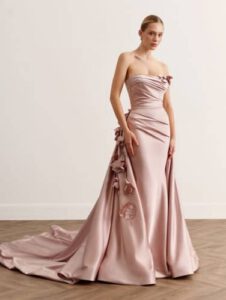
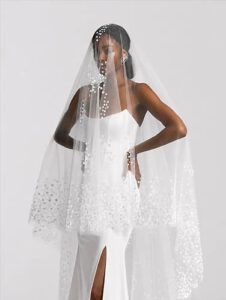







Wedding and evening dresses with straps
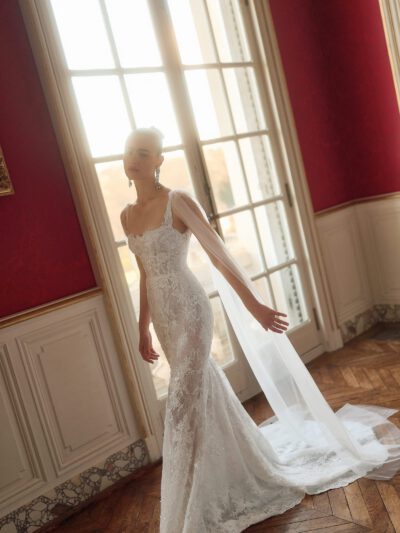
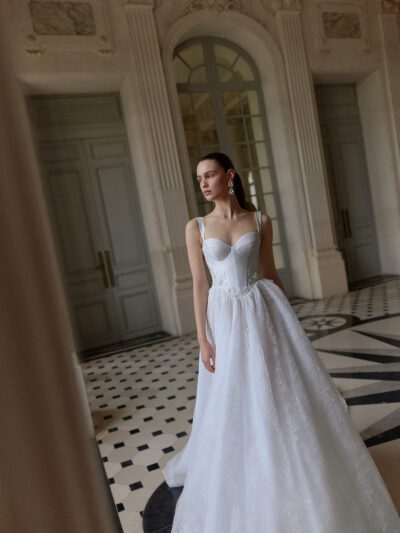
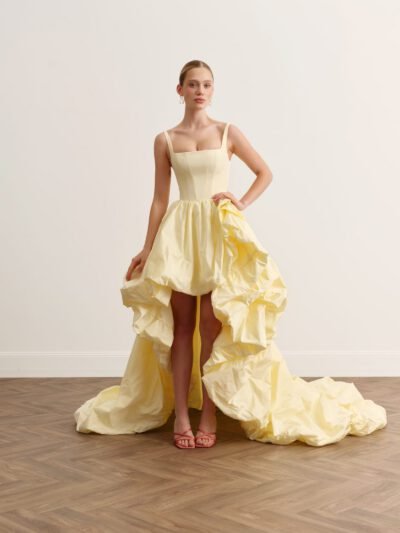
The straps connect the front of the bodice to the back over the shoulder, but vary in width, shape and placement. Check the symmetry of the joints, position on the shoulders, visibility of underwear and displacement during movement; adjustment, support or fixation should not be defined by the name of this part alone.
207 model
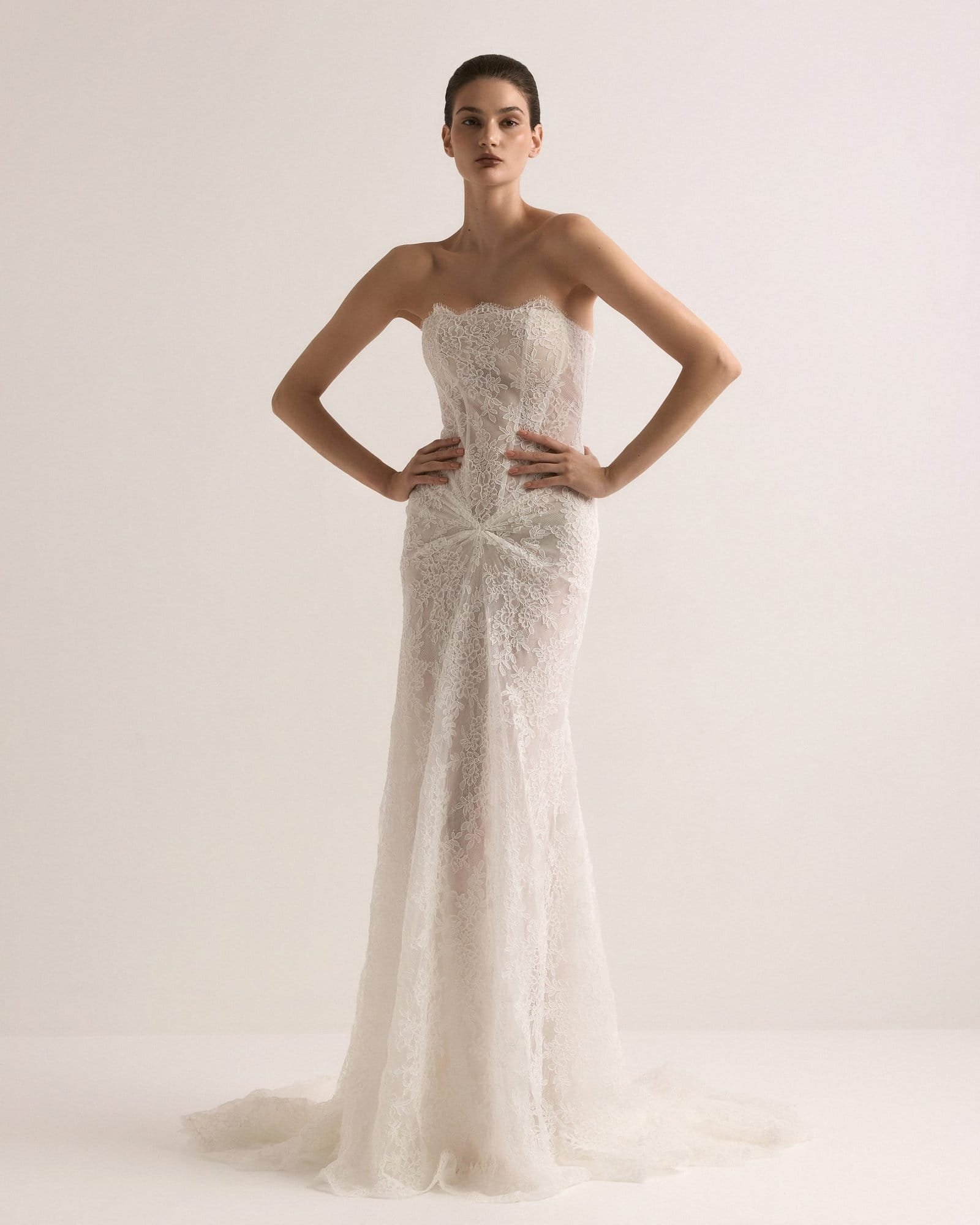
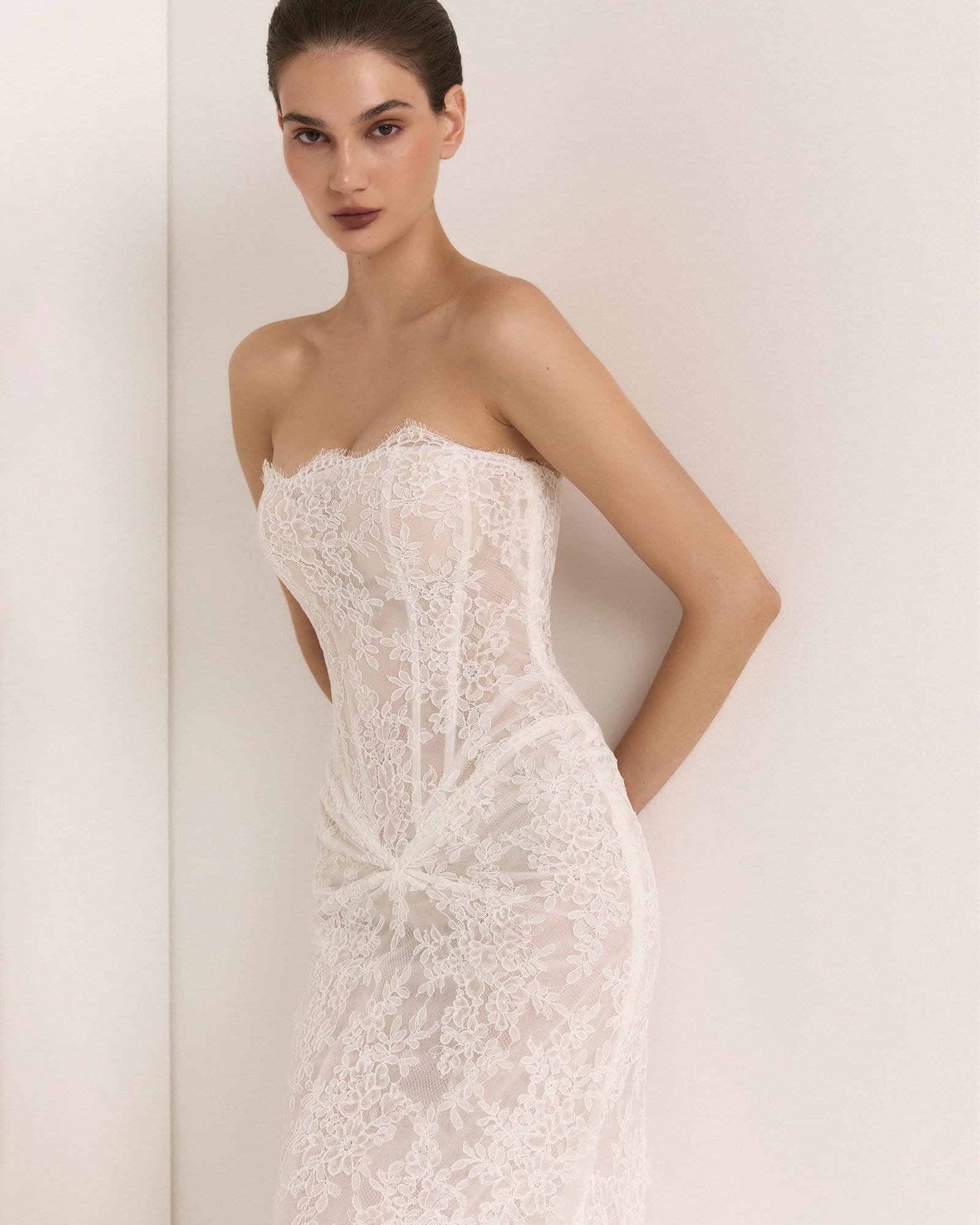
Crystal Edition
Silenne
166 365,00 грн
 To order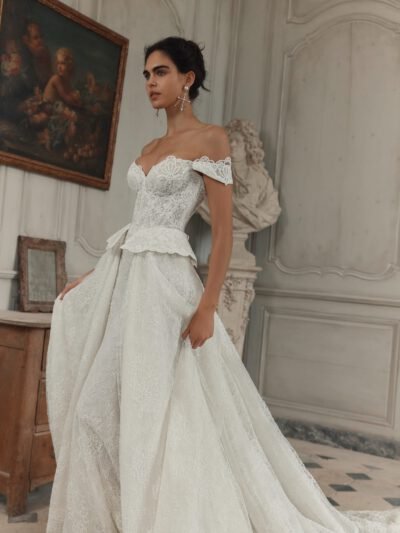
Atelier Heritage Edition
Nolen
243 585,00 грн
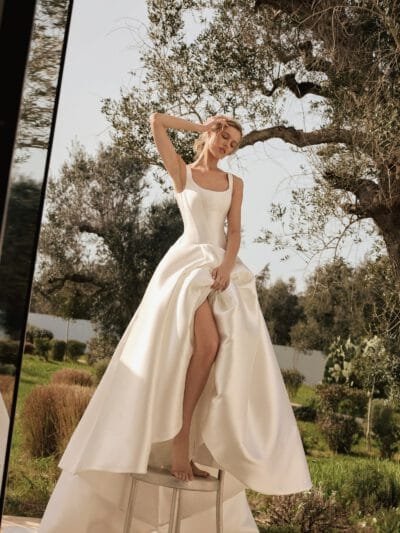 To order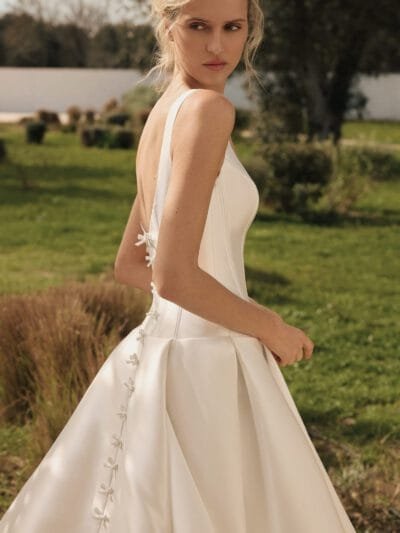
Less is More VI
Bonn
77 265,00 грн

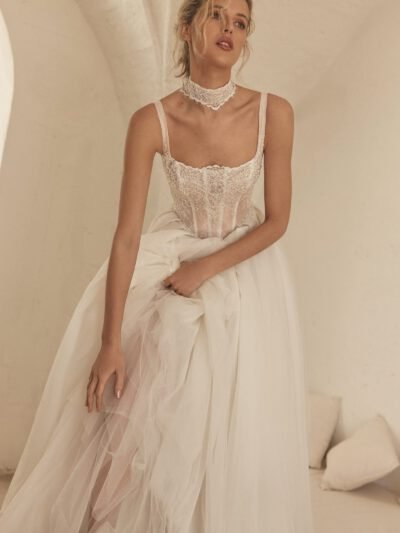
Less is More VI
Kirel
86 670,00 грн
 To order
Maison Blanche
Orlando
103 500,00 грн
 To order
Maison Blanche
Ondine
103 005,00 грн
 To order
Maison Blanche
Nico
79 740,00 грн
 To order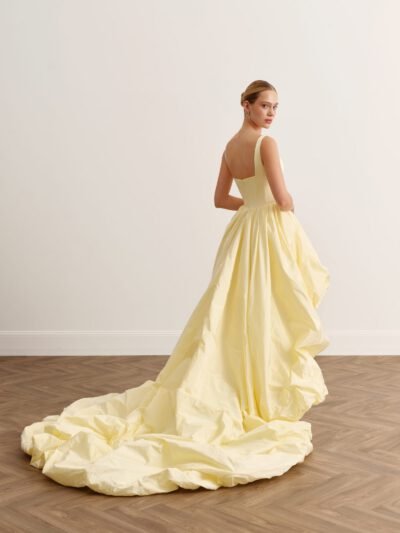
Wona Evening 2026
26106
74 365,00 грн
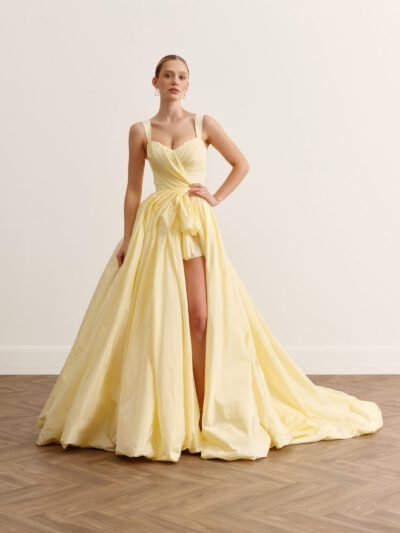 To order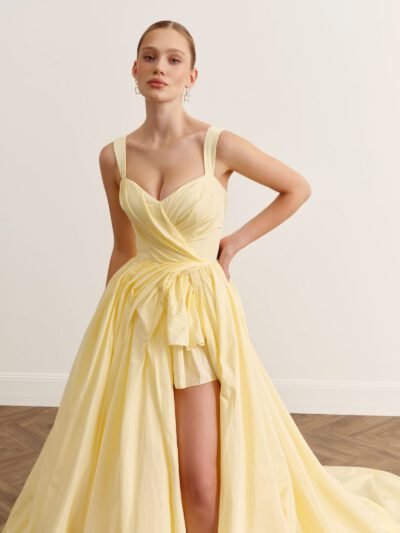
Wona Evening 2026
26103
59 850,00 грн
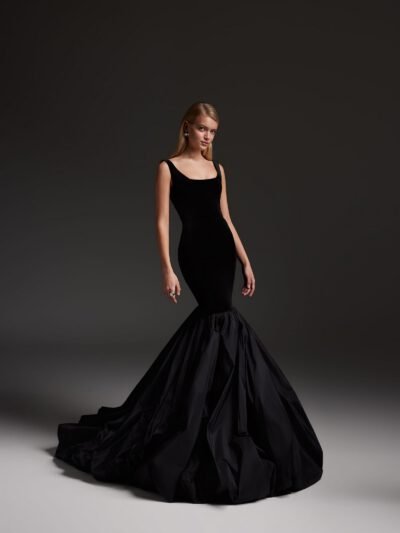
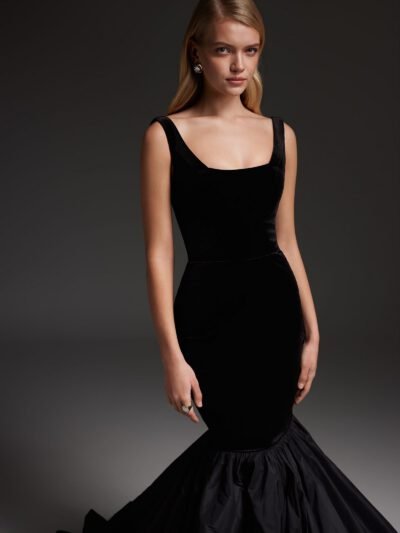
WONA Evening 2027
2701
43 315,00 грн
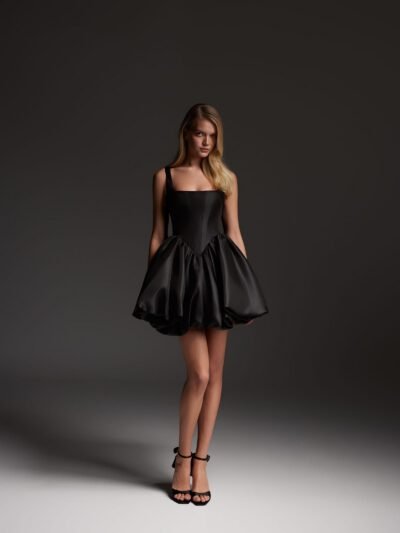
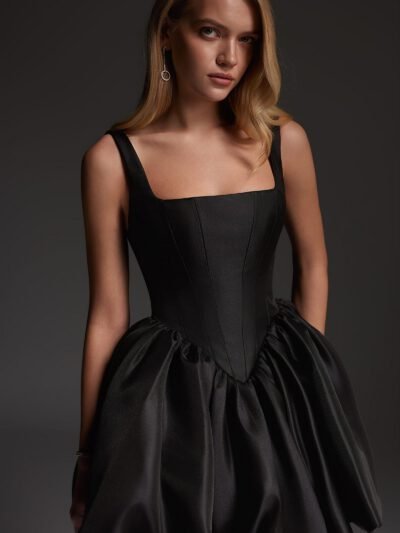
WONA Evening 2027
2713
38 590,00 грн
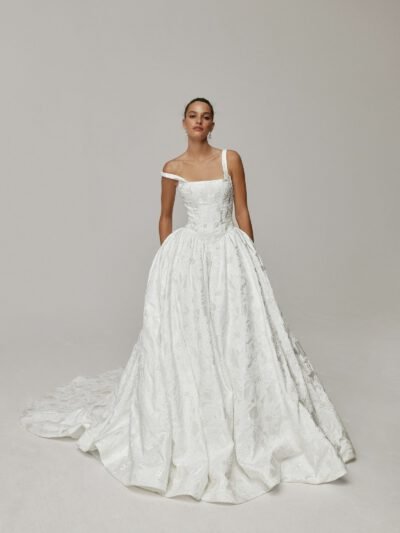 To order
White Edit
Horizon
113 895,00 грн
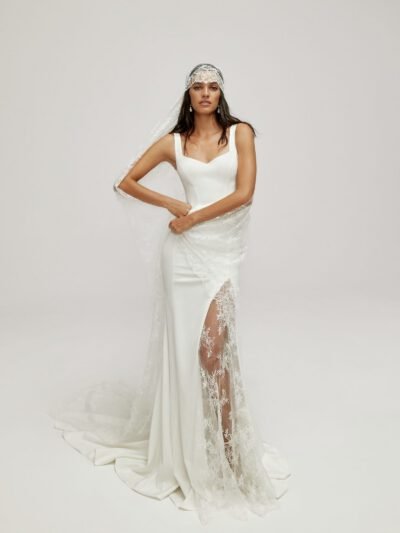 To order
White Edit
Runa
54 990,00 грн
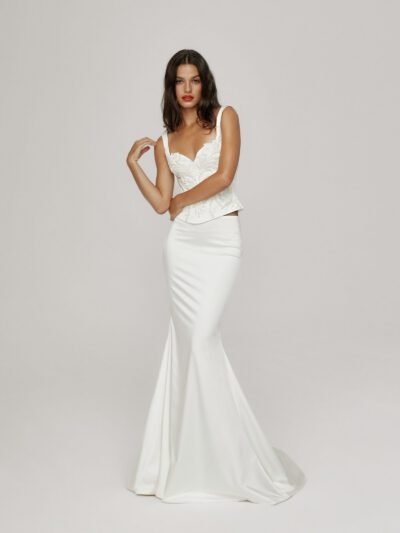 To order
White Edit
Millenium
59 940,00 грн
 To order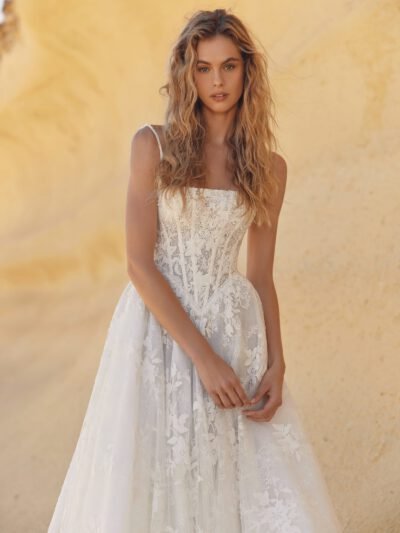
Sirenity
Illume
108 450,00 грн
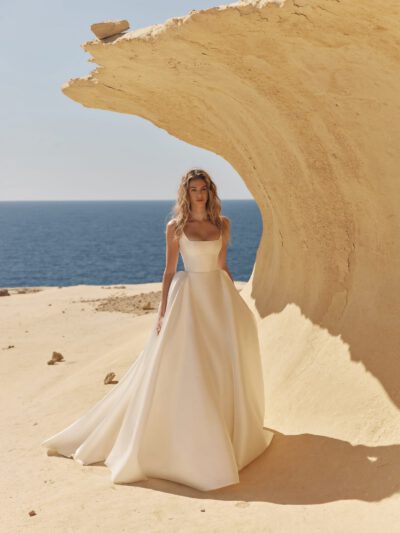
Sirenity
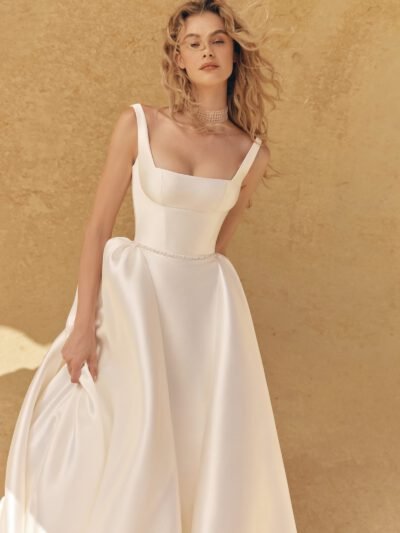
Malta
67 365,00 грн
Look at the back of the dress: this is where you can clearly see how the strap comes out of the bodice, at what angle it goes over the shoulder and where it joins the back. Such a detail connects the front and back of the top, but can be straight, curved, wide or decorated. The name itself does not tell whether its length is adjustable and what role it plays in the design of a particular model.
Regular straps are not the same thin straps: in the latter, the main feature is a narrow line. IN strapless dresses there is no shoulder joint, and halter directs the edges of the bodice to the neck. At the same time, the model with straps can belong to a wider group sleeveless dresses, because these marks describe different elements of the cut.
In the face, compare the height of both points of attachment to the bodice. In profile, trace whether the strap lies in the center of the shoulder, and from the back, whether it symmetrically enters the edge of the back. If buckles, loops, buttons or ties are visible, check the available adjustment range; in the absence of such details, do not assume it. Try on the planned underwear and evaluate whether its edges do not come out from under the straps, armholes or open back.
Raise your hands, reach forward, sit down and turn your body. Observe whether the strap twists, shifts toward the neck or edge of the shoulder, and changes the position of the joints. This is a fit test of a particular dress, not a guarantee of support. At the fitting in CRYSTAL, take photos from the front, side and back before and after movement - this way it is easier to notice asymmetry without constantly correcting details.