




Modern wedding and evening dresses
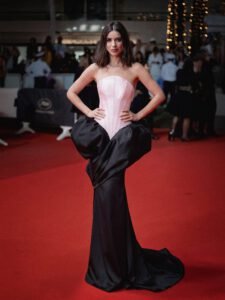
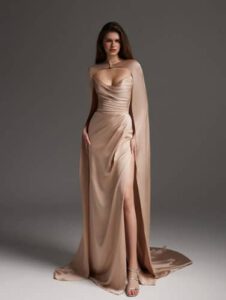
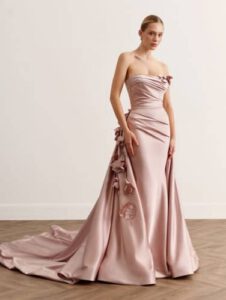
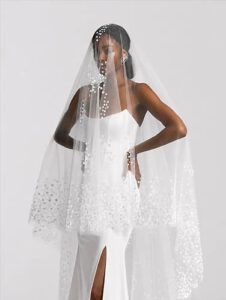
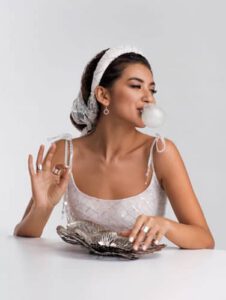
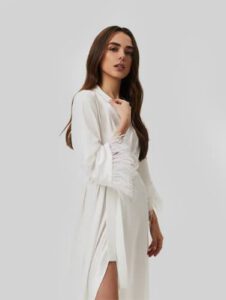
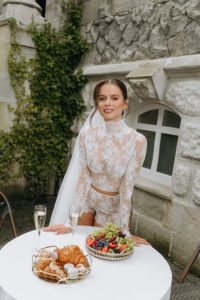
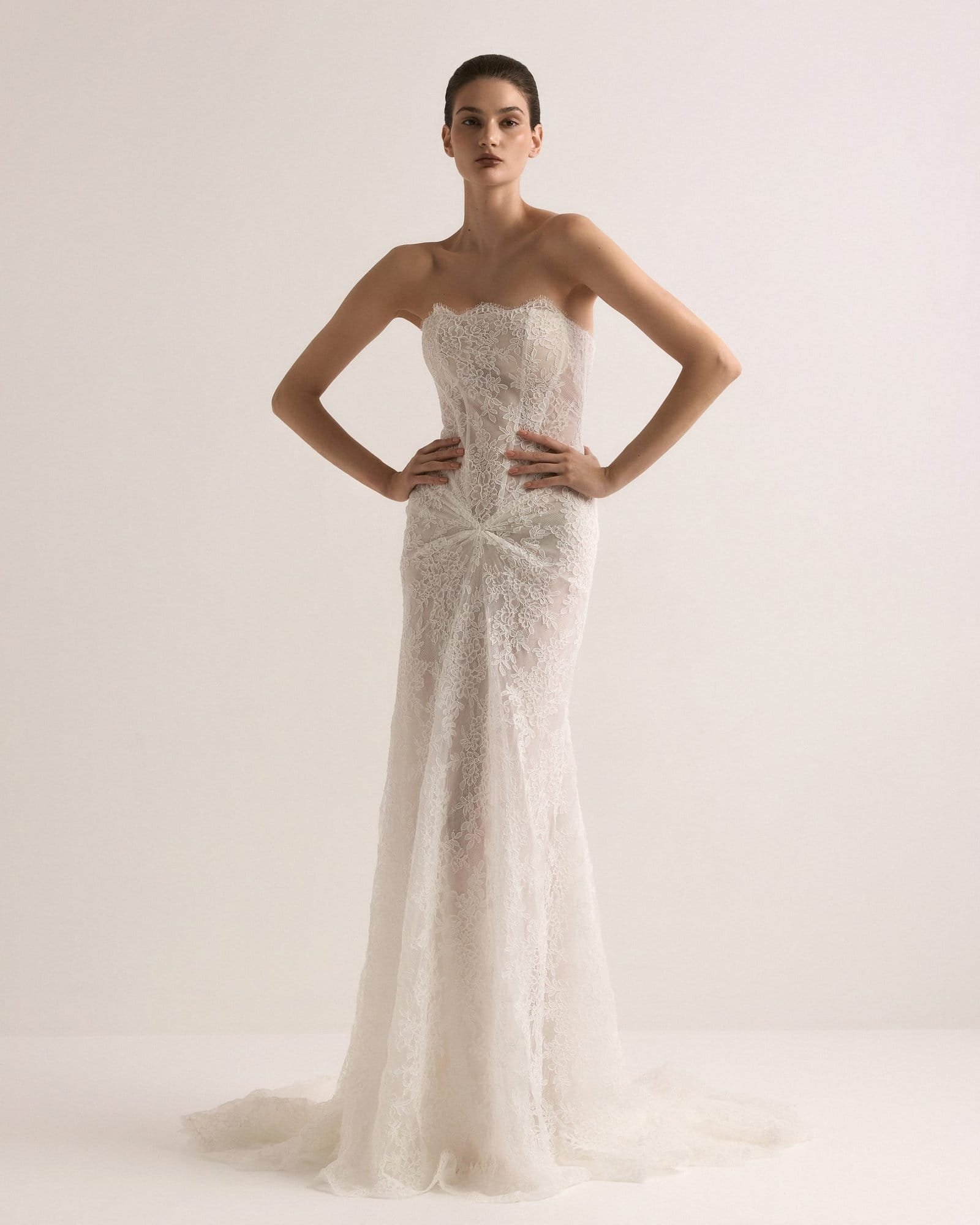
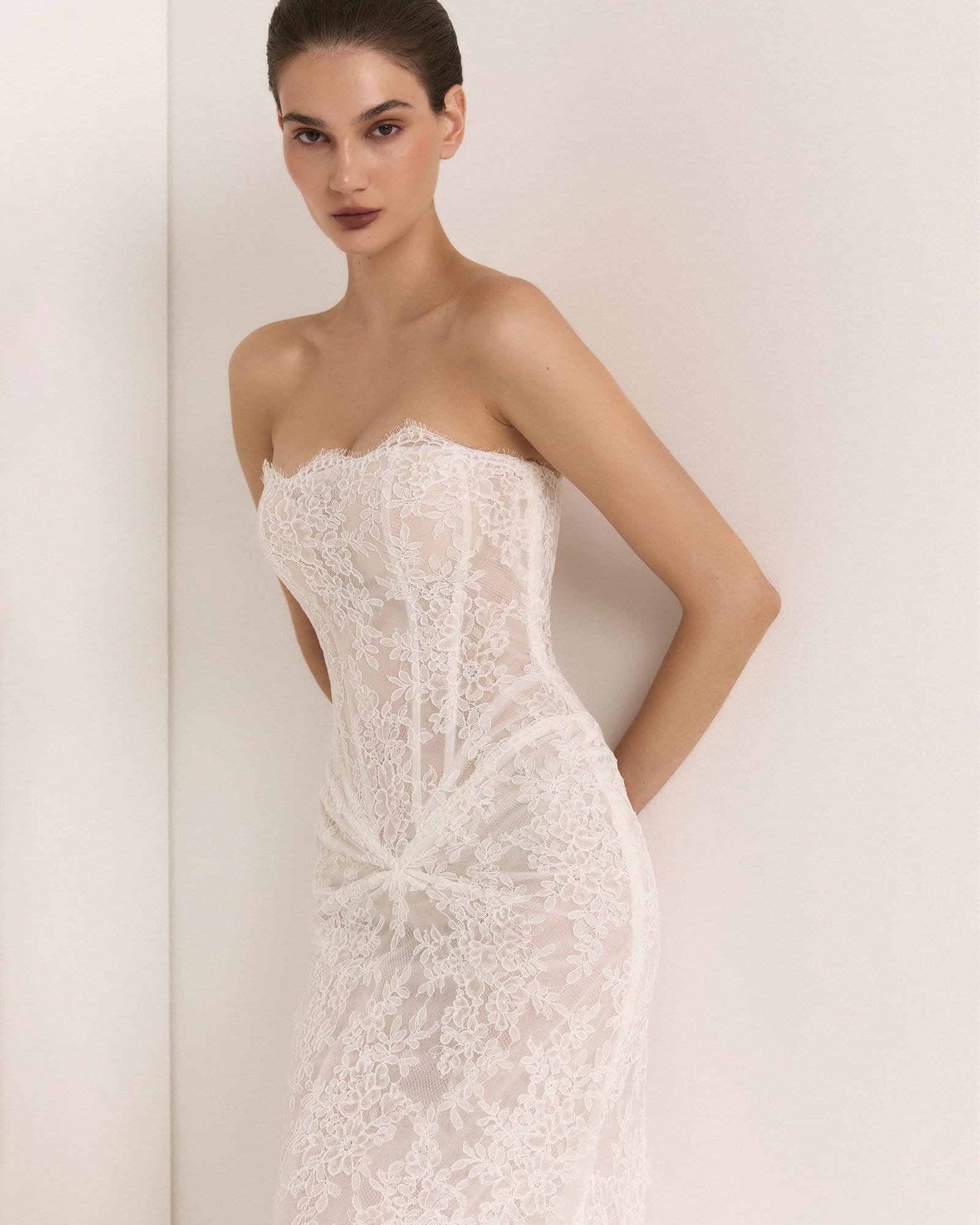
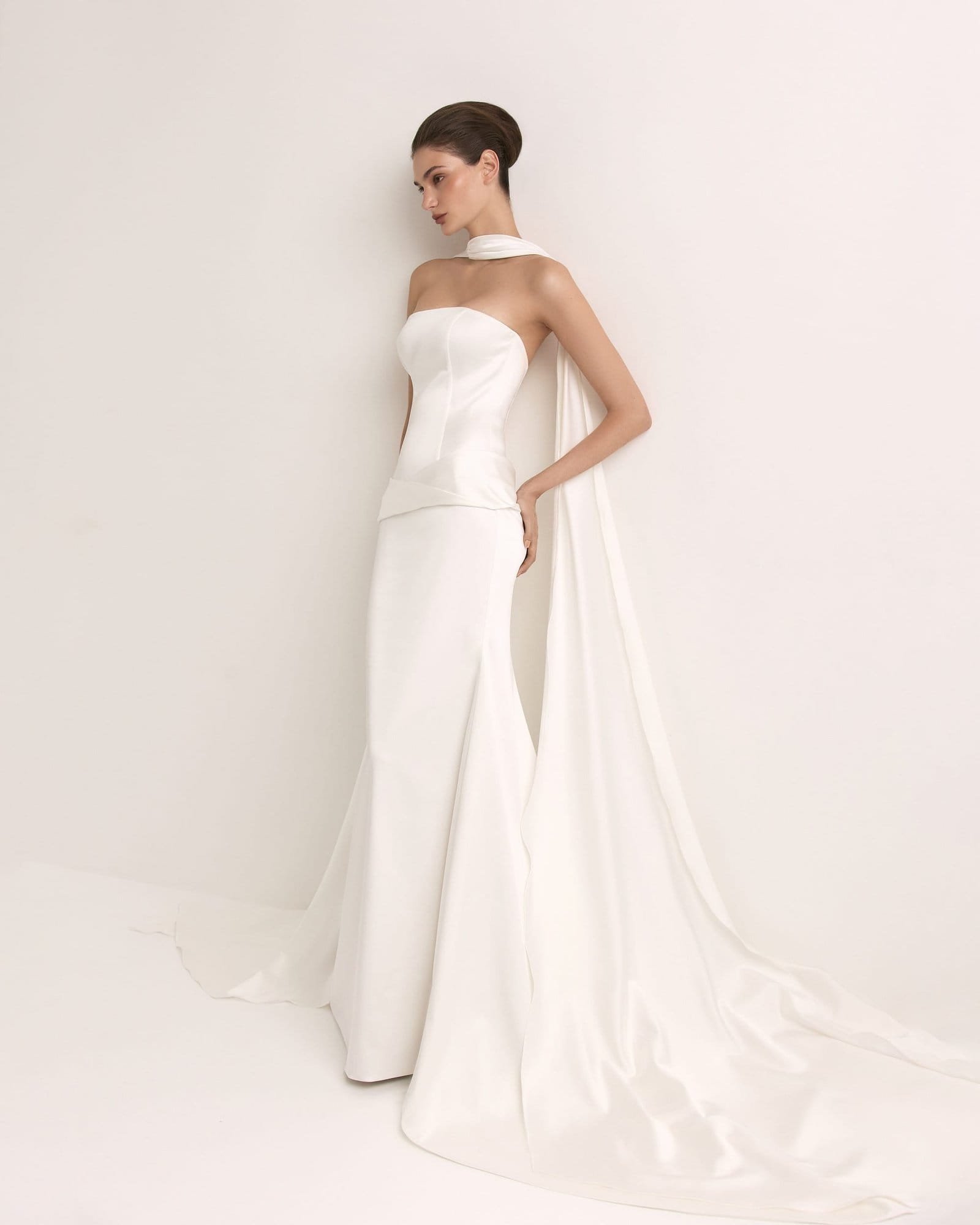
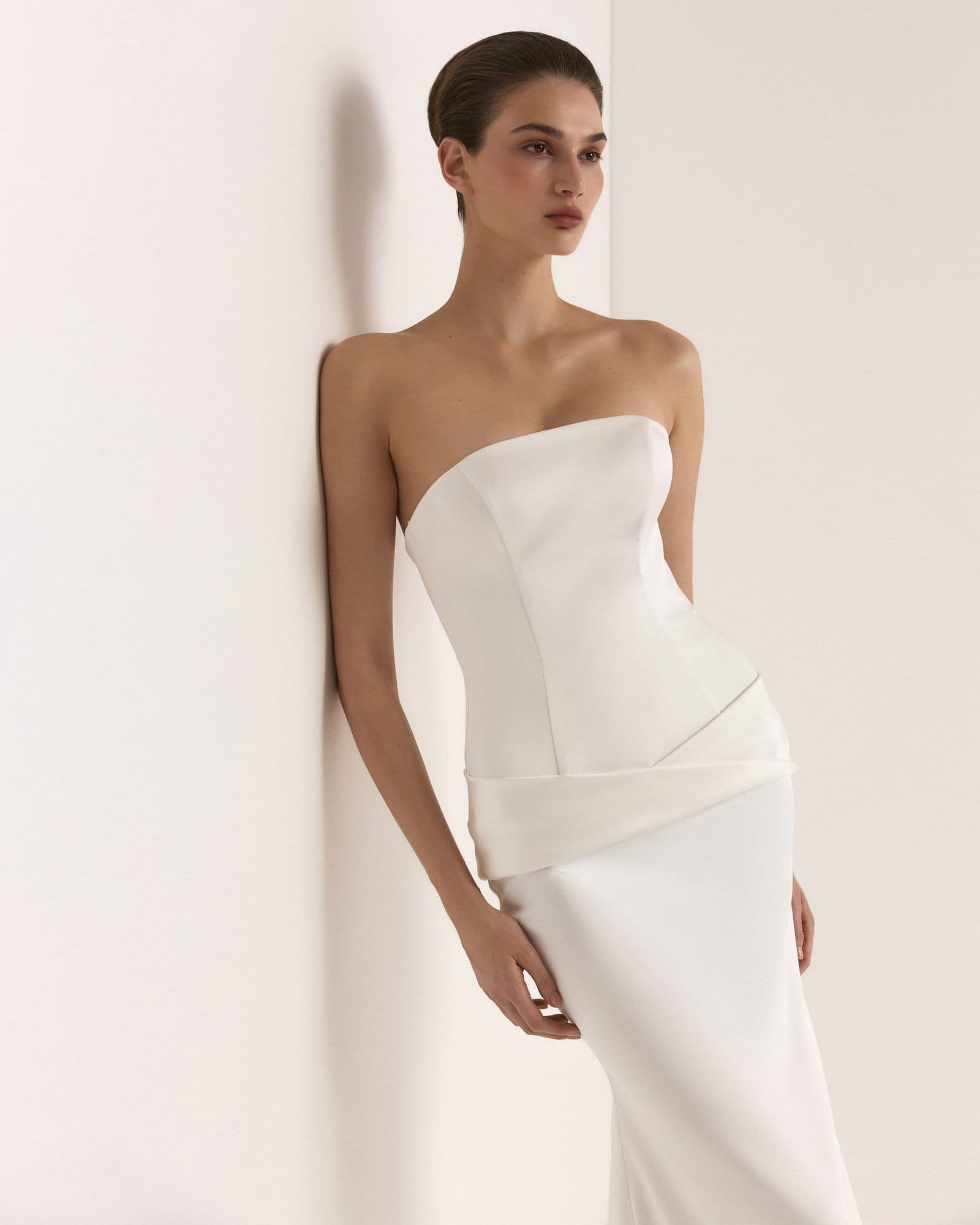
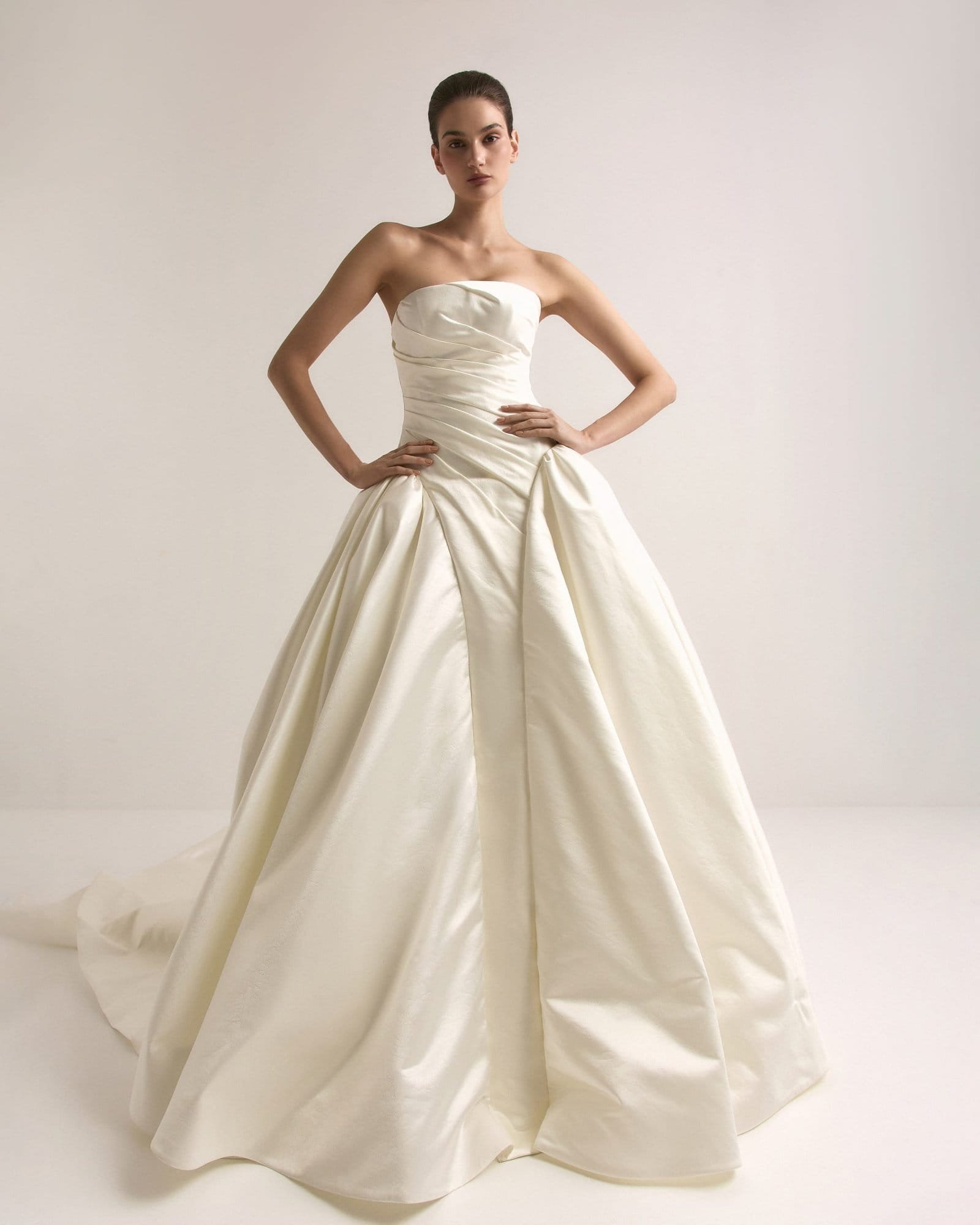
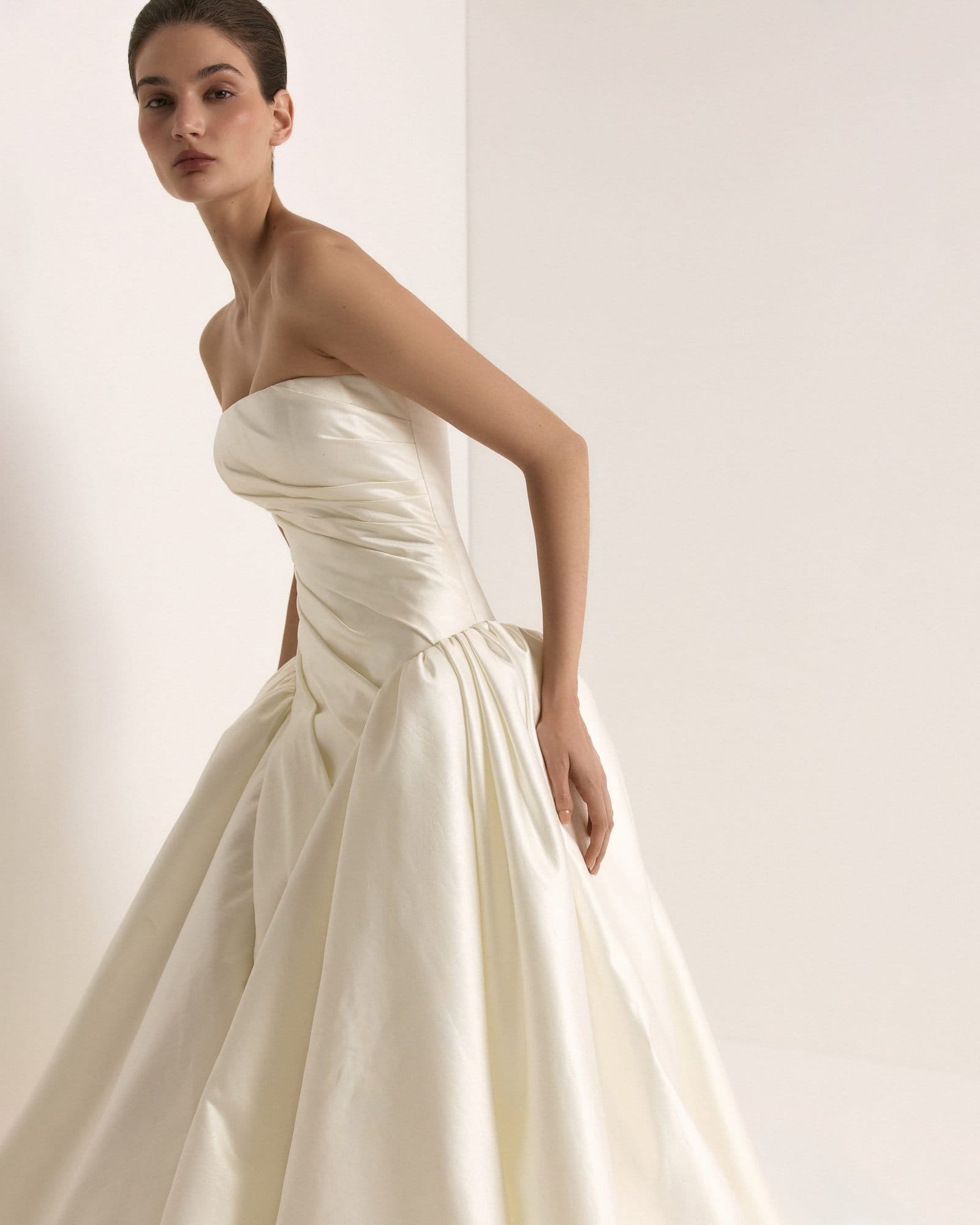
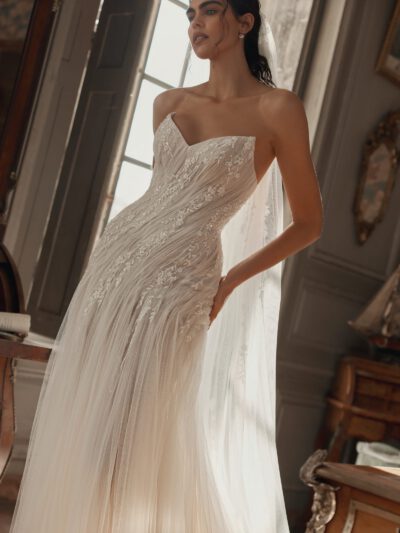
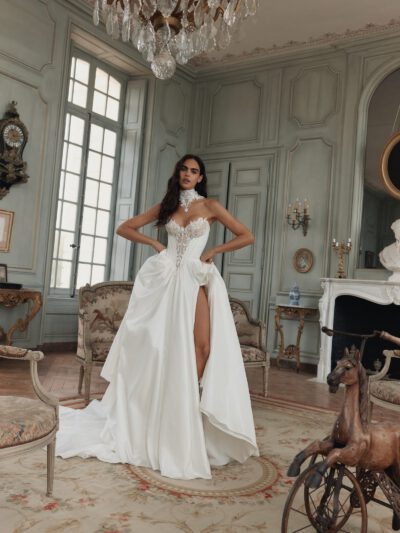
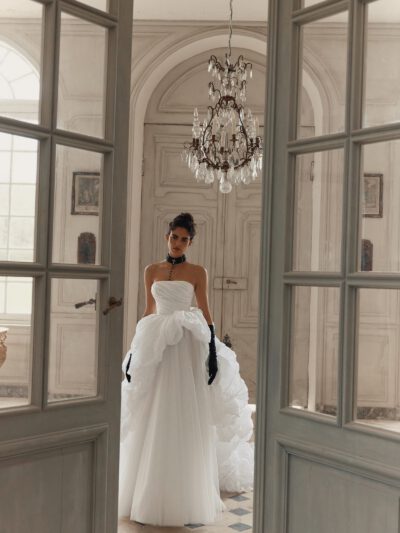
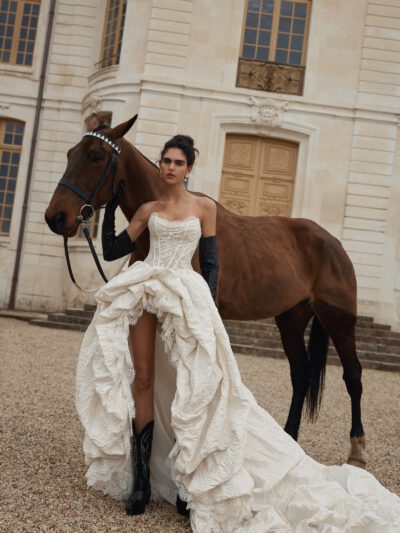
Modern style is defined not by the date of the collection, but by a clear idea: clean cut architecture, asymmetry, expressive texture or transformation. Choose the main technique and check whether its silhouette, neckline, decor and removable layers support it in the front, from the back and during movement.
1091 model
Crystal Edition
Silenne
166 365,00 грн
Crystal Edition
Elan
64 890,00 грн
Crystal Edition
Celeste
84 195,00 грн
 To order
Atelier Heritage Edition
Overture
227 995,00 грн

Atelier Heritage Edition
Dacor
179 730,00 грн
Atelier Heritage Edition
Roxane
168 595,00 грн
 To order
Atelier Heritage Edition
Trophee
132 210,00 грн
 To order
Atelier Heritage Edition
Eterno
184 930,00 грн


Atelier Heritage Edition
Dejavu
142 605,00 грн
 To order
Atelier Heritage Edition
Erve
192 355,00 грн
 To order
Atelier Heritage Edition
Carat
205 720,00 грн
 To order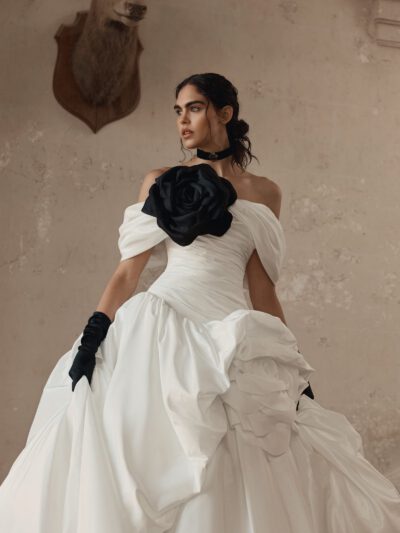
Atelier Heritage Edition
Arcane
160 425,00 грн
 To order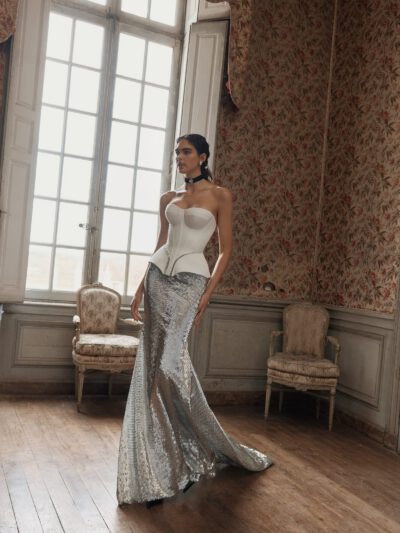
Atelier Heritage Edition
Spectrum
155 230,00 грн
 To order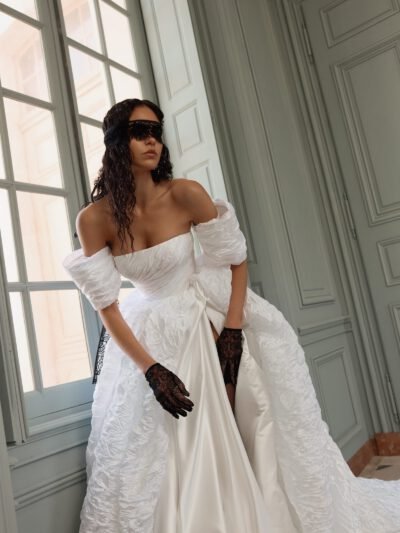
Atelier Heritage Edition
Mela
190 870,00 грн
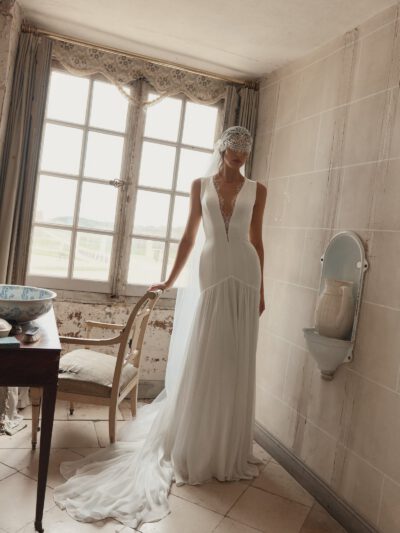 To order
Atelier Heritage Edition
Larson
115 135,00 грн
 To order
Atelier Heritage Edition
Darren
232 450,00 грн
Find one technique in the dress that can be called the main one. In a modern look, it can be a clean silhouette architecture, a shifted line, an expressive surface or a detail that changes with the perspective. The year of a collection doesn't prove anything in itself: style is read through the way cut, fabric and trim work together, not through the label 'trendy'.
The main reception should withstand all angles
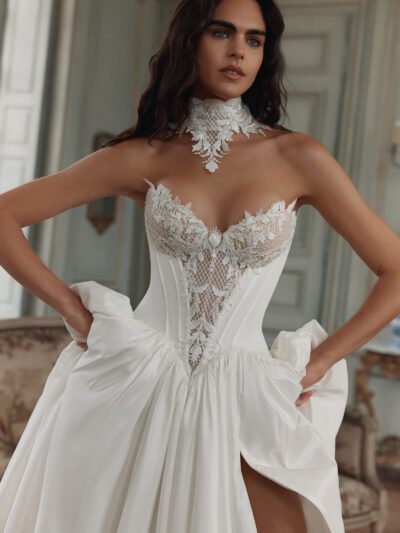
A close-fitting sheath and an open A-line give a different foundation, but both can sound modern if the composition is consistent. Asymmetric waist changes the direction of gaze; a gather, cut, or accent bow adds another point of tension. Lace, beads and floral motifs are also not inconsistent with modernity - it is important whether their scale is part of the design. Transformed design it is worth evaluating in each configuration, because with the layer removed, the center of the composition may shift.
Minimalist style deliberately reduces the number of visible techniques and relies on line and plane; modern can remain multi-layered or decorated. Classic image leads through recognizable ceremonial proportions, while modern more often allows an unexpected line or combination. Seductive style focuses on openness, cut or emphasized form. These trends may overlap, but none is synonymous with modernity.
When choosing, name the main trick in one sentence, then check it in front, profile and back. Walk, sit and turn: asymmetry, texture and cut in motion are read differently than in a static photo. If there is a cape, sleeves, or top skirt, see the look with and without each layer, assuming no removal without confirmation. On samples in CRYSTAL compare the two models by the integrity of the idea, not by the number of relevant details.