







Wedding and evening dresses with an asymmetric waist
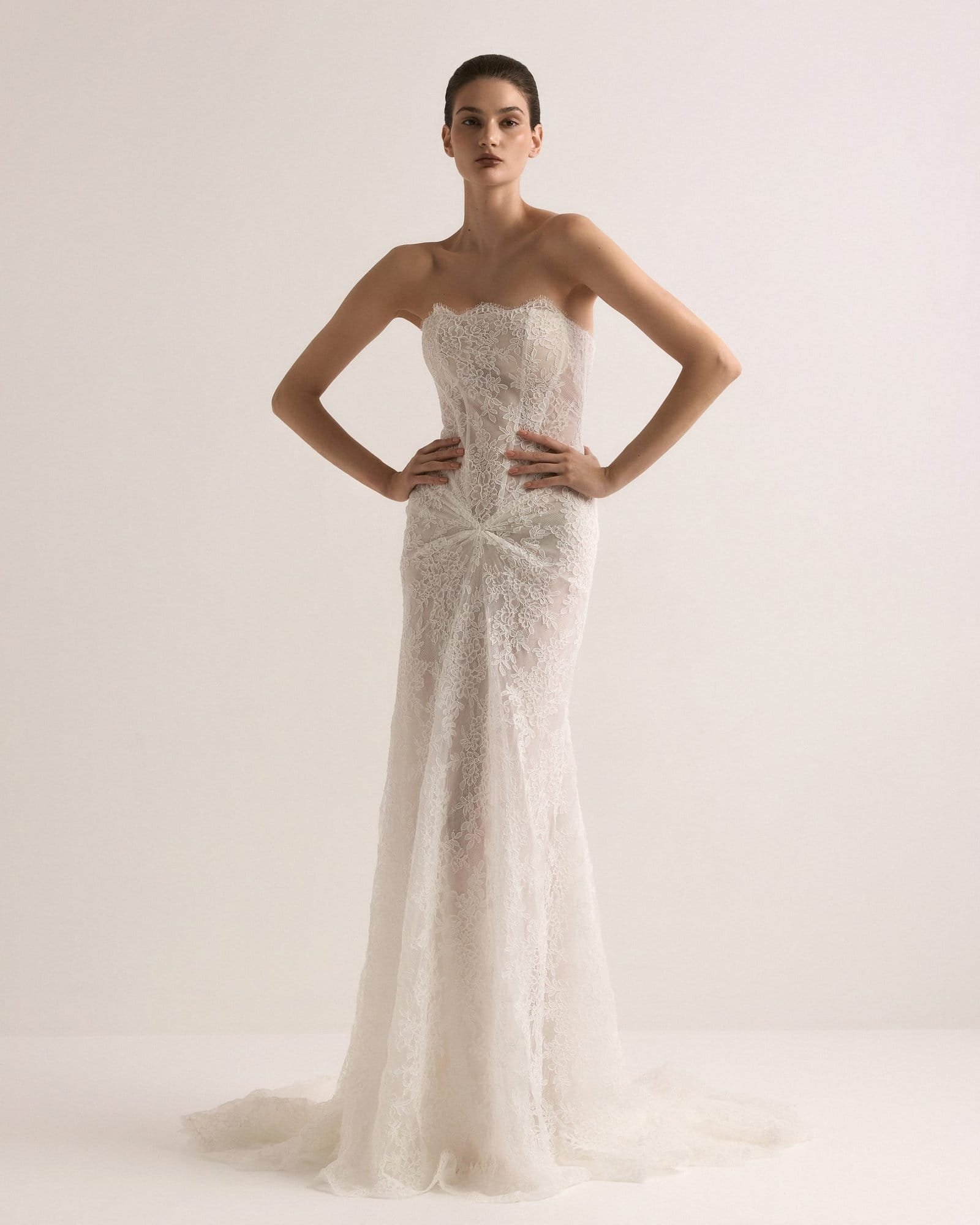
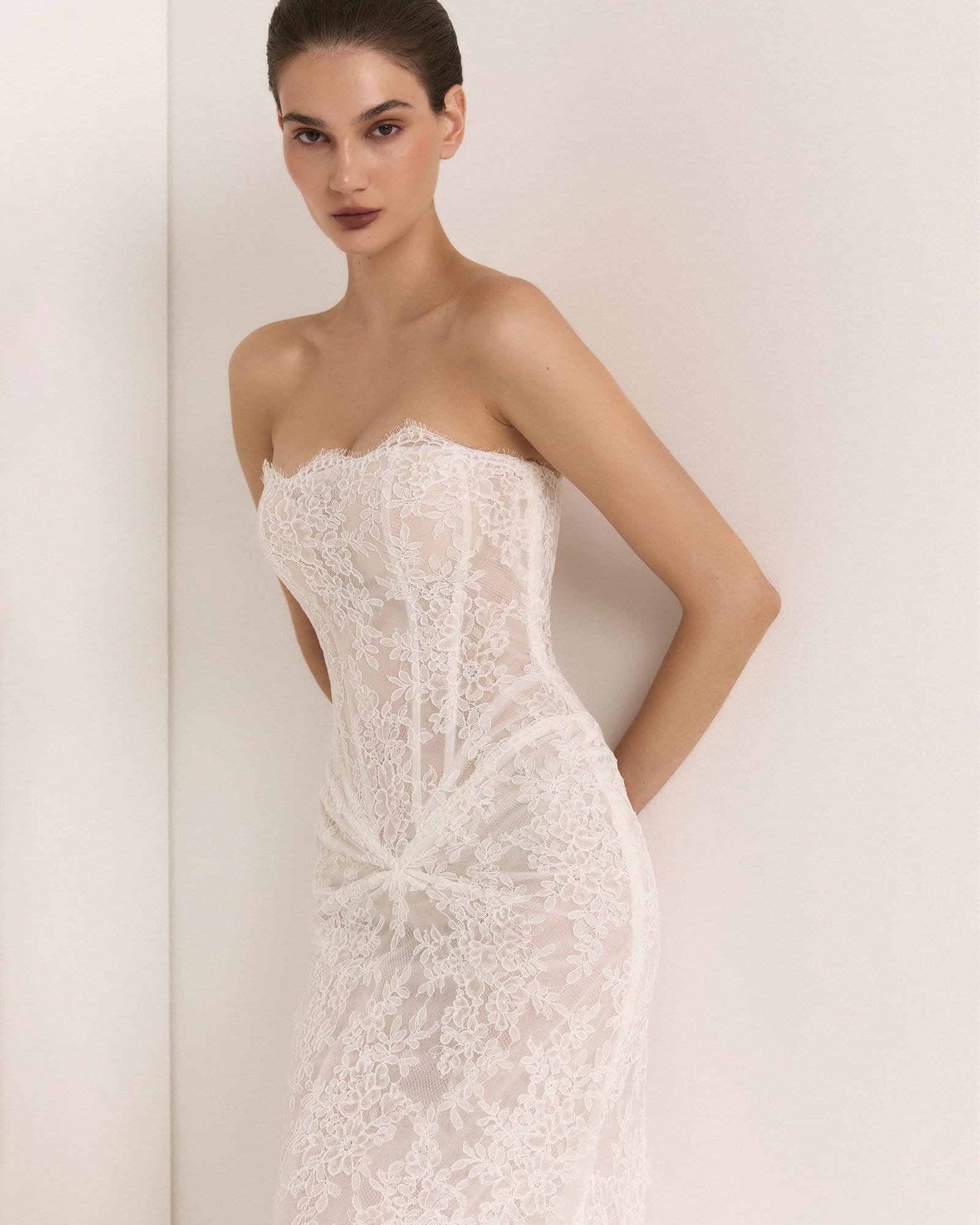
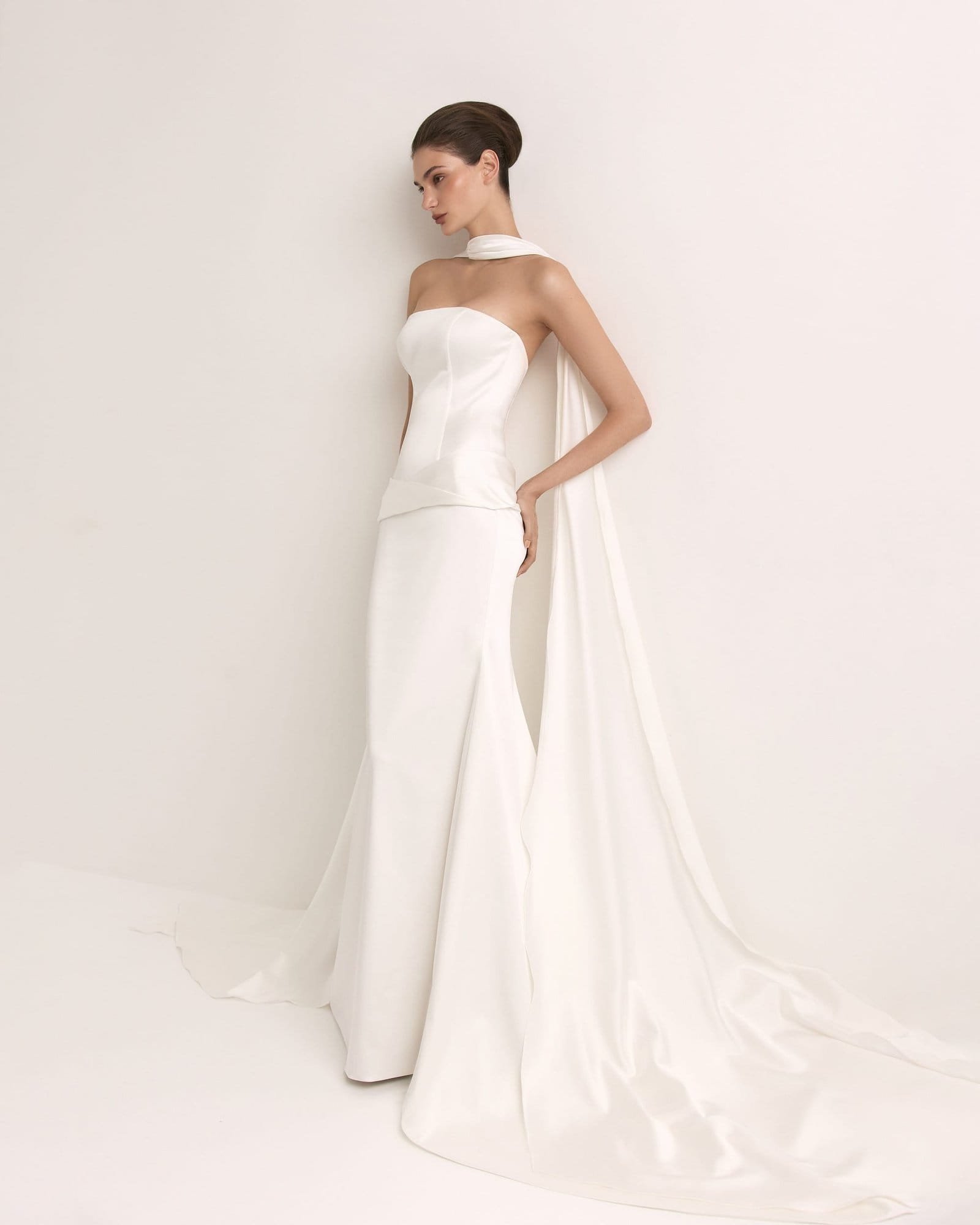
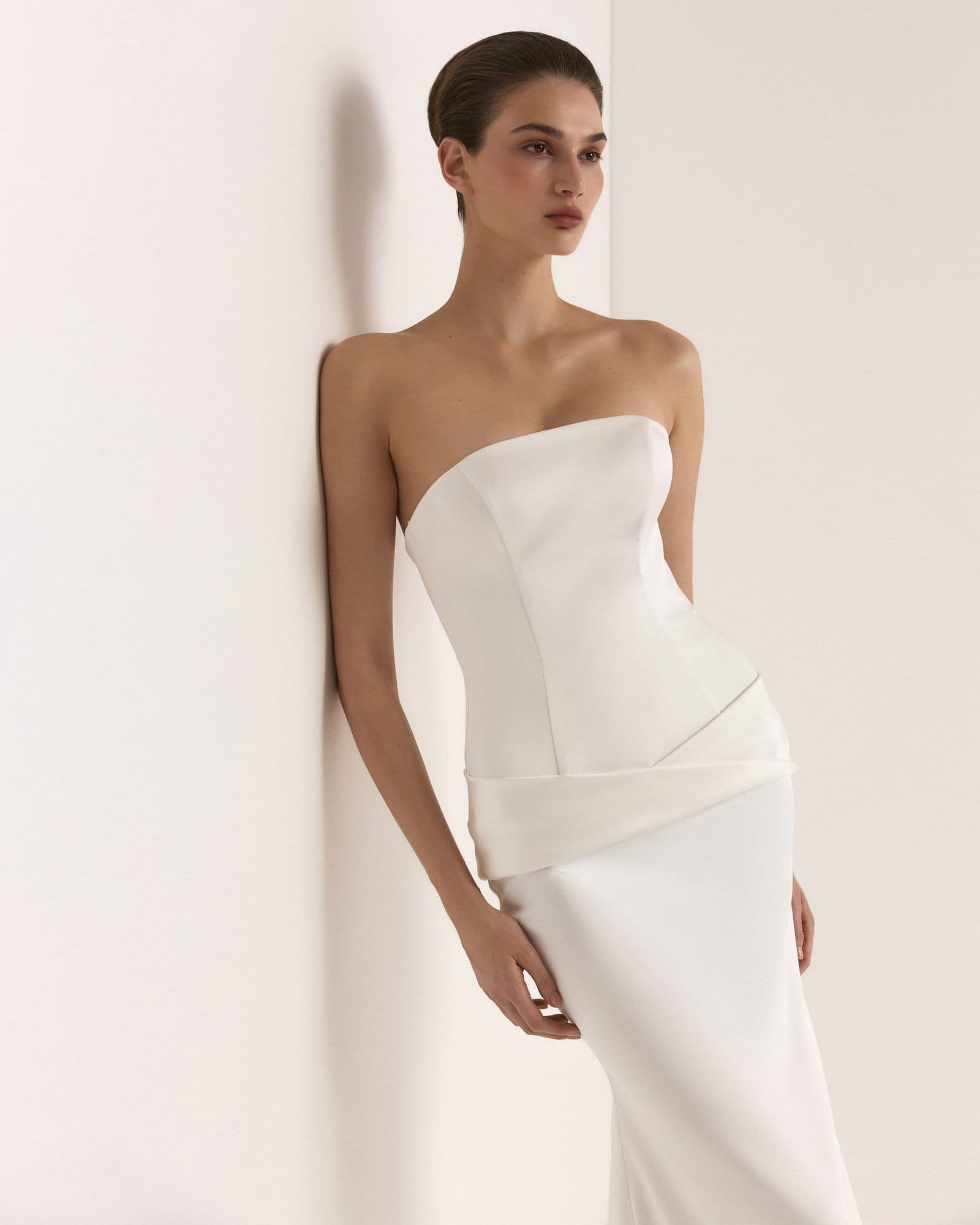
An asymmetrical waist changes the height or direction of the transition from the bodice to the skirt from right to left. Find the highest and lowest points, trace seams and drapes, assess the line in front, profile and sitting. It is important to distinguish the intended slope from the skew of a specific landing, without attributing to it a correction of the figure.
45 model
Crystal Edition
Silenne
166 365,00 грн
Crystal Edition
Elan
64 890,00 грн
 To order
Atelier Heritage Edition
Trophee
132 210,00 грн
 To order
Atelier Heritage Edition
Arcane
160 425,00 грн
 To order
Atelier Heritage Edition
Aveline
145 575,00 грн
 To order
Maison Blanche
Charleen
101 520,00 грн
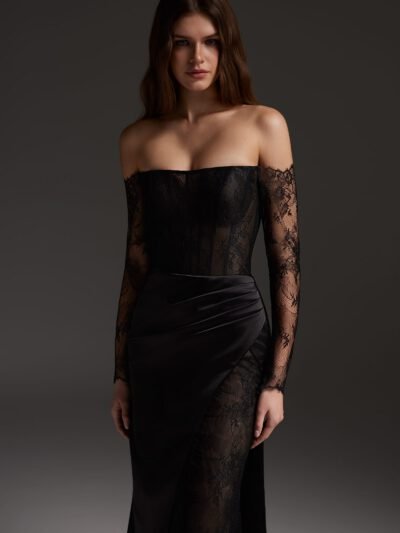
WONA Evening 2027
2706
48 715,00 грн
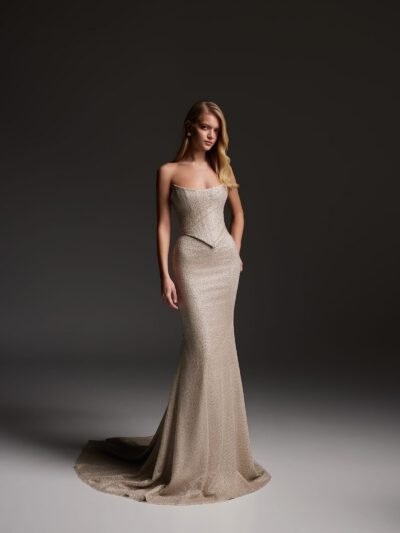
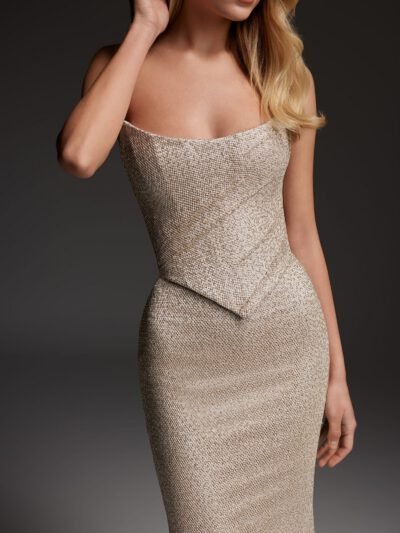
WONA Evening 2027
2708
48 040,00 грн
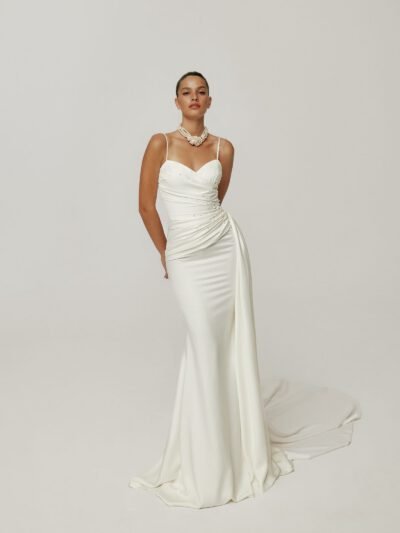 To order
White Edit
Opium
63 405,00 грн


Sirenity
Anna
60 930,00 грн

Sirenity
Yuma
88 155,00 грн
 To order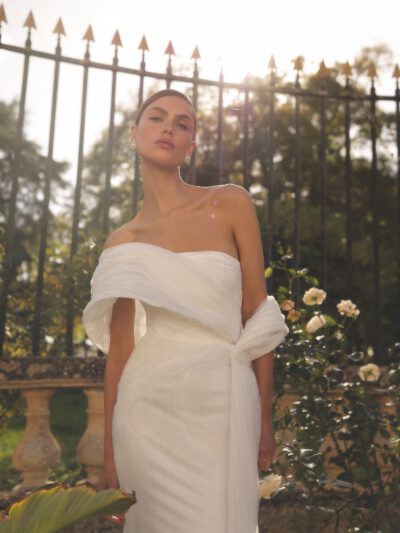
La Femme Edition
Diamee
130 725,00 грн
 To order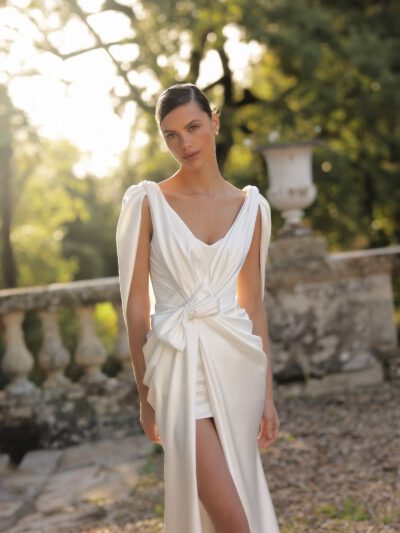
La Femme Edition
Lyon
128 500,00 грн
 To order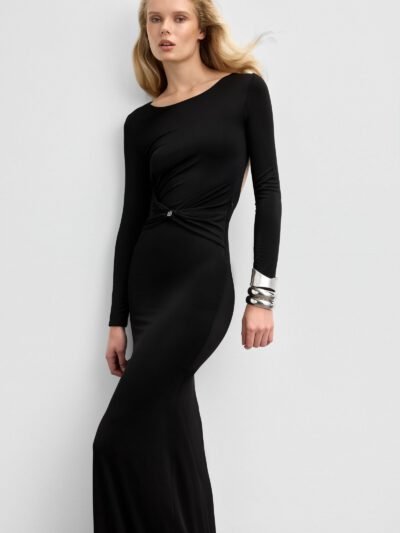
Her Silhouettes
6022
23 400,00 грн
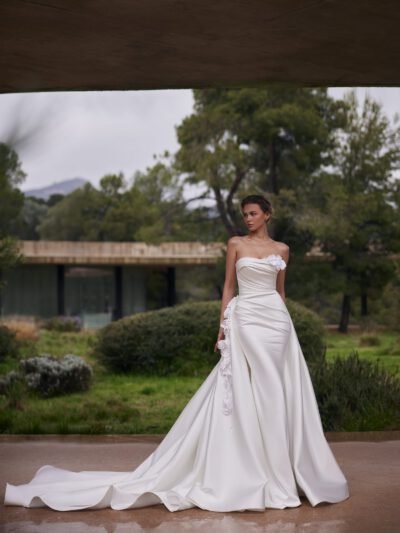 To order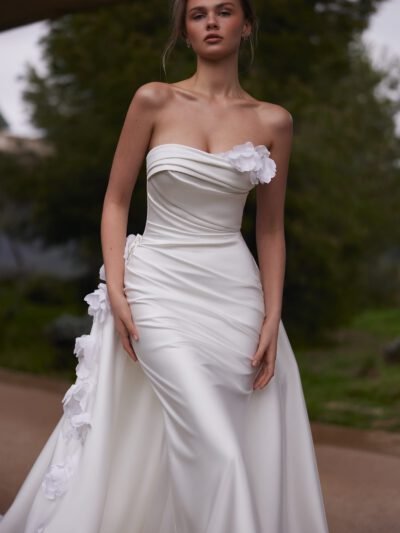
Less is More V
Capella
103 005,00 грн
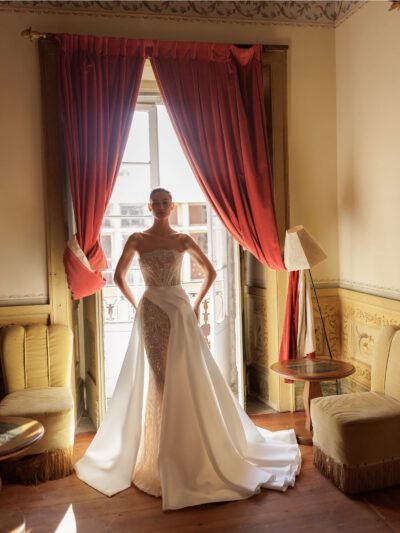 To order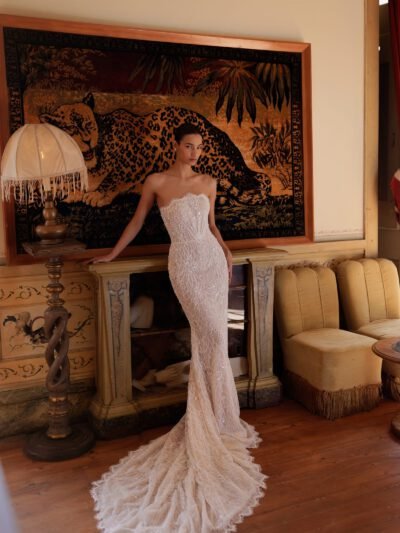
Bridal Alchemy
Malaga
145 080,00 грн
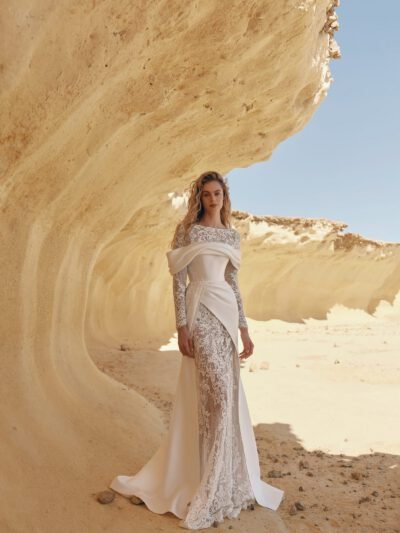
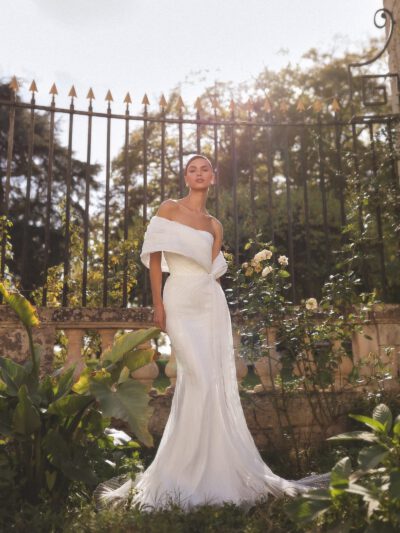
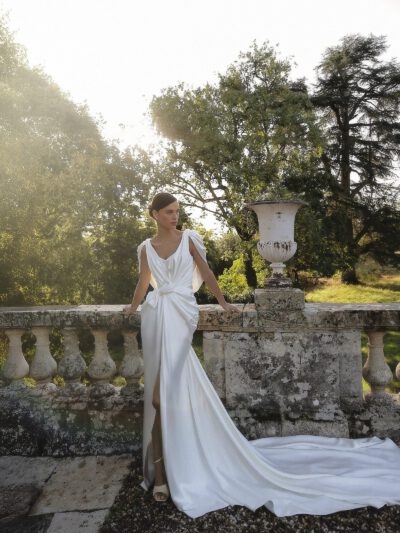
The look goes diagonally even before the skirt begins: the border of the bodice changes height or direction from right to left. In an asymmetric waist line, one point of transition can be higher, the second lower, and the seam, the edge of the drapery or the beginning of the skirt support this idea. Such a line by itself does not guarantee figure correction.
Conceived diagonal or random skew
First find the highest and lowest points and determine the direction between them. Match them to the center of the bodice, the side seams, and the beginning of the skirt. On a smooth satin the direction emphasizes the light, and collection able to lead the eye along the diagonal, but is not synonymous with an asymmetrical waist. Ask to confirm the design of the particular model and check that the claimed line repeats itself after you take a few steps and stand up straight again.
Natural waist is usually read closer to the horizontal, and understated lowers the transition below the wider part of the case. An asymmetric hem describes the length of the skirt, not the waist. Top on one shoulder creates a diagonal above, but also remains a separate characteristic; these decisions can be combined, but are not required.
Take a picture of the dress front, then turn both sides: this way you can see where the line enters the side seams. Sit back and observe if the direction is maintained, where the folds form and how they return after lifting. On a fitting in CRYSTAL, compare the frames before and after the movement - this will help distinguish structural asymmetry from fit displacement.