
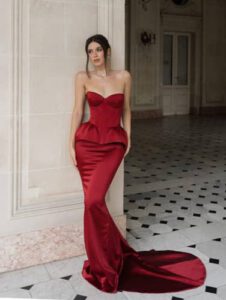
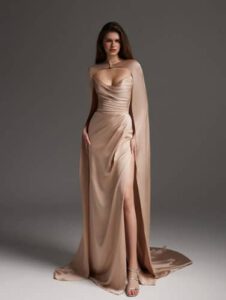
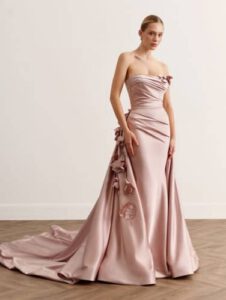


Wedding and evening dresses with a short train
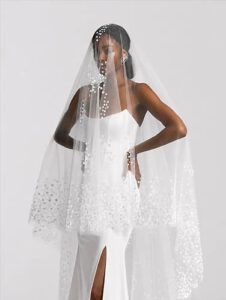
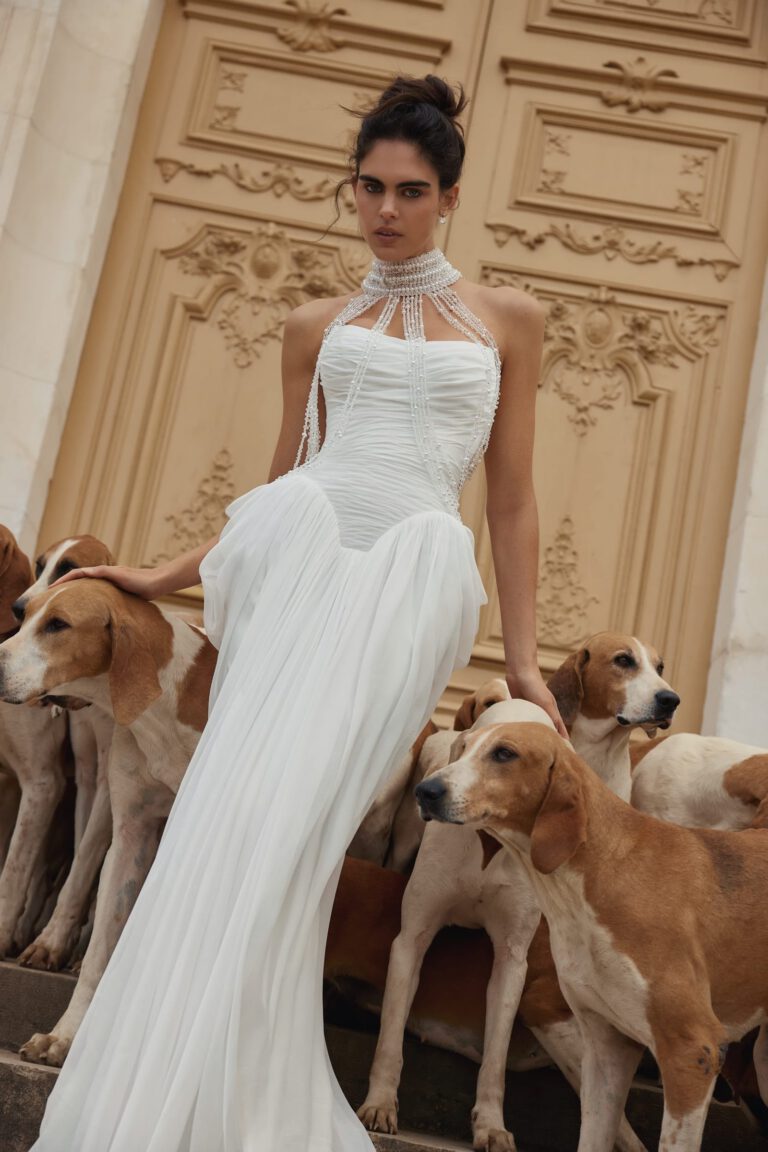
The short train begins where the back hem slightly extends the main length of the dress. Find the transition from the side edge to the farthest point, straighten all the layers and check them after the step, turn, seat and step; specify the presence of a loop or hook separately.
206 model
 To order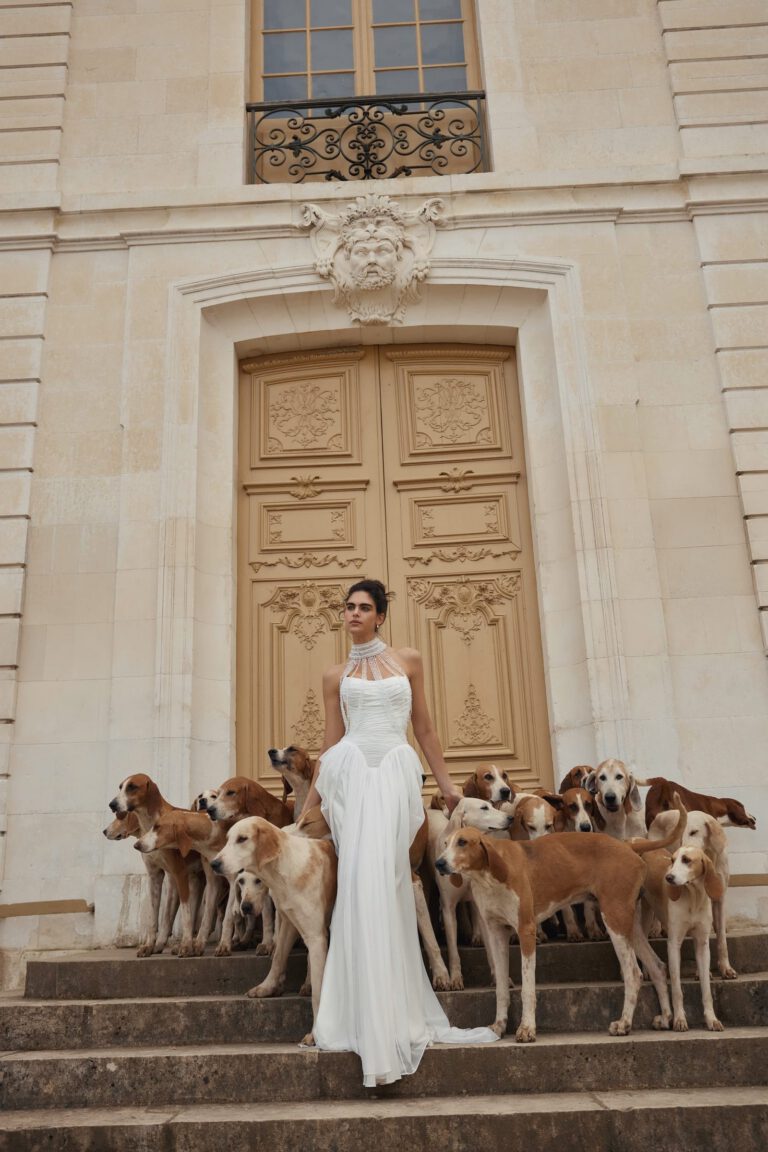
Atelier Heritage Edition
Eterno
184 930,00 ₴
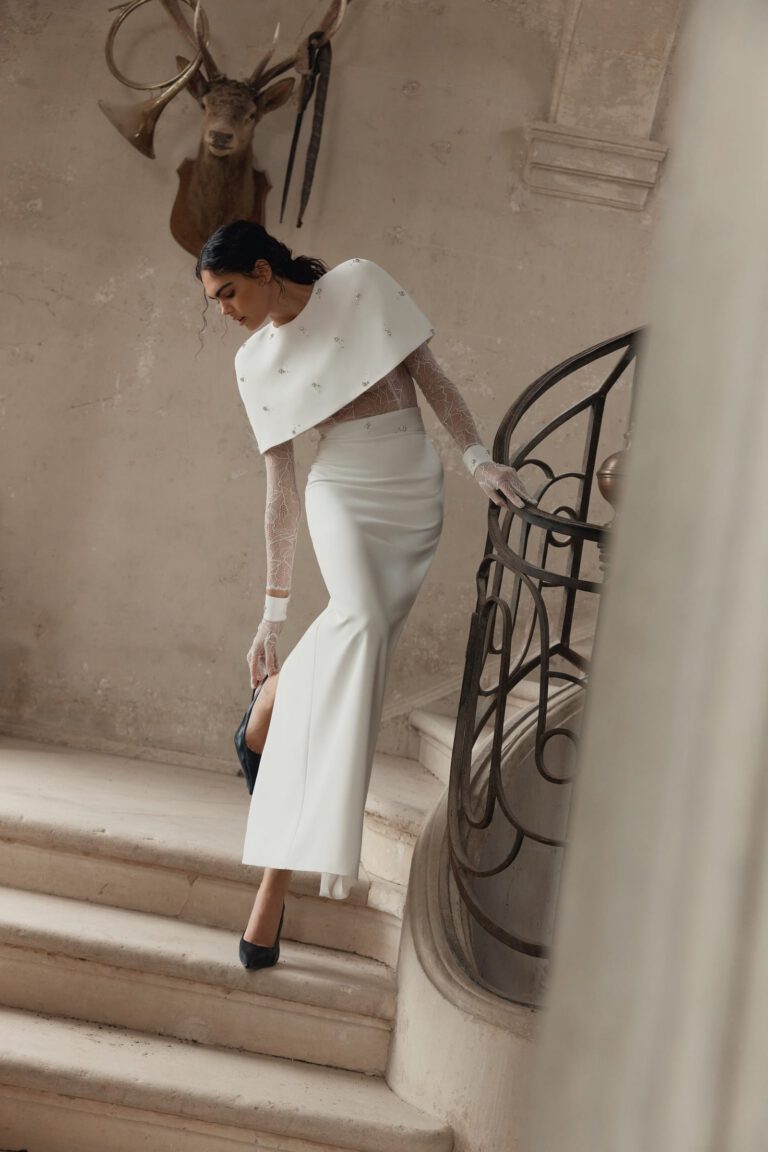 To order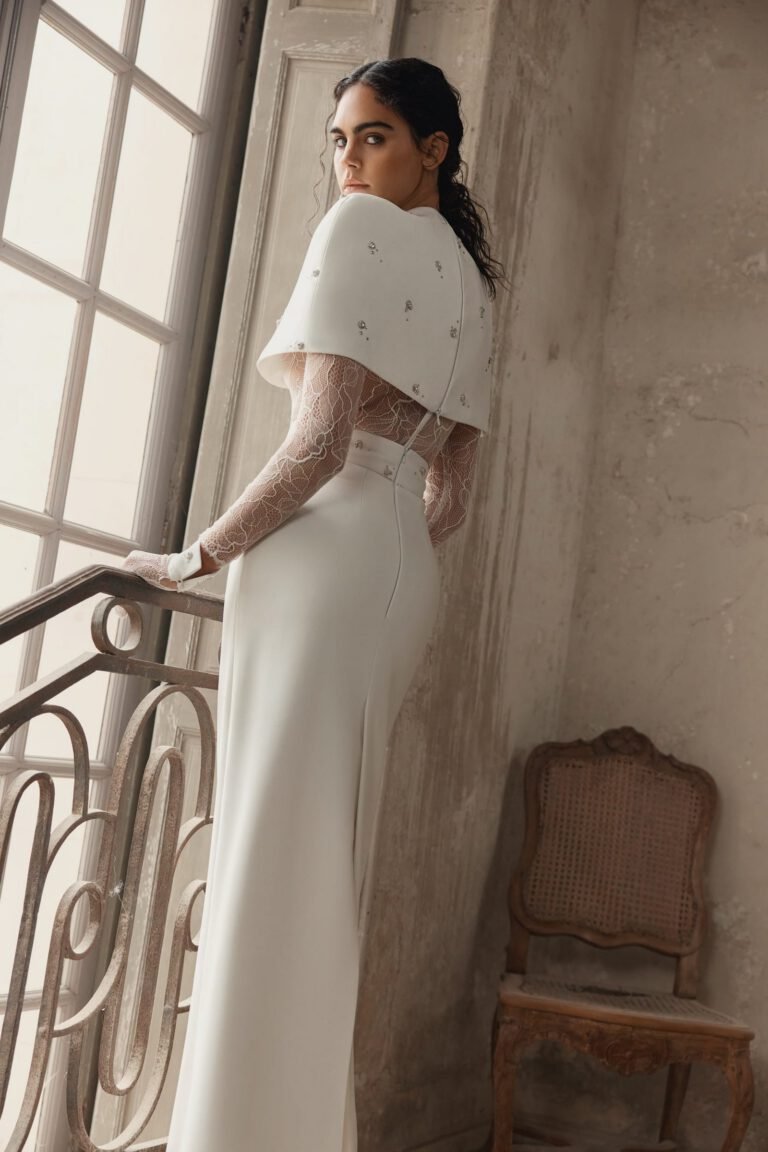
Atelier Heritage Edition
Soho
138 895,00 ₴
 To order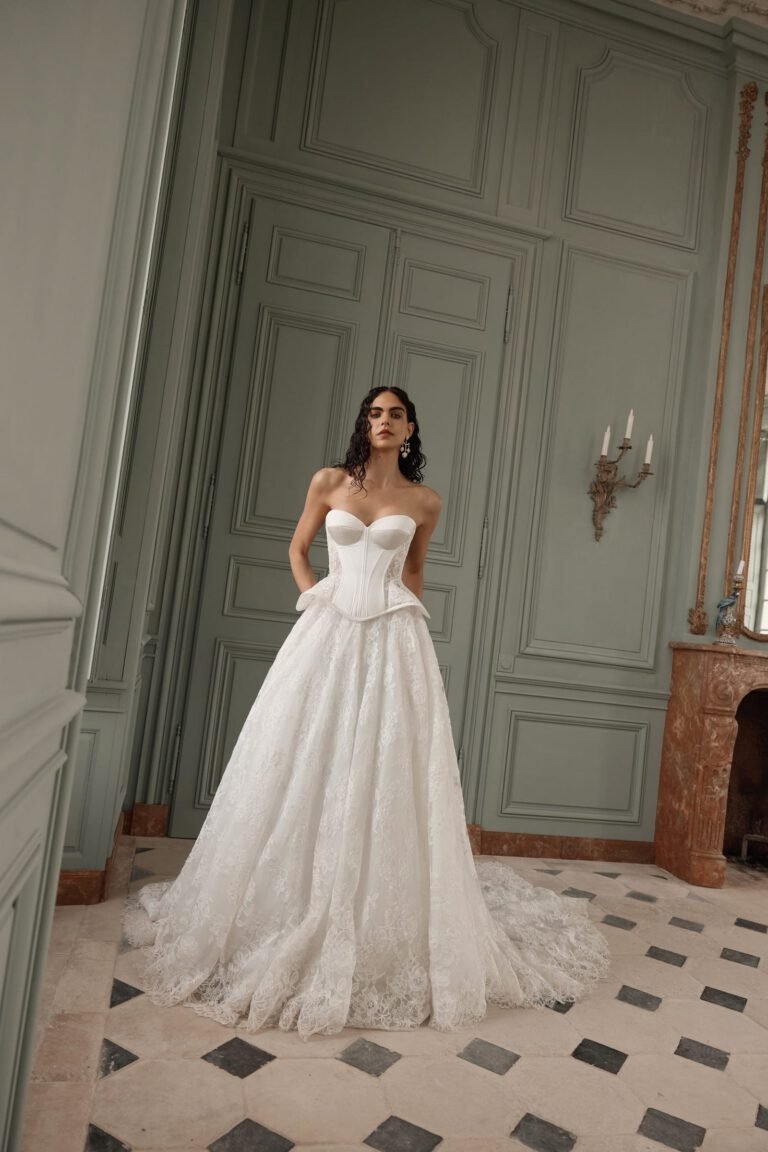
Atelier Heritage Edition
Prime
193 095,00 ₴
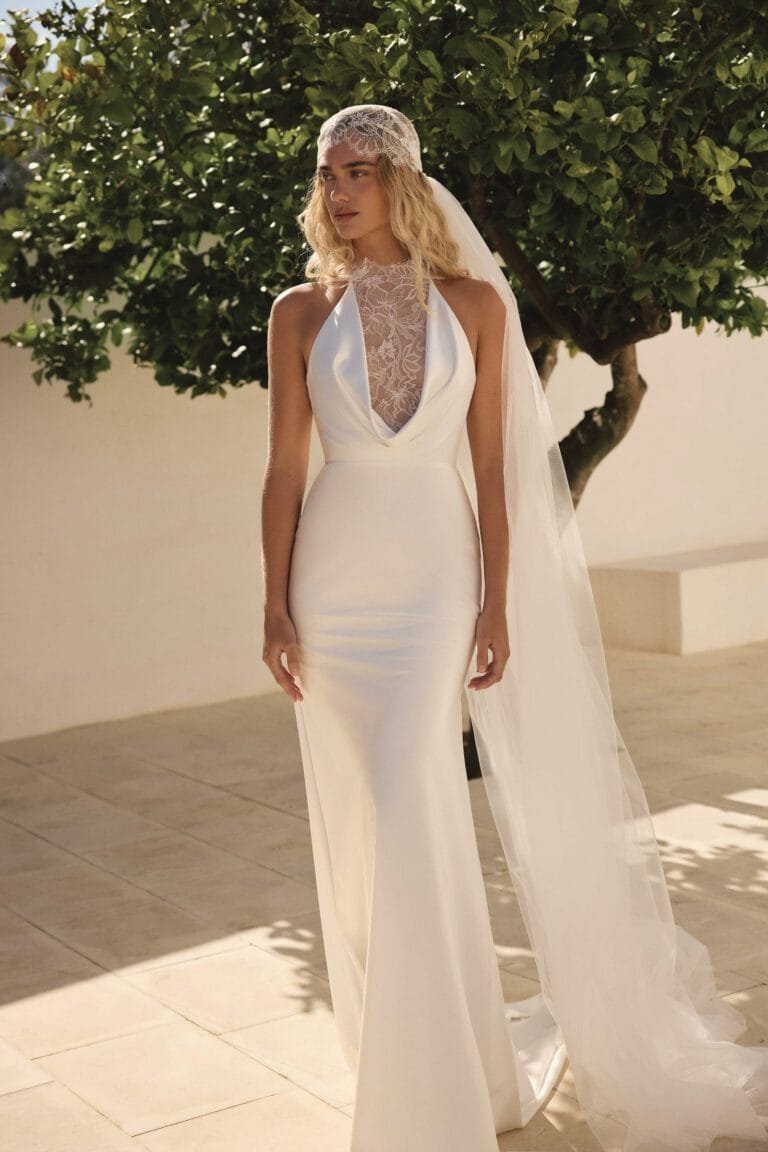 To order
Less is More VI
Arber
67 365,00 ₴
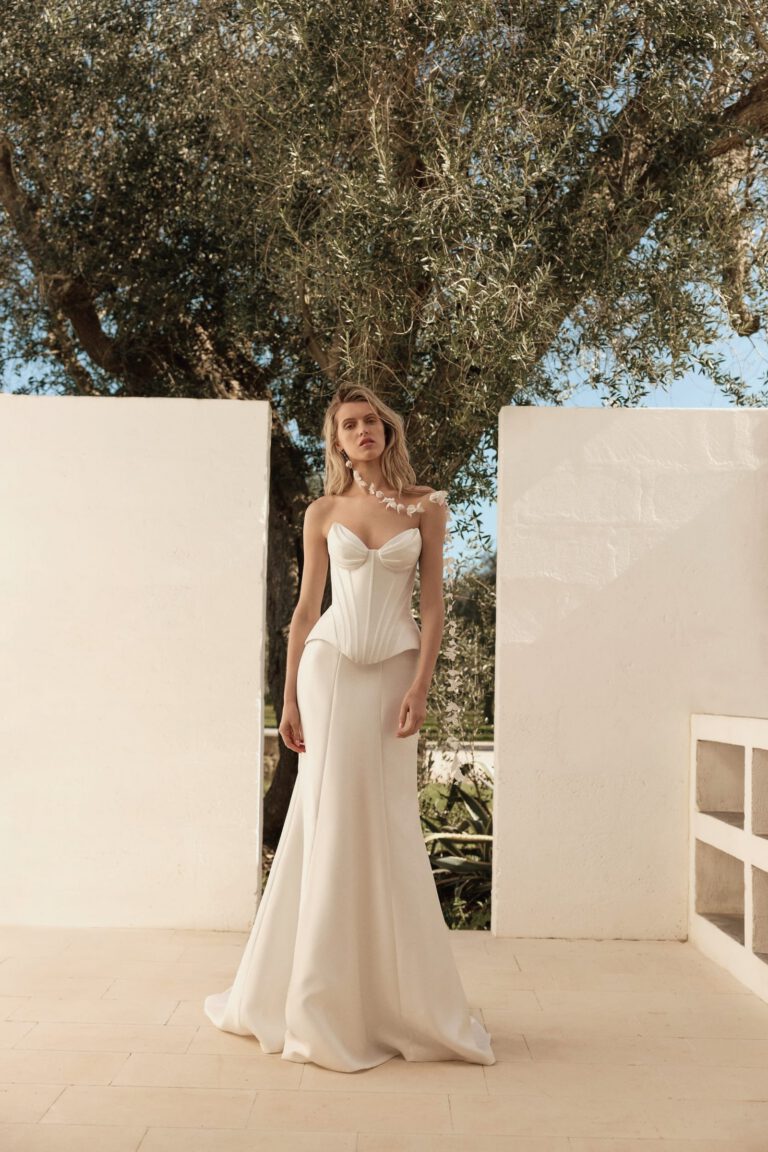 To order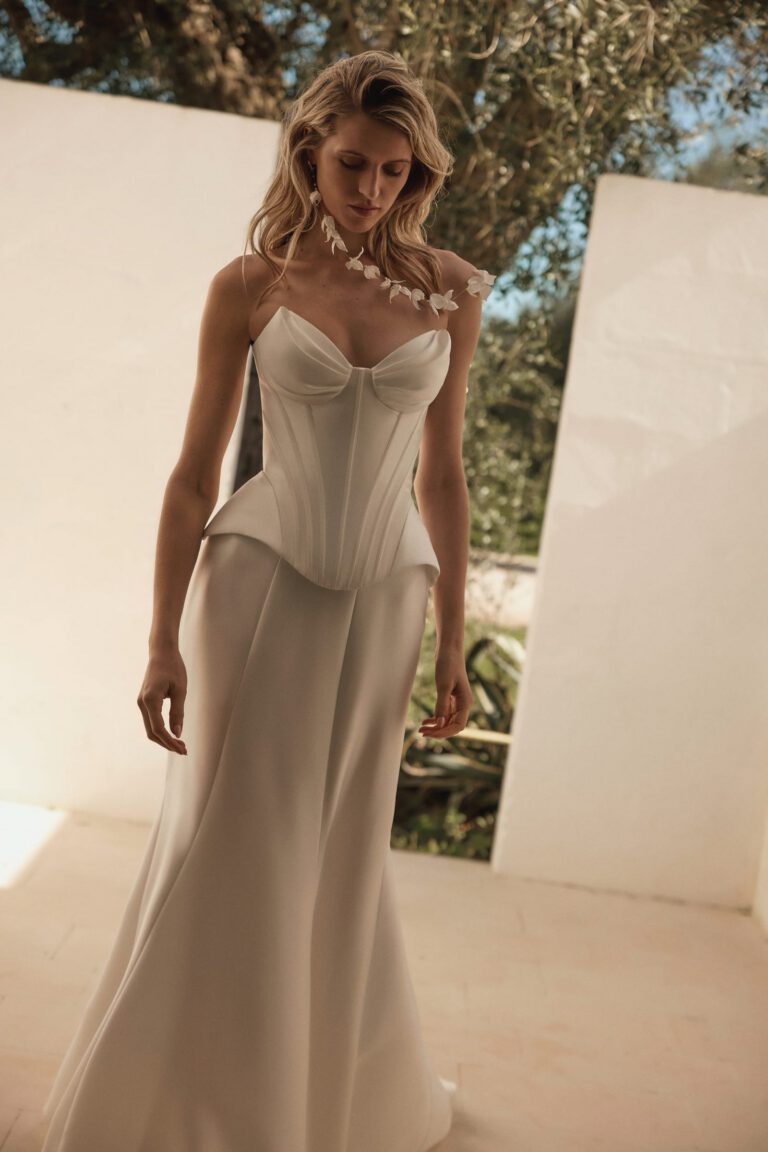
Less is More VI
Femin
65 880,00 ₴
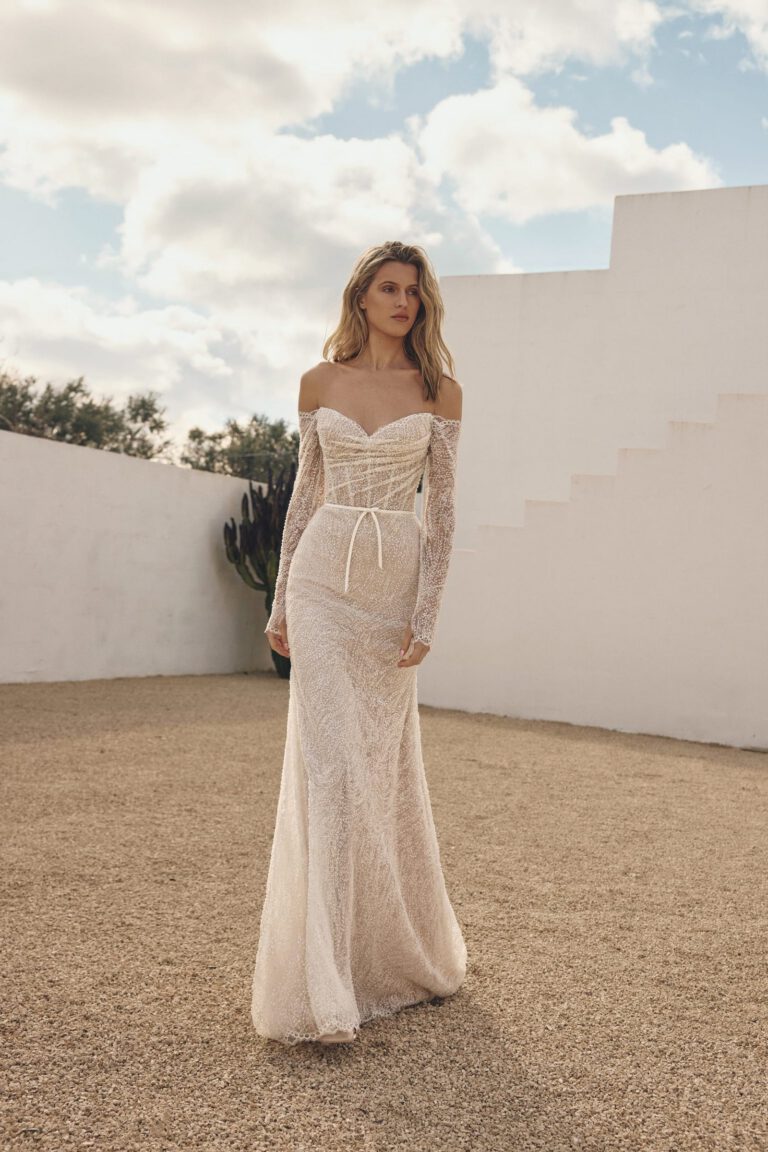 To order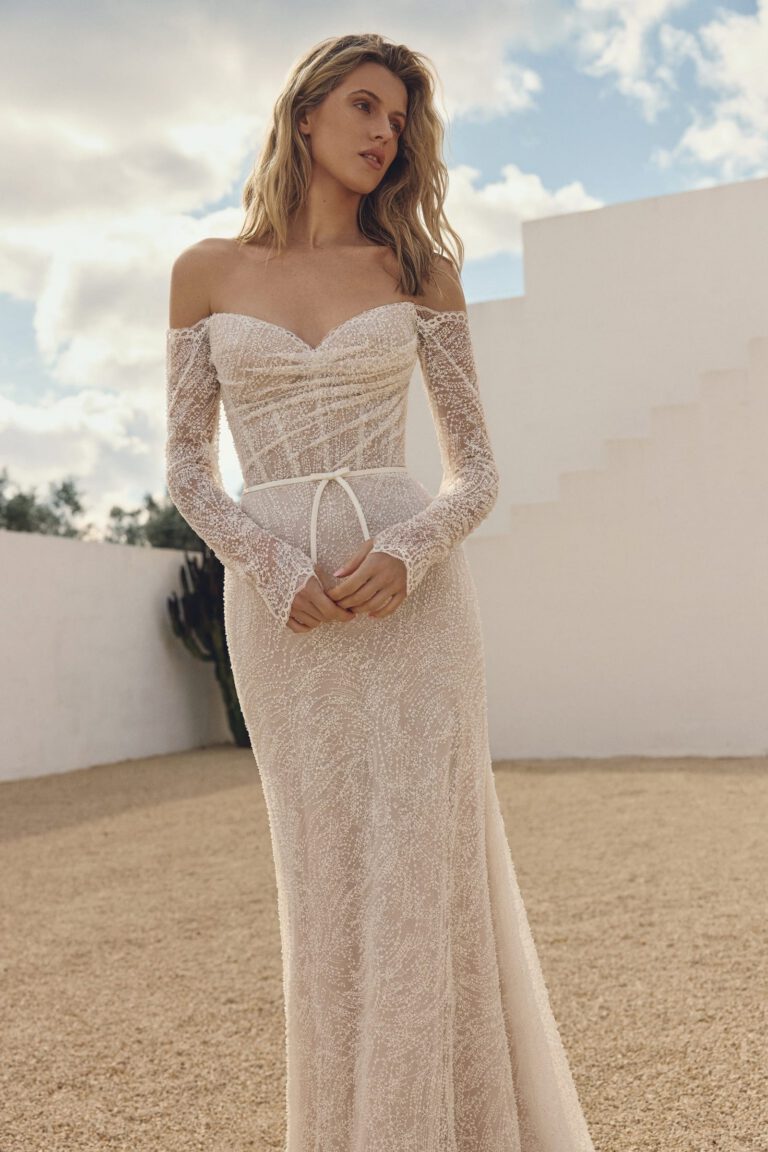
Less is More VI
Broadway
82 710,00 ₴
 To order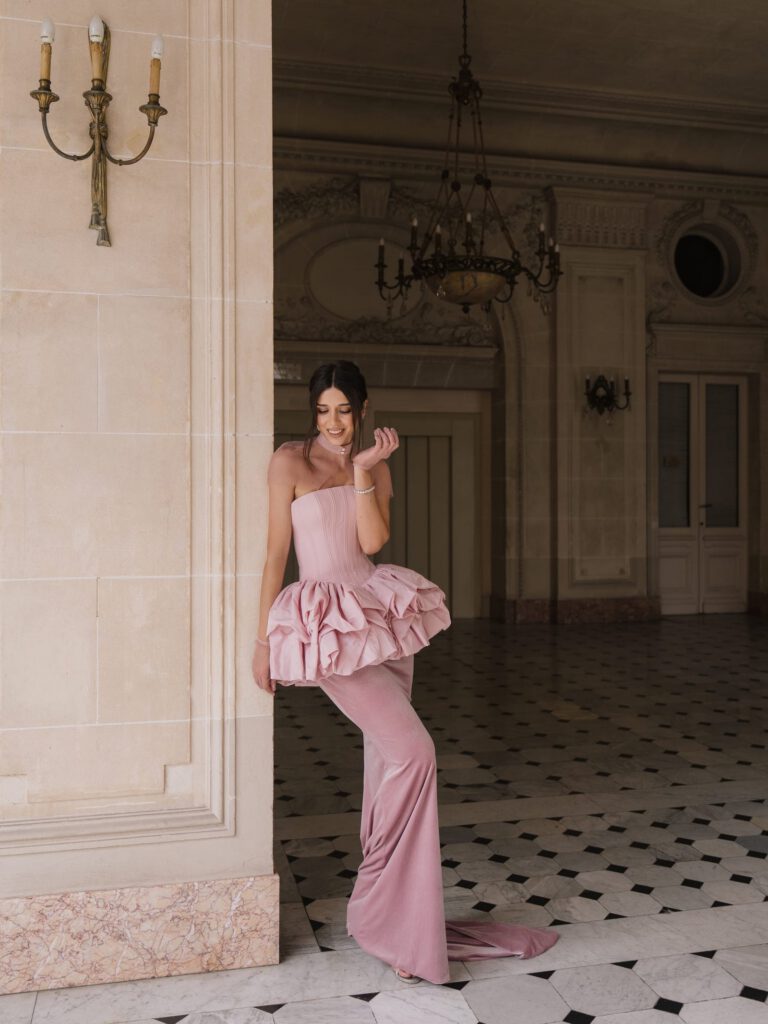
WONA Concept x Katie One
Look 2
101 520,00 ₴
 To order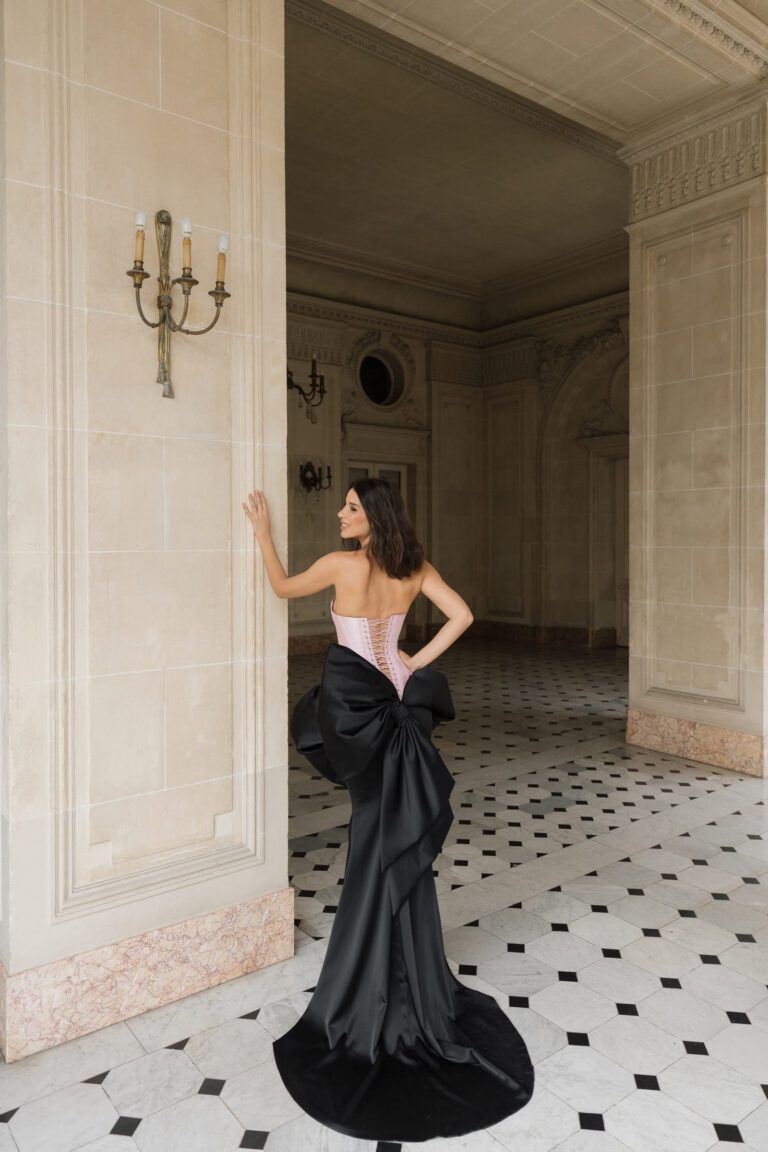
WONA Concept x Katie One
Look 1
85 680,00 ₴
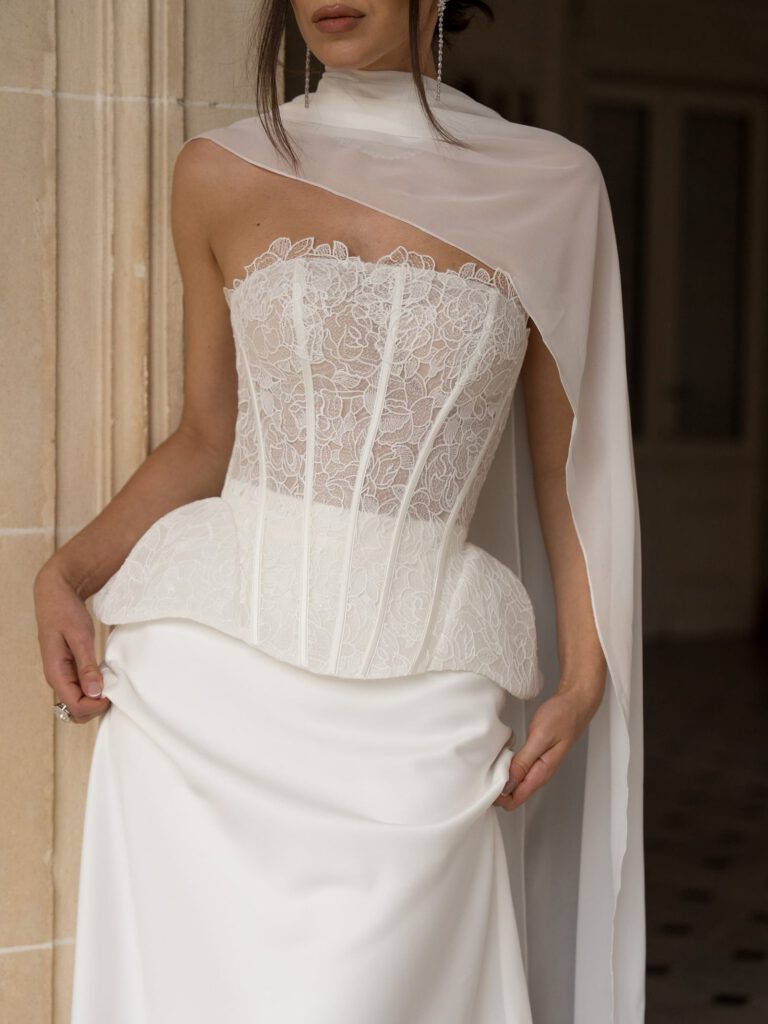 To order
WONA Concept x Katie One
Look 4
90 135,00 ₴
 To order
WONA Concept x Katie One
Look 3
85 680,00 ₴
 To order
Wona Evening 2026
26109
60 930,00 ₴


WONA Evening 2027
2715
55 980,00 ₴
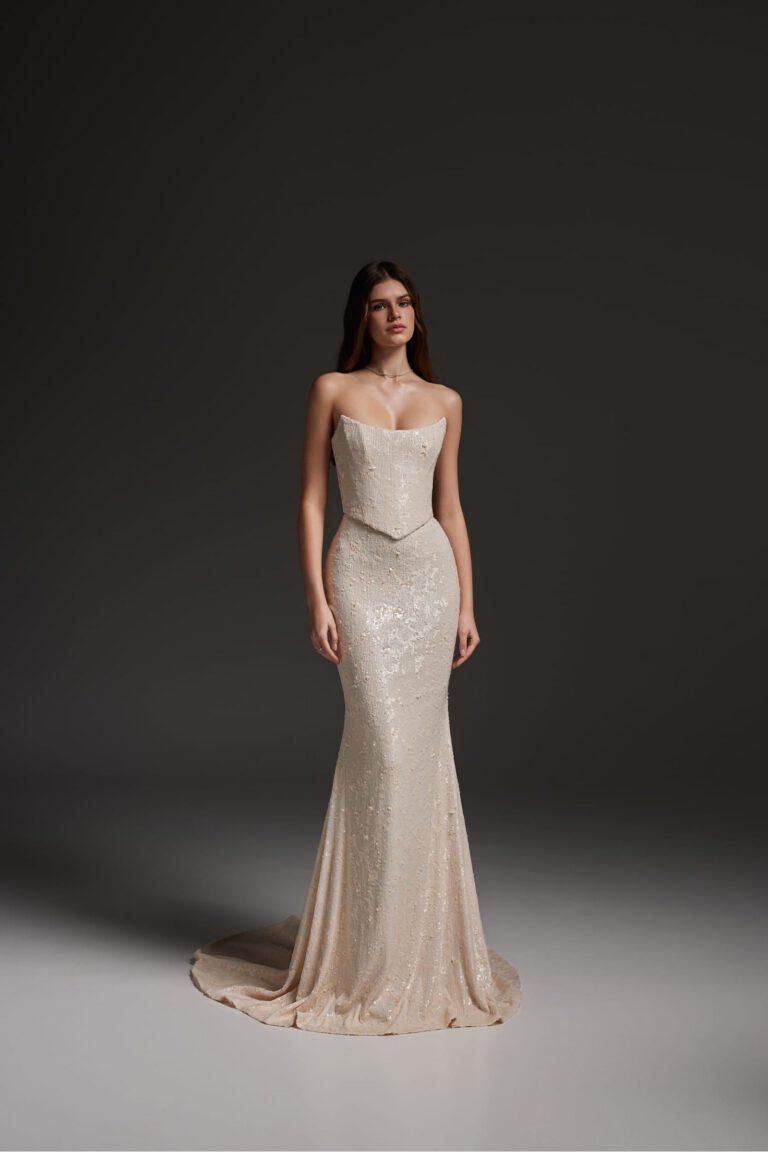
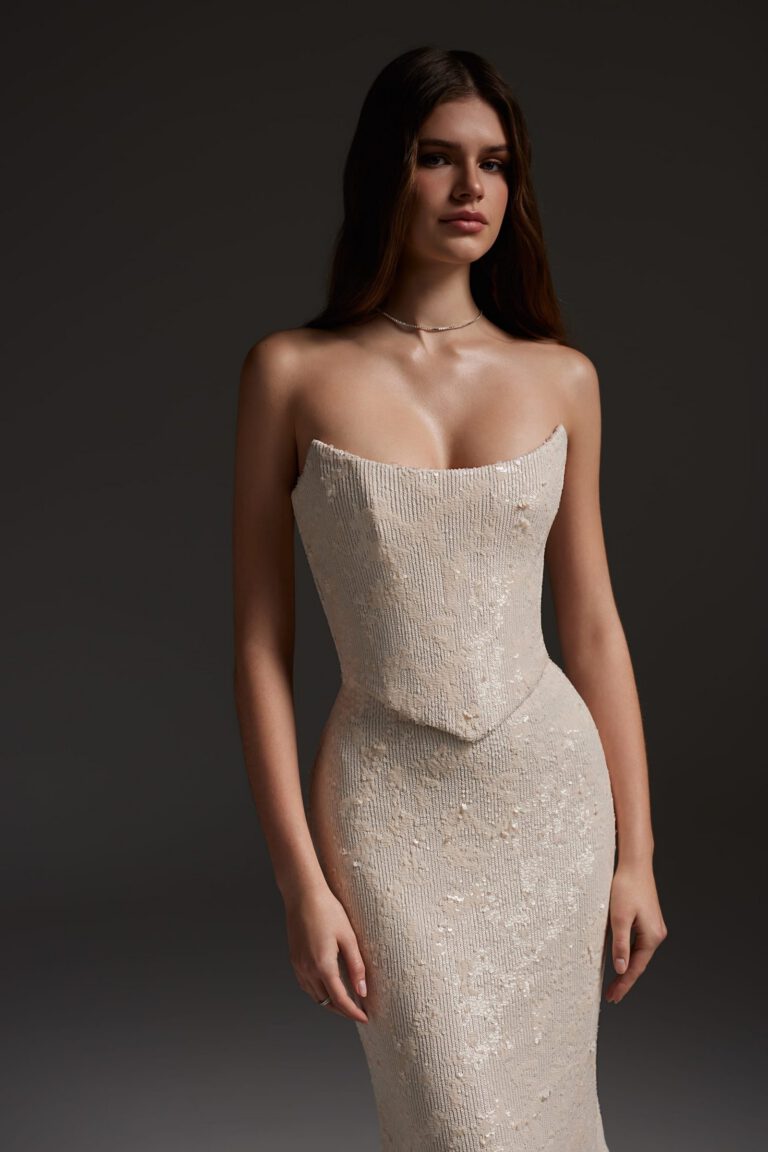
WONA Evening 2027
2702
69 840,00 ₴
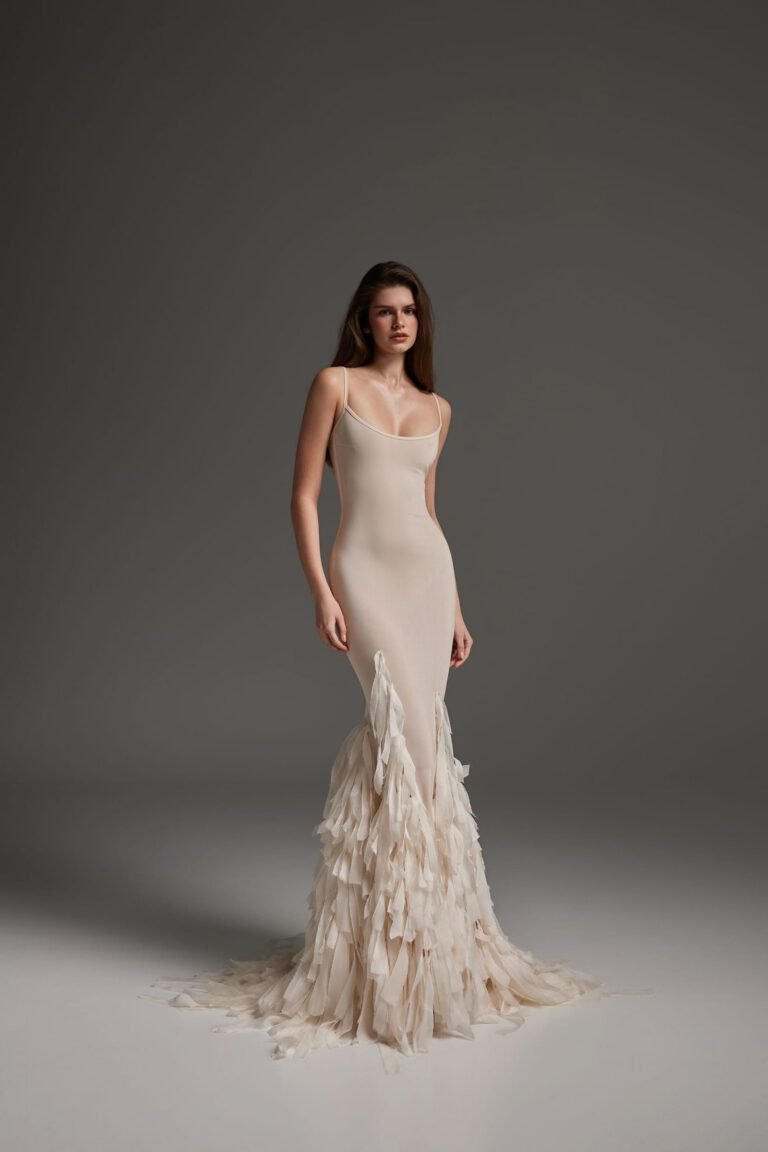 To order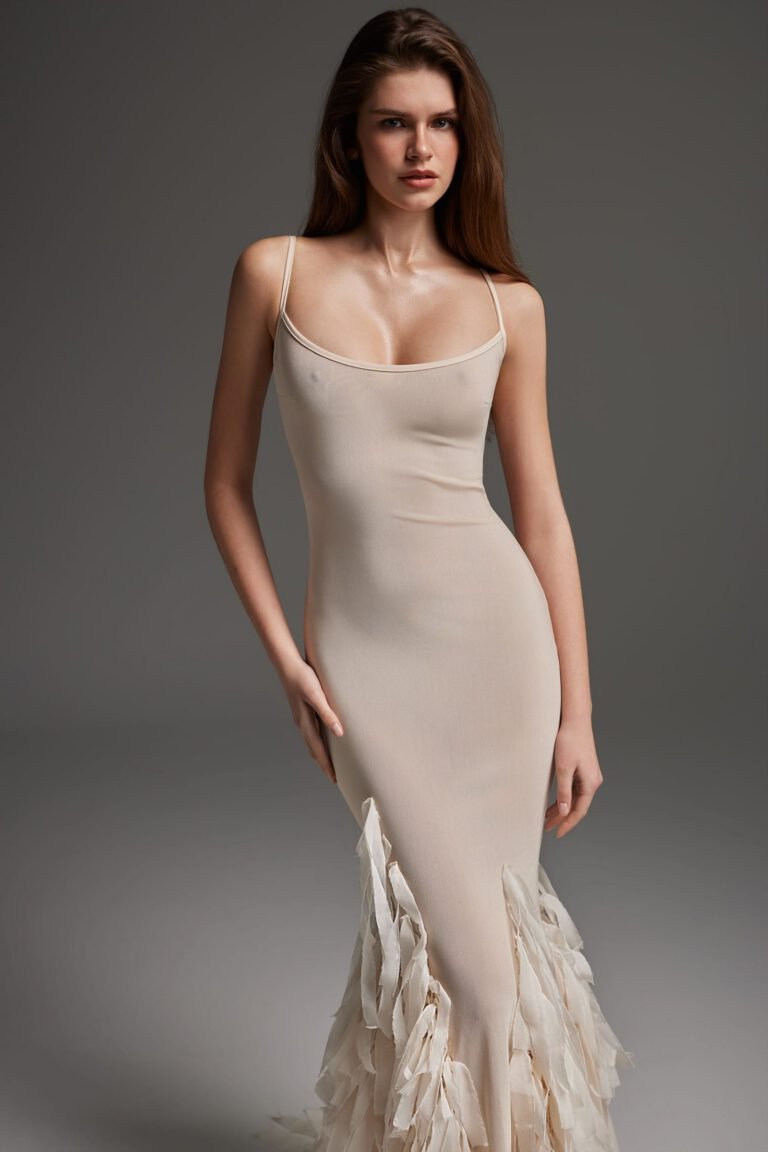
WONA Evening 2027
2718
98 550,00 ₴
 To order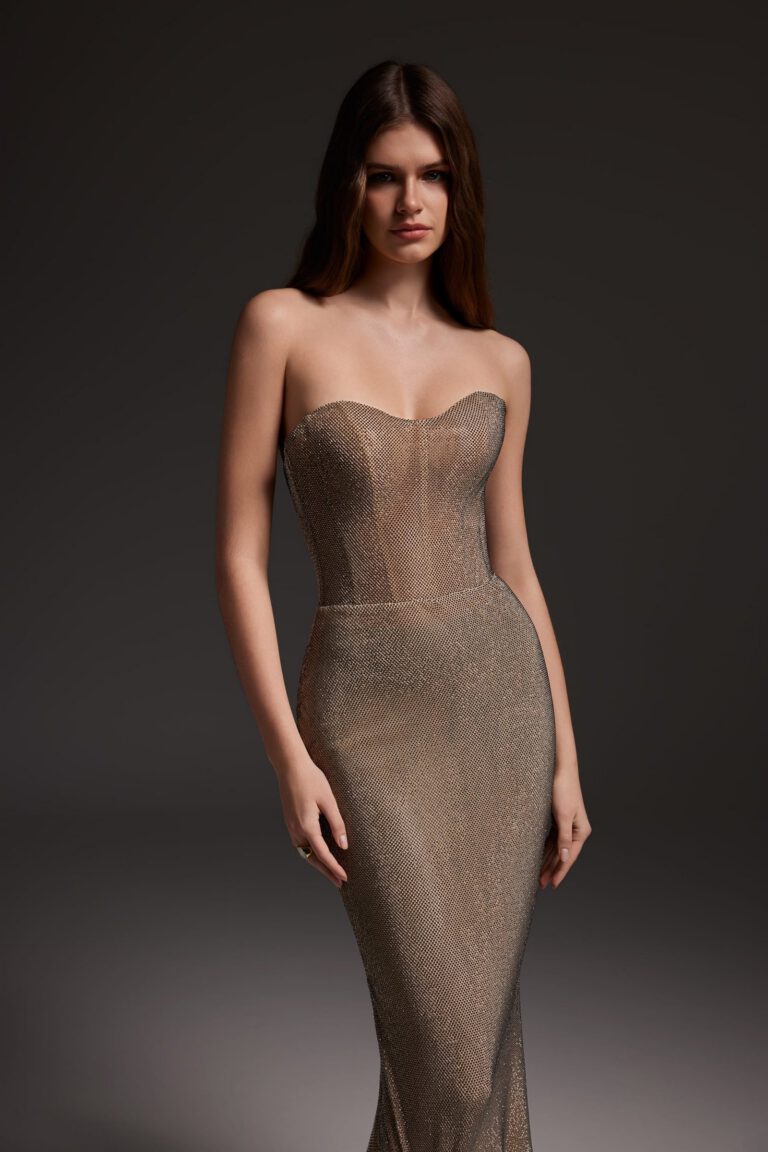
WONA Evening 2027
2705
60 435,00 ₴
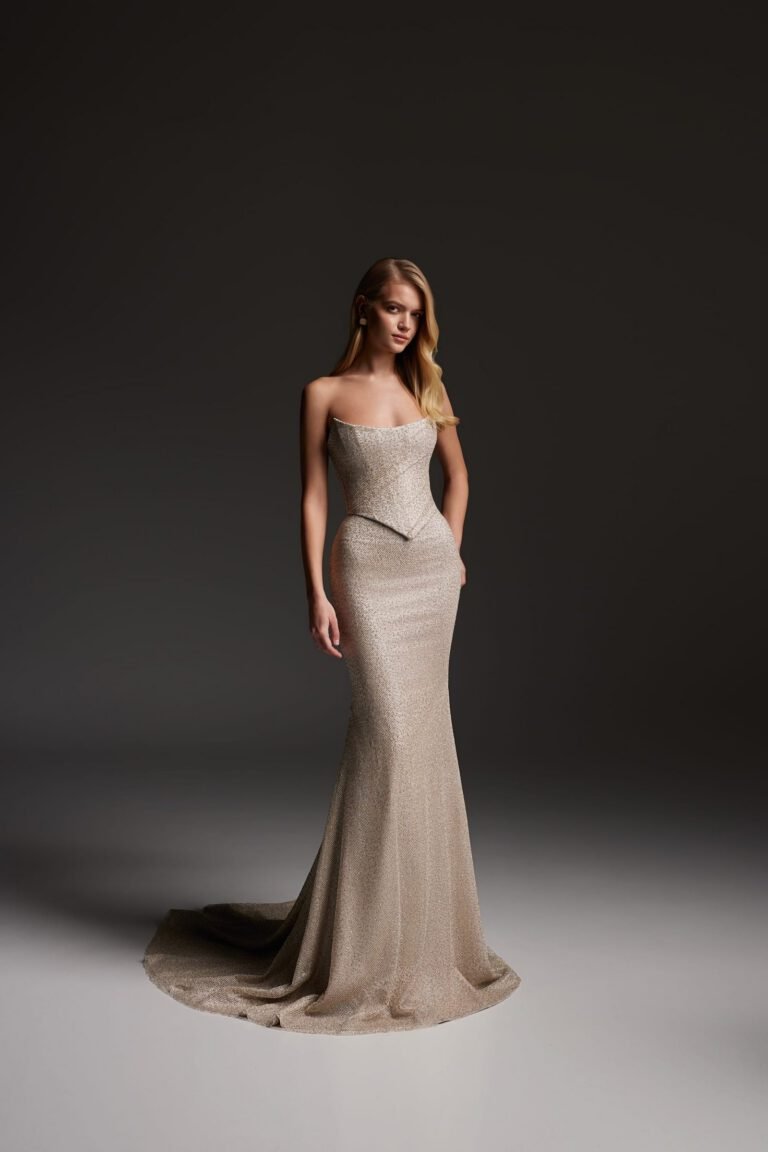
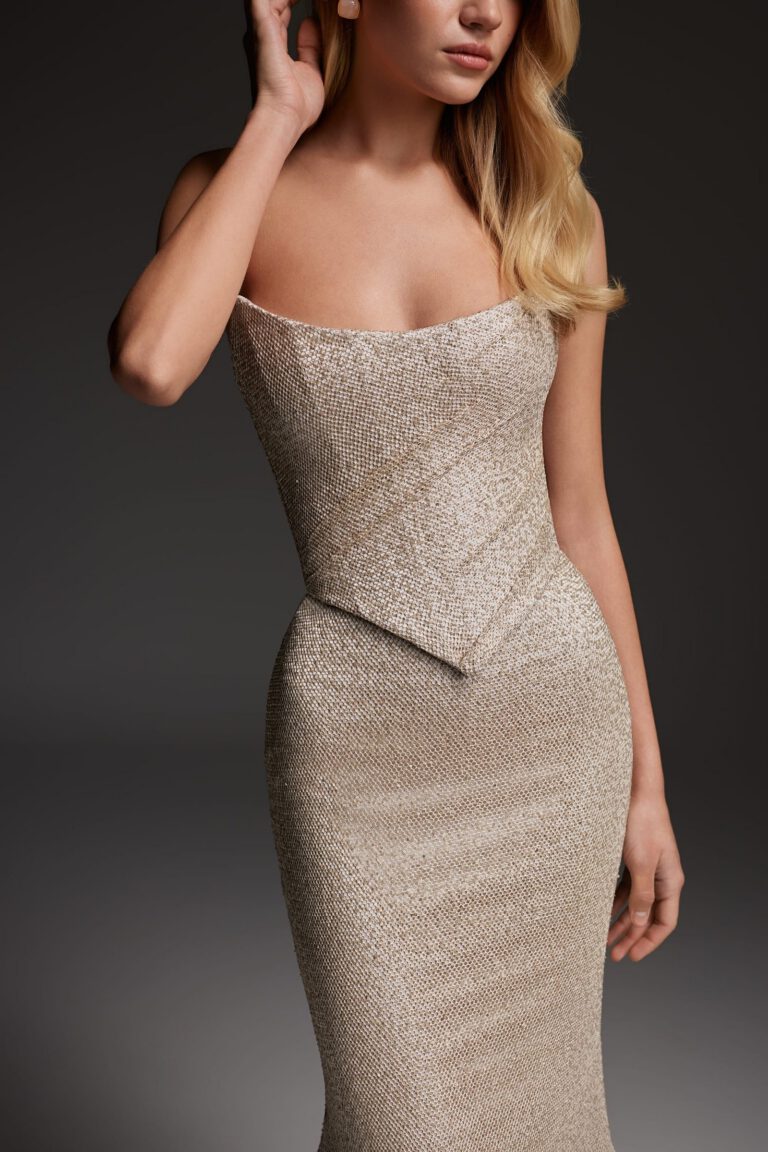
WONA Evening 2027
2708
68 355,00 ₴
Where the side parting goes into the back, the edge gradually moves away from the main length and forms a small extension. This is how a short train is read in the catalog, without the universal number in centimeters. Floor length describes the position of the hem around the dress, and the train is the extra back area.
The transition of the edge is more important than the general impression
Find the point where the lateral line begins to descend back and trace it to the farthest edge. Spread the top and bottom layers separately: their ends may not match. In a dress silhouette case the transition is often worth assessing in profile, so as not to confuse a small extension with the usual rear length.
Compared with drop plume the short remains closer to the main hem, but this does not guarantee comfort or the absence of the need to gather the hem. Take a few steps, turn around, sit down and stand up, then check where the rear end is. On the step, keep an eye on all the layers, not just the top layer.
During the fitting in CRYSTAL, take pictures of the plume directly and from the side before and after the movement. If the model has a loop or hook, ask to see how it is used and repeat it; the name itself does not confirm the length of such a detail.