






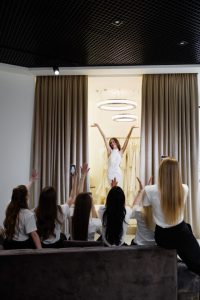

Wedding and evening dresses with a natural waist
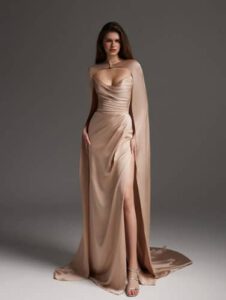
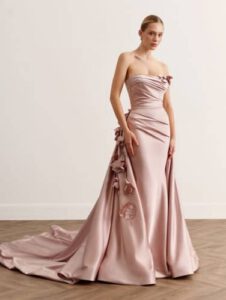
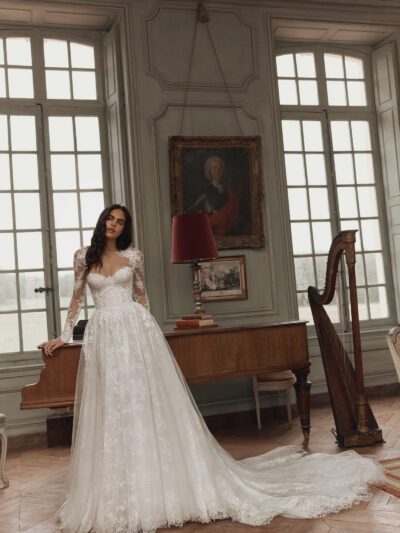
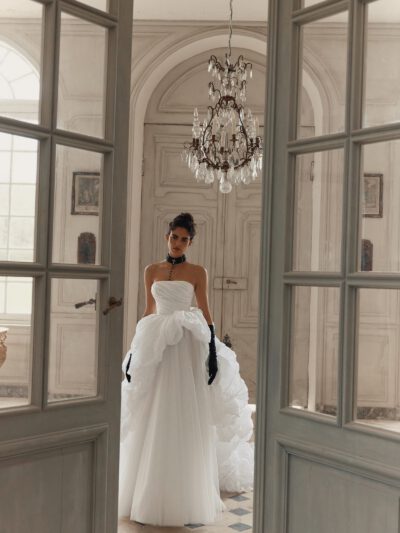
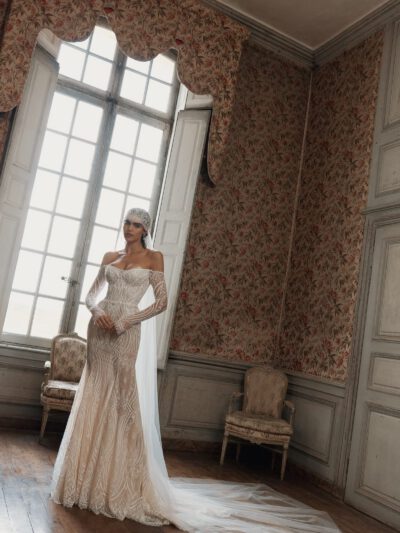
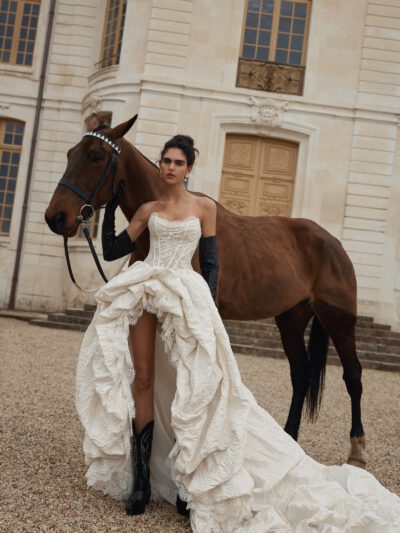
The natural waist line in the dress is approximately at the level of the natural curve of the body, but does not have to exactly match the individual waist. Find the seam or transition from the bodice to the skirt, compare the front, side and back height, then check it standing and sitting.
1214 model
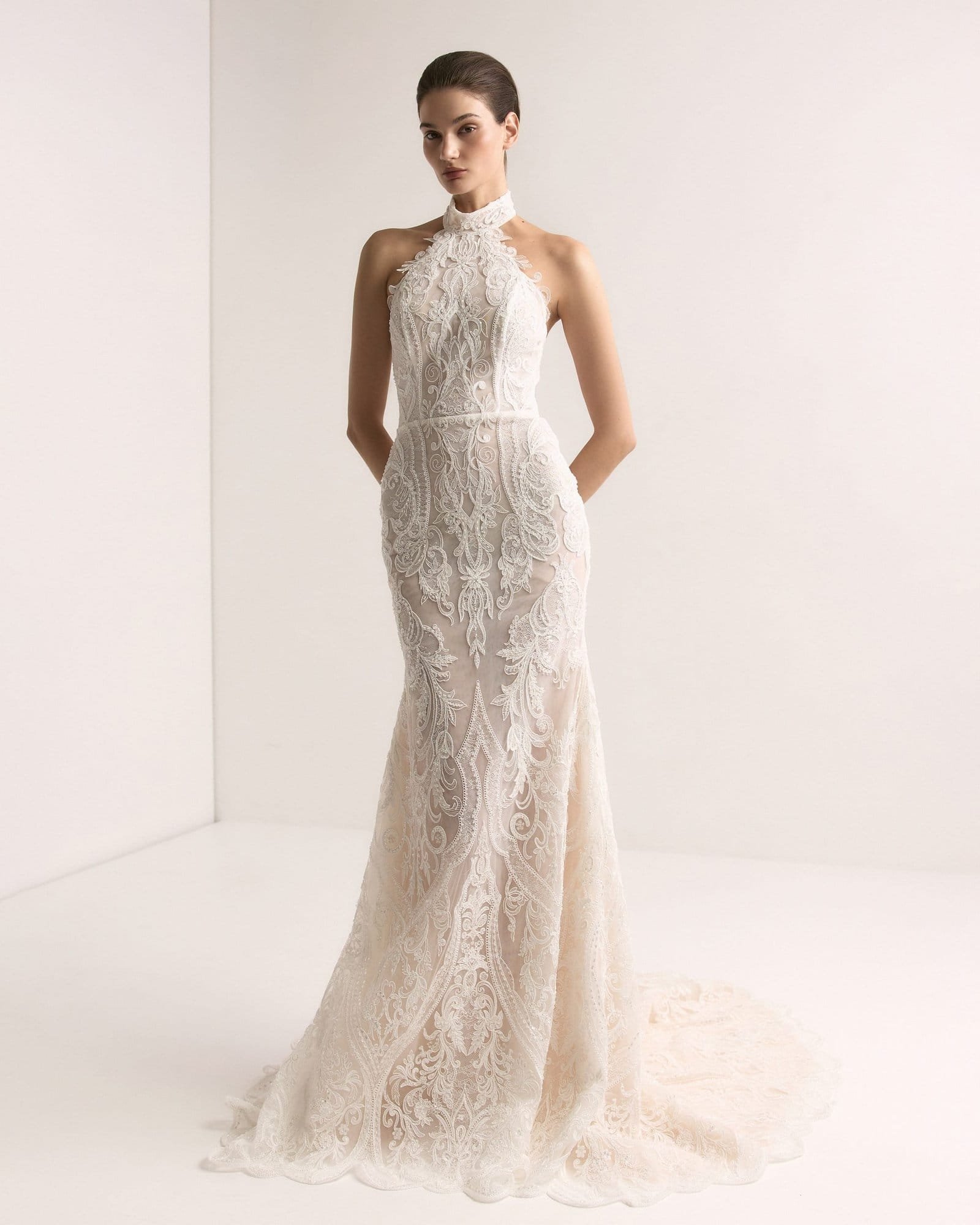
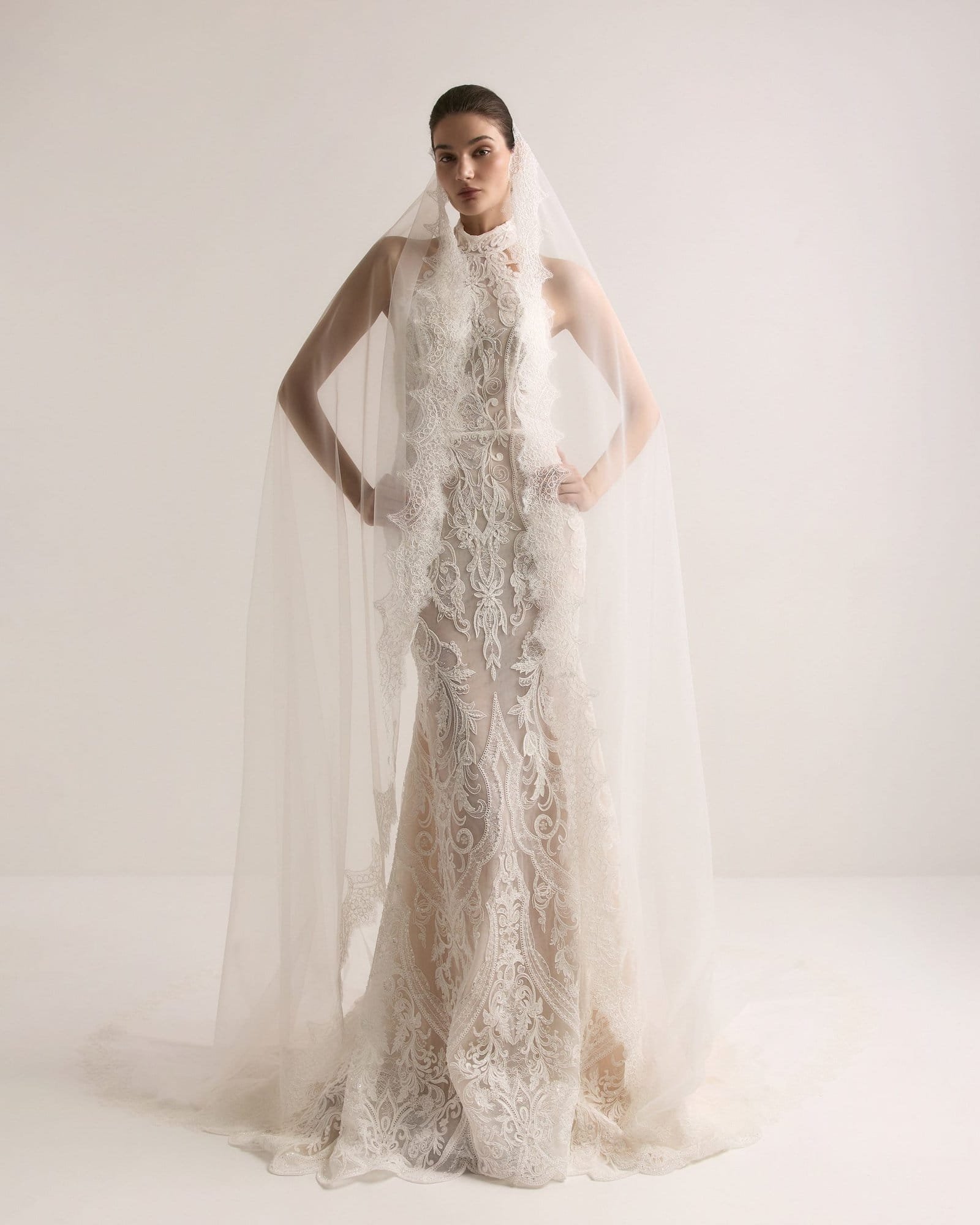
Crystal Edition
Lysenne
93 600,00 грн
 To order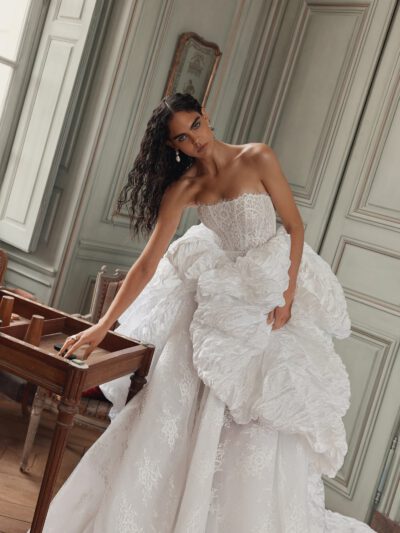
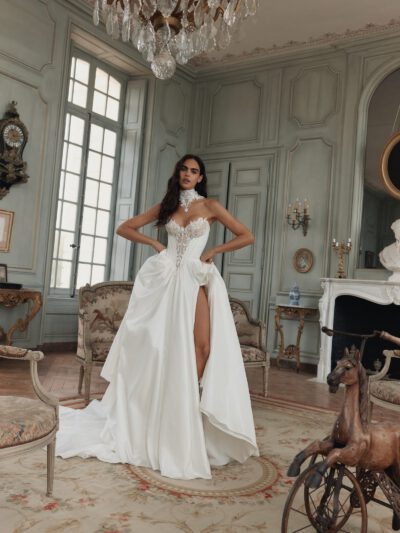
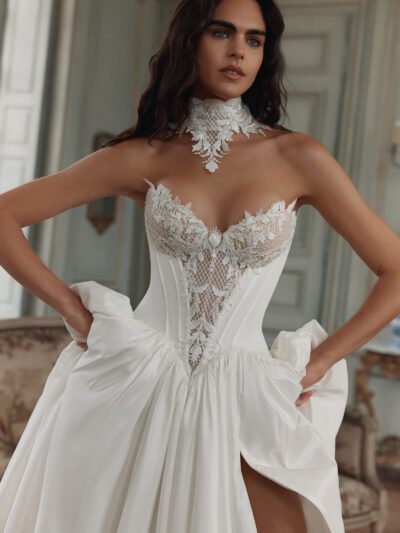
Atelier Heritage Edition
Overture
227 995,00 грн
Atelier Heritage Edition
Roxane
168 595,00 грн
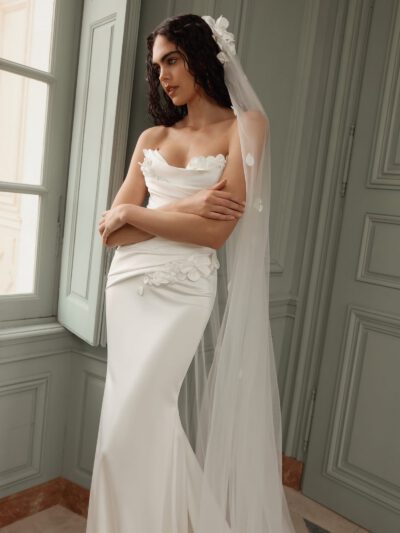 To order
Atelier Heritage Edition
Velare
121 075,00 грн
 To order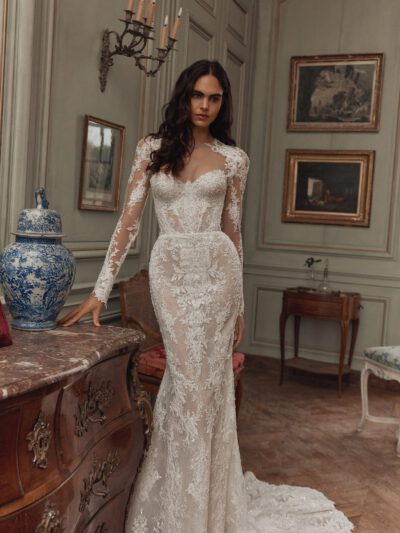
Atelier Heritage Edition
Renoar
311 155,00 грн


Atelier Heritage Edition
Dejavu
142 605,00 грн
 To order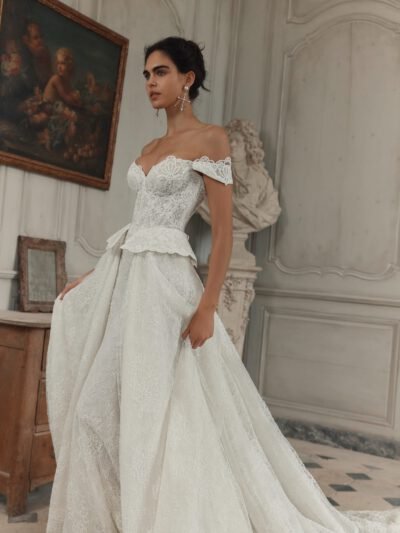
Atelier Heritage Edition
Nolen
243 585,00 грн
 To order
Atelier Heritage Edition
Erve
192 355,00 грн
 To order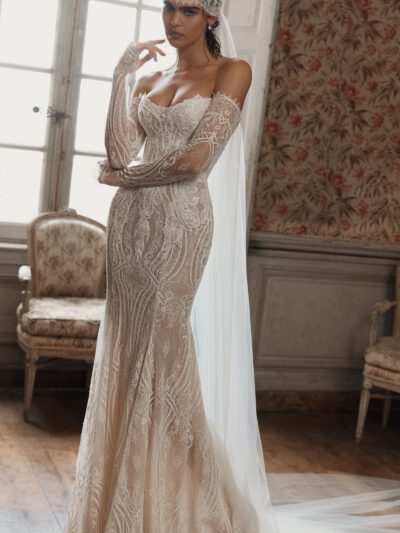
Atelier Heritage Edition
Rain
153 000,00 грн
 To order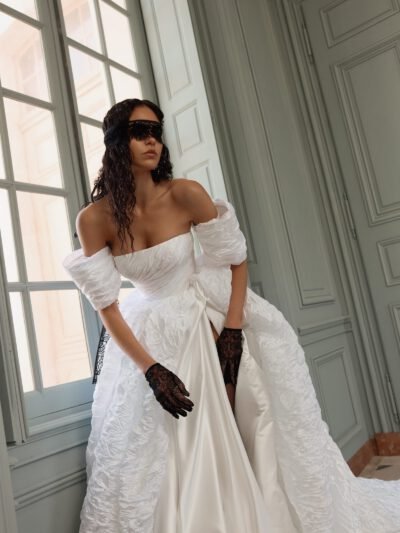
Atelier Heritage Edition
Mela
190 870,00 грн
 To order
Atelier Heritage Edition
Darren
232 450,00 грн
 To order
Atelier Heritage Edition
Beamount
291 105,00 грн
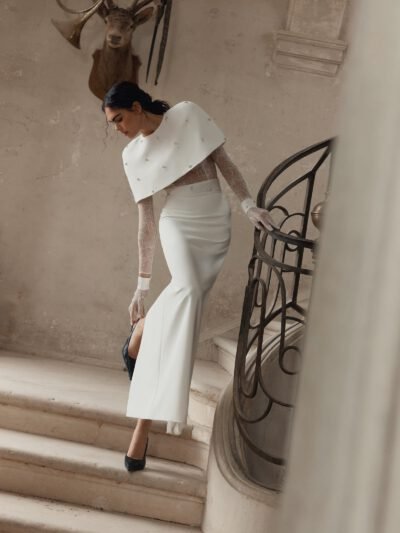 To order
Atelier Heritage Edition
Soho
138 895,00 грн
 To order
Atelier Heritage Edition
Scala
161 910,00 грн
 To order
Atelier Heritage Edition
Oscar
805 660,00 грн
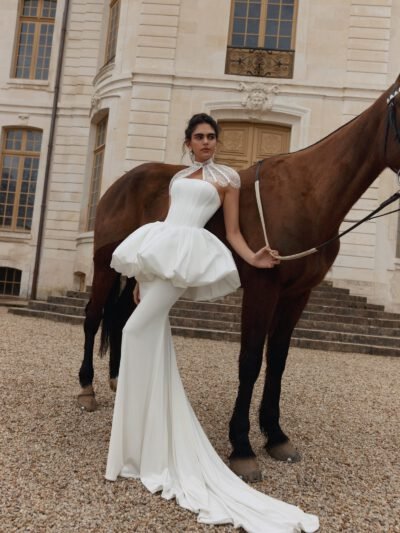 To order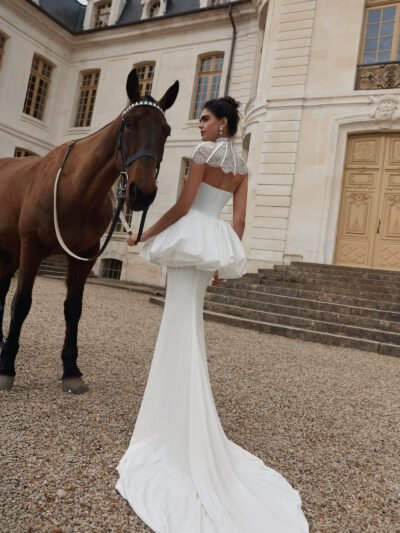
Atelier Heritage Edition
Million
186 415,00 грн
In a dress with a natural waist, the bodice meets the skirt about where the natural curve of the body would normally be. This is a design guideline, not an exact label for every person: body length and individual waists vary. Therefore, the name does not promise a universal fit, a slimmer look or compliance with a certain type of figure.
Find the line, not guess it
Look for a horizontal seam, a change in the direction of the pleats, the end of the bodice, or the beginning of the volume of the skirt. On A-silhouettes from this zone, a flare is often read, but the specific transition can be covered with lace or drapery. Mark your own waist in a normal position and compare it to the design of the dress from the front, profile and back. It is important to see not only the height, but also whether the line remains horizontal around the body.
Basque waist descends at an angle or arc, understated passes below, and empire raises the passage closer to the chest. Belt is a visible decorative detail: it can coincide with a structural seam, overlap it or create another accent, so these concepts are not interchangeable.
Sit down, straighten up, and stand in front of the mirror again. See if the seam changes in relation to your waist, where the bodice forms pleats, and how the skirt begins to form a profile. Then take a photo from the back: the clasp and decor can change the reading of the same height. On samples in CRYSTAL compare models in the same pose - so the difference between the design lines will be more noticeable.