


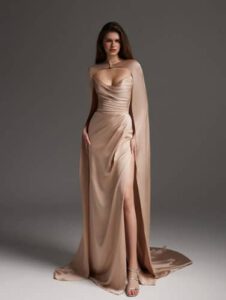
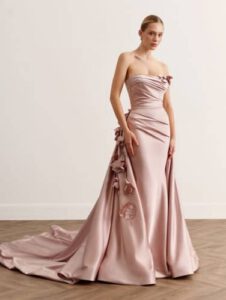
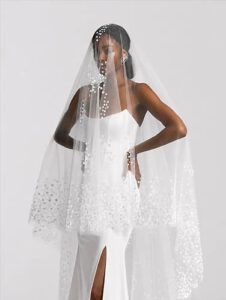


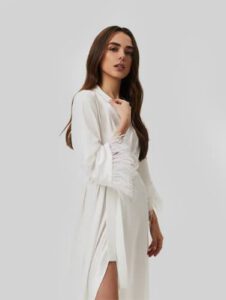



Wedding and evening dresses with a low waist
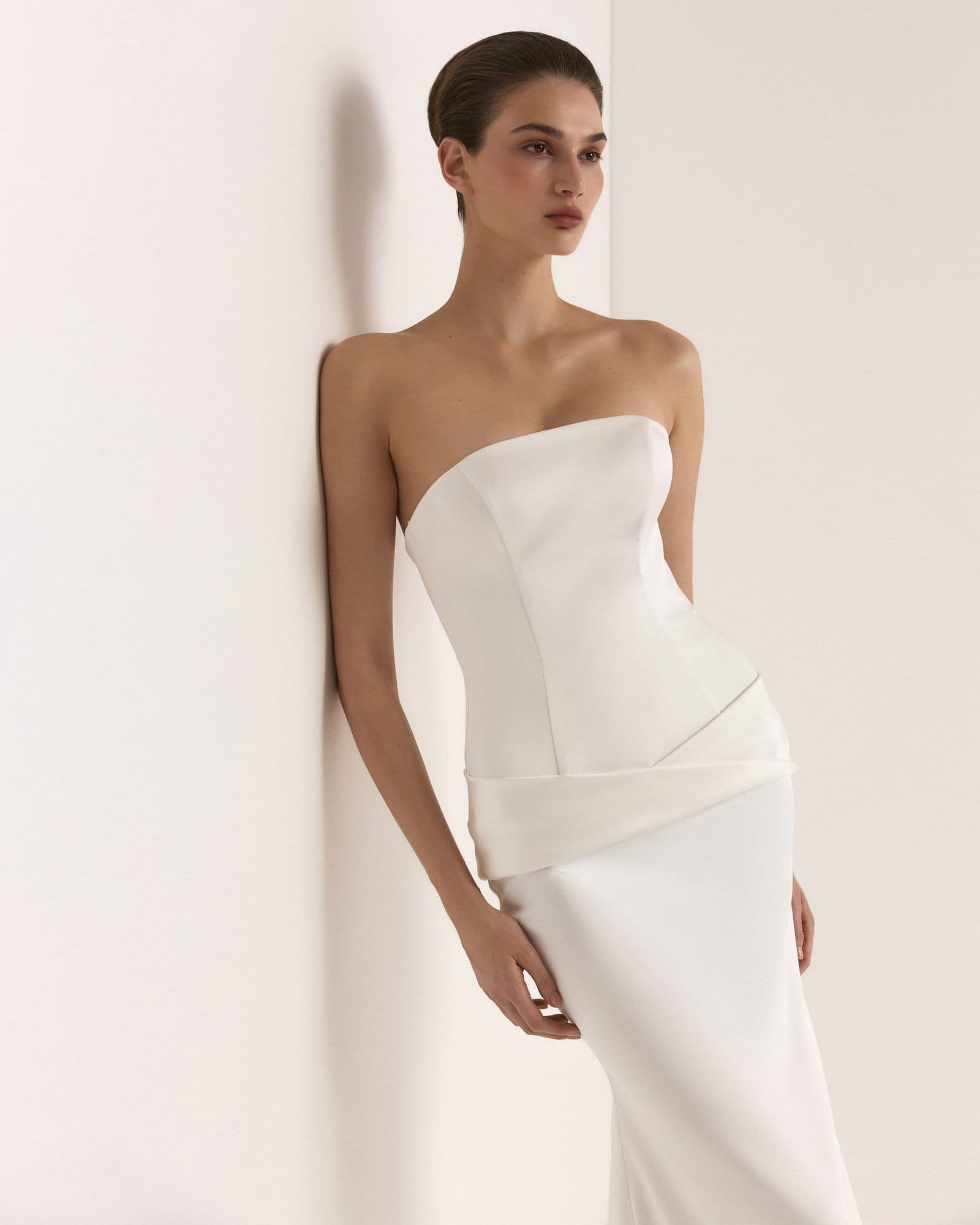
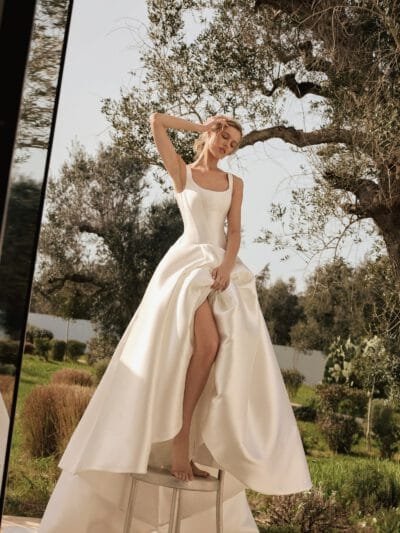
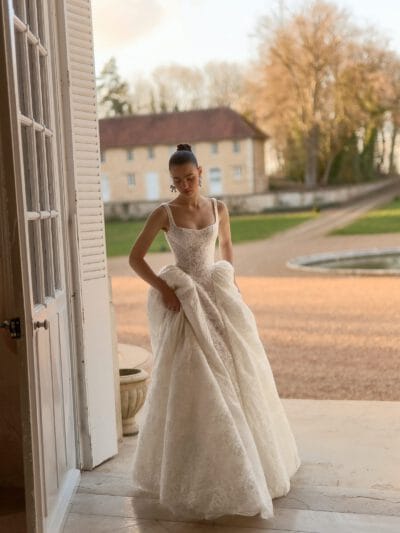
A dropped waist moves the bodice-to-skirt transition below the natural area along a prominent part of the body. Trace it from the front, through the side seams and out the back, match it to the beginning of the skirt and trim, then sit. One low point or a long corset does not yet confirm such a design.
40 model
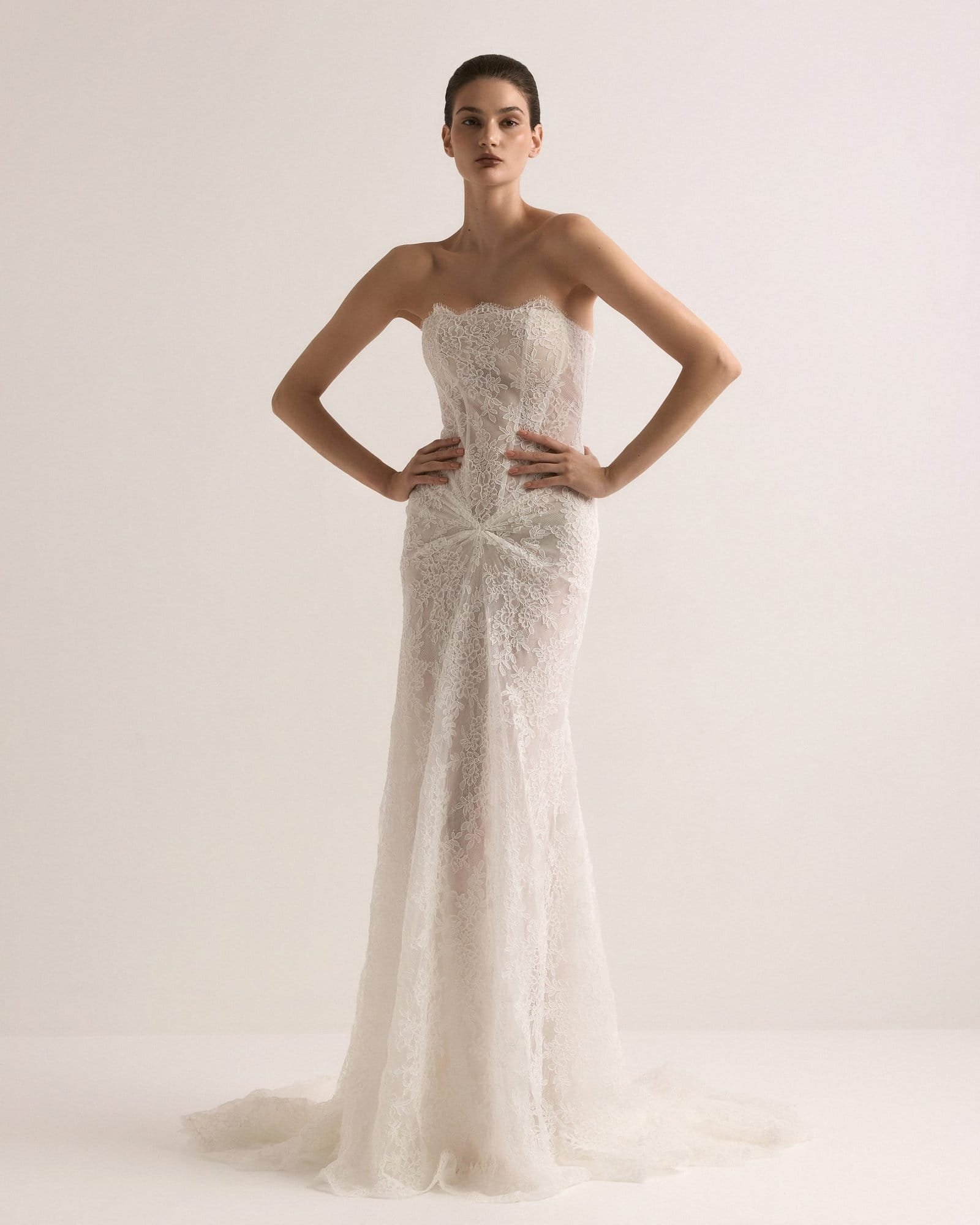
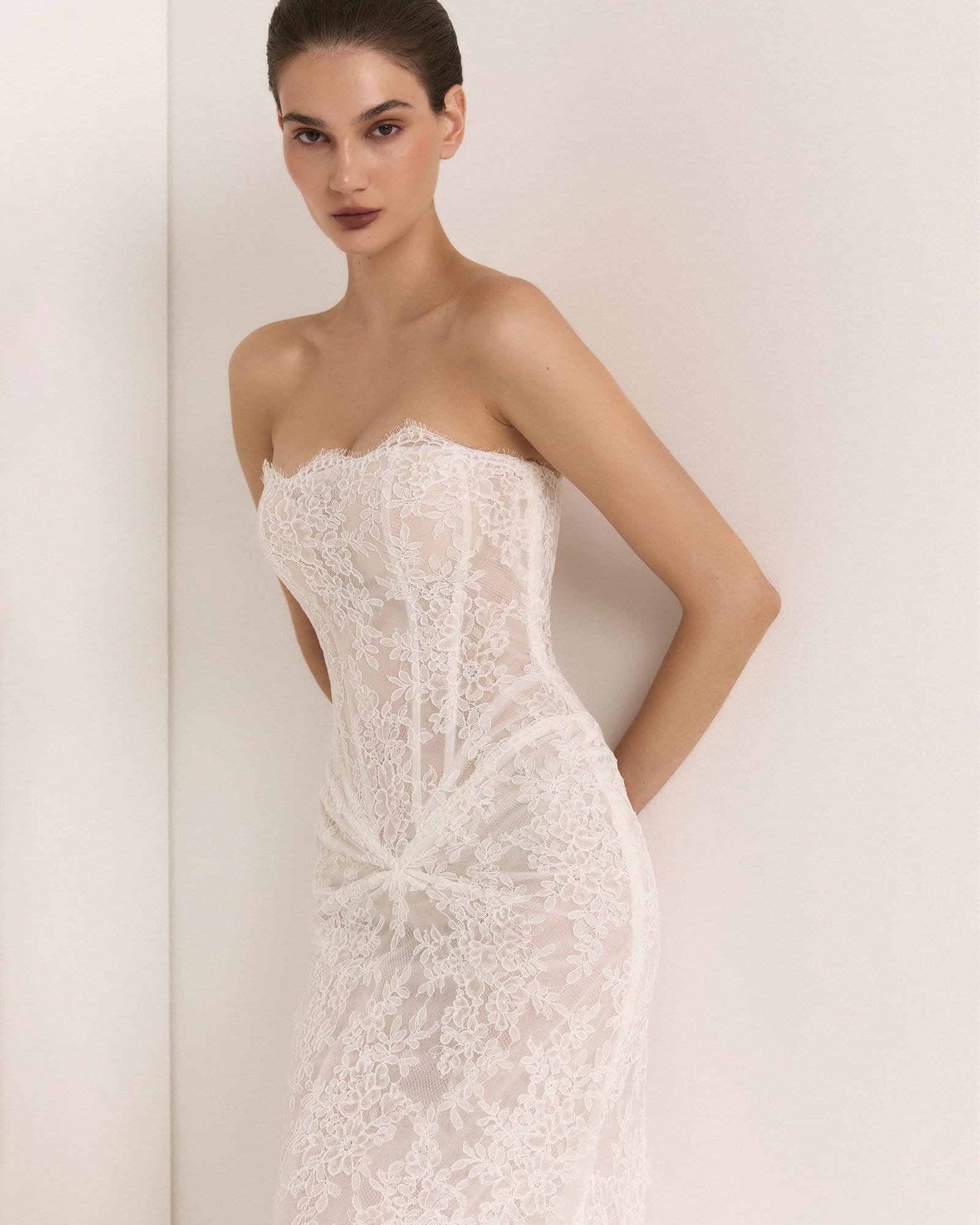
Crystal Edition
Silenne
166 365,00 грн
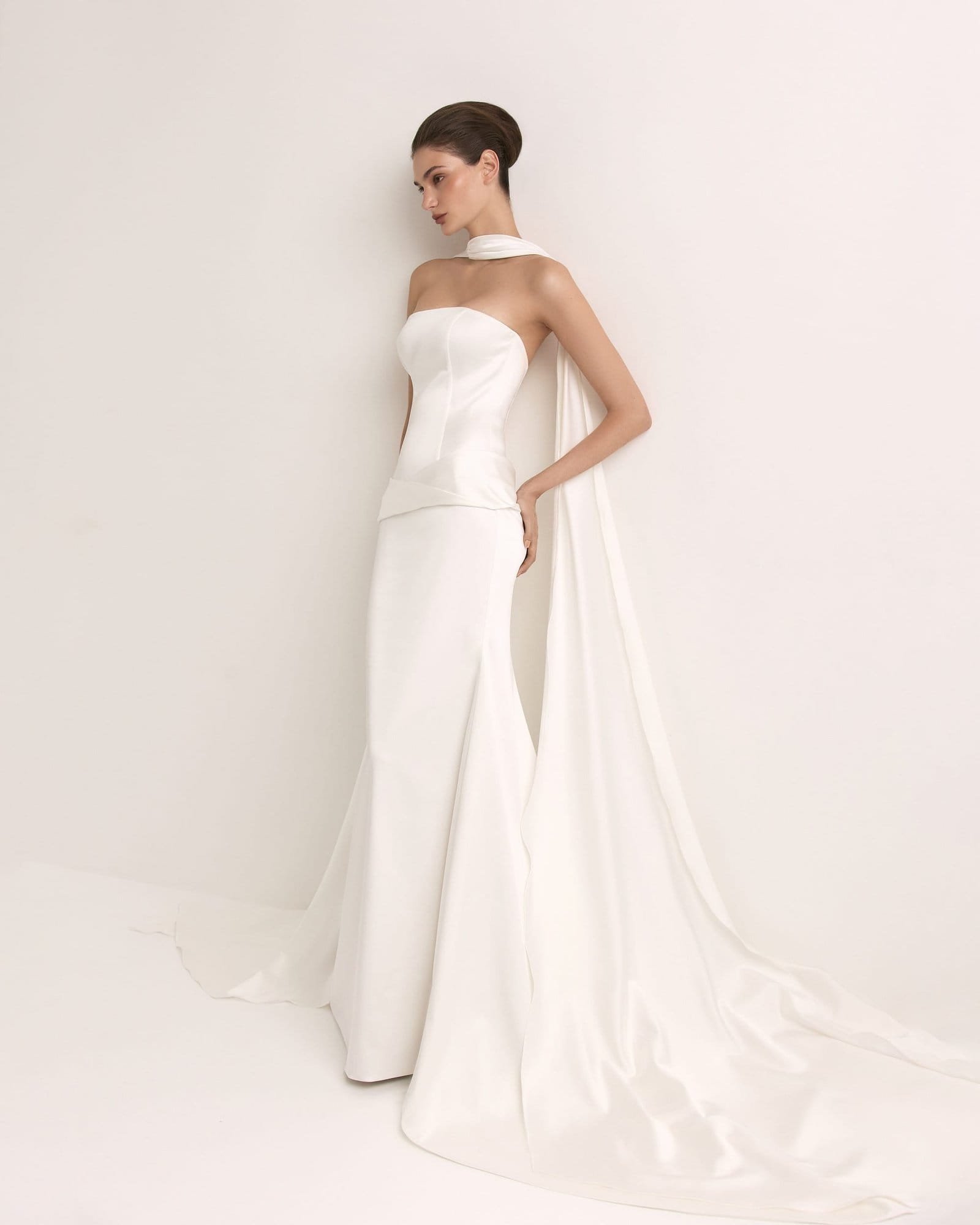
Crystal Edition
Elan
64 890,00 грн

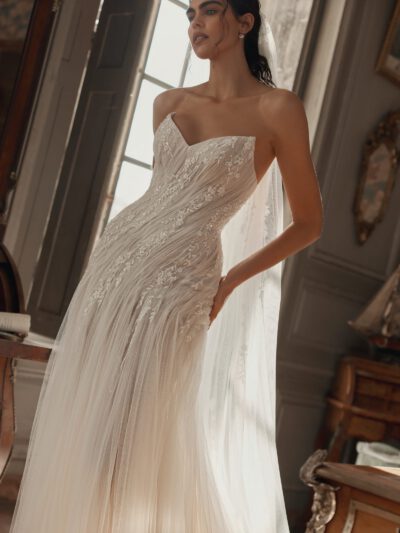
Atelier Heritage Edition
Dacor
179 730,00 грн
 To order
Atelier Heritage Edition
Trophee
132 210,00 грн
 To order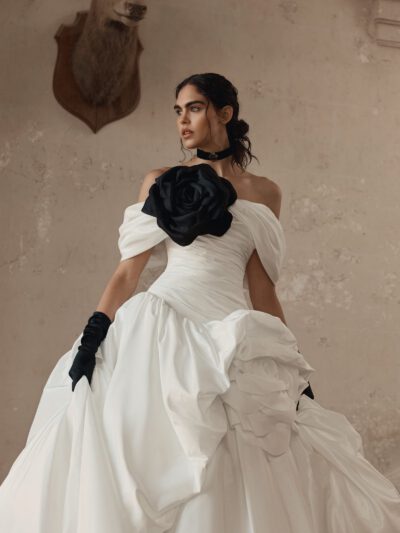
Atelier Heritage Edition
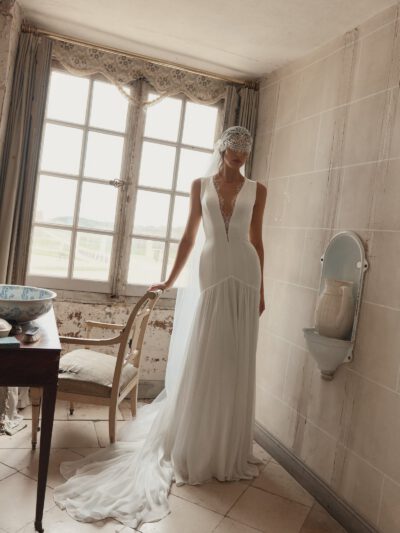
Arcane
160 425,00 грн
 To order
Atelier Heritage Edition
Larson
115 135,00 грн
 To order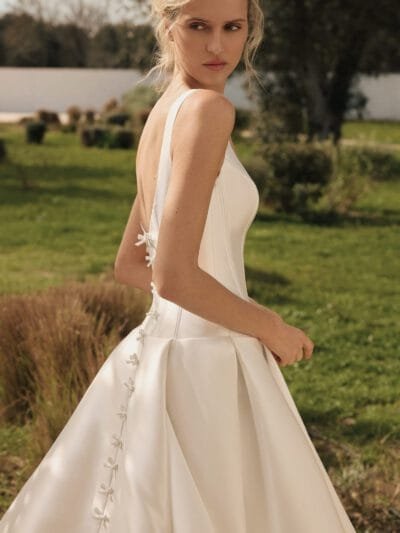
Less is More VI
Bonn
77 265,00 грн
 To order
Less is More VI
Summer
86 670,00 грн
 To order
Less is More VI
Solene
170 325,00 грн
 To order
Less is More VI
Dorian
82 710,00 грн
 To order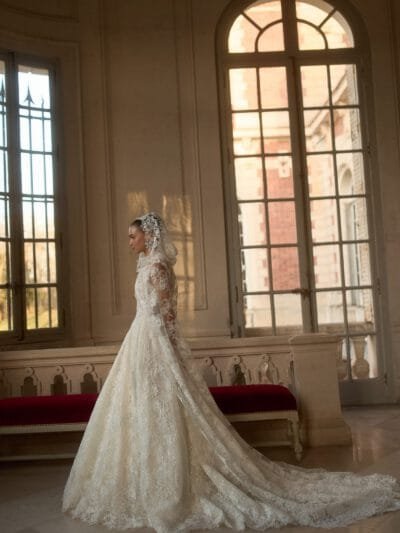
Maison Blanche
Marion
131 715,00 грн
 To order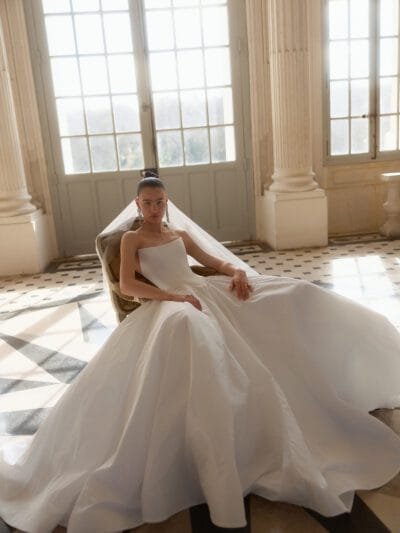
Maison Blanche
Aster
97 065,00 грн
 To order
WONA Concept x Katie One
Look 5
78 750,00 грн
White Edit
Arno
75 780,00 грн
White Edit
Orion
80 235,00 грн
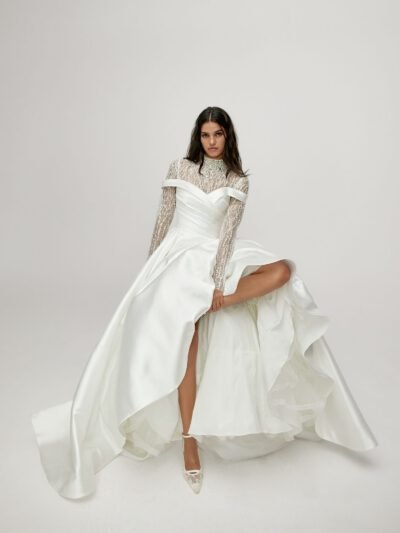
White Edit
Prestige
95 085,00 грн
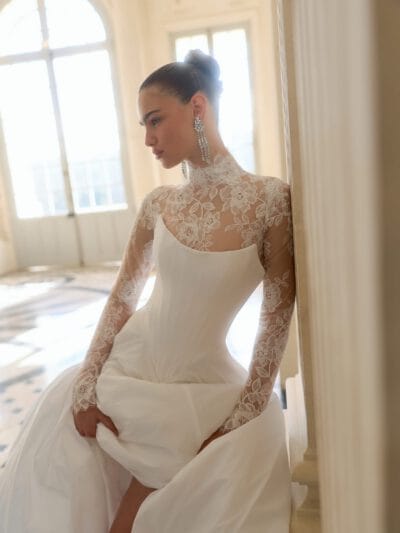
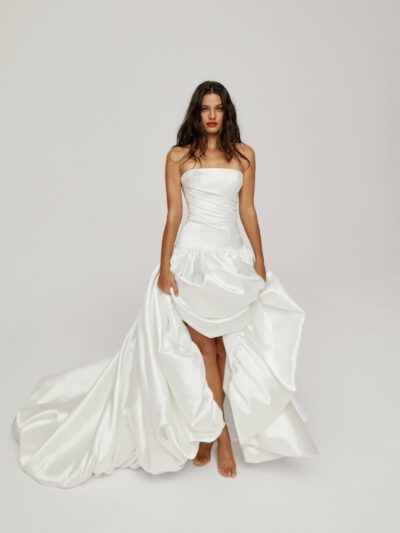
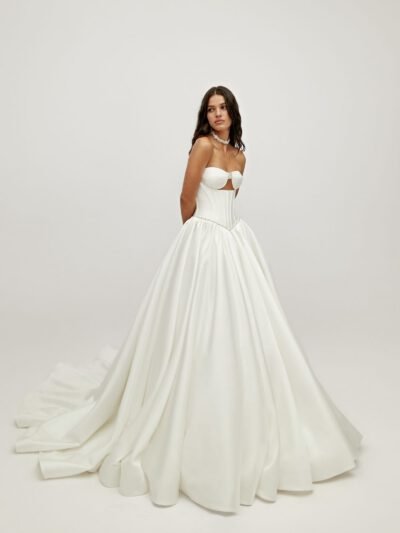
The side view reveals a low waist most quickly: the transition from the bodice to the skirt passes below the natural zone not only in one central point, but along a prominent part of the body. It can vary in height from the front and back, so the name on the card isn't enough - you need to find the actual seam, the edge of the bodice, or where the skirt starts.
Natural waist places this transition closer to the natural bend. IN basque waist mainly the central V- or U-shaped point falls below, while the sides may remain higher. Long corset bodice also goes in lower, but doesn't mean a dropped waist by itself: trace exactly where it meets the top of the skirt.
See how the transition interacts with the decor. Collection can lead folds to the seam or partially hide its direction; on lace it is important to trace the pattern through the front, both sides and the back. Compare these points on the same level of the mirror: this way you can see the structure, and not a random tilt from the pose.
When trying on, stand up straight, turn on both sides, and take a shot from the back. Then sit without first correcting the dress: note where the transition is, how the fabric folds next to it and whether the line returns after lifting. At the fitting room in CRYSTAL, compare standing and sitting photos and check the beginning of the skirt separately. This gives a specific estimate of the model without promises of lengthening the body or conforming to a certain height.