


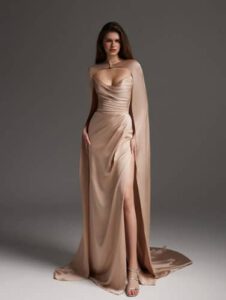
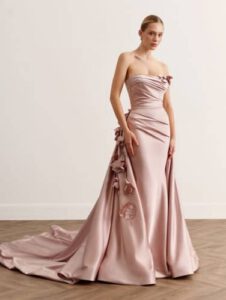
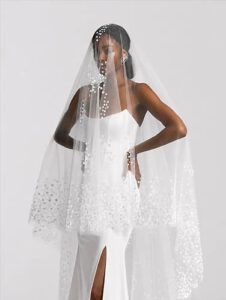




Wedding and evening dresses with sewn cups
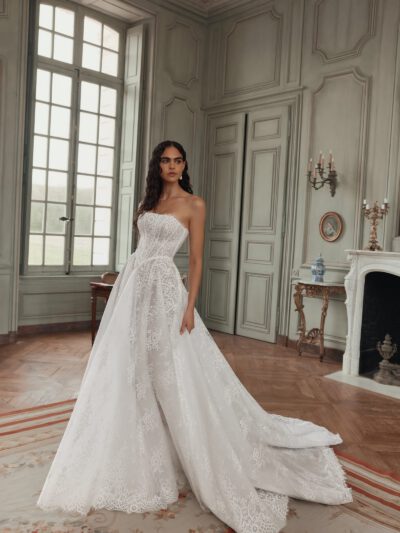
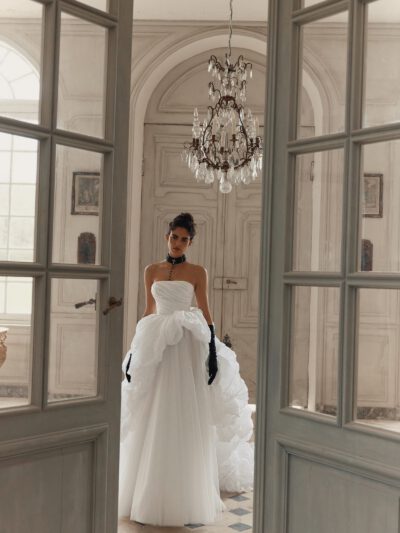
Sewn-in cups create a visible or fabric-concealed contour inside the bodice, but do not guarantee the right size, support or rejection of underwear. Check the position of the cups in relation to the bust, the symmetry, the edge under the fabric and the appearance of the neckline while standing, in profile, while sitting and while moving.
562 model
 To order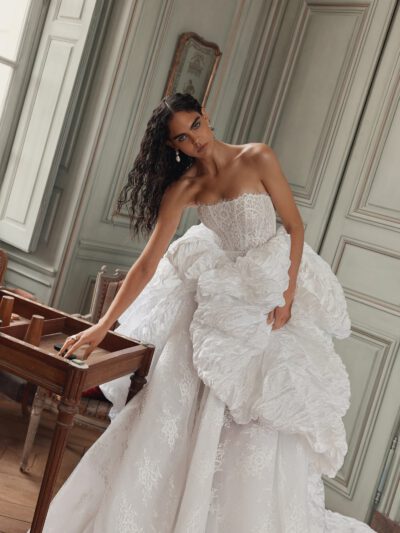
Atelier Heritage Edition
Overture
227 995,00 грн
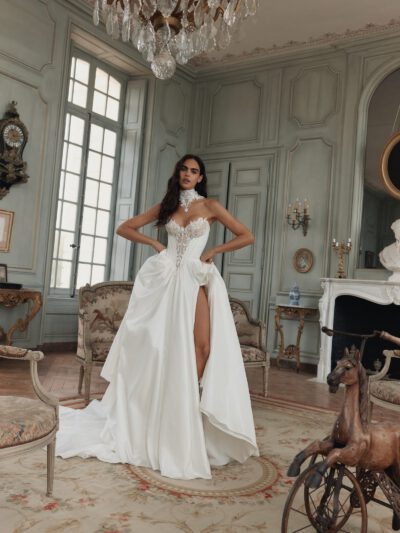
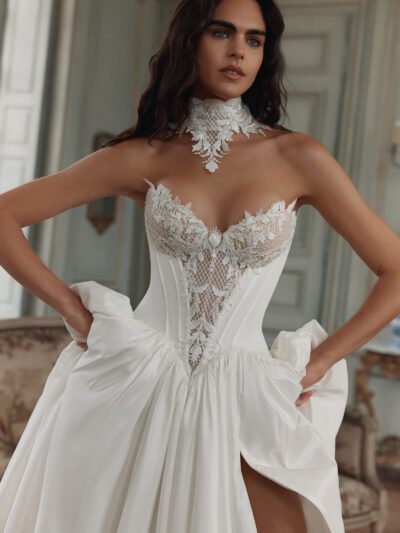
Atelier Heritage Edition
Roxane
168 595,00 грн
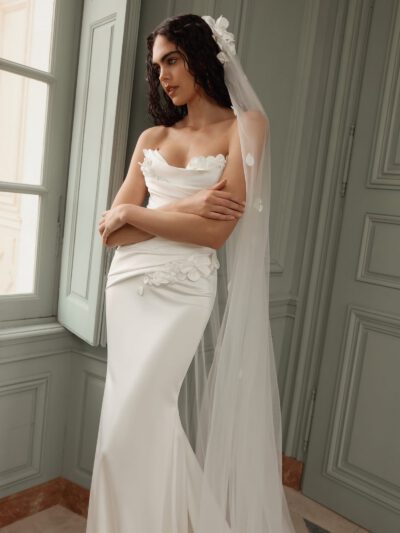 To order
Atelier Heritage Edition
Velare
121 075,00 грн
 To order
Atelier Heritage Edition
Trophee
132 210,00 грн
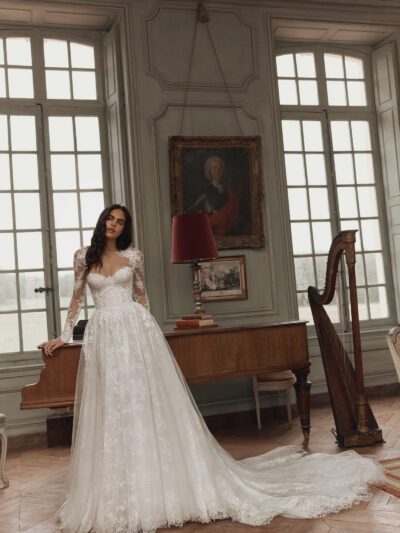 To order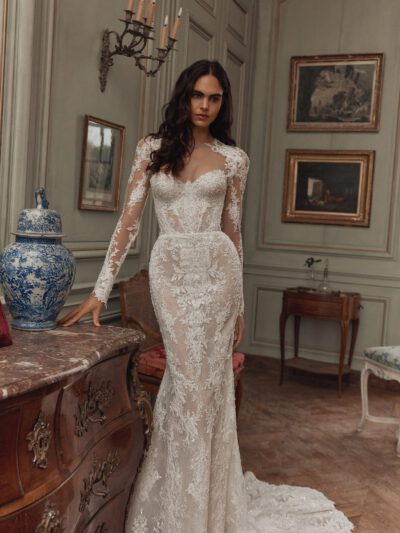
Atelier Heritage Edition
Renoar
311 155,00 грн
 To order
Atelier Heritage Edition
Eterno
184 930,00 грн


Atelier Heritage Edition
Dejavu
142 605,00 грн
 To order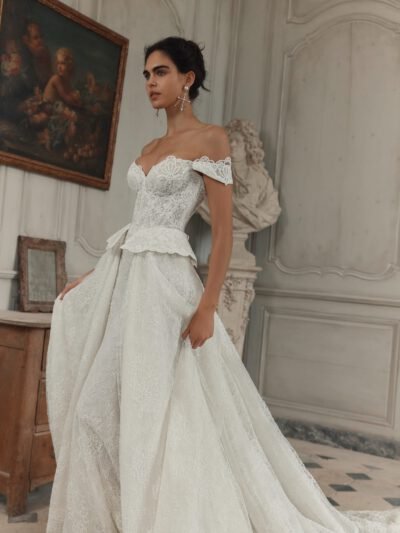
Atelier Heritage Edition
Nolen
243 585,00 грн
 To order
Atelier Heritage Edition
Erve
192 355,00 грн
 To order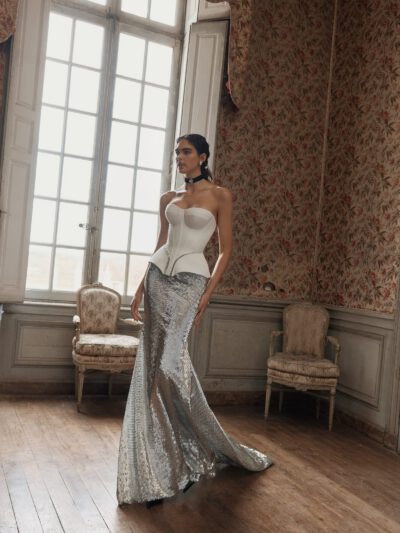
Atelier Heritage Edition
Spectrum
155 230,00 грн
 To order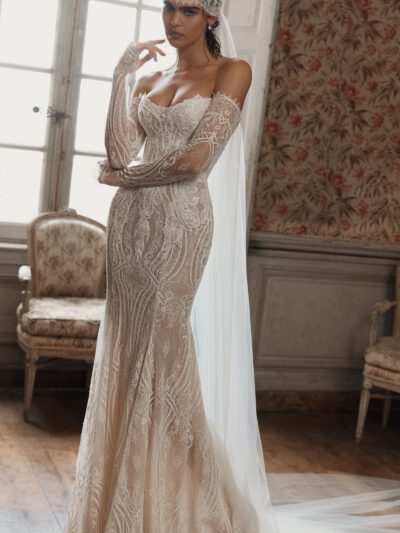
Atelier Heritage Edition
Rain
153 000,00 грн
 To order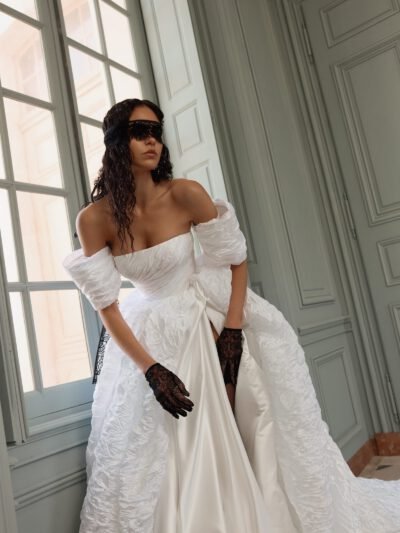
Atelier Heritage Edition
Mela
190 870,00 грн
 To order
Atelier Heritage Edition
Larson
115 135,00 грн
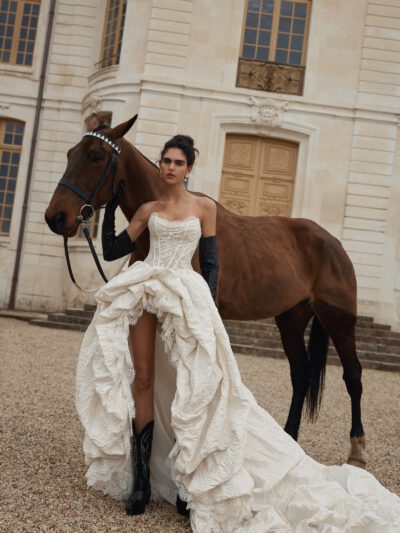 To order
Atelier Heritage Edition
Darren
232 450,00 грн
 To order
Atelier Heritage Edition
Beamount
291 105,00 грн
 To order
Atelier Heritage Edition
Scala
161 910,00 грн
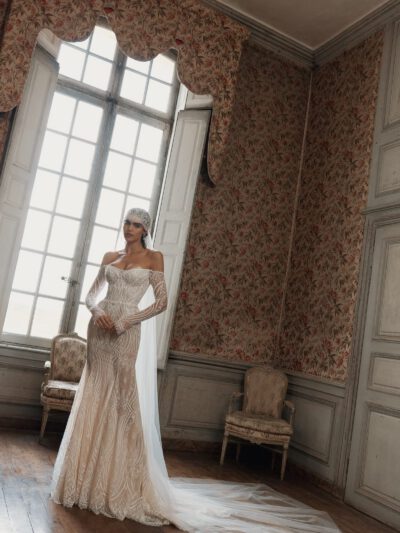
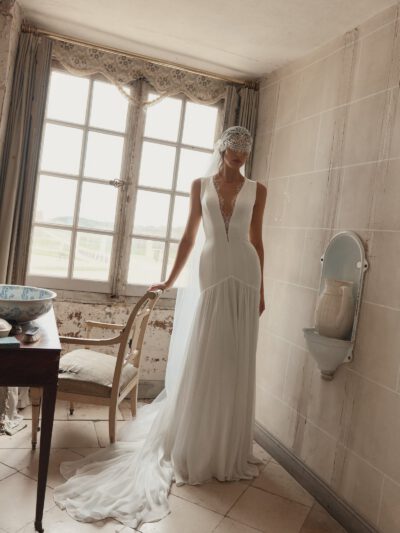
A side view often shows more than a front view: you can see where the contour of the sewn cup begins and ends and how it relates to the edge of the neckline. In some models, the form is read through the fabric, in others it remains almost invisible. The attribute itself does not determine size, level of support, need for underwear, or fit for a particular figure.
The contour is compared with the cutout, not with the name
First, compare the center of the right and left cups, the height of their edges and their position relative to the chest. Near heart-shaped cut trace whether the inner contour repeats two arcs; for a straight or other neck, check the fit of its line. Take a profile shot in even light: this way it's easier to see the edge under a smooth fabric or the unevenness of the decor.
Corset bodice describes the structure of the entire top, and corset bones — individual linear elements. None of these signs automatically prove the presence of cups, and vice versa. The card and review of the specific dress must confirm each detail separately.
On samples in CRYSTAL assess the position of the cups while standing and sitting, then raise and extend your arms. Check the symmetry, the edge under the fabric and the lateral line after movement. If a change is required, the possibility and limits of adjustment should be discussed with the master for this particular model, without assuming the result in advance.