










Wedding and evening dresses in the floor
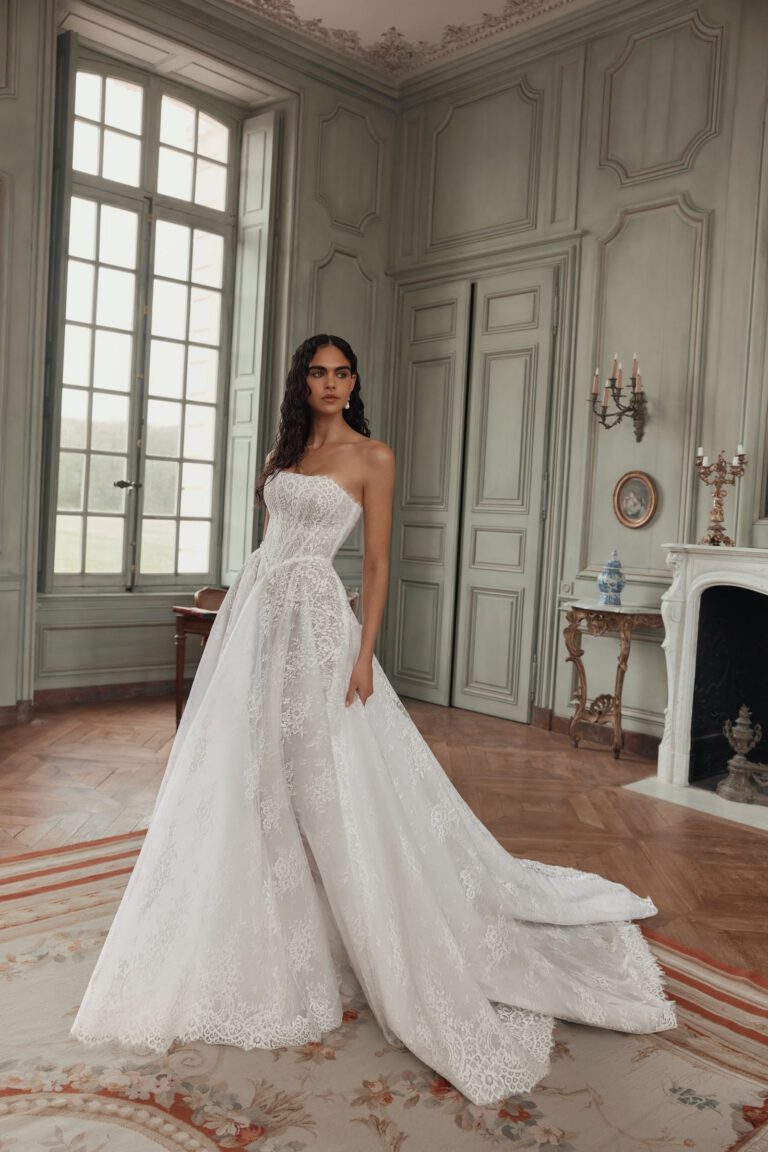
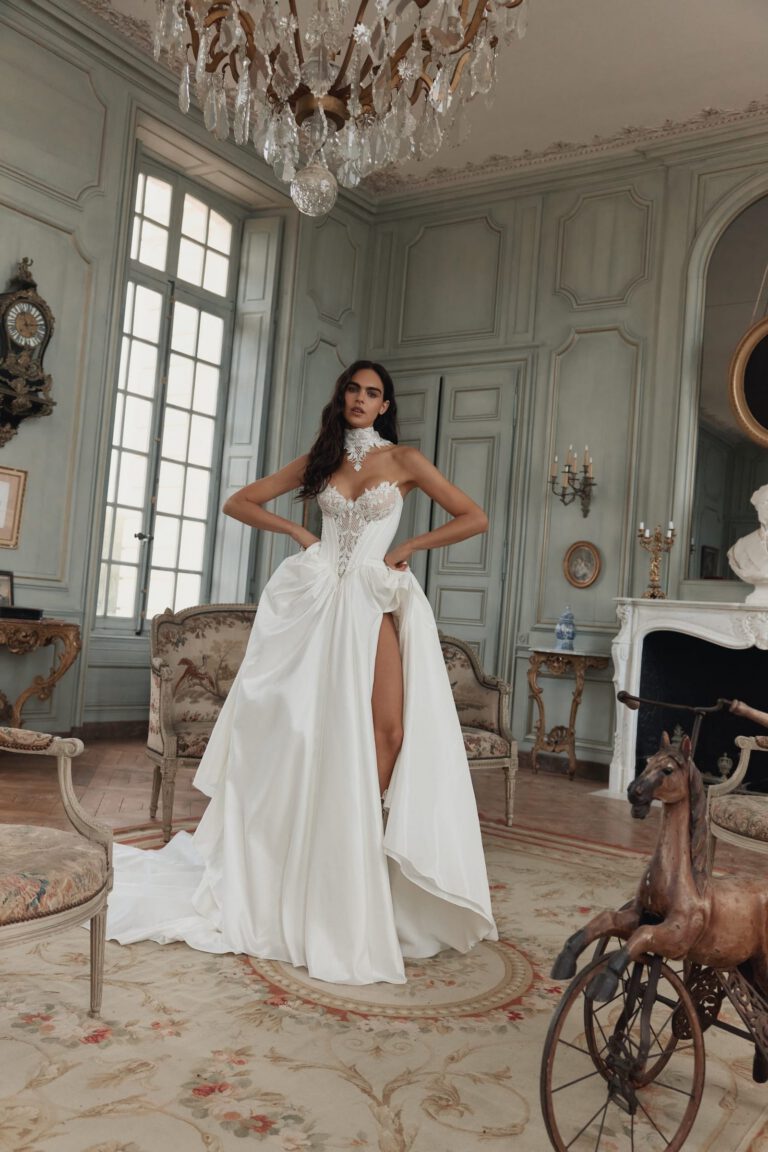
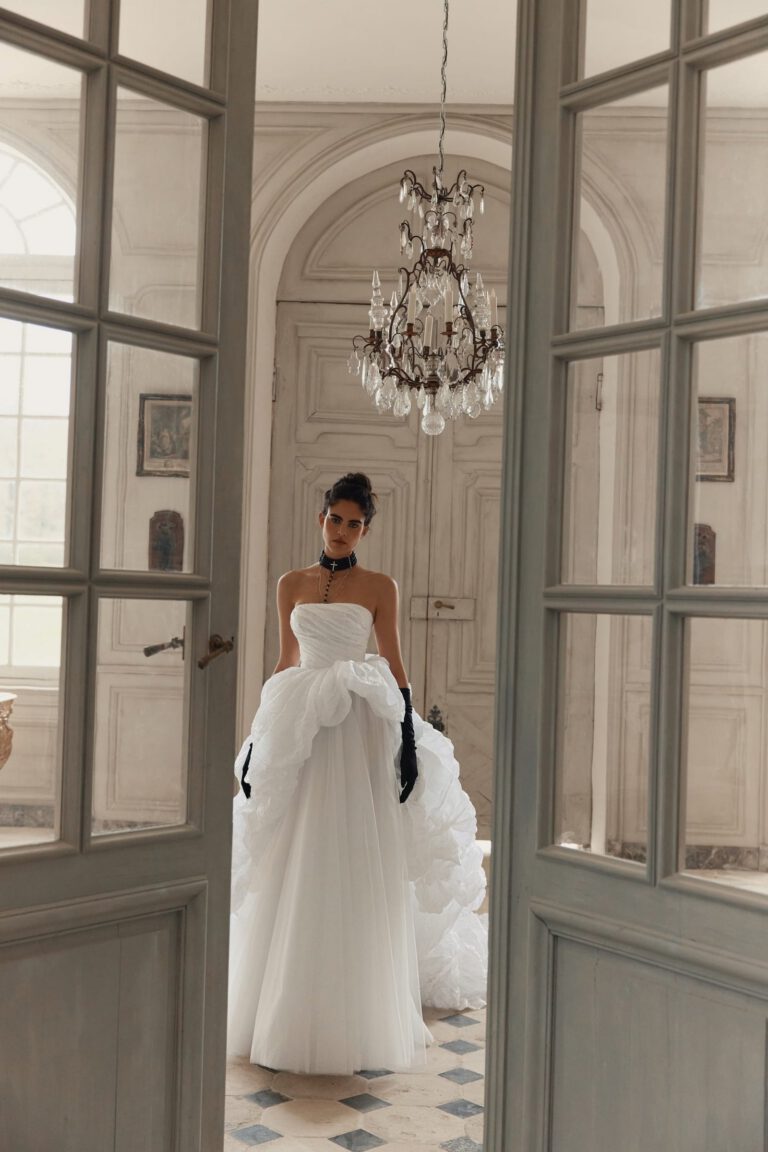
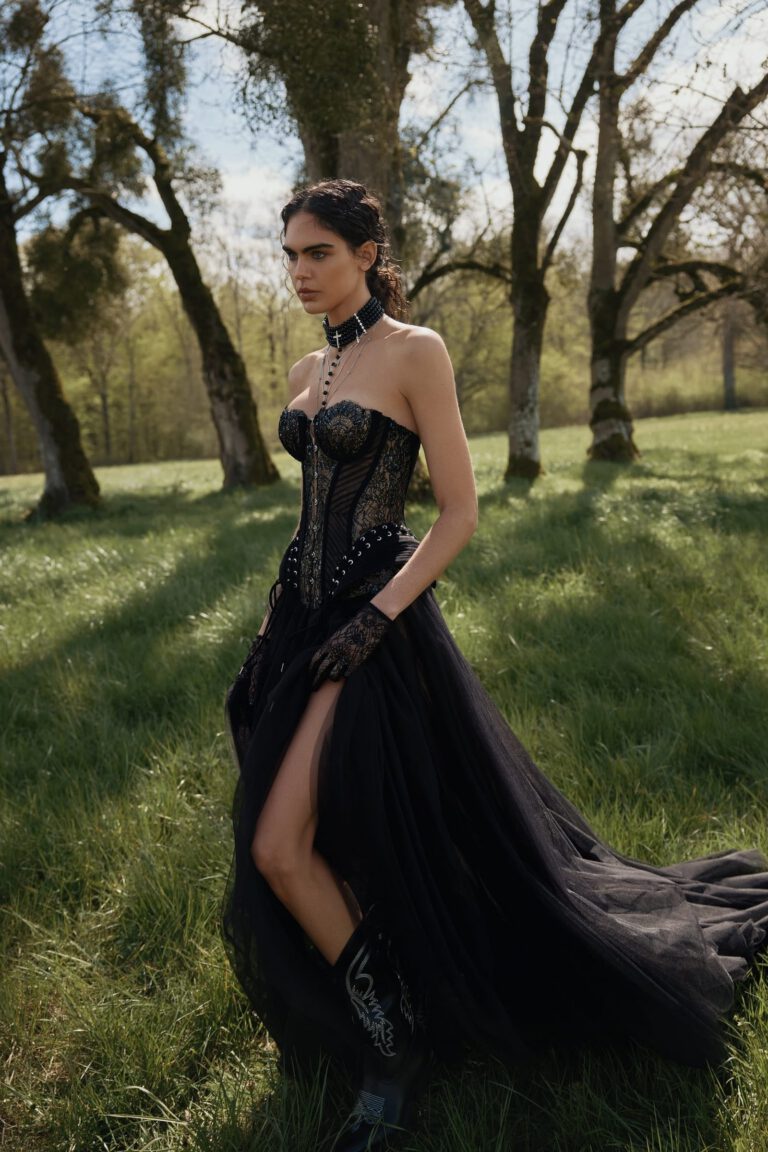
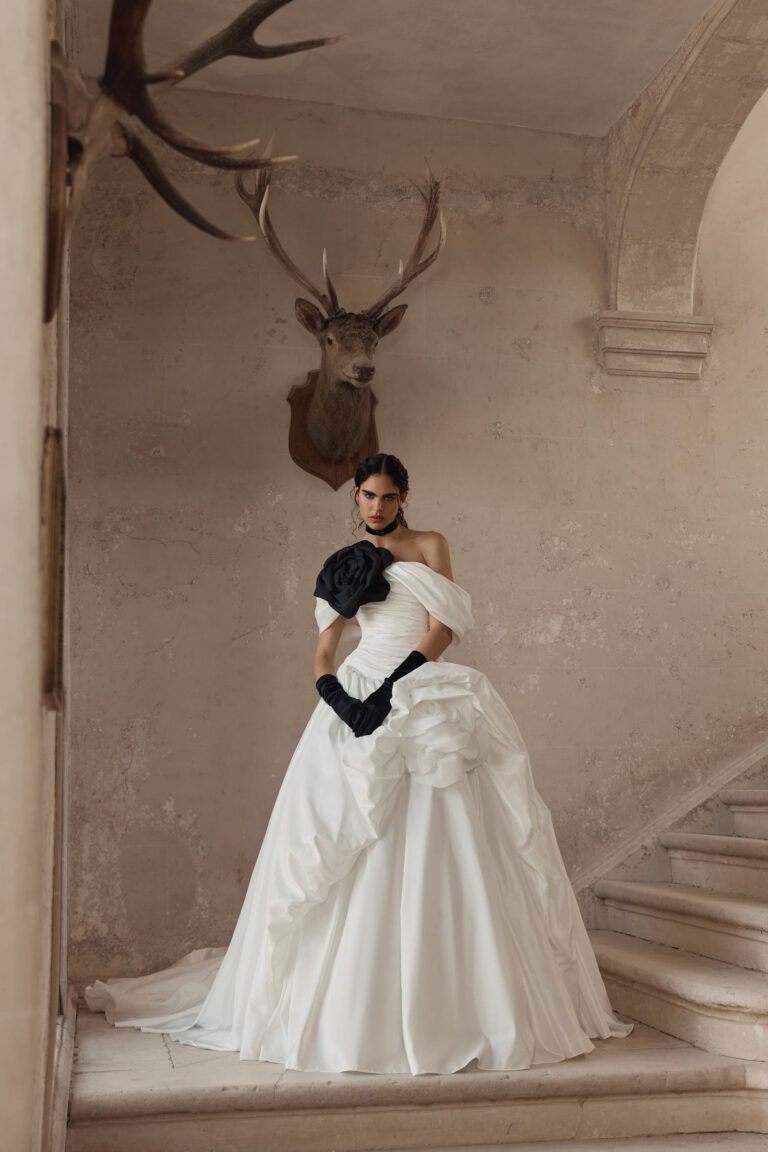
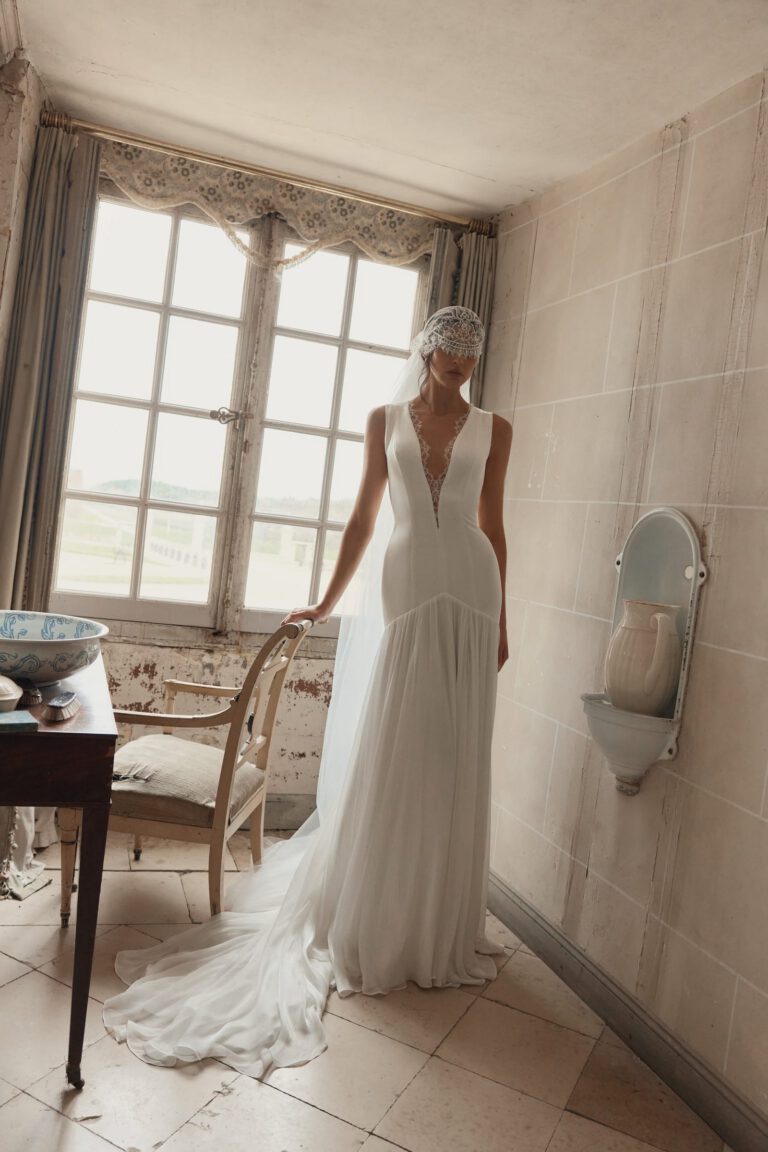
The length to the floor is determined with the pair of shoes that you plan to wear: the hem should be near the floor level after the final fitting. Assess the front, sides and back, take a few steps and walk up the stairs; a train, cut, or shorter top layer does not replace this check.
1249 model
 To order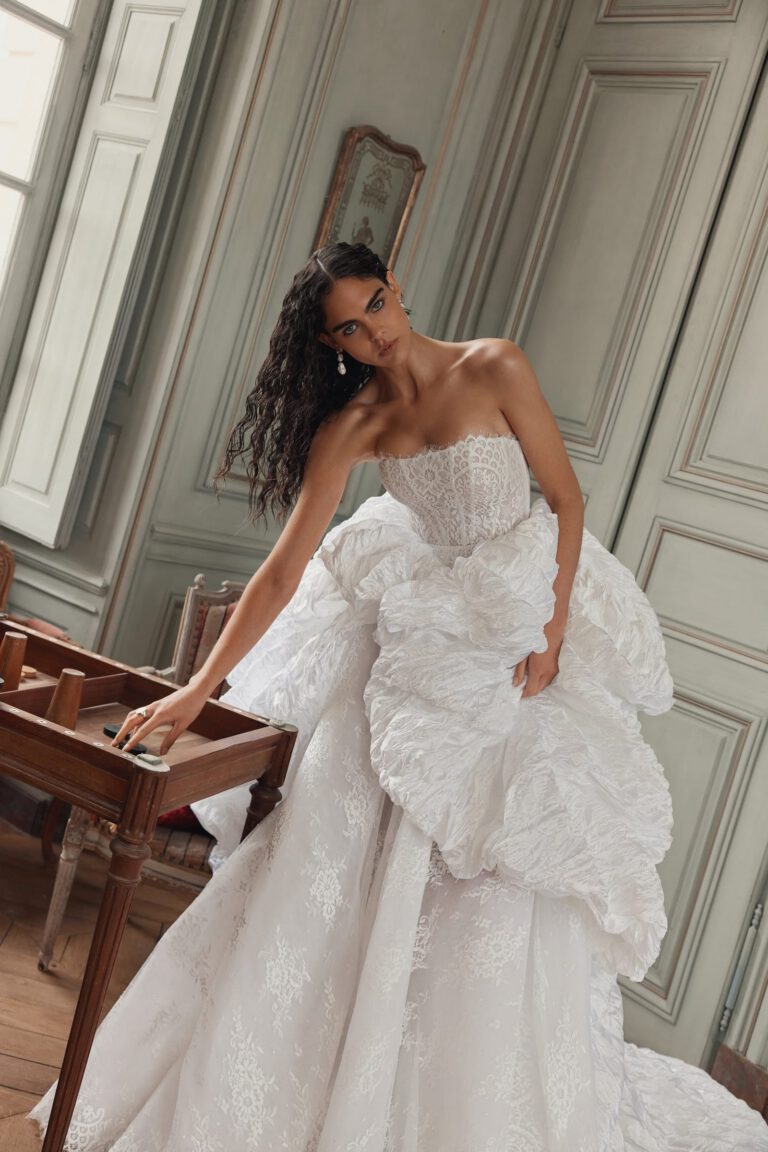
Atelier Heritage Edition
Overture
227 995,00 ₴
 To order
Atelier Heritage Edition
Dacor
179 730,00 ₴
 To order
Atelier Heritage Edition
Roxane
168 595,00 ₴
 To order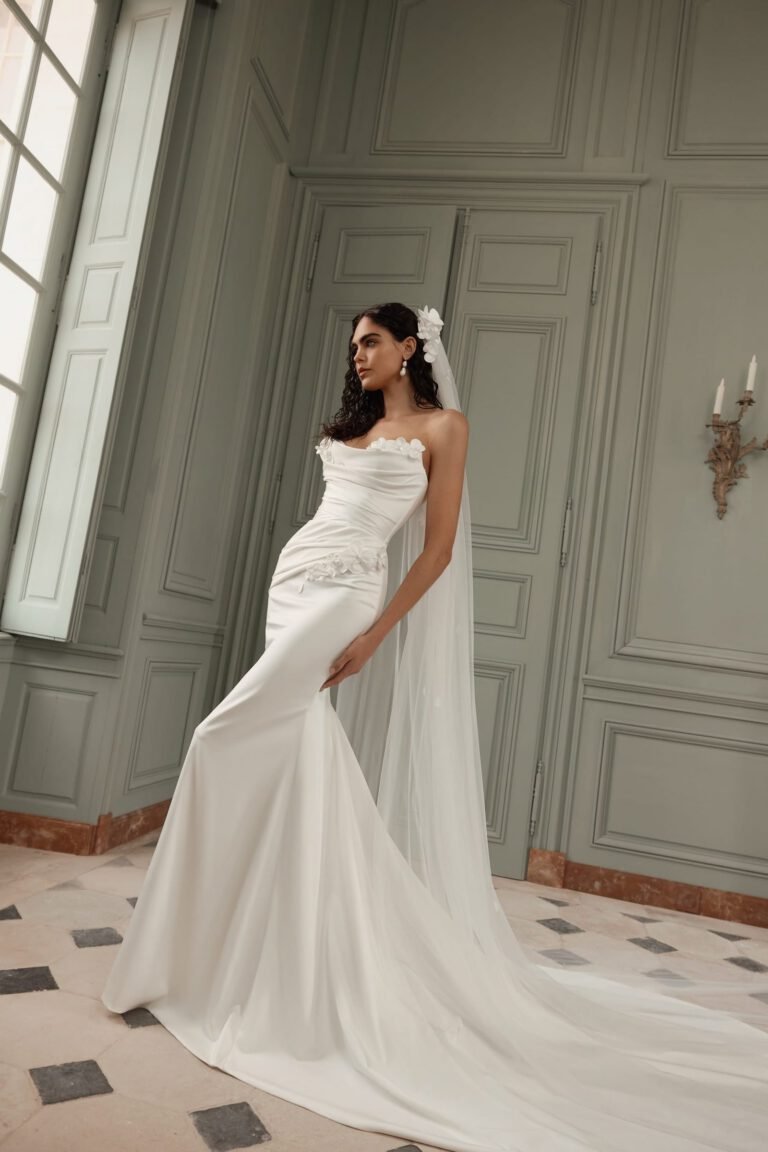
Atelier Heritage Edition
Velare
121 075,00 ₴
 To order
Atelier Heritage Edition
Trophee
132 210,00 ₴
 To order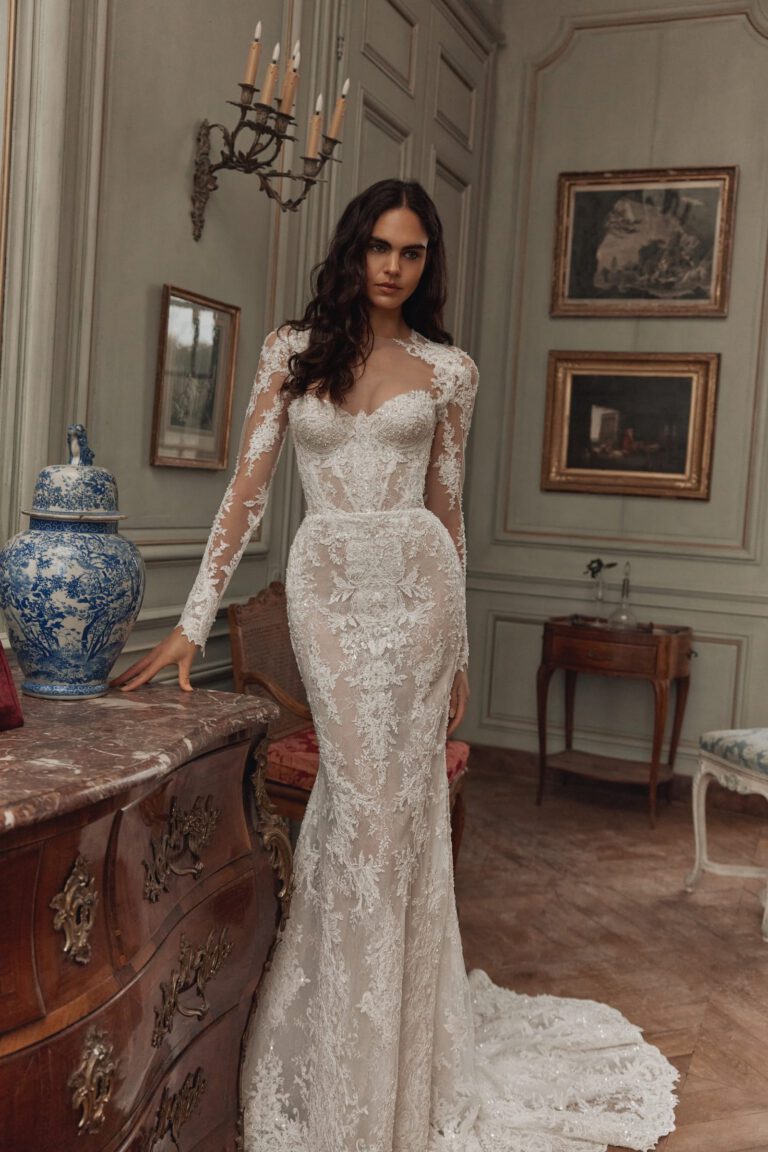
Atelier Heritage Edition
Renoar
311 155,00 ₴
 To order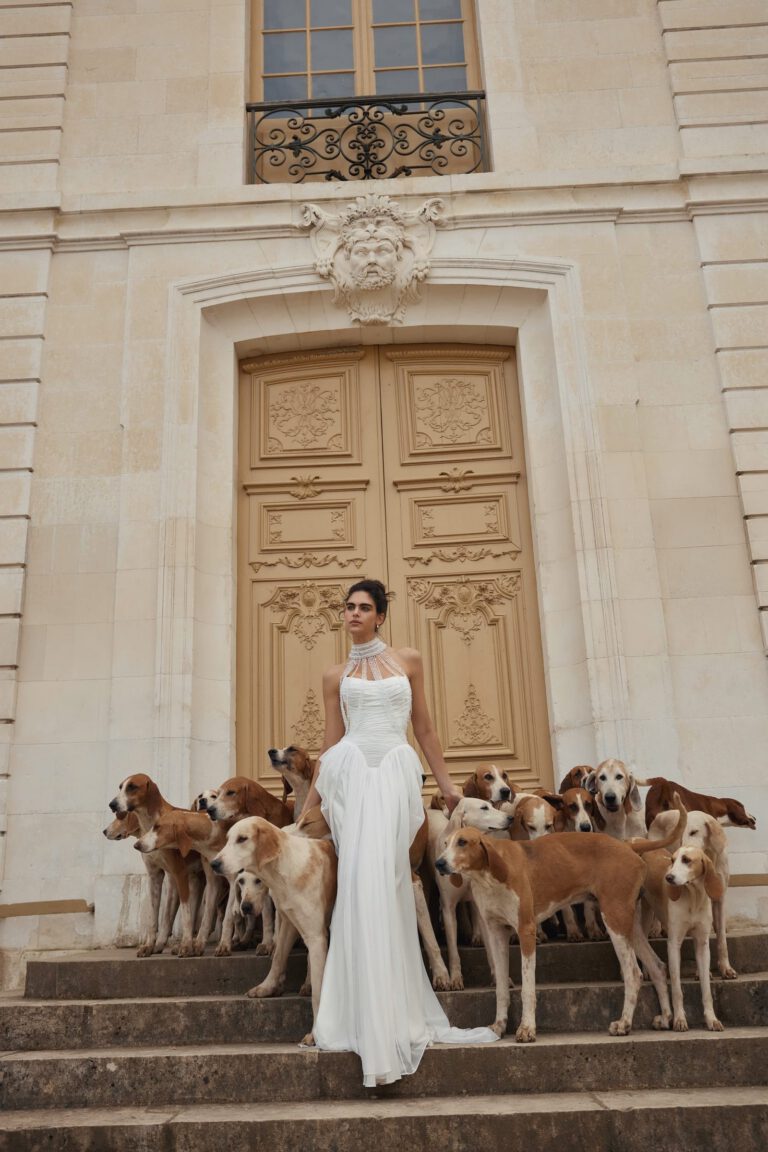
Atelier Heritage Edition
Eterno
184 930,00 ₴
 To order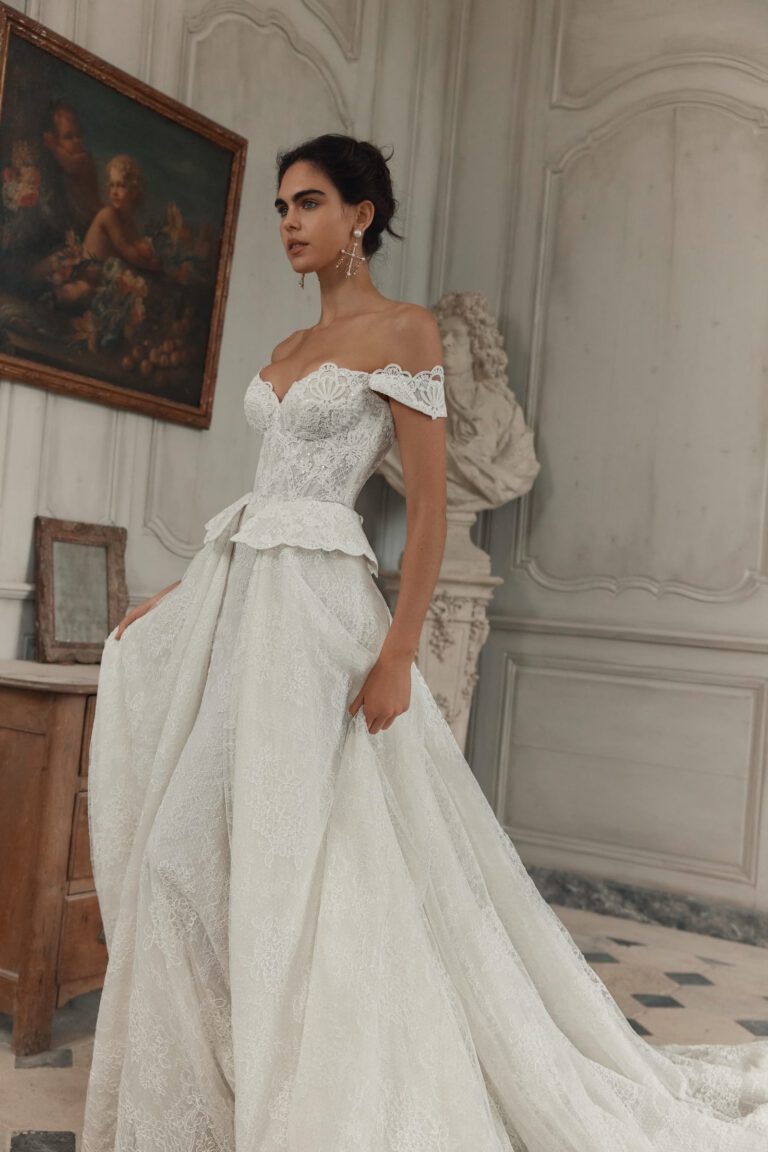
Atelier Heritage Edition
Nolen
243 585,00 ₴
 To order
Atelier Heritage Edition
Erve
192 355,00 ₴
 To order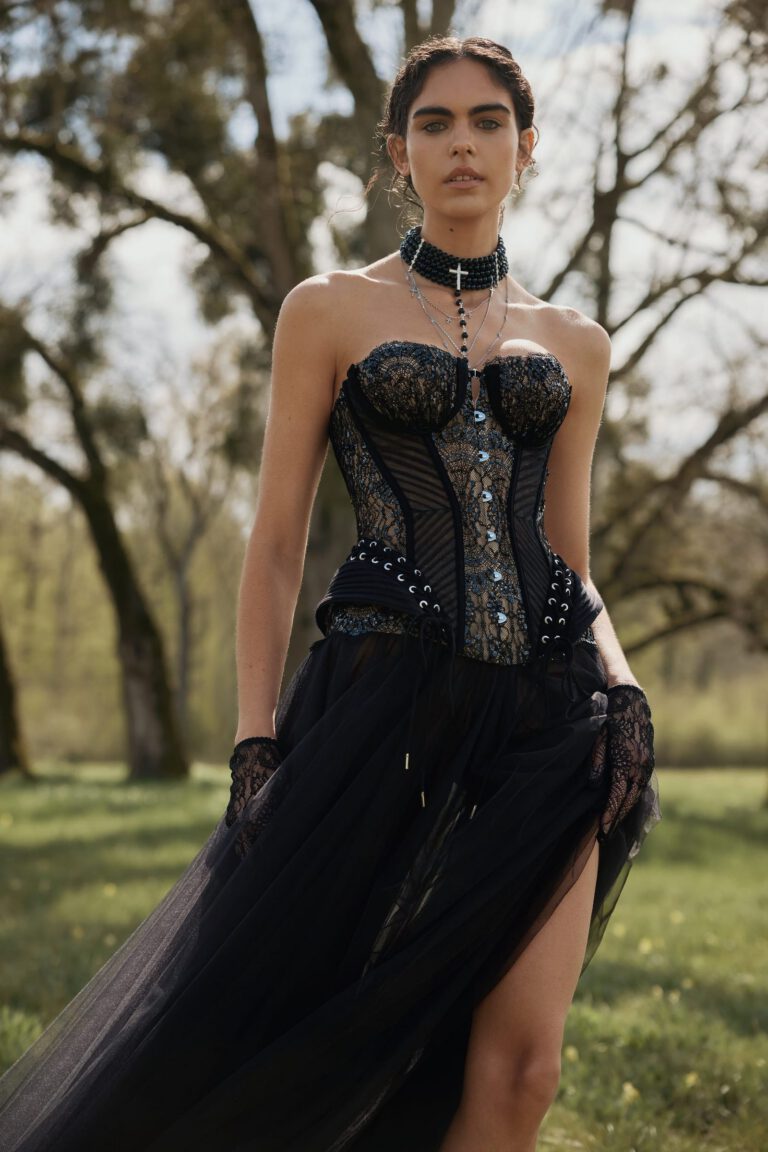
Atelier Heritage Edition
Carat
205 720,00 ₴
 To order
Atelier Heritage Edition
Arcane
160 425,00 ₴
 To order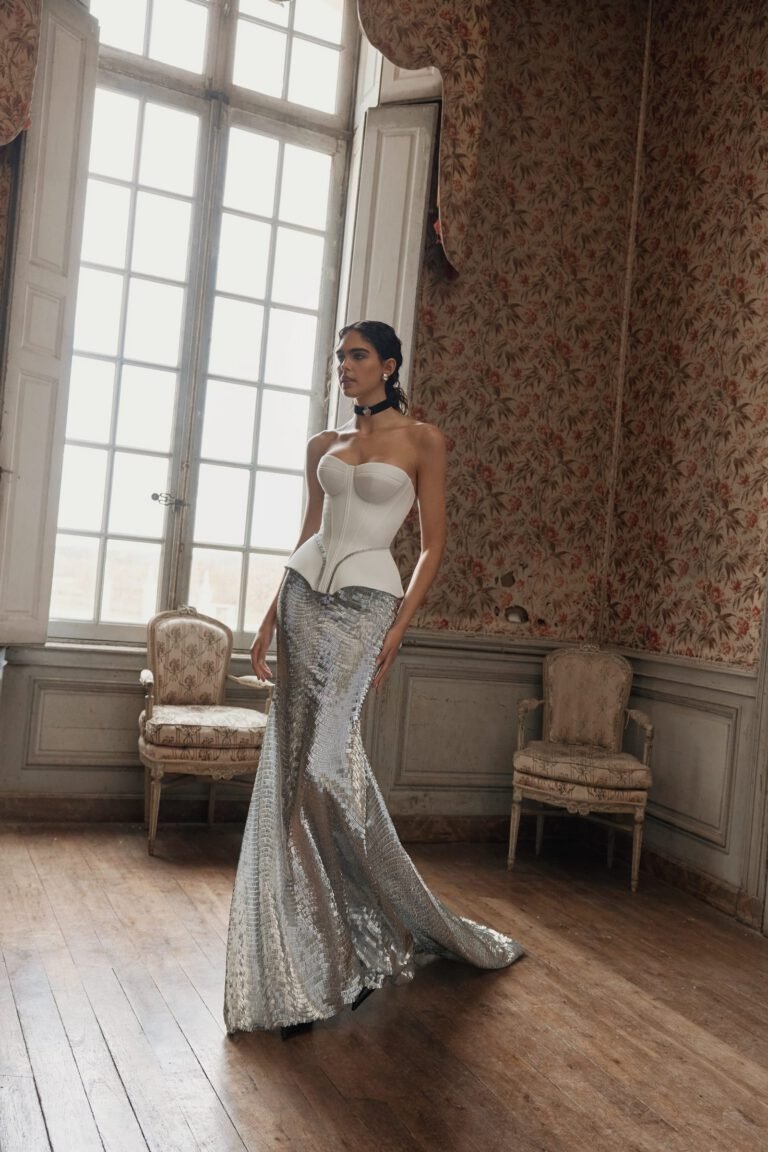
Atelier Heritage Edition
Spectrum
155 230,00 ₴
 To order
Atelier Heritage Edition
Rain
153 000,00 ₴
 To order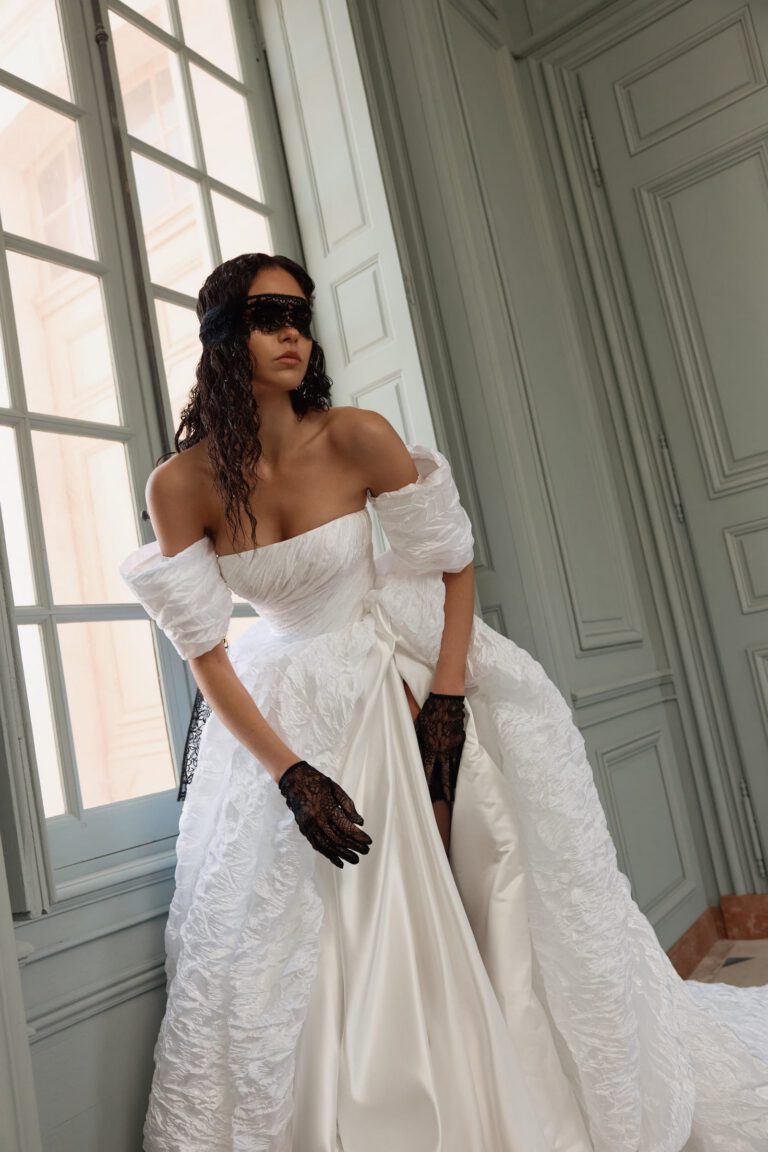
Atelier Heritage Edition
Mela
190 870,00 ₴
 To order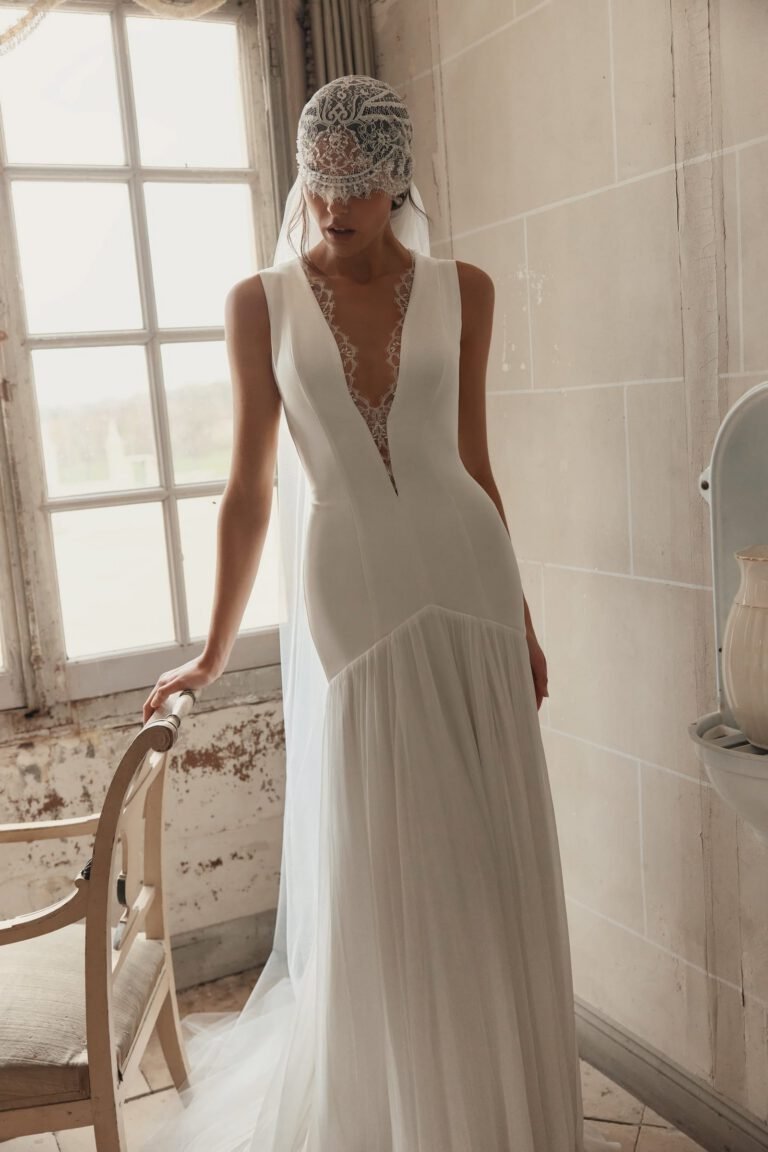
Atelier Heritage Edition
Larson
115 135,00 ₴
 To order
Atelier Heritage Edition
Beamount
291 105,00 ₴
A few centimeters of heels change the position of the hem, so a floor-length dress should be evaluated in shoes of the planned height. Its length is determined by the edge relative to the floor after fitting a specific model, and not assuming that the fabric will necessarily cover the shoes. First stand straight and look in front, then both sides and back.
One division — several different checks
Asymmetrical Length deliberately leaves the front and back at different levels. Cut opens part of the skirt, but does not change the length of its lower edge. Same short train continues the dress in the back, while the marking "to the floor" should be checked primarily on the front and side edges.
In a layered skirt, the levels may not match. On tulle Trace the lower layer and transparent upper edges separately: they rise and fall unevenly in motion. See if the decor creates a false outline, and check the symmetry to the right and left after a few steps.
Walk at a normal pace, turn and sit, then check the hem is back in place. On the stairs, find out separately where it will have to be picked up by hand and how all the layers behave. The final length and the need for correction are determined only on a specific dress with selected shoes. On samples in CRYSTAL repeat these movements until the fit, so that the master sees the position of the edge not only in a static position.