








Wedding and evening dresses of asymmetrical length
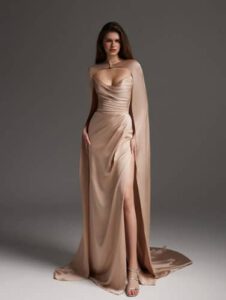
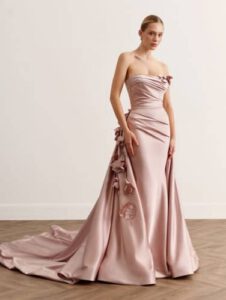
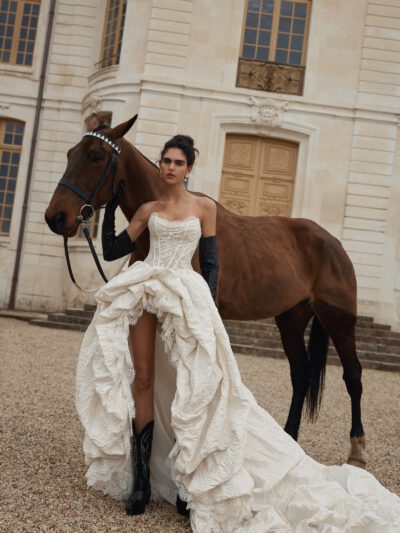
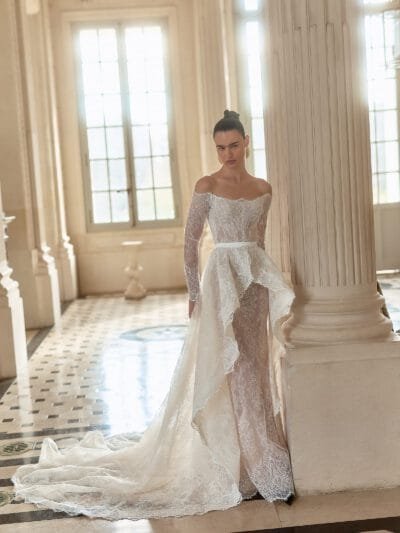
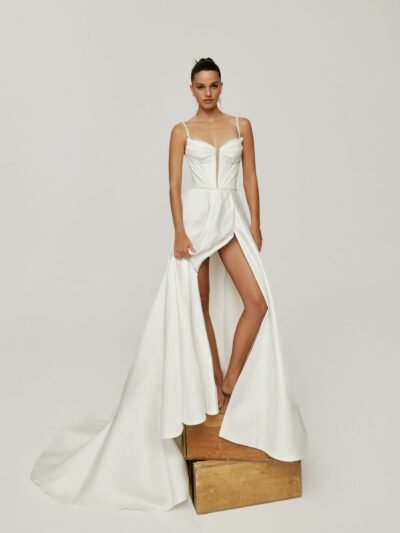
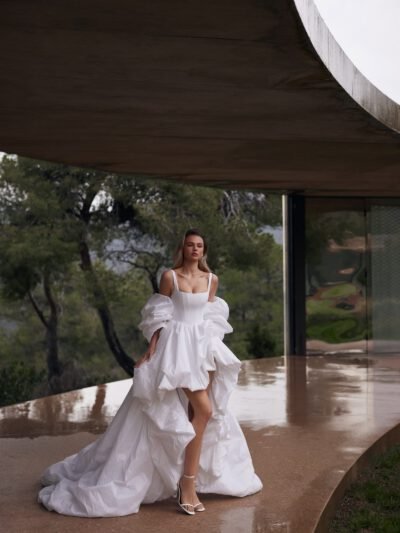
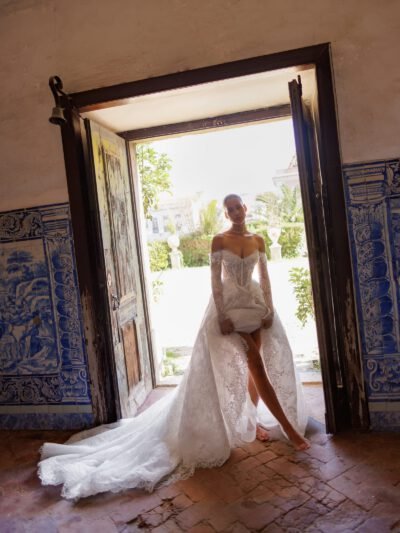
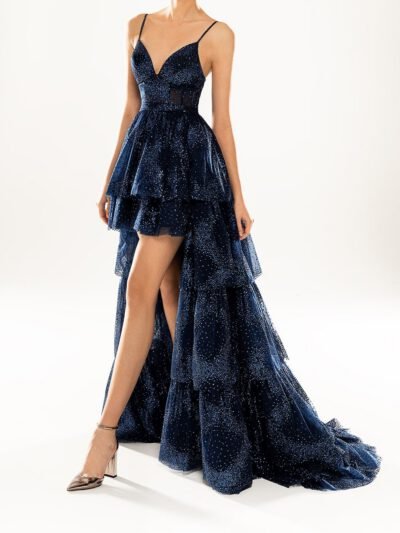
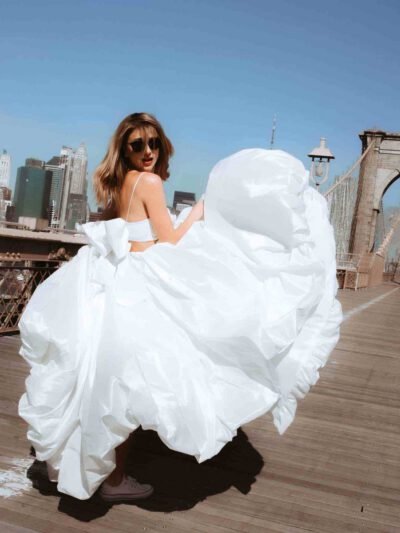
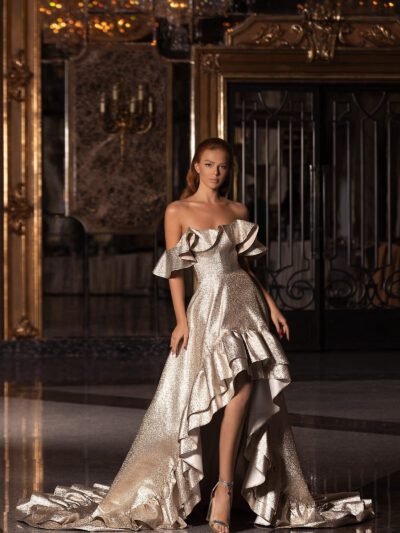
In an asymmetric length, the division itself intentionally changes the level: front and back or left and right. Find the shortest and longest points, trace the profile transition, match layers and shoes, then check the edge as you step, turn, and climb stairs.
17 model
 To order
Atelier Heritage Edition
Darren
232 450,00 грн
 To order
Maison Blanche
Lunaria
120 825,00 грн
 To order
White Edit
Rummy
75 780,00 грн
 To order
La Femme Edition
Carvel
147 805,00 грн
 To order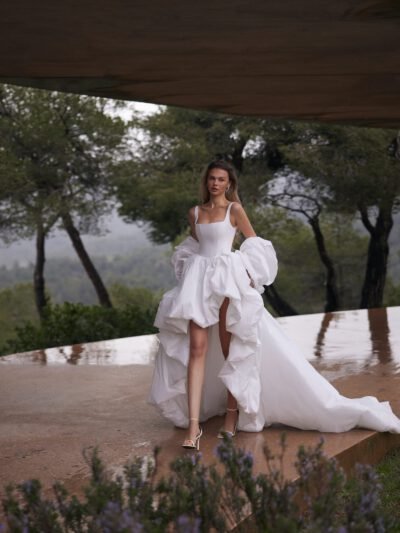
Less is More V
Garmin
92 115,00 грн
 To order
Bridal Alchemy
Manuel
143 595,00 грн
 To order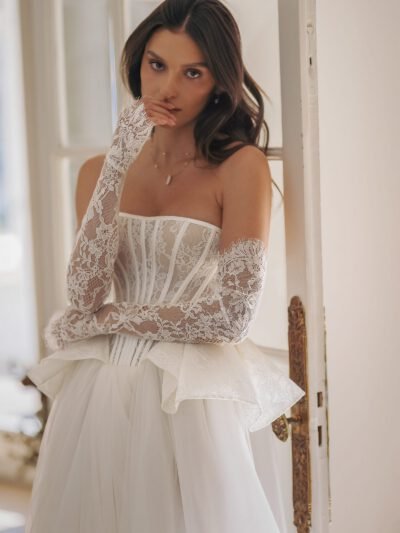
Gemini
Sabotage
64 395,00 грн
 To order
Bridesmaids and mother of bride collection
2405
33 865,00 грн
 To order
Beauty Night
22143
32 850,00 грн

Beauty Night
22146
34 200,00 грн
 To order
Beauty Night
22145
30 490,00 грн
 To order
Over you
21137
37 915,00 грн
Over you
21136
37 915,00 грн
 To order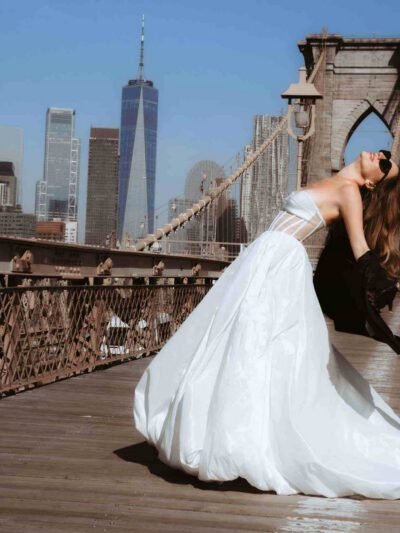
WONA x The COAT
Katy
53 010,00 грн
 To order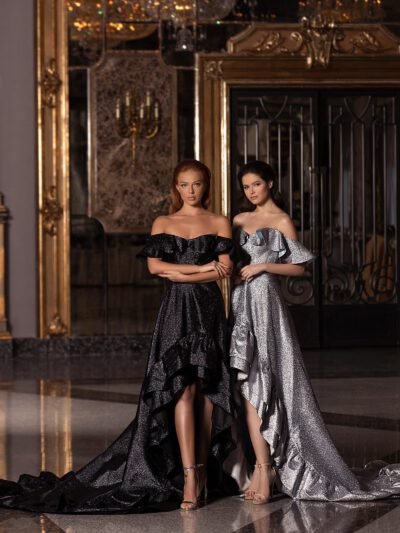
Euphoria
20613
26 100,00 грн
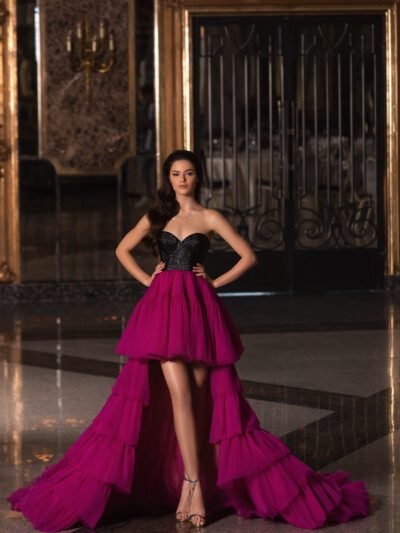 To order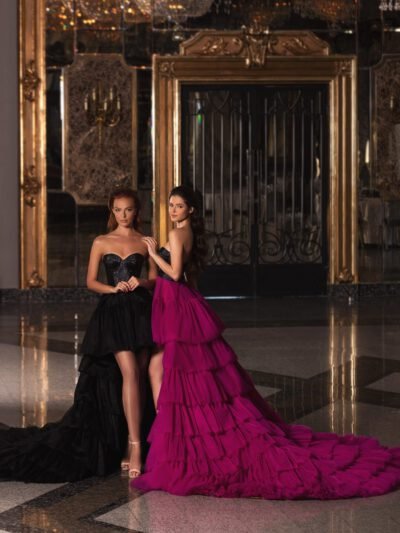
Euphoria
20704
38 590,00 грн
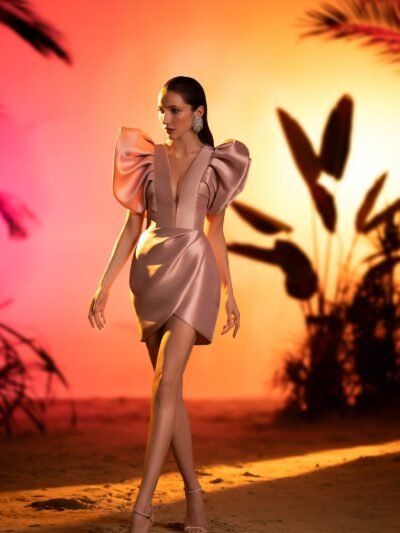
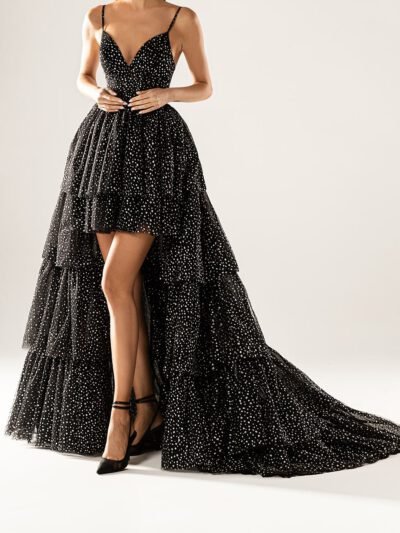
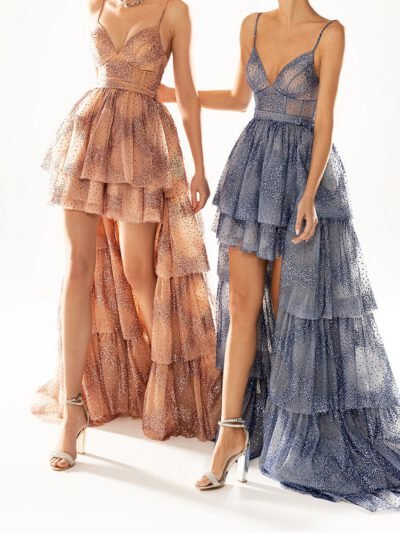
Run your gaze along the bottom edge from one extreme point to the other. In an asymmetric length, the hem deliberately changes the level: the front can be shorter than the back, one side is higher than the other, and the transition between them is smooth or sharper. The entire contour is decisive, not a separate open area.
The trajectory is important, not a single point
Cut starts inside the skirt, while its lower edge can remain flat. Asymmetric waist changes the height of the bodice and skirt but not necessarily the hem. Even if the short point approaches mini, and long - to length to the floor, the name is determined by the visible transition between levels.
In a layered model, trace each contour separately. The lining can end flush, and the top edge tulle — draw another line. Match the shortest and longest points from the front, side and back. Shoes do not determine the type of length, but their height changes the relationship with the front edge, so evaluate the complete image in the selected pair.
On the fitting, take a few steps, turn in both directions, and stop: check that all the layers have returned to the intended trajectory. On the stairs, see where the edge approaches the foot and which part will have to be picked up. At the fitting in CRYSTAL, capture the frontal and profile shots after the movement - they show the actual difference in levels without promises of comfort, shoe demonstration or height correction.