

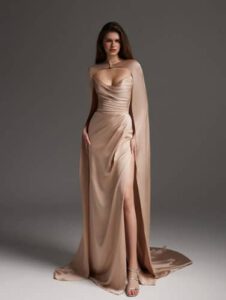
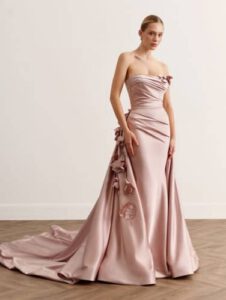

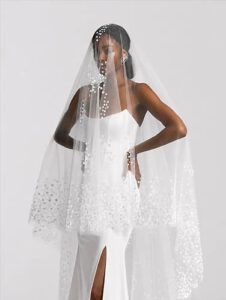





Mikado wedding dresses
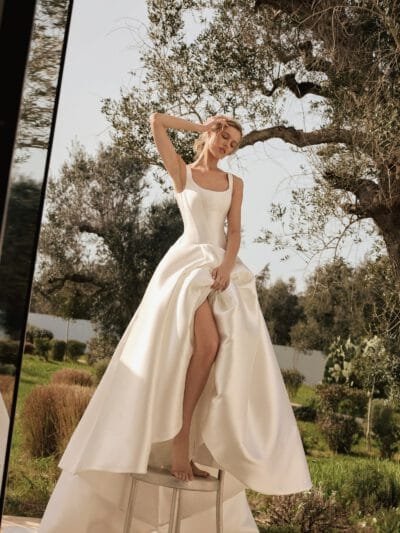
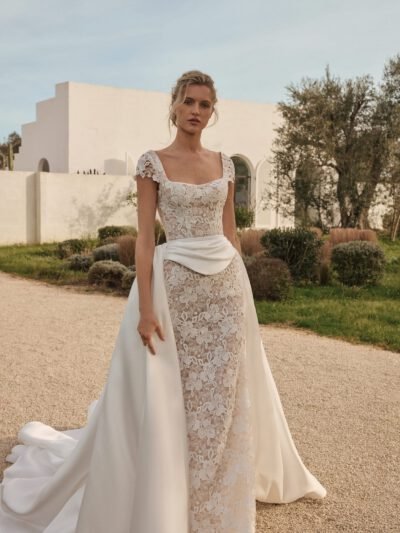
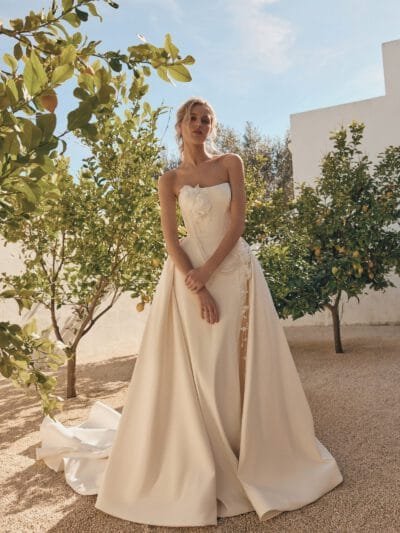
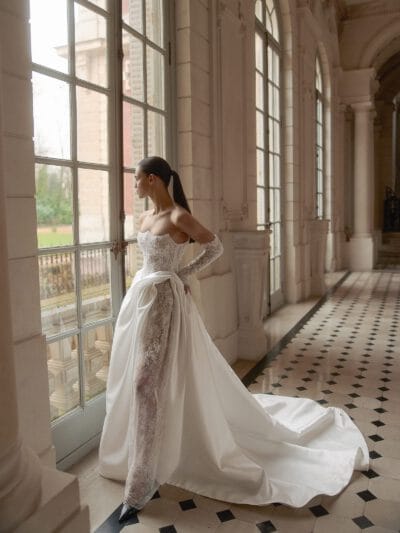
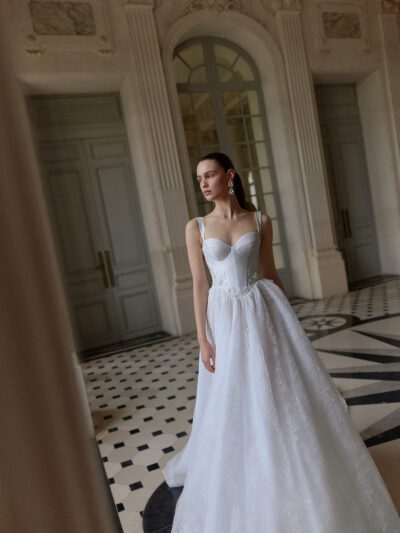
Mikado is chosen for the clarity of its shape: the dense smooth fabric outlines the line of the bodice, waist and skirt with clean planes. It is especially expressive in ballroom and A-silhouettes; on the fitting, evaluate the scale of the volume, the direction of the seams, and how the geometry looks from the front, side, and in motion.
129 model
 To order
Atelier Heritage Edition
Trophee
132 210,00 ₴
 To order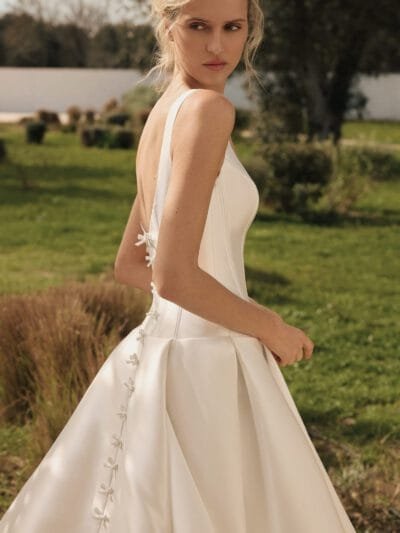
Less is More VI
Bonn
77 265,00 ₴

Less is More VI
Enzo
76 770,00 ₴
 To order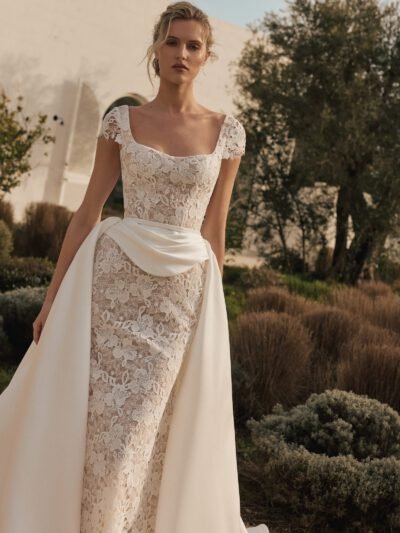
Less is More VI
Seraphine
104 985,00 ₴
 To order
Less is More VI
Fuego
91 125,00 ₴
 To order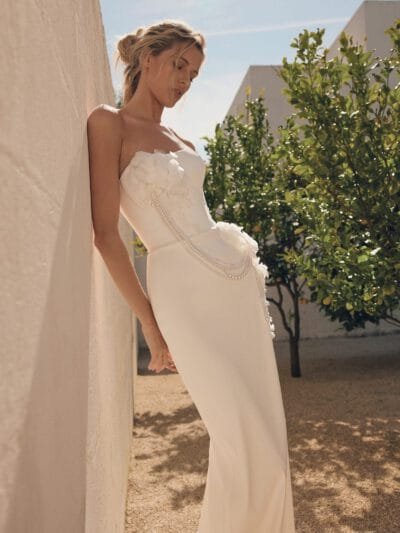
Less is More VI
Archi
85 185,00 ₴
 To order
Less is More VI
Ludovica
95 580,00 ₴
 To order
Less is More VI
Luca
77 265,00 ₴
 To order
Less is More VI
Femin
65 880,00 ₴
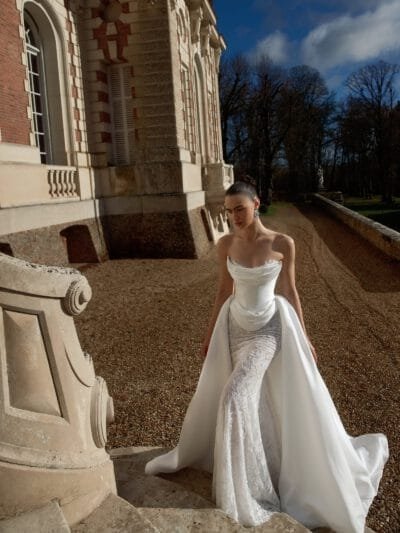 To order
Maison Blanche
Code
149 535,00 ₴
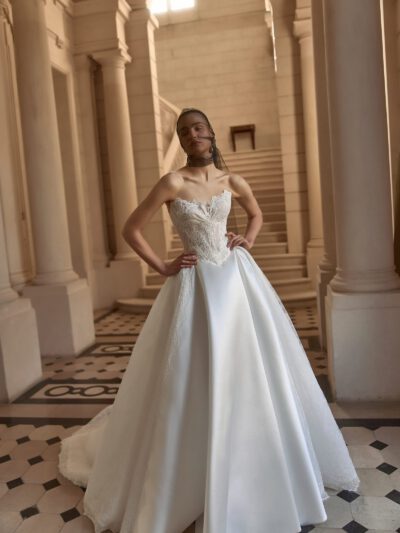 To order
Maison Blanche
Palette
113 400,00 ₴
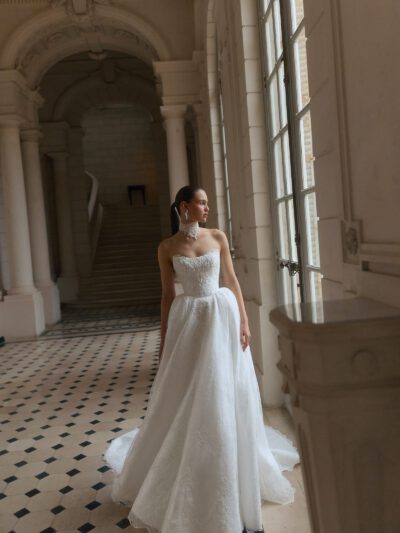 To order
Maison Blanche
Santal
102 510,00 ₴
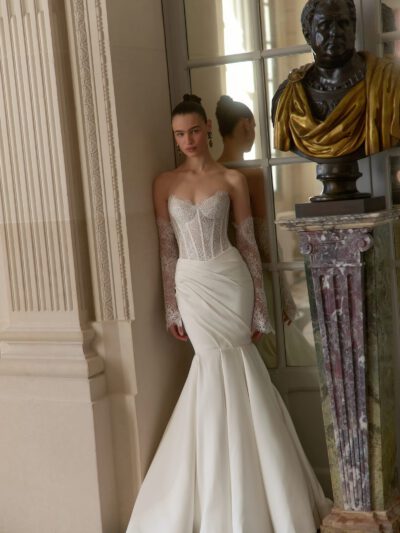 To order
Maison Blanche
Narciso
101 520,00 ₴
 To order
Maison Blanche
Comet
93 105,00 ₴
 To order
Maison Blanche
Charleen
101 520,00 ₴
 To order
Maison Blanche
Ondine
103 005,00 ₴
The silhouette of the mikado dress can be read before it even starts to move. A dense smooth fabric outlines the bodice, waist and skirt in large clean planes; instead of an active pattern, seams, folds and the direction of the folds become the main ones. The side light emphasizes the boundaries of these planes, and the profile shot shows how far the shape departs from the figure.
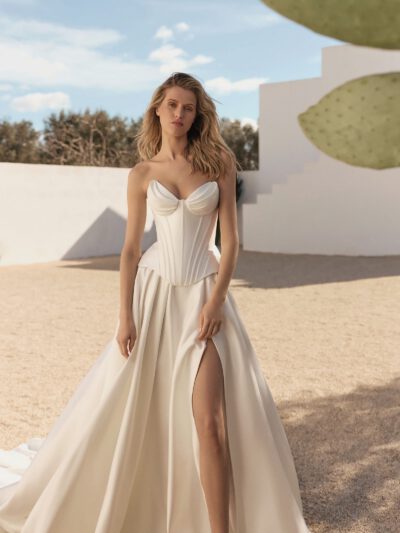
Such architecture is most clearly revealed in ball gown, where a wide skirt sets the scale, and in A-silhouettes with equal expansion from the waist. In a case or mermaid, the mikado focuses attention on the accuracy of the adjacent line and the moment of flare. A smooth top also clearly outlines a straight or sweetheart neckline. If the decor is limited with a bow or one draped detail, its contour becomes visible from afar.
It is better to judge the difference with other smooth or voluminous fabrics not by gloss, but by the way the form is constructed. Satin falls more softly and shows drapery with light transitions, tulle gains volume with transparent layers, while mikado leaves a more solid plane and expressive faces. This is the name of the fabric, and not a guarantee of a specific composition, so the conclusion should be drawn from the model itself.
During the fitting, examine the dress in front and profile, then walk around, sit down, and stand up again. Mikado should not be credited with the absence of folds: it is more important to see where they occur, whether the main lines return to their place and how the glare changes. Take pictures of the waist, side seams and hem in different lighting. If the ready-made models are similar in design, but a different proportion of the bodice or skirt is required, the possibilities of the cut should be discussed during the consultation on individual tailoring at CRYSTAL.