







Satin wedding dresses
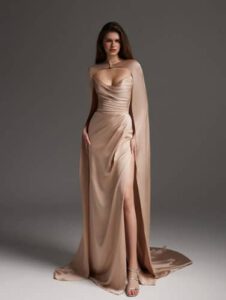
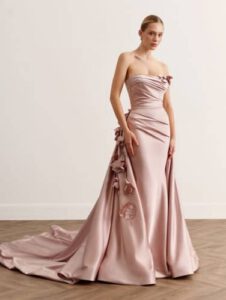
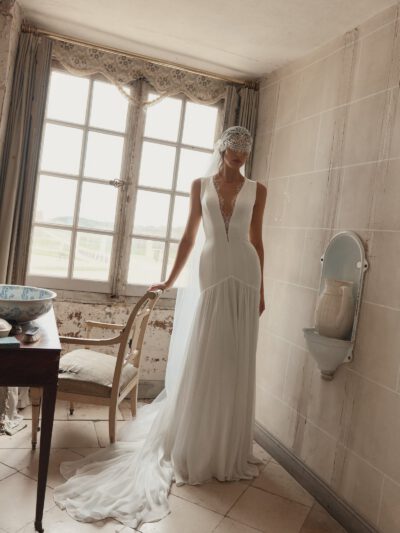
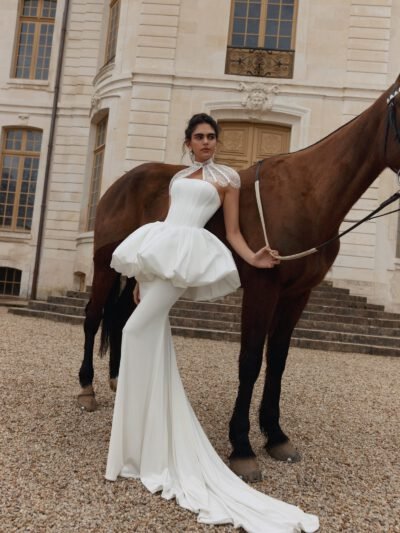
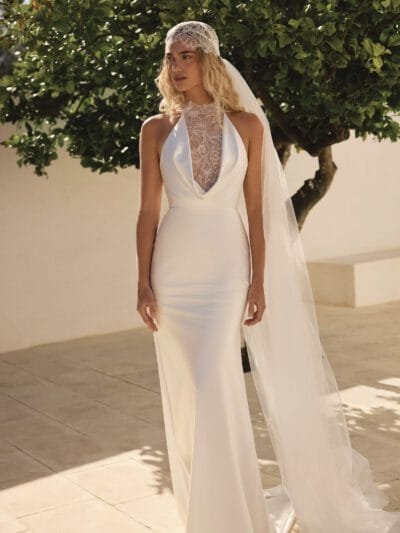
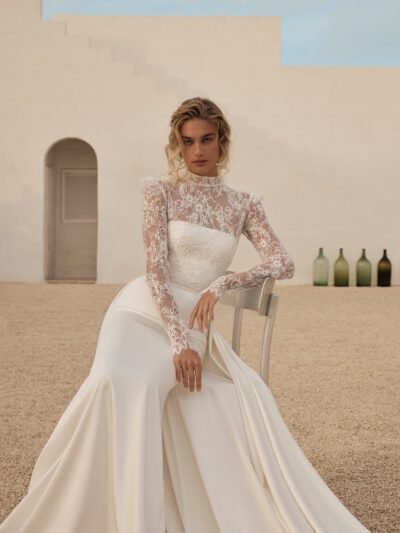
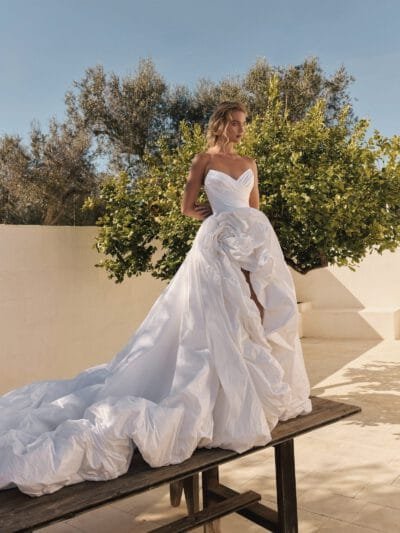
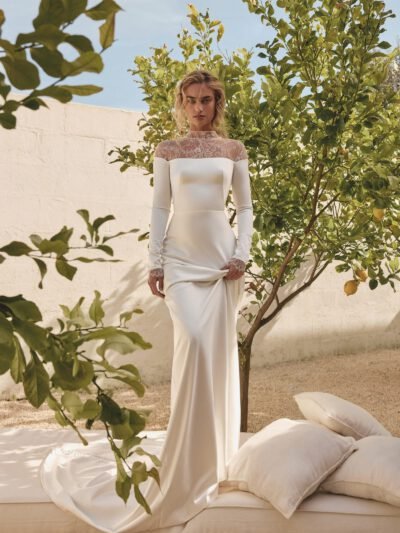
The smooth surface of the satin clearly shows the cut: a soft sheen emphasizes drapes, seams and folds, and the fabric falls along the figure. Evaluate the model in daylight and artificial light, in motion and in a photo - so you can see if you like this particular plastic.
154 model
 To order
Atelier Heritage Edition
Velare
121 075,00 ₴
 To order
Atelier Heritage Edition
Mela
190 870,00 ₴
 To order
Atelier Heritage Edition
Larson
115 135,00 ₴
 To order
Atelier Heritage Edition
Scala
161 910,00 ₴
 To order
Atelier Heritage Edition
Prime
193 095,00 ₴
 To order
Atelier Heritage Edition
Oscar
805 660,00 ₴
 To order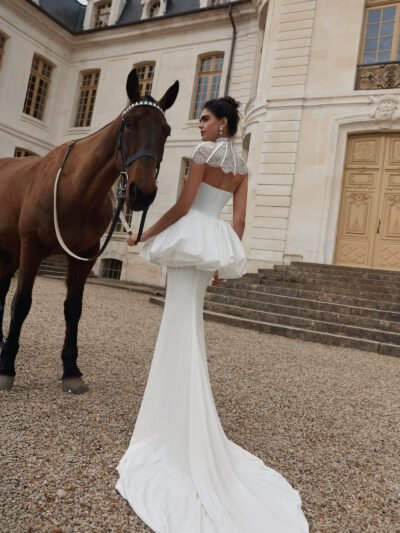
Atelier Heritage Edition
Million
186 415,00 ₴
 To order
Atelier Heritage Edition
Aveline
145 575,00 ₴
 To order
Less is More VI
Arber
67 365,00 ₴
 To order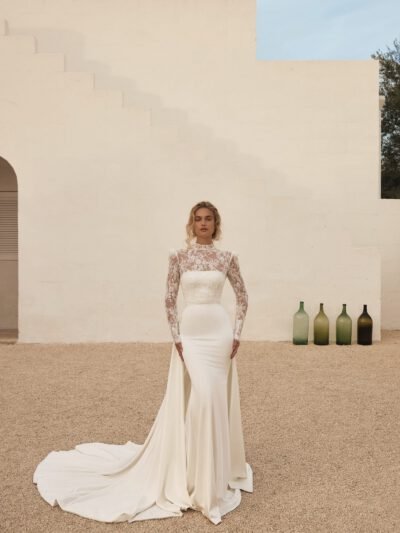
Less is More VI
Ferran
83 205,00 ₴

Less is More VI
Meadow
92 115,00 ₴
 To order
Less is More VI
Tieri
83 205,00 ₴
 To order
Less is More VI
Marton
53 505,00 ₴
 To order
Less is More VI
Ludovica
95 580,00 ₴
 To order
Less is More VI
Luca
77 265,00 ₴
 To order
Less is More VI
Helios
96 570,00 ₴
Turn sideways to the window: on the smooth satin plane, the light slides in a wide band, and each fold changes its direction. The material does not hide the structure under the active pattern, so seams, draperies and natural folds are clearly visible in the frame. In front, the shine can be even, in motion - break into light and dark areas; both impressions are important for choice.
The shine enhances what is laid in the cut
IN silhouette case satin leads the eye along the figure, in mermaids outlines the transition from the adjacent part to the flare, and in the A-silhouette shows a smooth decline of the skirt. Most noticeably, the smooth surface works where the cut deliberately collects it in collection: the direction of the folds becomes part of the composition. Near section the fabric changes plane as you step, so this detail shows up more clearly in motion than in a static photo.
Satin should not automatically be called silk: the name describes the nature of the weave and surface, not the specific composition of the fiber. Similarly, one satin gloss does not guarantee the same plasticity for all models. It is determined by the cut, the density of the specific fabric, the number of layers and the location of the seams. That is why two dresses with the same smooth surface can fall differently along the waist, hips and hem.
At the fitting, examine the dress in at least three modes: by the window, under salon light, and on phone video. Walk around, sit down, and stand up again to see where creases occur and how the drape line recovers. Separately, take a profile shot — a wide glare can change the perception of volume. If you select models remotely, during CRYSTAL online consultations ask to show the satin in motion and when changing the direction of the light.