






Wedding dresses made of taffeta
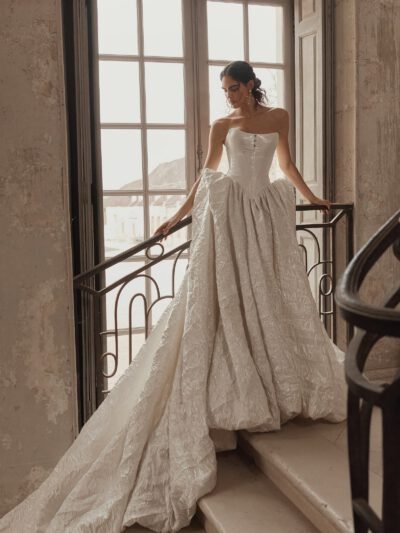
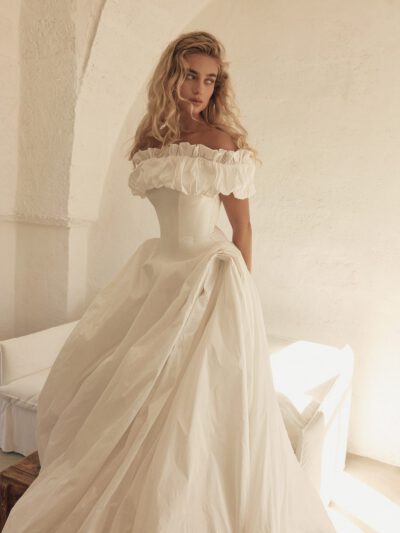
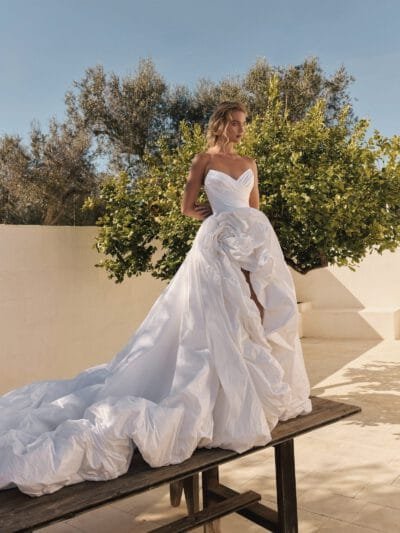
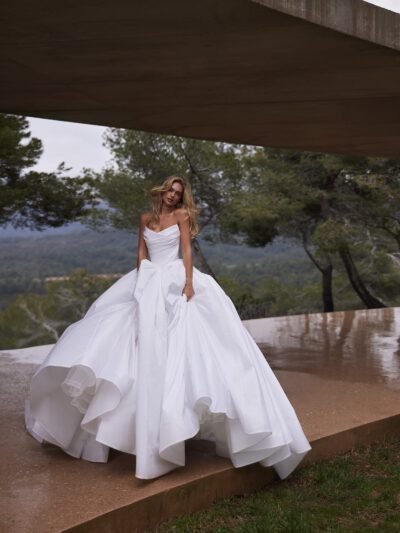
Taffeta attracts attention with clear folds, a smooth plane and a possible rustle in motion. The best way to judge its shape is in a voluminous skirt: walk around, sit down, turn to the light and check where the folds appear, how they change the silhouette and whether you like the sound of the fabric.
18 model
 To order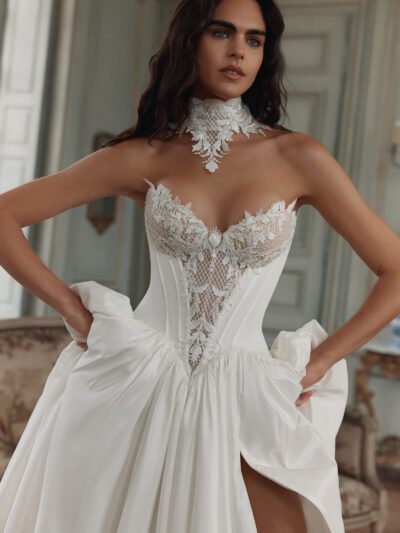
Atelier Heritage Edition
Roxane
168 595,00 ₴
 To order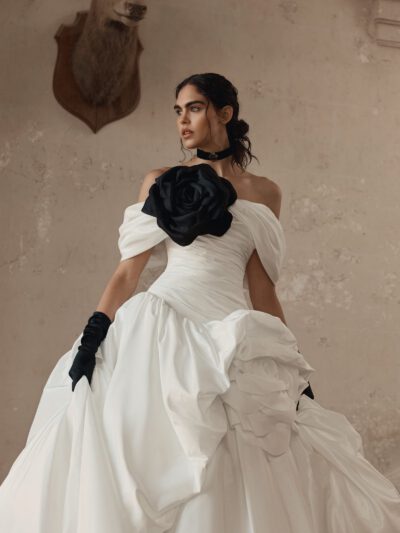
Atelier Heritage Edition
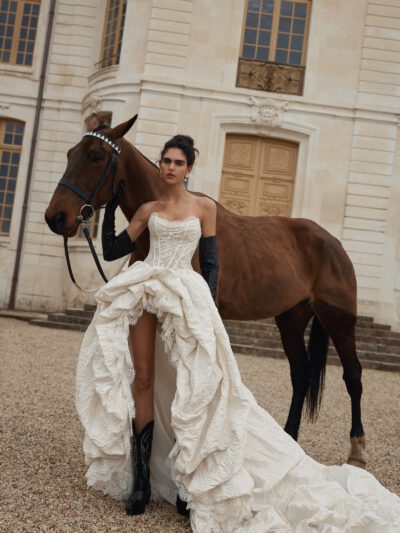
Arcane
160 425,00 ₴
 To order
Atelier Heritage Edition
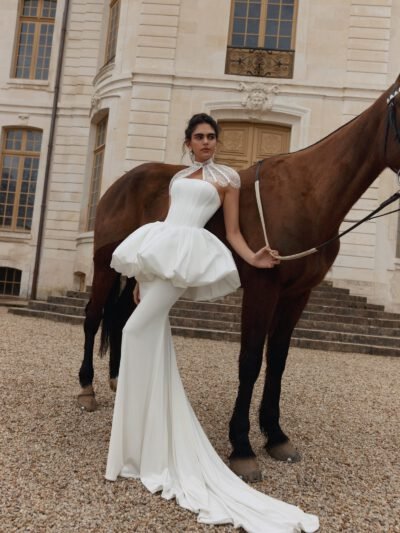
Darren
232 450,00 ₴
 To order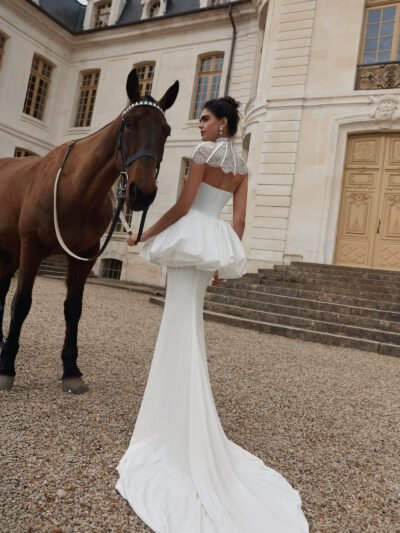
Atelier Heritage Edition
Million
186 415,00 ₴
 To order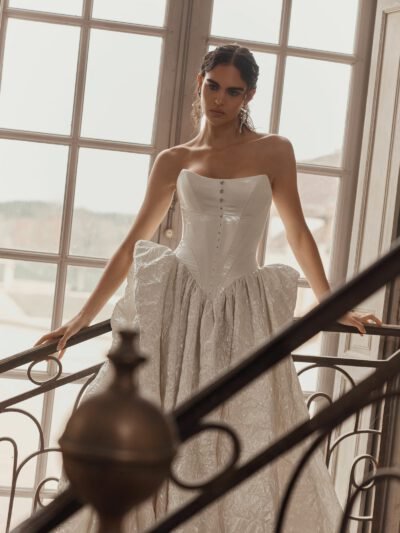
Atelier Heritage Edition
Luxembourg
167 850,00 ₴
 To order
Atelier Heritage Edition
Aveline
145 575,00 ₴
 To order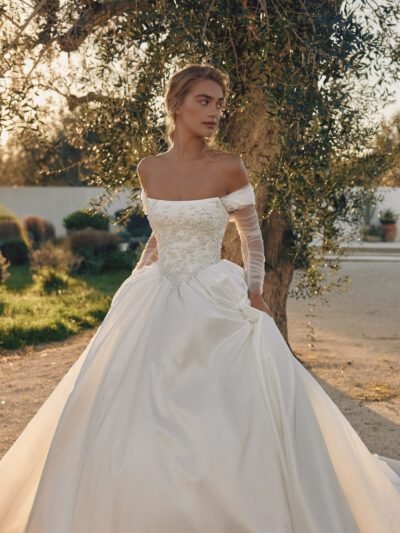
Less is More VI
Romero
127 755,00 ₴
 To order
Less is More VI
Encanto
114 390,00 ₴
 To order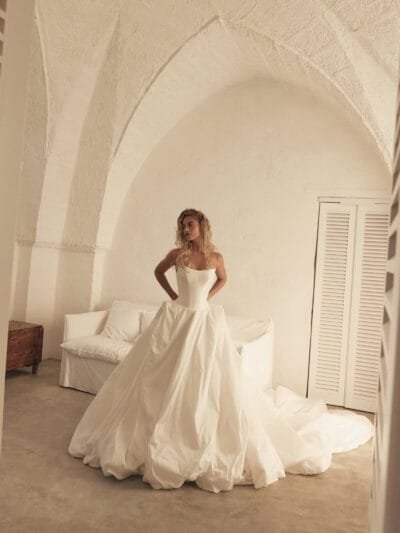
Less is More VI
Alis
102 015,00 ₴
 To order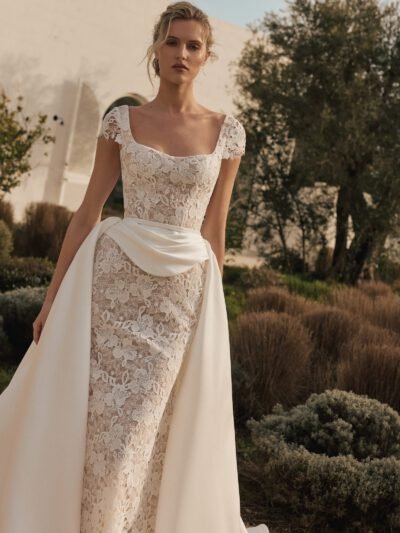
Less is More VI
Seraphine
104 985,00 ₴

Less is More VI
Meadow
92 115,00 ₴
 To order
Less is More VI
Meira
90 135,00 ₴
 To order
Less is More VI
Dorian
82 710,00 ₴
 To order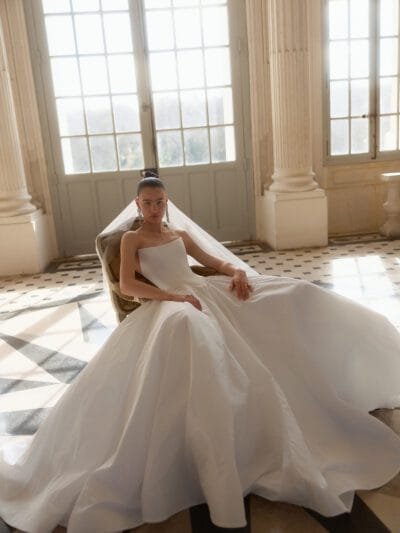
Maison Blanche
Aster
97 065,00 ₴
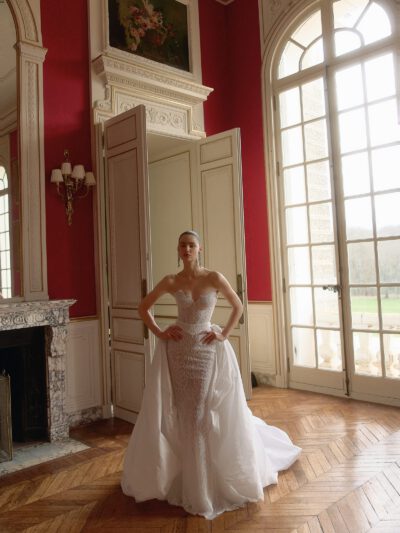 To order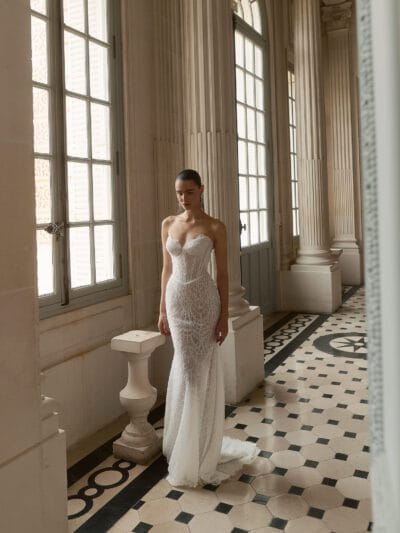
Maison Blanche
Nymphea
126 765,00 ₴
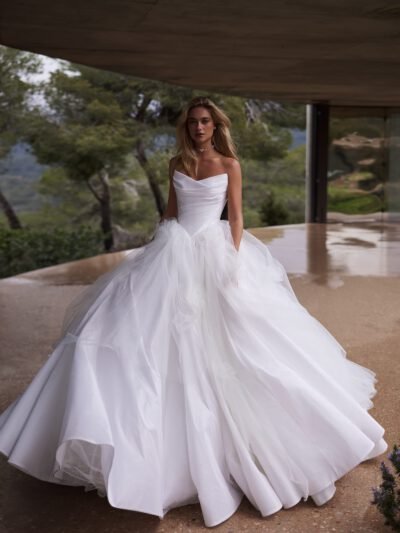
Less is More V
Deliz
108 450,00 ₴
In front of the mirror, taffeta reveals itself not only in appearance: during a step, its folds can maintain a sharper pattern and quietly rustle. A smooth plane catches light in wide areas, but the intensity of the reflection depends on the specific canvas. Therefore, the material should be evaluated simultaneously with eyes and ears, without transferring the properties of one model to all dresses with this name.
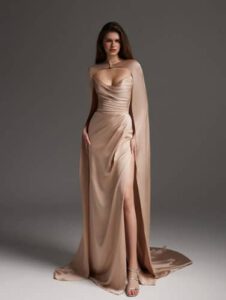
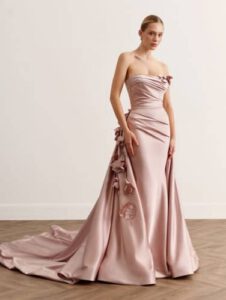
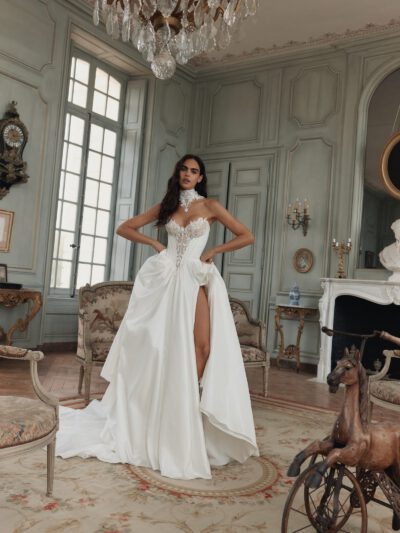
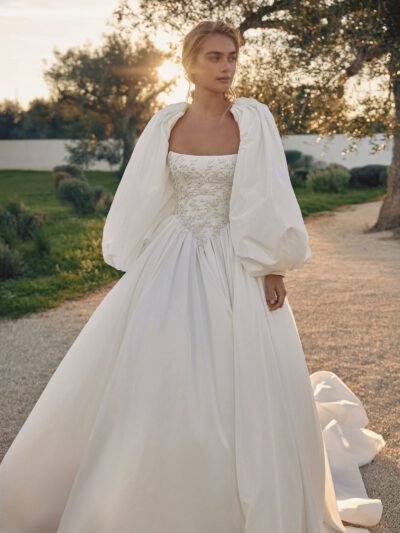
In the catalog, taffeta most often appears in ball gowns, where large pleats unfold from the waist and define the scale of the skirt. A strapless or heart-shaped top lets this shape take center stage. Collection works differently: collects the surface more tightly and breaks the glare into smaller areas. In an A-silhouette, mini or model with a cut, it is important to trace whether the contour remains clear during the step.
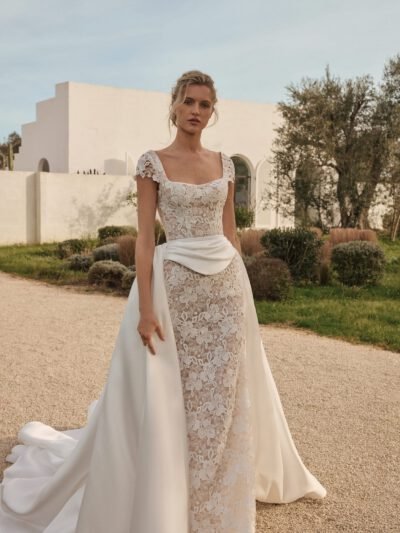
It is better to compare taffeta with neighboring fabrics on a specific basis. Organza is recognized by the translucent plane, while for taffeta transparency is not a defining effect. Mikado it is more often read with large clean faces; in taffeta, more active folds and their sound can take away the attention. Satin shows a softer fall and light transitions, and the taffeta model needs to be checked separately for the clarity of the fold. None of these comparisons determine the composition or density of a particular fabric.
At the fitting, take a turn, a few steps and squat, then examine the waist, sides and hem. A crease after sitting is not necessarily a disadvantage: it is important where it passes and whether it changes the intended line of the dress. Record a short video with sound at the usual walking pace and take separate photos of the skirt near the window and under the lamp. If you select models remotely, during CRYSTAL online consultations ask to show the taffeta in motion without turning off the sound.