




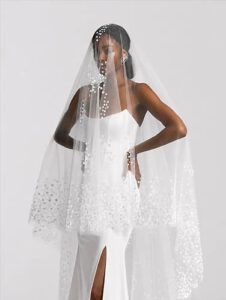







Wedding and evening dresses with long sleeves
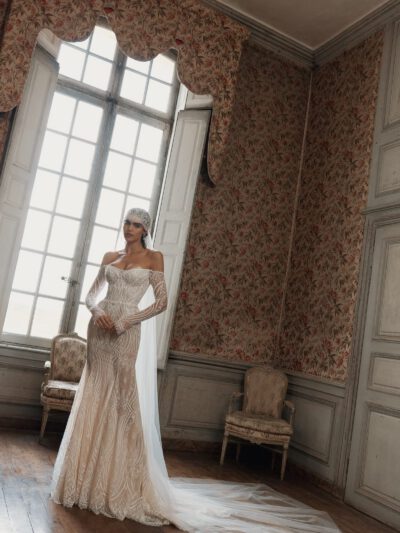
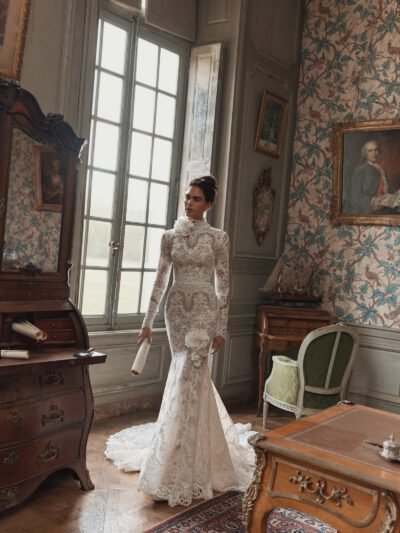
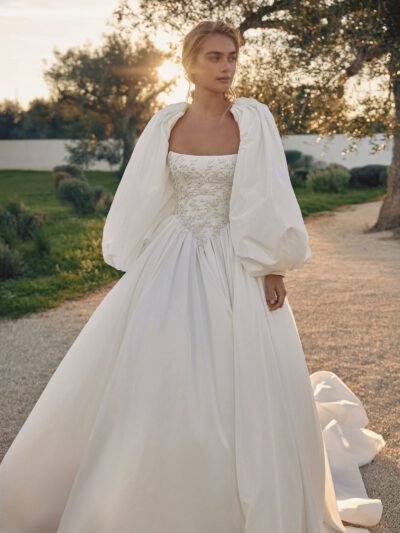
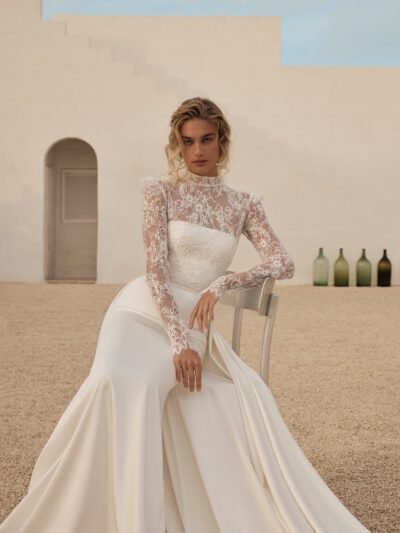
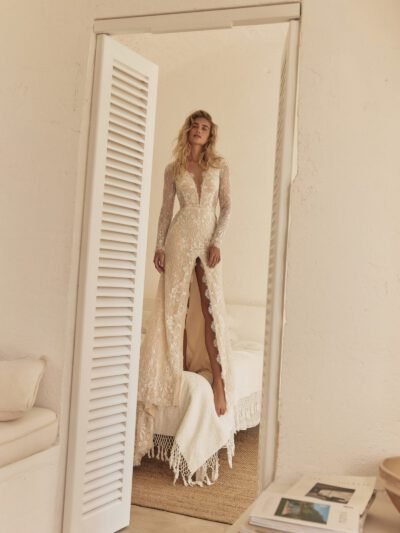
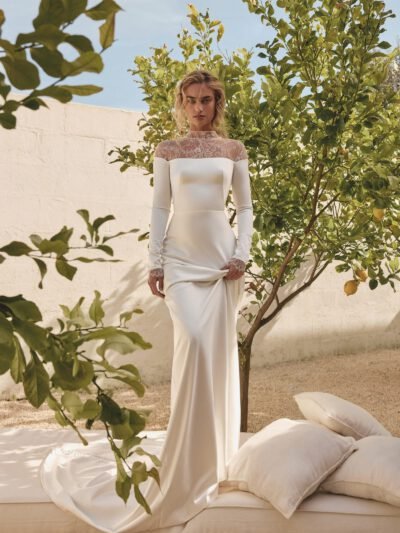
A long sleeve defines the length along the arm, not the shape or transparency: it can be narrow or lush, transparent or lined, solid or removable. At the fitting, bend your elbow, lift your arms and check the shoulder, length, seams, pattern and edge contact with the decor and veil.
437 model
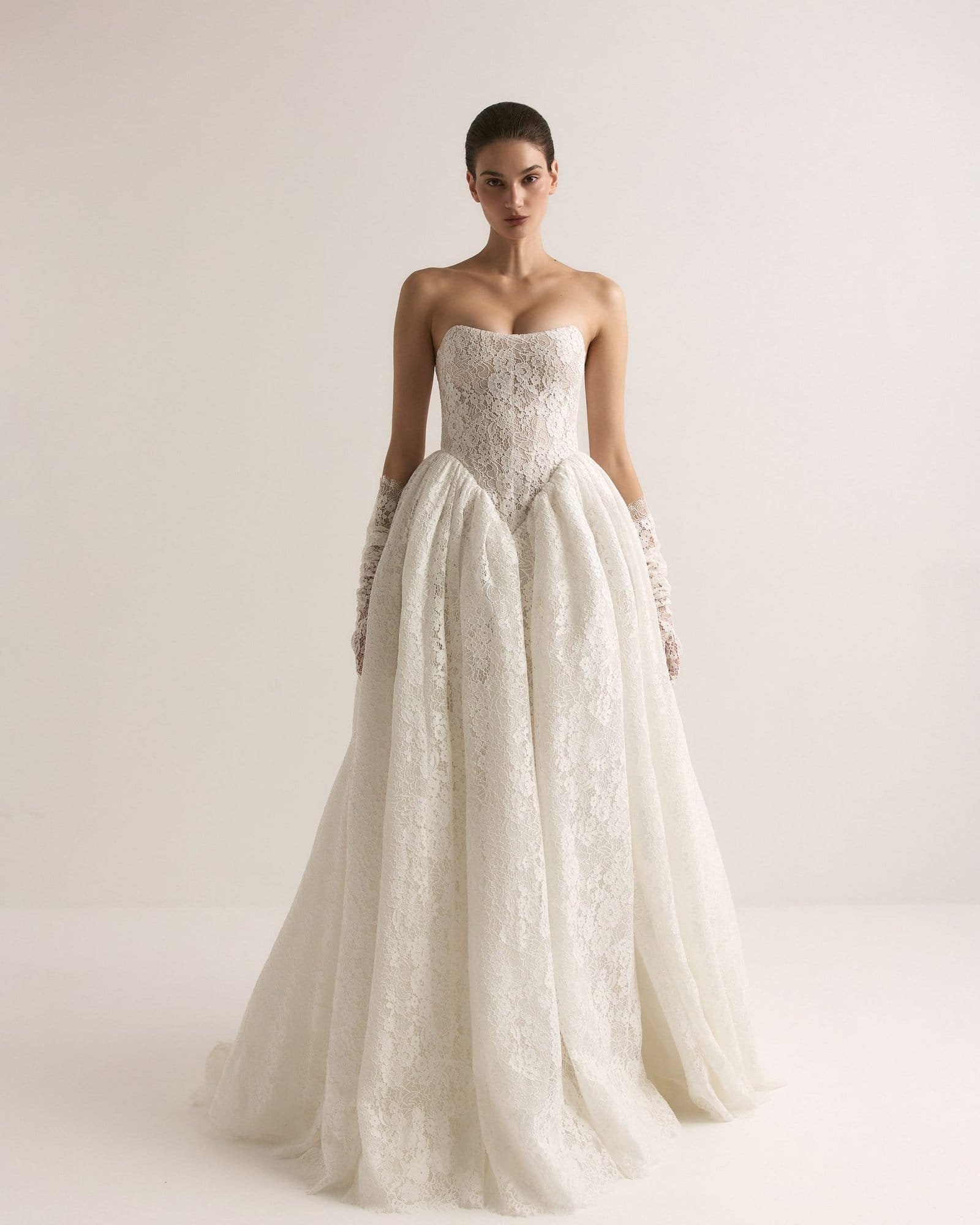
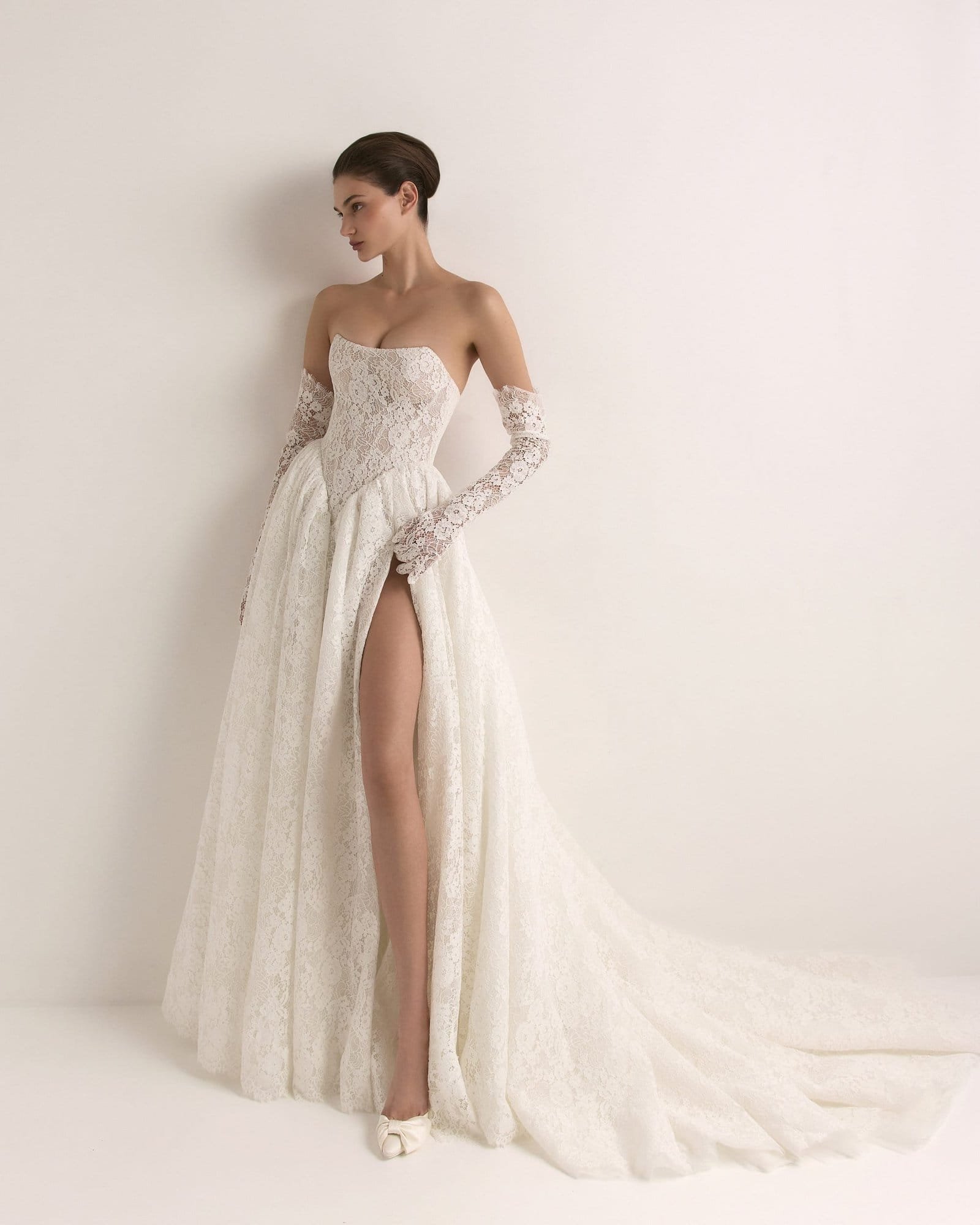
Crystal Edition
Narine
106 470,00 грн
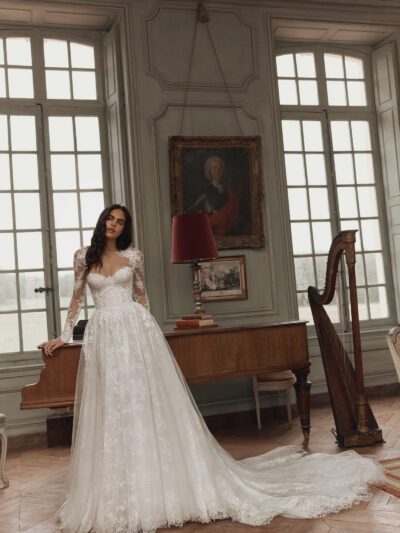 To order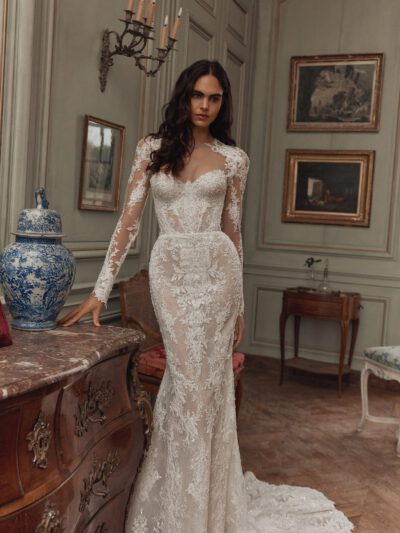
Atelier Heritage Edition
Renoar
311 155,00 грн


Atelier Heritage Edition
Dejavu
142 605,00 грн
 To order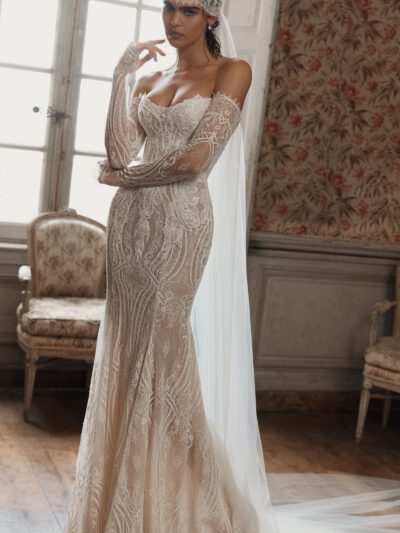
Atelier Heritage Edition
Rain
153 000,00 грн
 To order
Atelier Heritage Edition
Beamount
291 105,00 грн
 To order
Atelier Heritage Edition
Soho
138 895,00 грн
 To order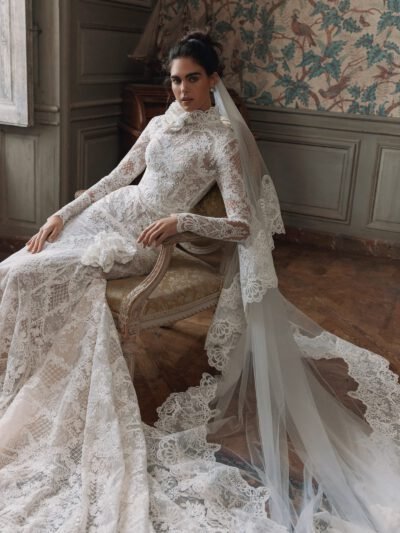
Atelier Heritage Edition
Goff
198 295,00 грн
 To order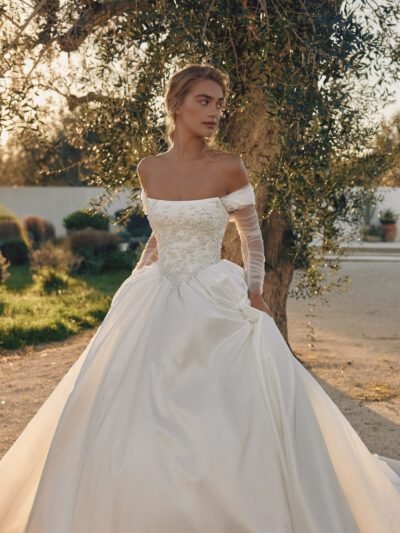
Less is More VI
Romero
127 755,00 грн
 To order
Less is More VI
Encanto
114 390,00 грн
 To order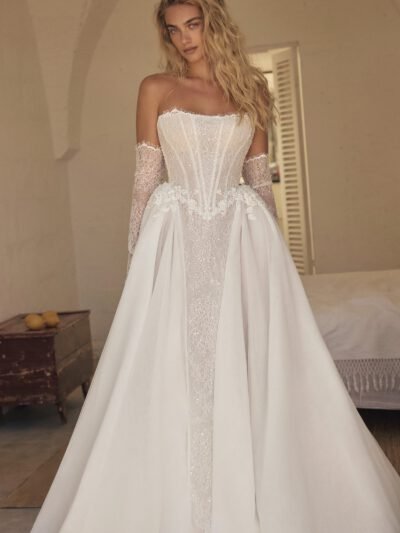
Less is More VI
Vittoria
83 700,00 грн
 To order
Less is More VI
Ferran
83 205,00 грн
 To order
Less is More VI
Fuego
91 125,00 грн
 To order
Less is More VI
Delta
66 375,00 грн
 To order
Less is More VI
Tieri
83 205,00 грн
 To order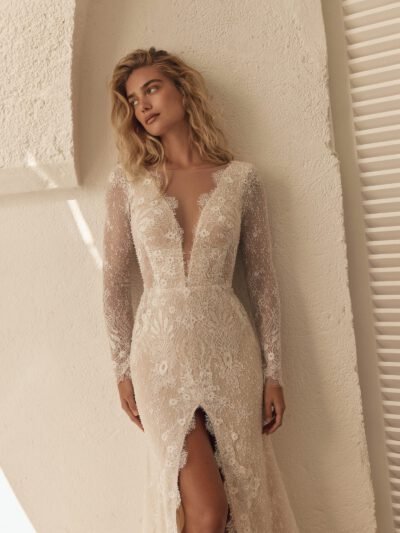
Less is More VI
Meira
90 135,00 грн
 To order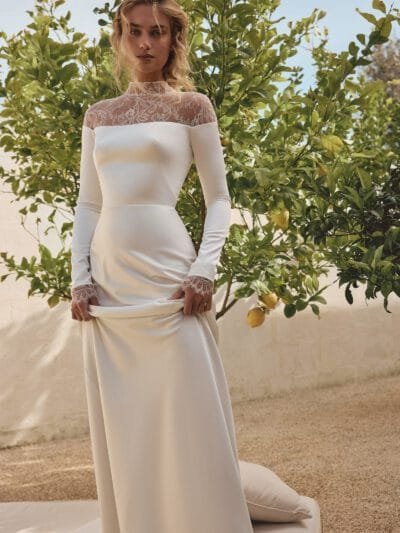
Less is More VI
Marton
53 505,00 грн
Bend your elbow and see where the edge of the sleeve ends up. A length that looks accurate when the arm is down may read differently during the gesture. The label "long sleeves" describes the length along the arm, but does not specify volume, transparency, presence of lining or method of attachment. Narrow outline and puffy sleeve belong to different forms, even if both are long.
The shoulder, elbow and wrist work together
First, check where the hem starts in relation to the shoulder, then how the seam or pattern passes through the elbow. Bend the arm, reach forward and lift it: trace how much the edge rises, where folds appear and whether the position of the shoulder area changes. This is an observation of a specific cut, and not a guarantee of comfort, freedom of movement, warmth or correction of the shape of the hands.
On lace match the motif through the shoulder and elbow seams; on the clear base separately see where the padded area begins. Beads or embroidery near the wrist may come into contact with the fabric of the skirt, second sleeve, or veil. Check out the visible tension-free mounting of the decor and make a short video of the hand movement. If you are planning a veil from the section CRYSTAL accessories, try it on with a dress.
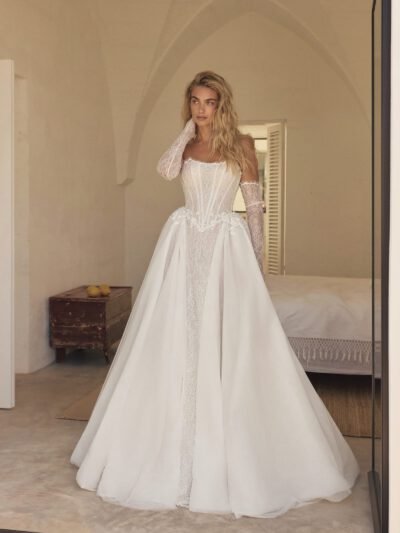
Removable sleeve may be long, but the length alone does not prove removable. Check the method of attachment and completeness in the model card. At the fitting in CRYSTAL, compare both sleeves in the same positions: lowered, bent and raised, paying attention to the symmetry of the pattern, length and hem.