




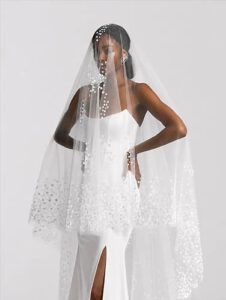


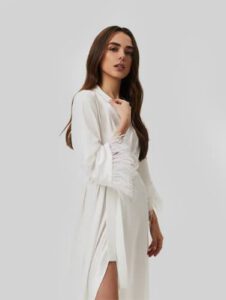




Wedding and evening dresses with short sleeves
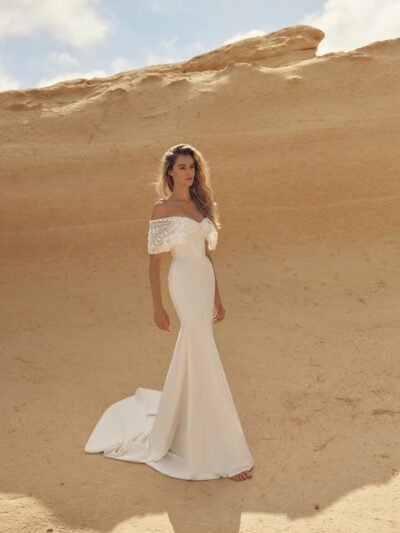
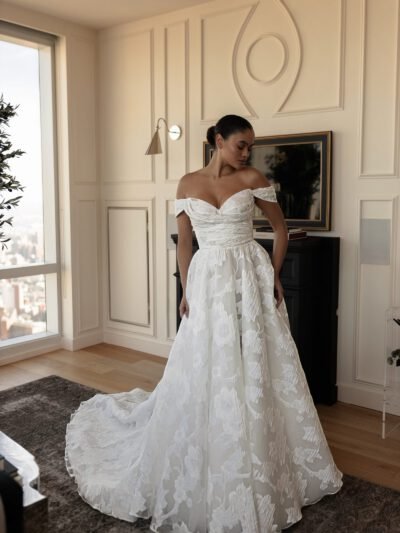
A short sleeve ends above the elbow, but it can be close-fitting, loose, lush or resemble a wing. At the fitting, evaluate the length and hem in the face and profile, the armhole, the linen and the movement of the hands; such a mark does not guarantee coolness, comfort or certain shoulder coverage.
102 model


Sirenity
Sevier
77 760,00 грн
 To order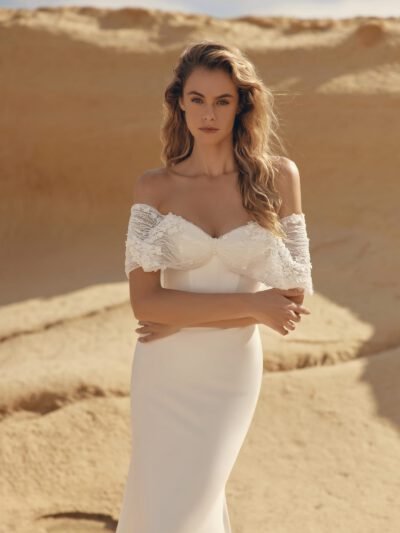
Sirenity
Opheline
58 950,00 грн


WbW Hedonista
7001
28 800,00 грн
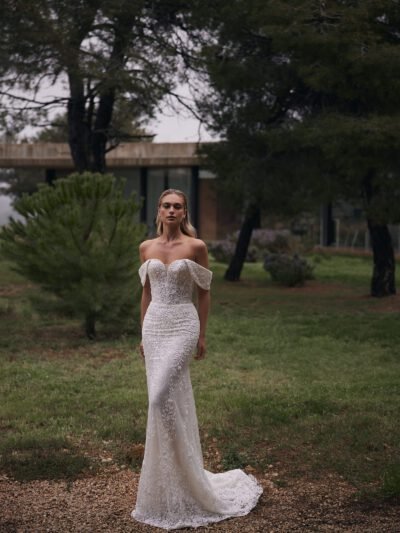 To order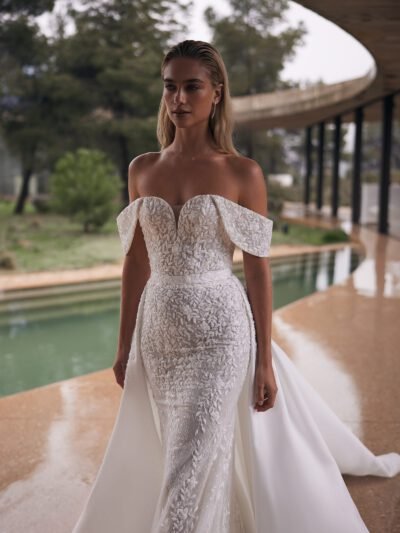
Less is More V
Oda
123 300,00 грн
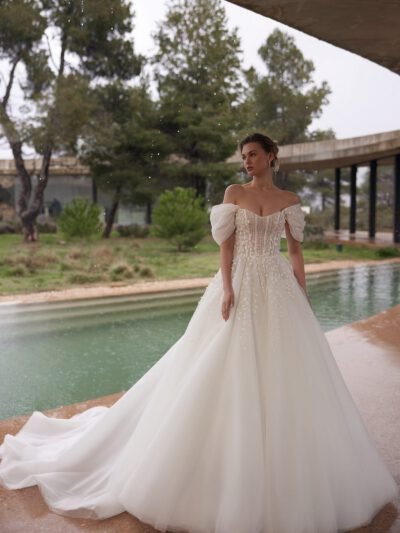 To order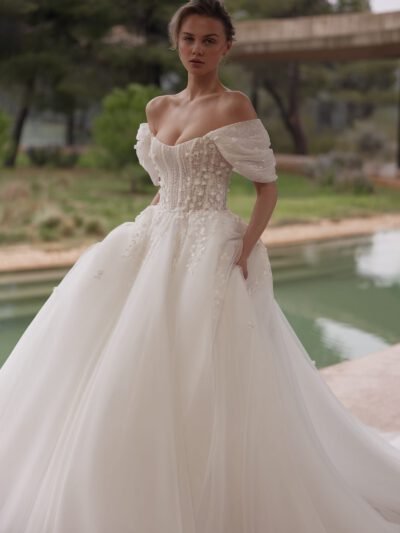
Less is More V
Vida
96 075,00 грн
 To order
Love Story Eva Lendel
Amor
123 795,00 грн
 To order
Love Story Eva Lendel
Saga
73 305,00 грн
 To order
Love Story Eva Lendel
Serenade
82 710,00 грн
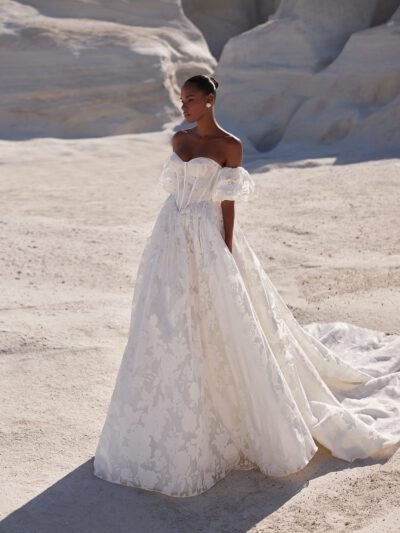 To order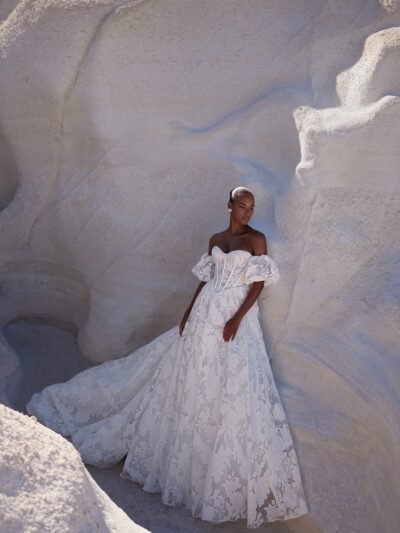
Venus
Begonia
98 550,00 грн

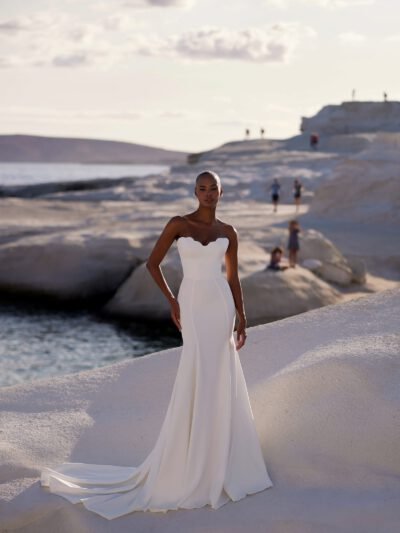
Venus
Monroe
71 325,00 грн
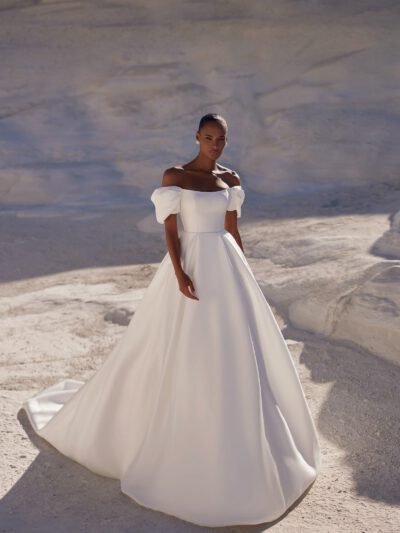 To order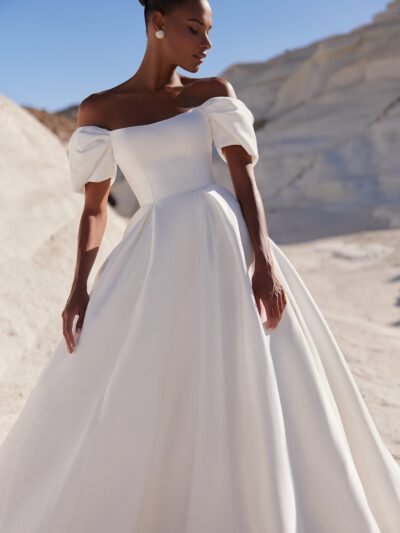
Venus
Lovisa
76 770,00 грн
 To order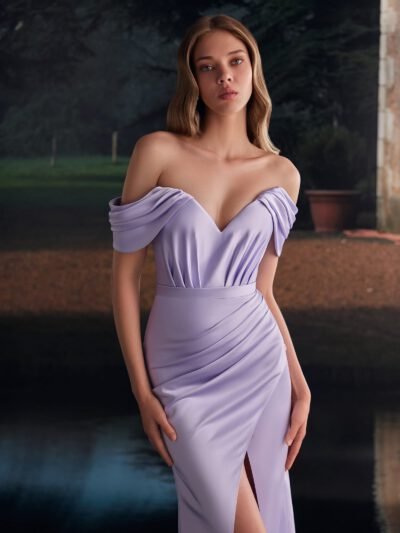
Evening Spring Drop
2507
33 865,00 грн

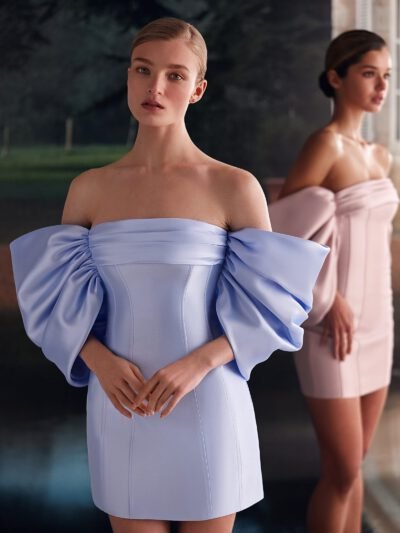
Evening Spring Drop
2513
28 125,00 грн


Gemini
Etta
110 925,00 грн
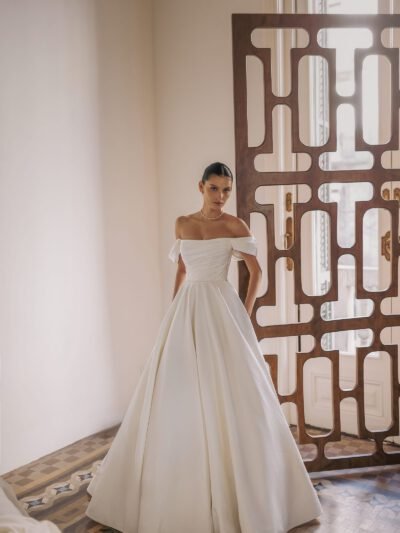 To order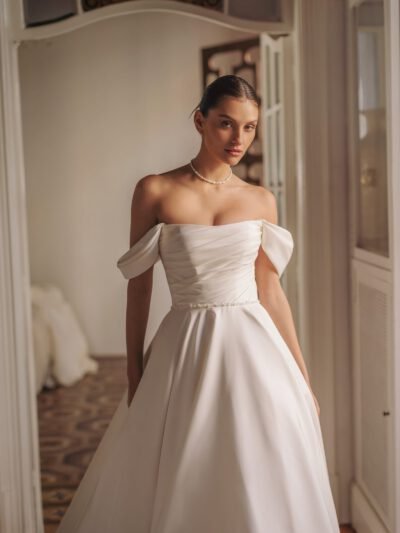
Gemini
Palmer
66 375,00 грн
 To order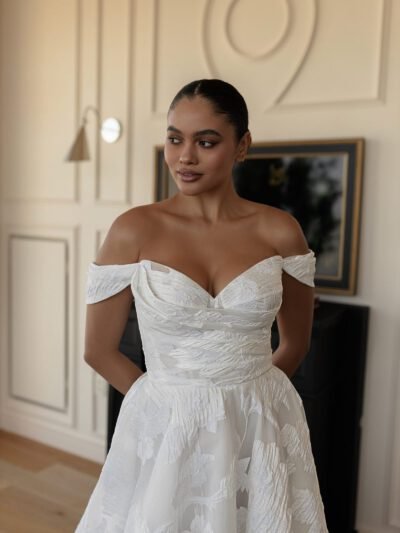
Urban Elegance
Amma
90 135,00 грн
The edge of the short sleeve puts a distinct point on the arm: it ends above the elbow, but this common length does not make all models the same. The sleeve can fit, fall away from the arm, gather in folds or start below the shoulder. Therefore, the mark describes the length of the part, not its volume, degree of openness, comfort or ability to change proportions.
Where the border passes is more important than the label
Sleeve-wing only covers the upper part of the shoulder and has its own short outline; puffy sleeve determined by the volume, even if it also ends above the elbow. In models with open shoulders the starting point is shifted lower, so the length should be read together with the neckline, not separately.
In the face, compare the height of the right and left edges. In profile, look at how the sleeve comes out of the armhole and how much space there is between the fabric and the arm. Raise your arms, reach forward and bend your elbows: see if the edge rises, where the fabric gathers and becomes visible near the armhole and underwear. If floral motif, embroidery or beads reach the edge, match the pattern and density of the decor on both sleeves.
A veil or a cape can touch the shoulder area, so the selected item is from the section accessories it is better to attach it to the dress, and not to evaluate it separately. At the fitting in Lviv, take a photo from the front, profile, and from the back with your arms down and up — so you can see the real length, edge, and interaction of the parts in motion.