




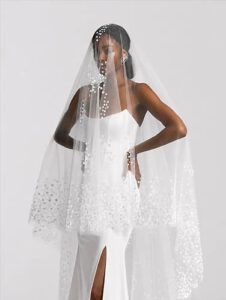







Wedding and evening dresses with thin straps
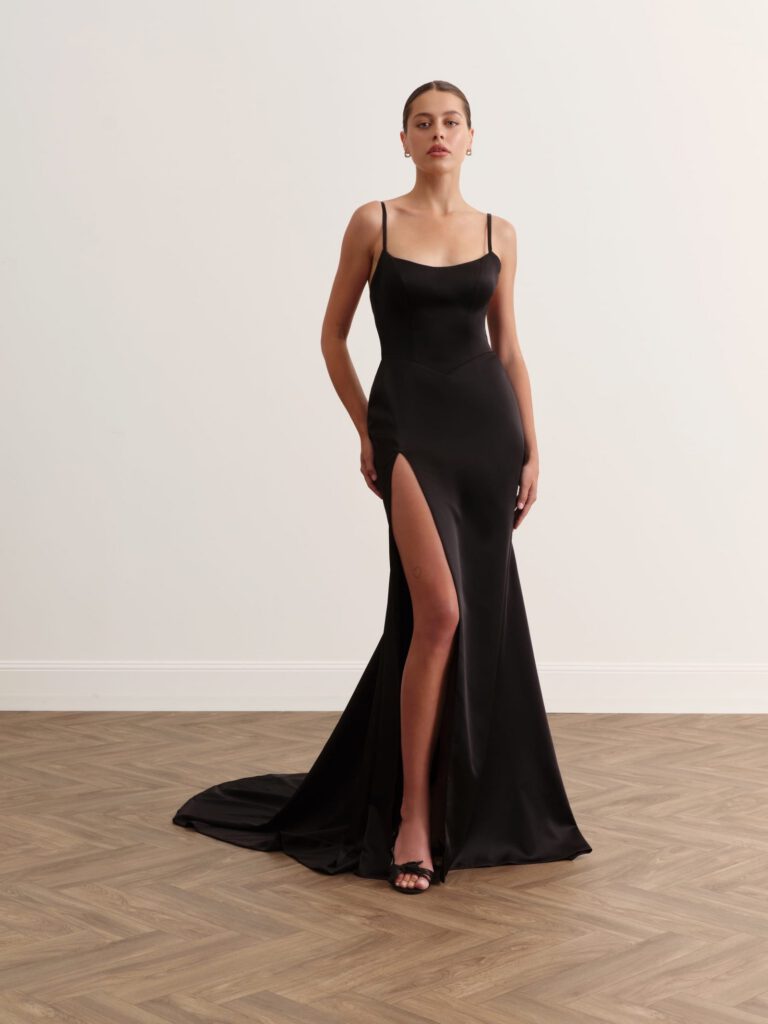
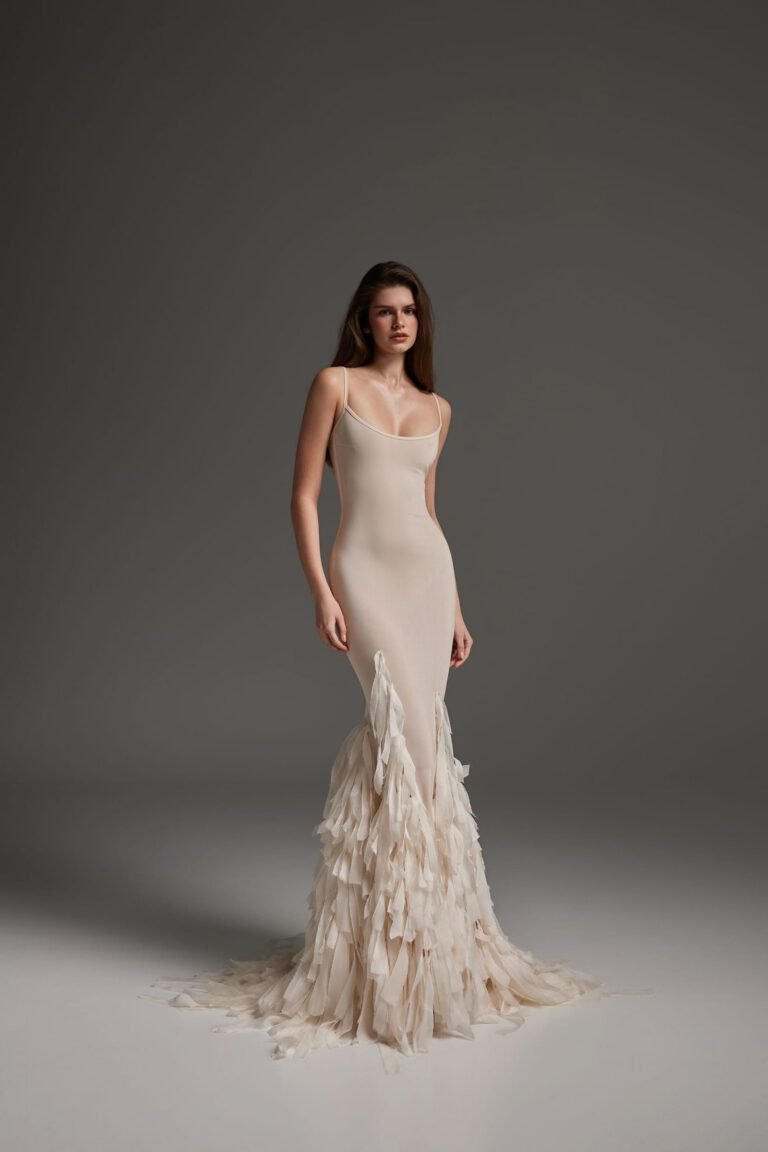
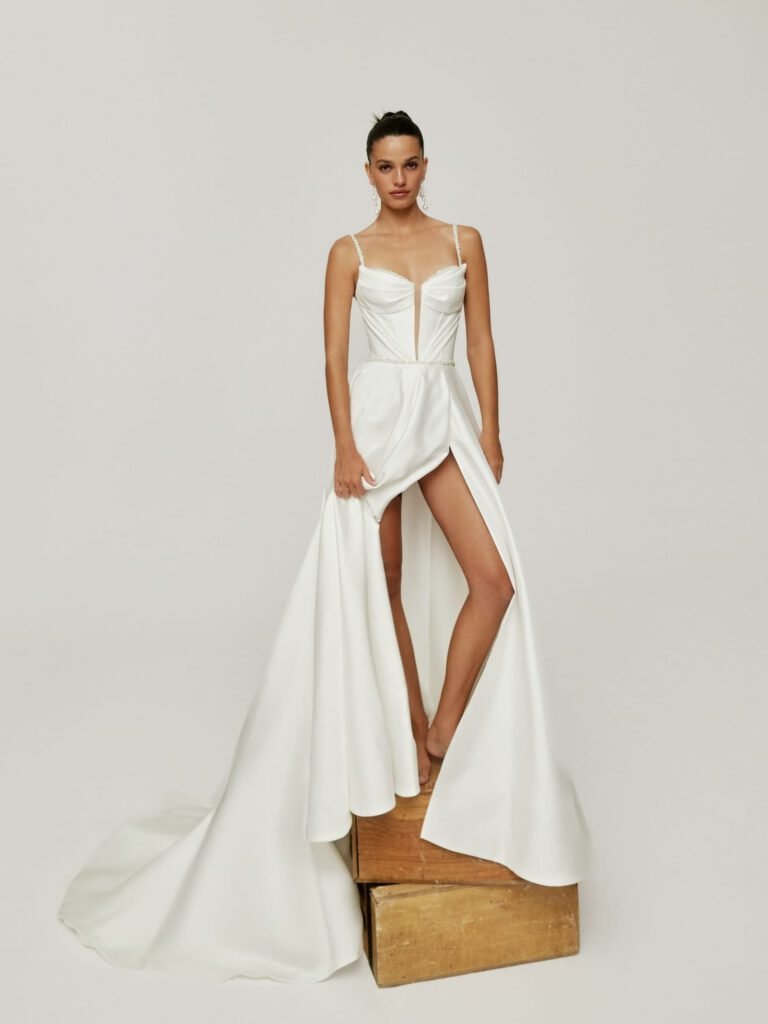
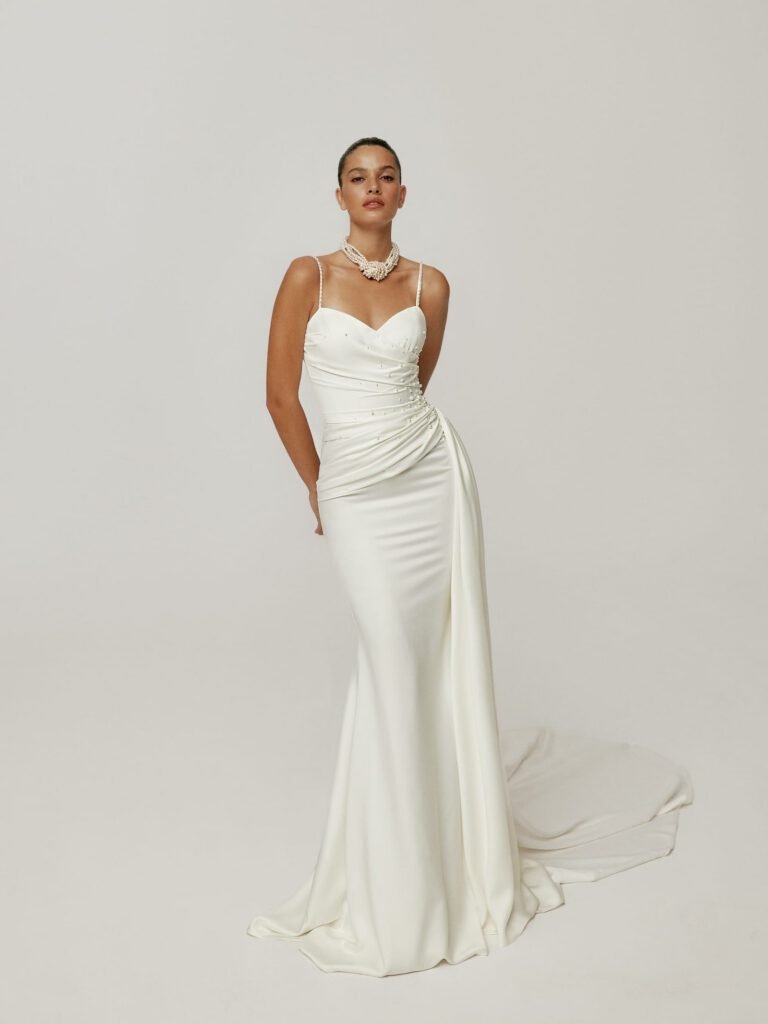
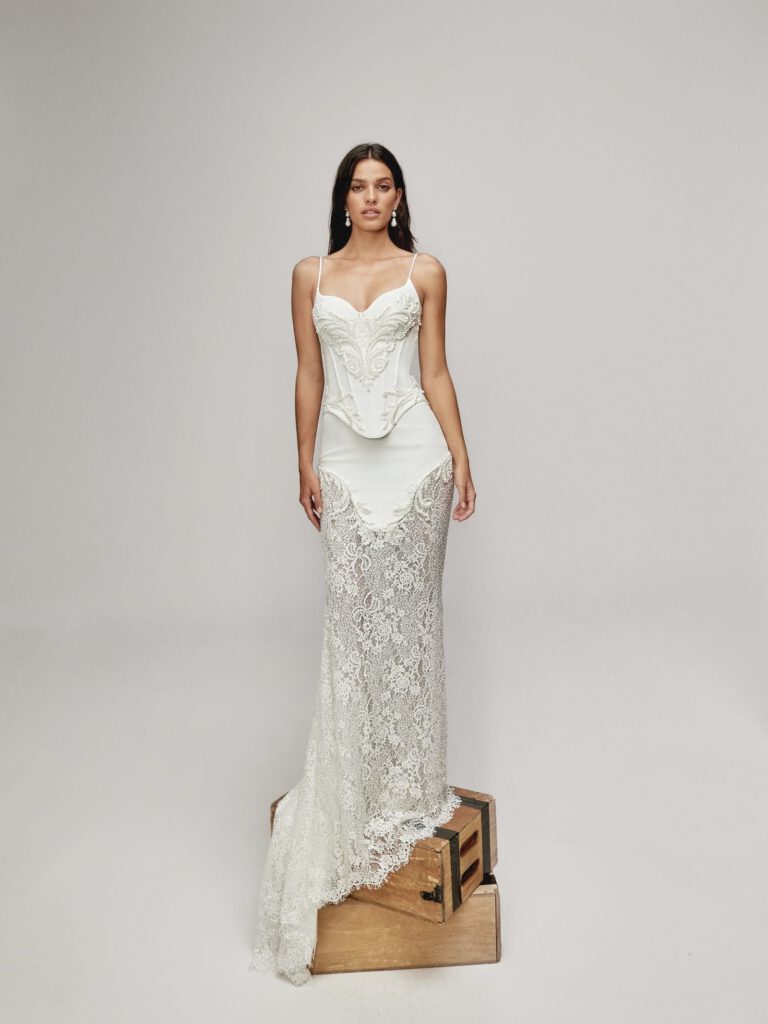
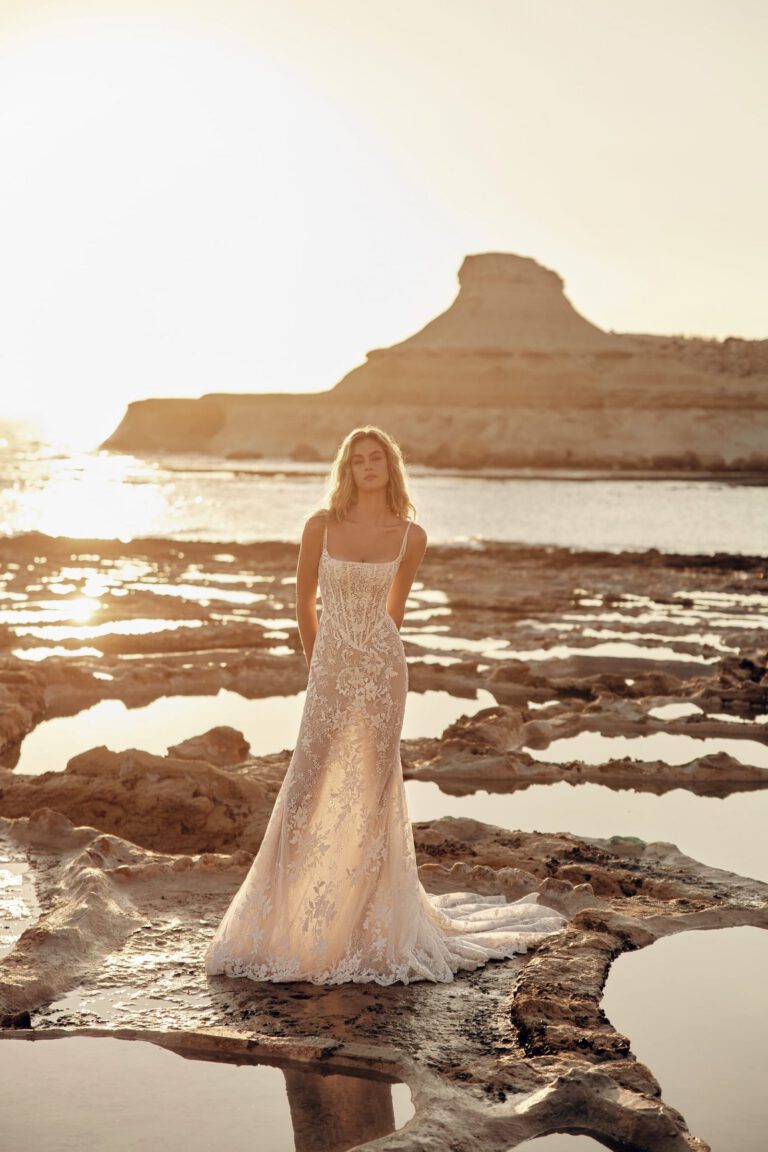
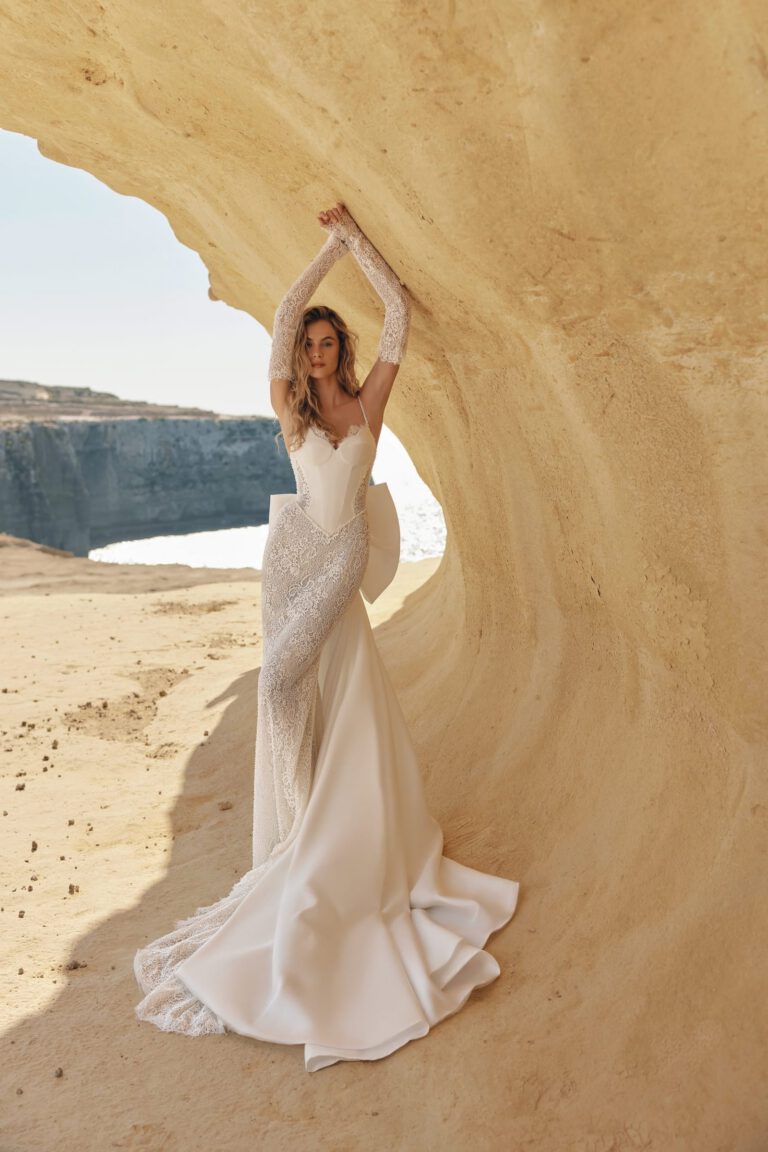
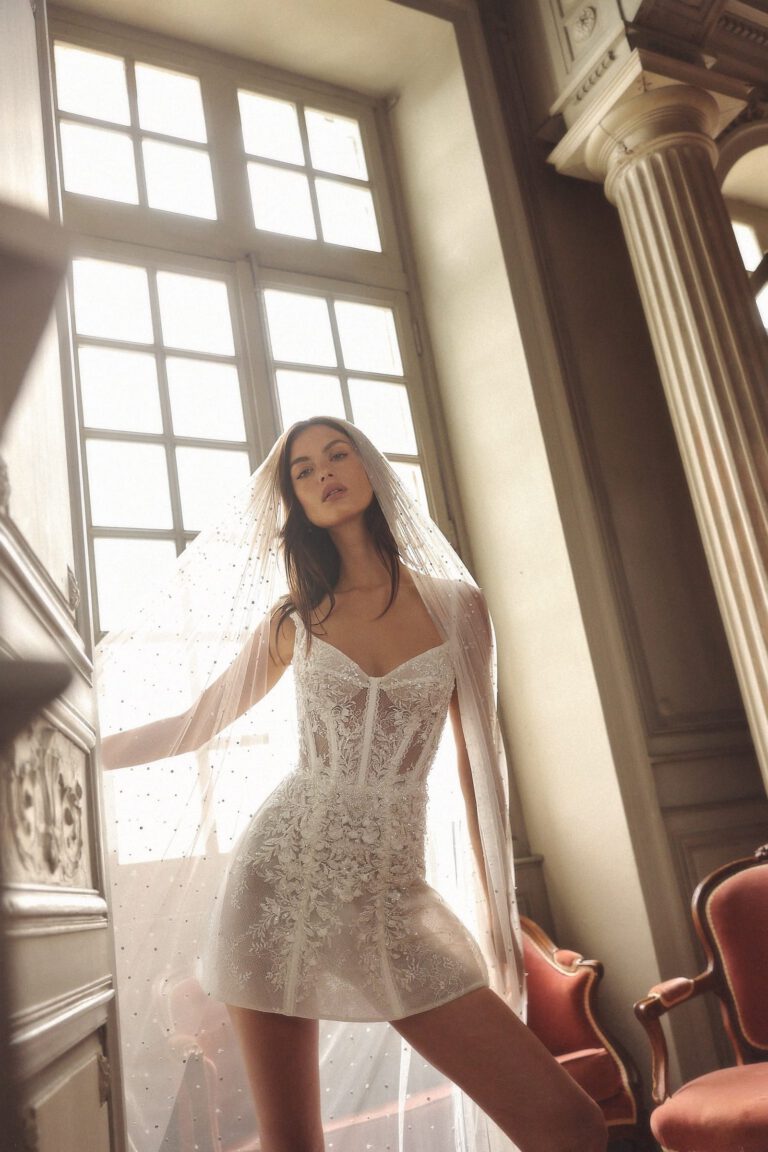
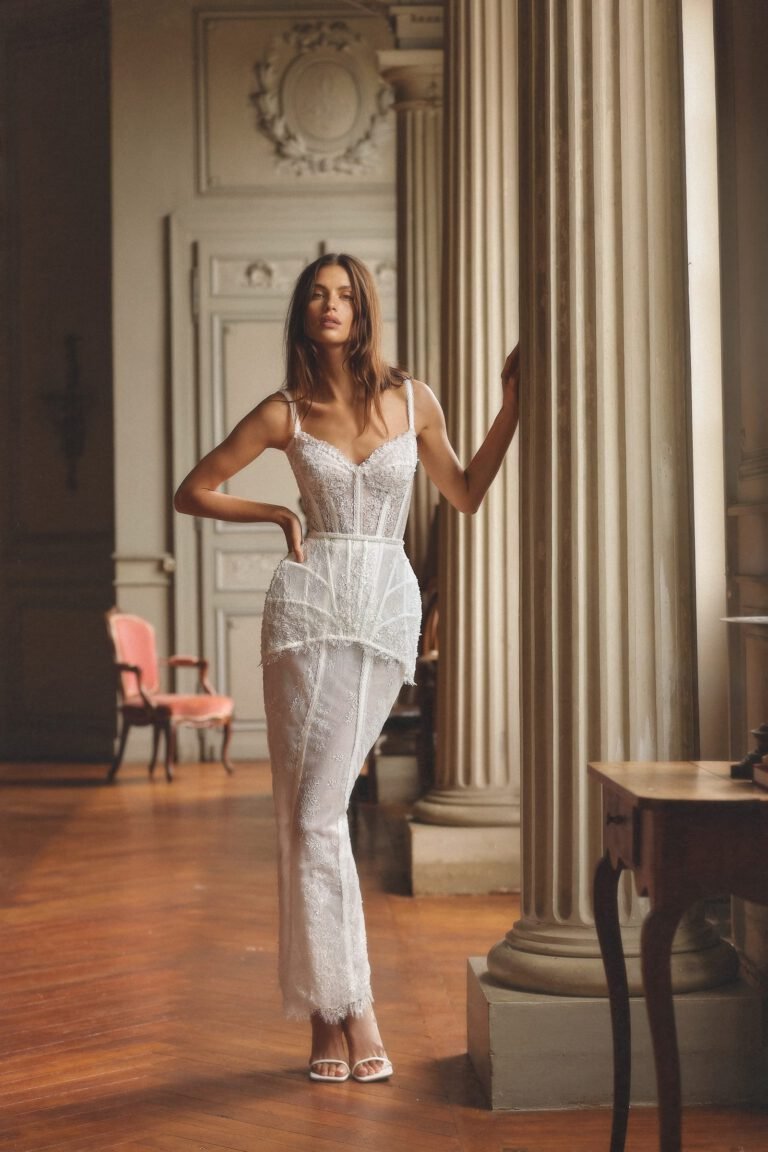
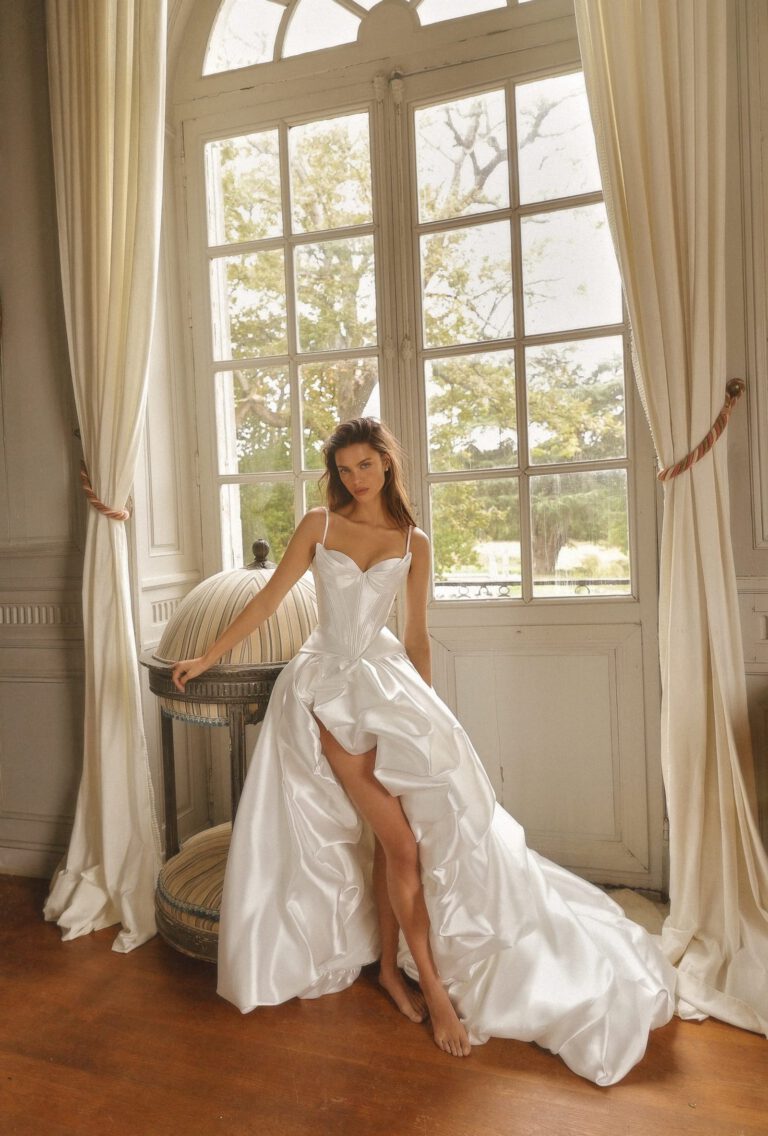
Thin straps draw a narrow line from the bodice over the shoulder to the back, so the accuracy of both joints and symmetry are important. On the fitting, check the twist, offset, visibility of the linen and the rear angle; support, adjustment and stealth cannot be defined by the width of the part alone.
111 model
 To order
Atelier Heritage Edition
Scala
161 910,00 ₴
 To order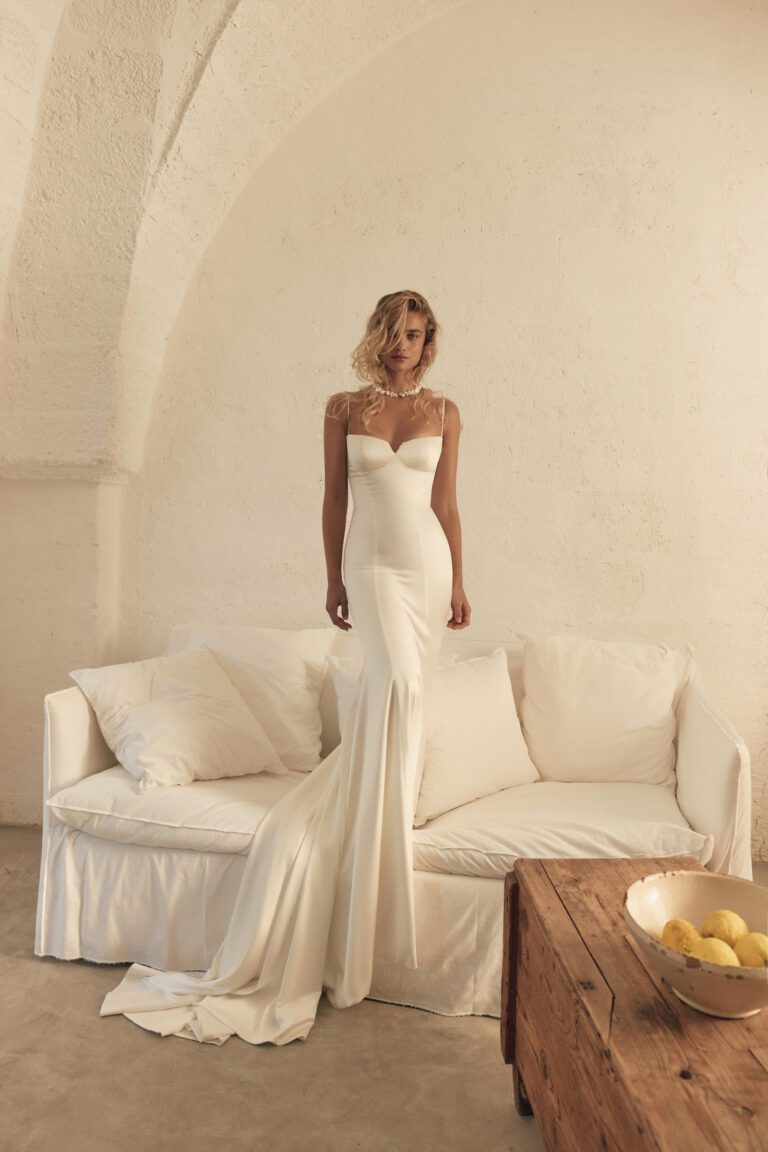
Less is More VI
Tieri
83 205,00 ₴
 To order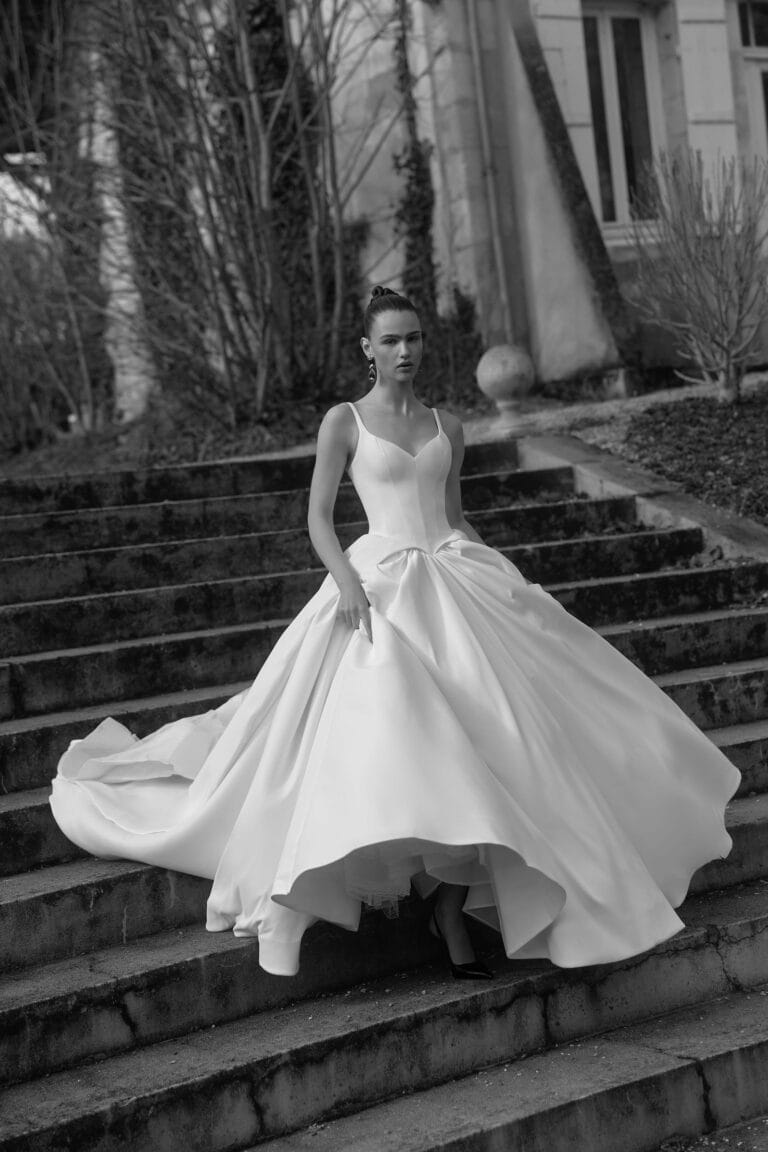
Maison Blanche
Comet
93 105,00 ₴
 To order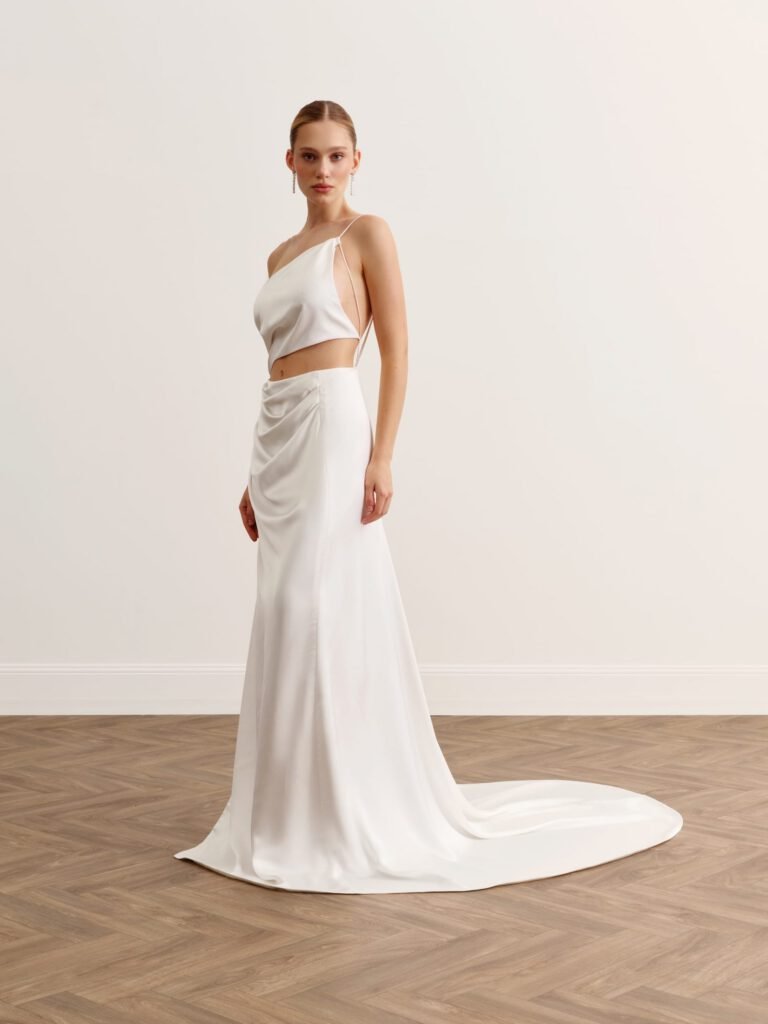
Wona Evening 2026
26102
54 990,00 ₴

Wona Evening 2026
26101
58 950,00 ₴
 To order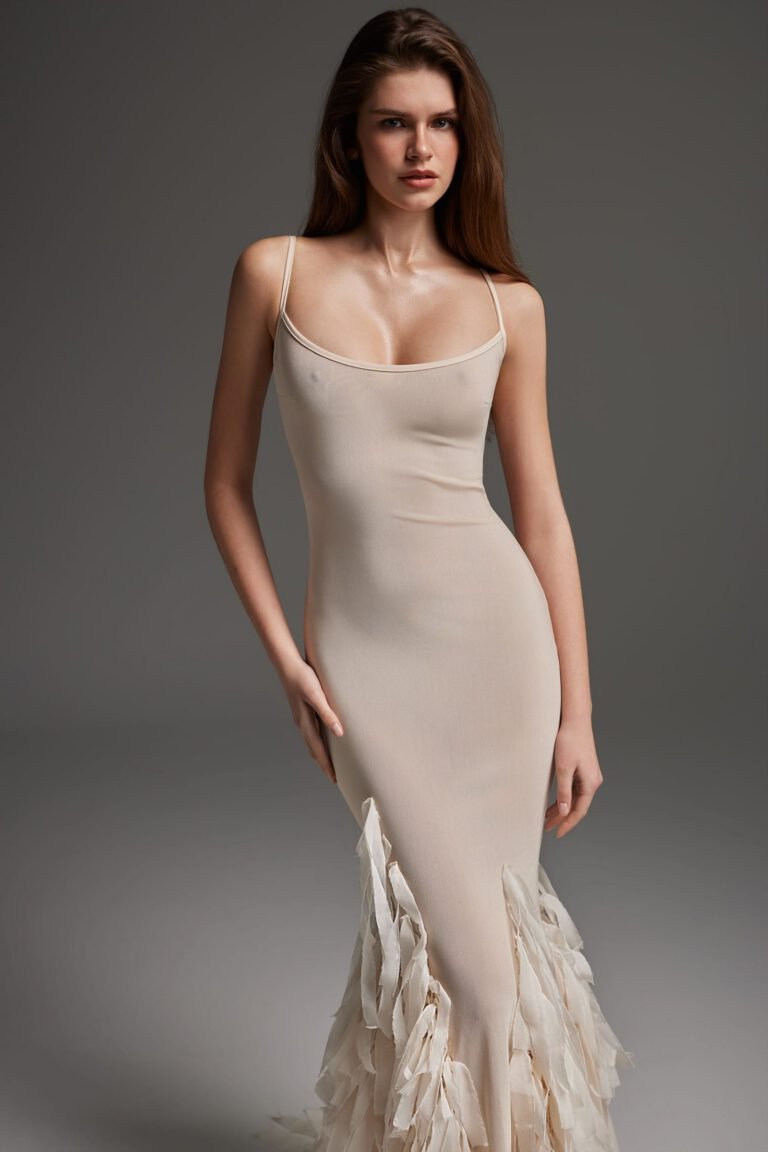
WONA Evening 2027
2718
98 550,00 ₴
 To order
White Edit
Rummy
75 780,00 ₴
 To order
White Edit
Opium
63 405,00 ₴
 To order
White Edit
Benson
80 730,00 ₴
 To order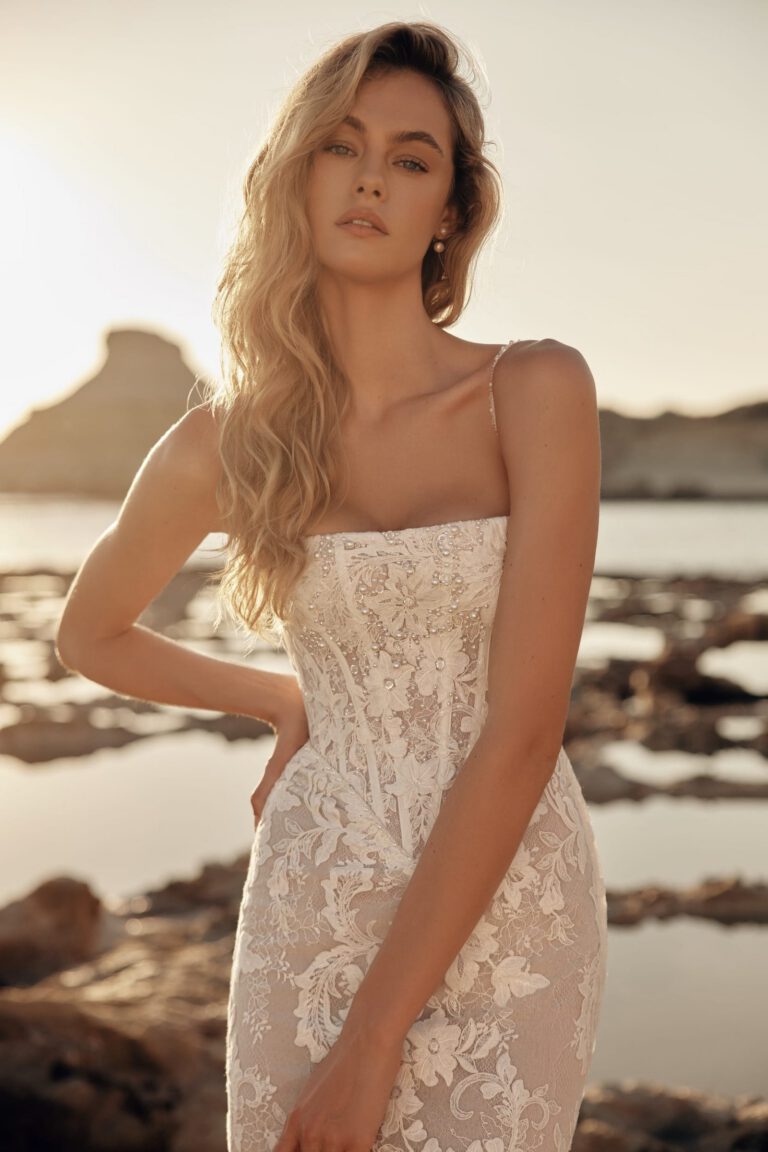
Sirenity
Cher
97 065,00 ₴
 To order
Sirenity
Dee
111 420,00 ₴
 To order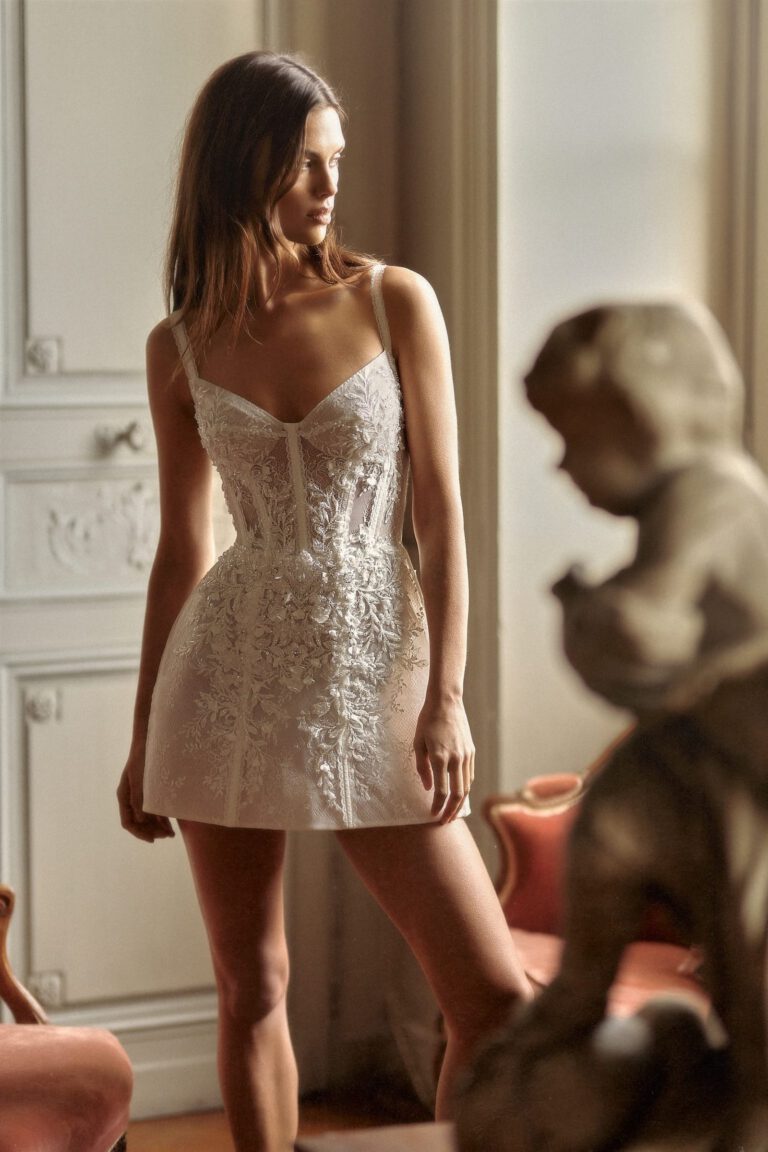
La Femme Edition
Minnie
103 995,00 ₴
 To order
La Femme Edition
Svell
167 850,00 ₴
 To order
La Femme Edition
Carvel
147 805,00 ₴
 To order
La Femme Edition
Intrigue
167 850,00 ₴
 To order
La Femme Edition
Max
346 795,00 ₴
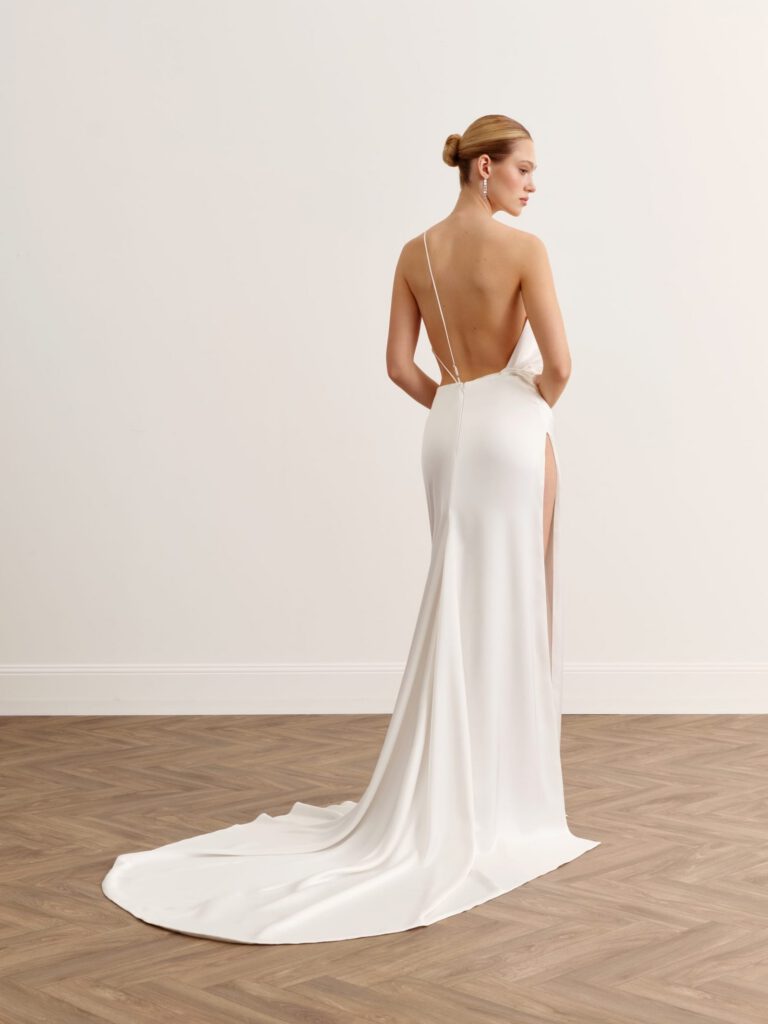
On a thin strap, every millimeter of position becomes a noticeable part of the composition. The narrow line starts at the edge of the bodice, passes over the shoulder and ends at the back, without replacing the construction of the top. It may remain smooth or have visible decoration, but the width alone does not say anything about support, strength or adjustment.
From ordinary straps this option is distinguished precisely by a thinner contour, and not necessarily by a different method of attachment. IN strapless dresses there is no shoulder line at all; halter, on the contrary, directs the edges of the bodice to the neck. Thin straps can be combined, in particular, with V-shaped neckline, but the depth of the neckline should be assessed separately.
First, locate both attachment points at the front: they should read symmetrically in relation to the cutout. Then turn sideways and see if each strap rests on the shoulder without twisting. The rear angle is especially important near open back: trace the direction of the lines, the edges of the linen and the point of contact with the top. Consider a buckle, loop or trim only when it is actually visible on a particular model.
When trying on CRYSTAL, raise your arms, reach forward, sit down and turn your body. After each movement, check that the straps have not shifted towards the neck or edge of the shoulder, that they have not twisted and that the joints have remained at the same level. Take a photo from the front and from the back with the chosen underwear: a thin line needs to be checked in real perspective, not guesses from a catalog.