
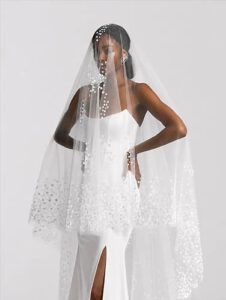


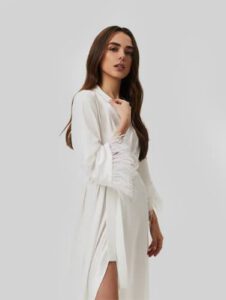


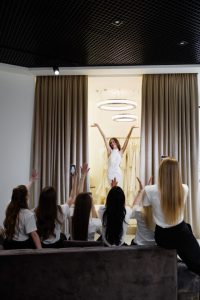

Wedding and evening dresses with a corset bodice
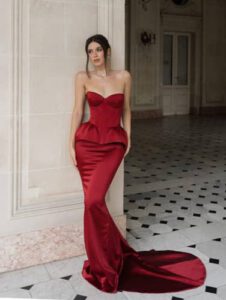
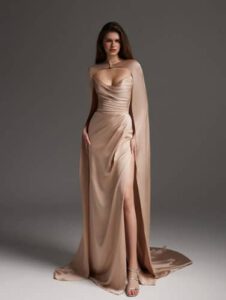
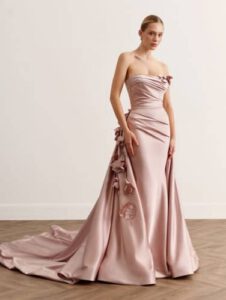
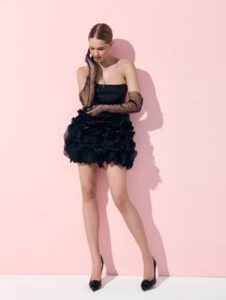
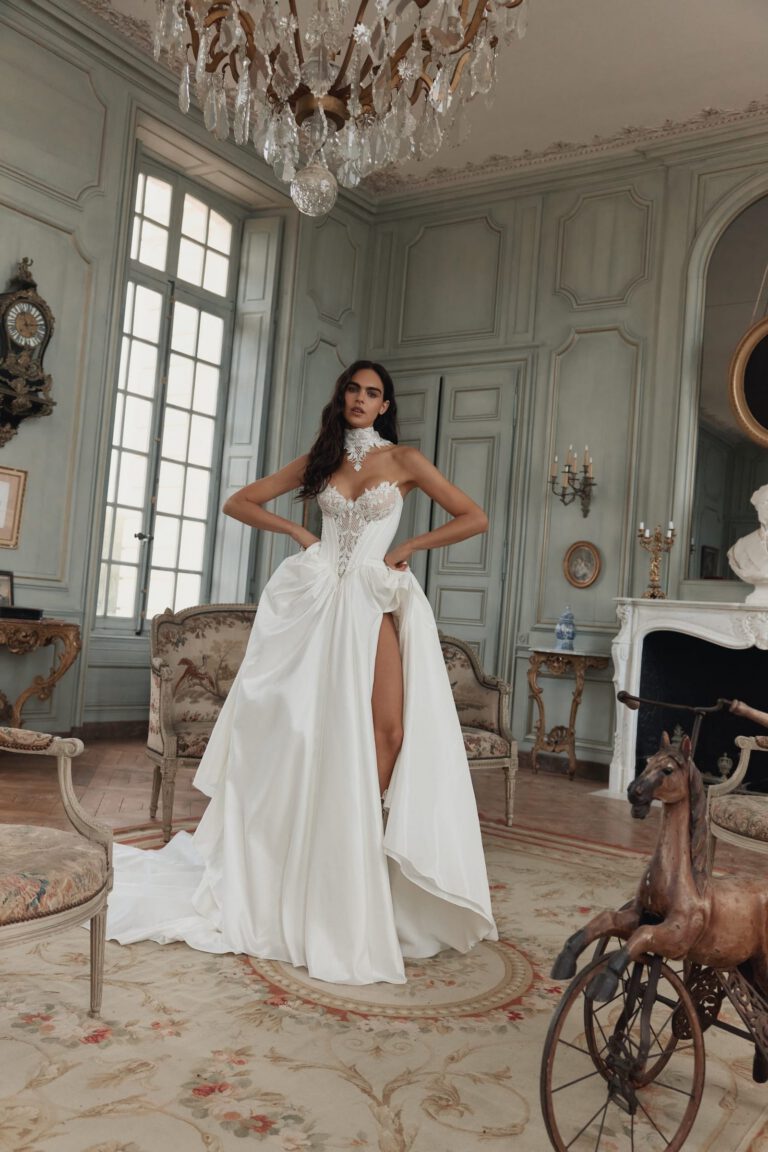
A corset bodice can be read by the outlined borders of the top, the panels and the junction with the waist, but the label itself does not confirm the tightening or support. On the fitting, look for the clasp, check for visible underwire and cups only, and compare lines standing, sitting, and with arms raised.
787 model
 To order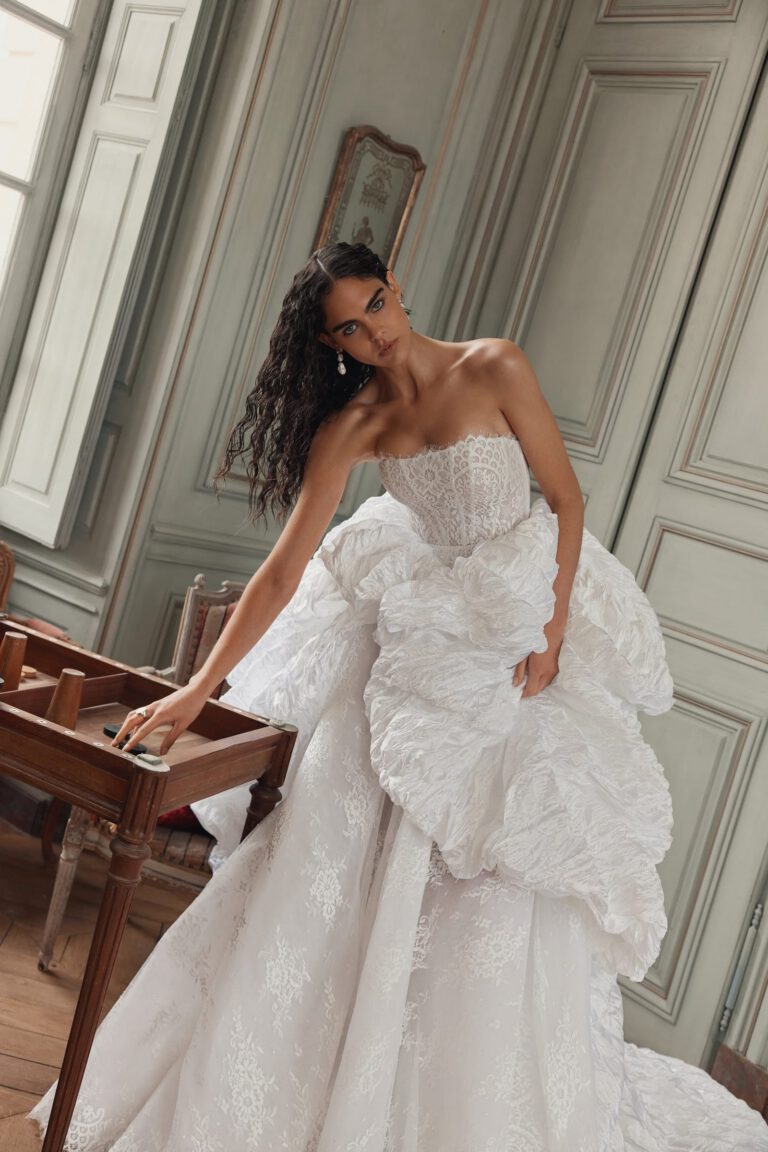
Atelier Heritage Edition
Overture
227 995,00 ₴
 To order
Atelier Heritage Edition
Dacor
179 730,00 ₴
 To order
Atelier Heritage Edition
Roxane
168 595,00 ₴
 To order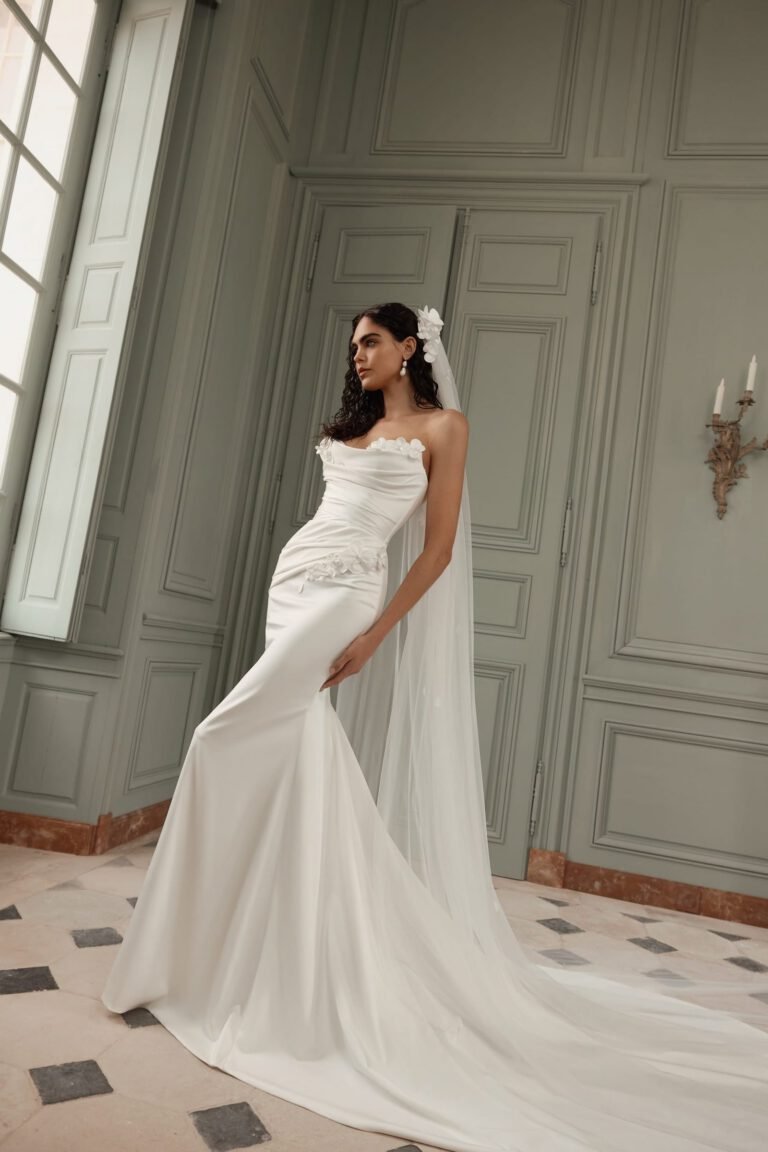
Atelier Heritage Edition
Velare
121 075,00 ₴
 To order
Atelier Heritage Edition
Trophee
132 210,00 ₴
 To order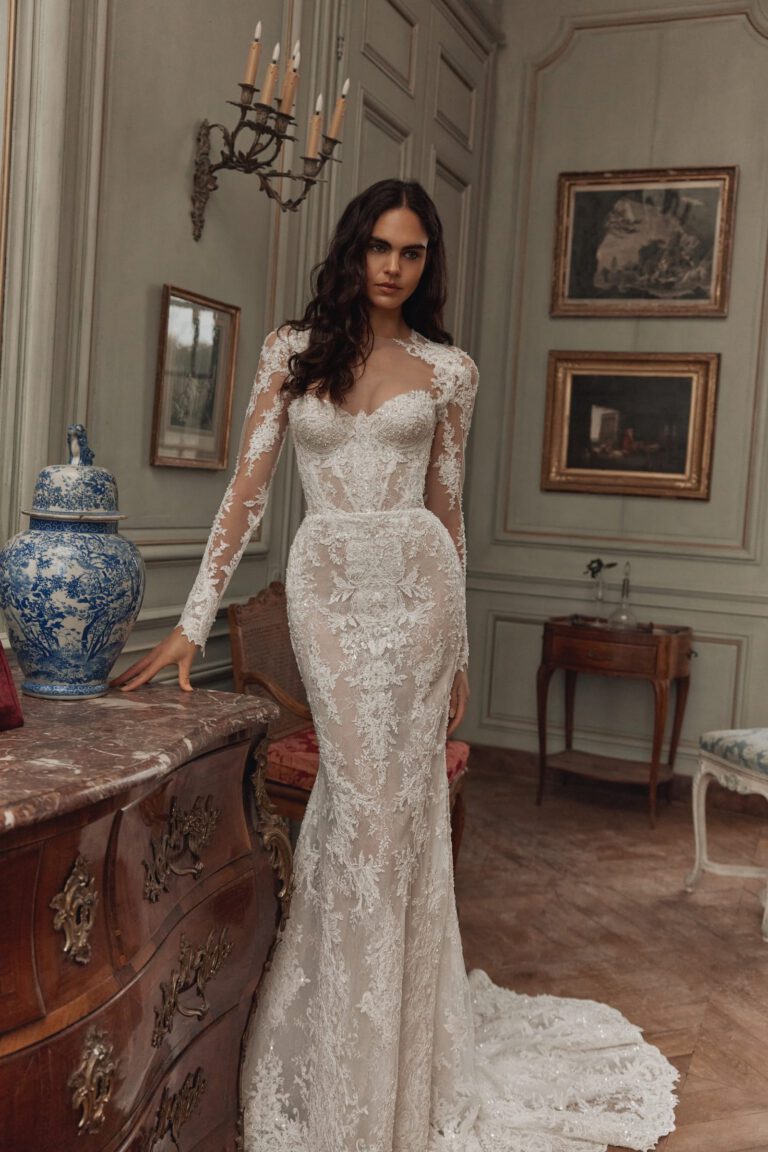
Atelier Heritage Edition
Renoar
311 155,00 ₴
 To order
Atelier Heritage Edition
Eterno
184 930,00 ₴
 To order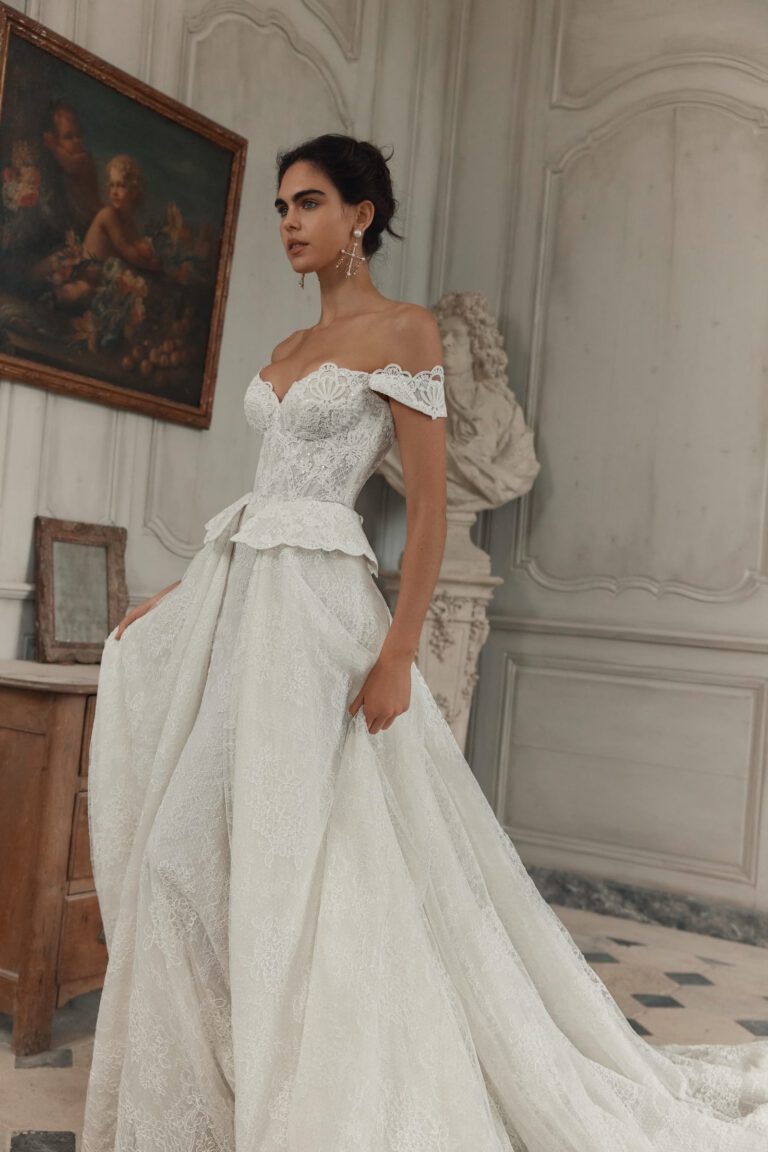
Atelier Heritage Edition
Nolen
243 585,00 ₴
 To order
Atelier Heritage Edition
Erve
192 355,00 ₴
 To order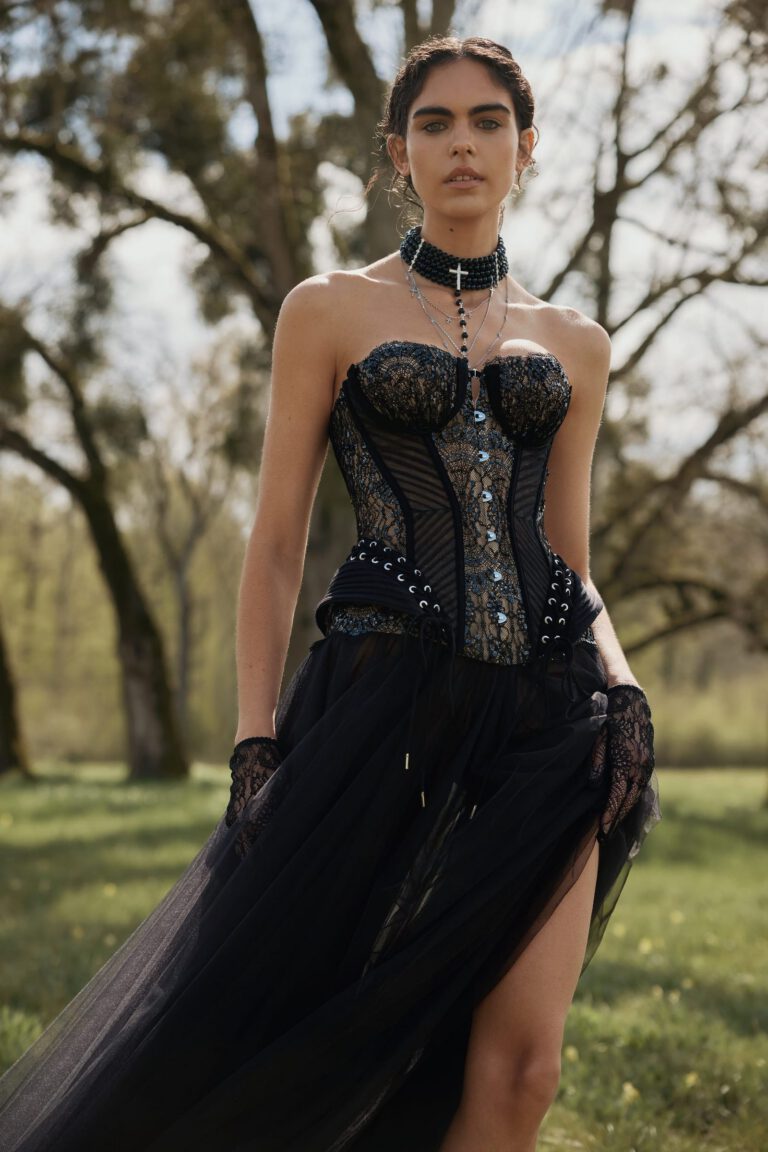
Atelier Heritage Edition
Carat
205 720,00 ₴
 To order
Atelier Heritage Edition
Arcane
160 425,00 ₴
 To order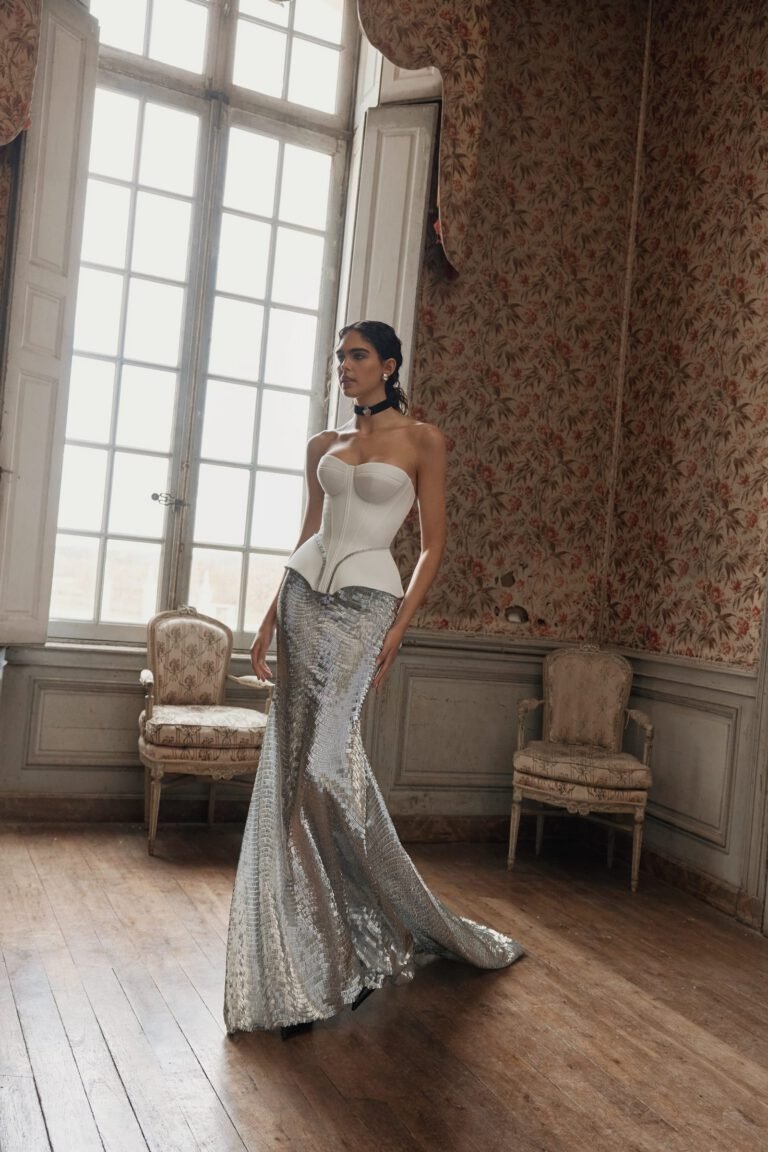
Atelier Heritage Edition
Spectrum
155 230,00 ₴
 To order
Atelier Heritage Edition
Rain
153 000,00 ₴
 To order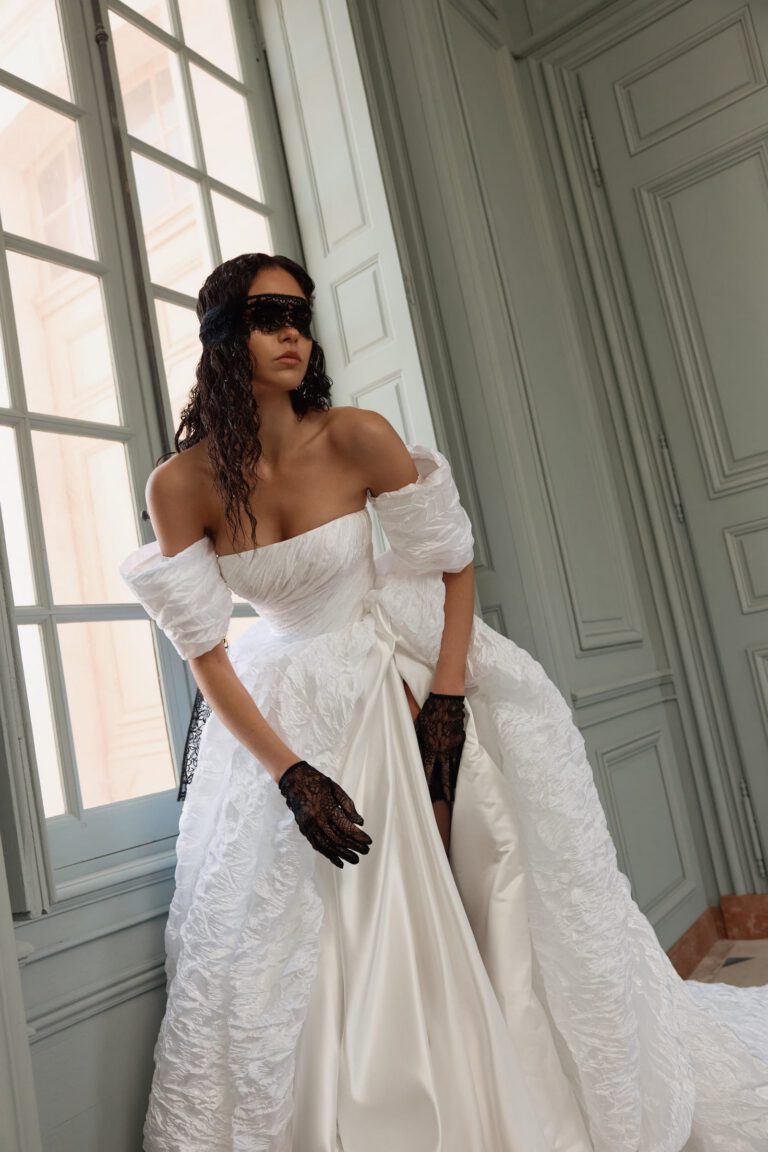
Atelier Heritage Edition
Mela
190 870,00 ₴
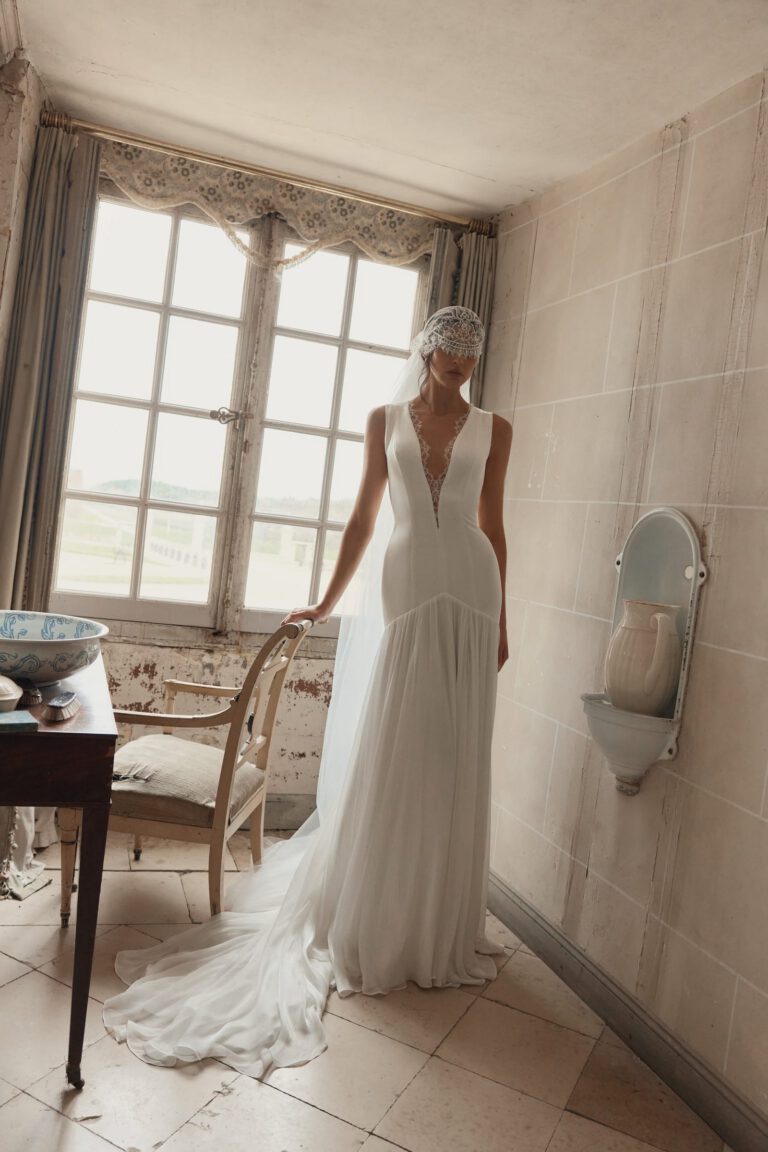 To order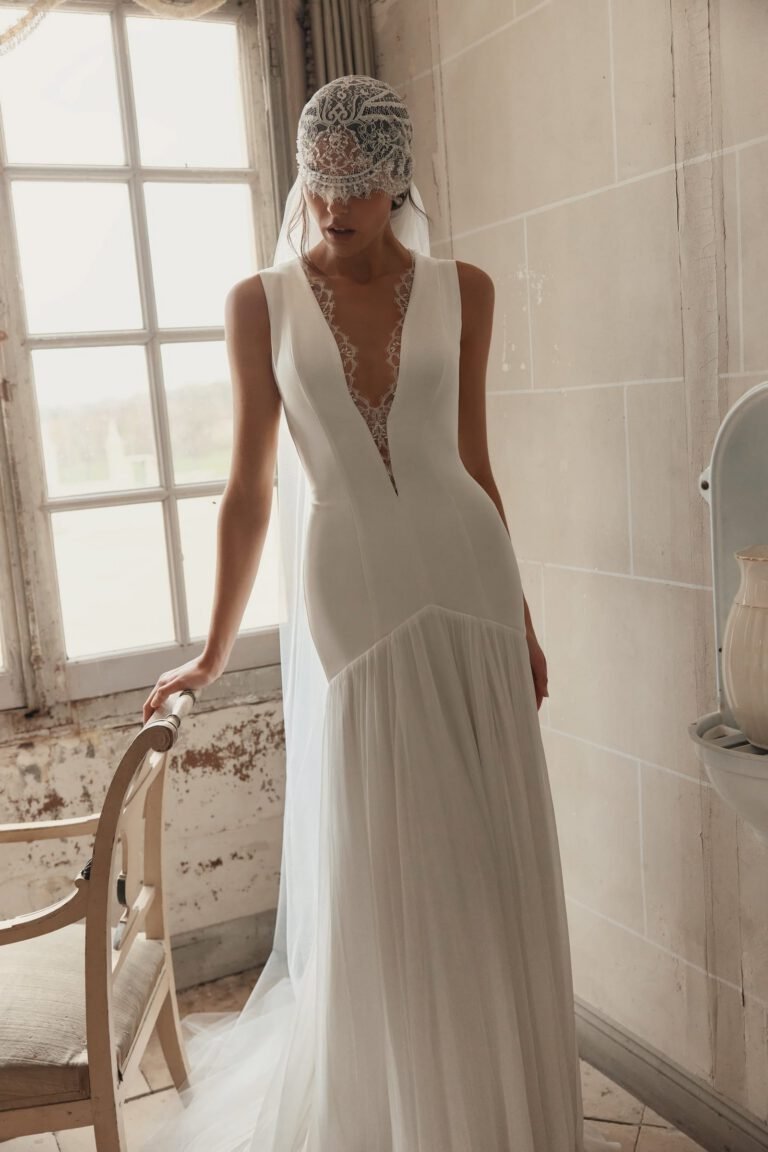
Atelier Heritage Edition
Larson
115 135,00 ₴
 To order
Atelier Heritage Edition
Darren
232 450,00 ₴
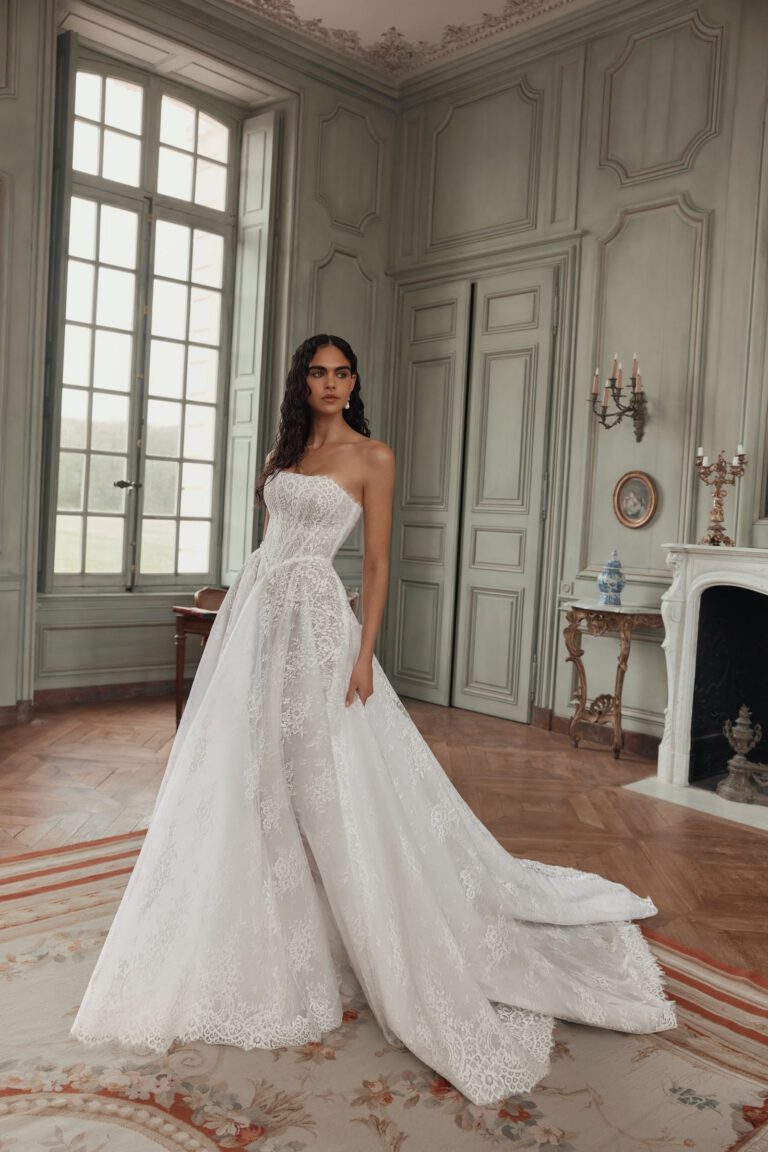
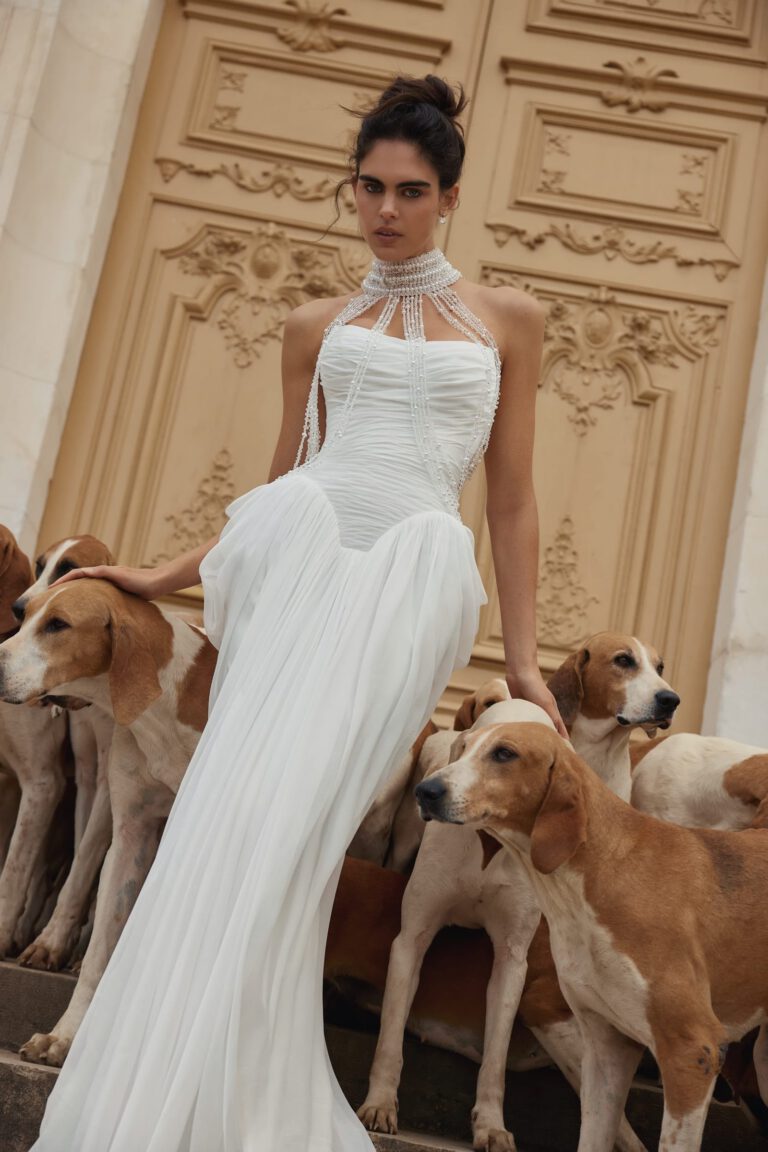
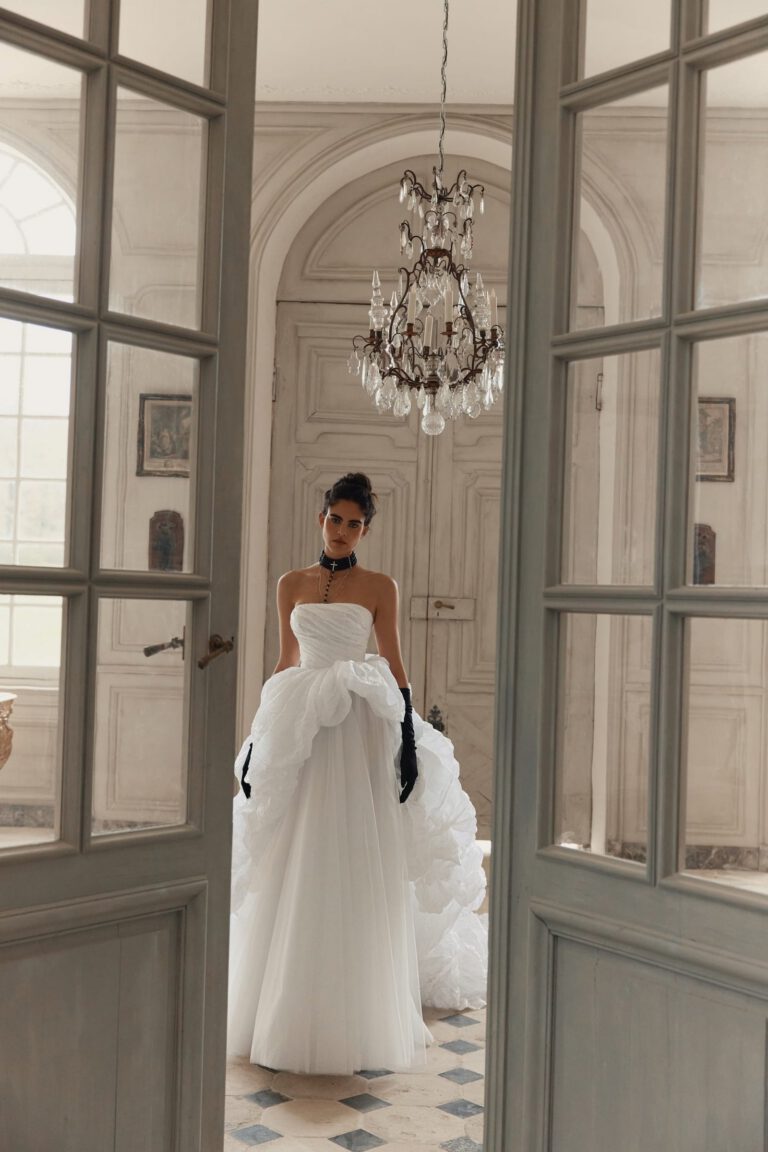
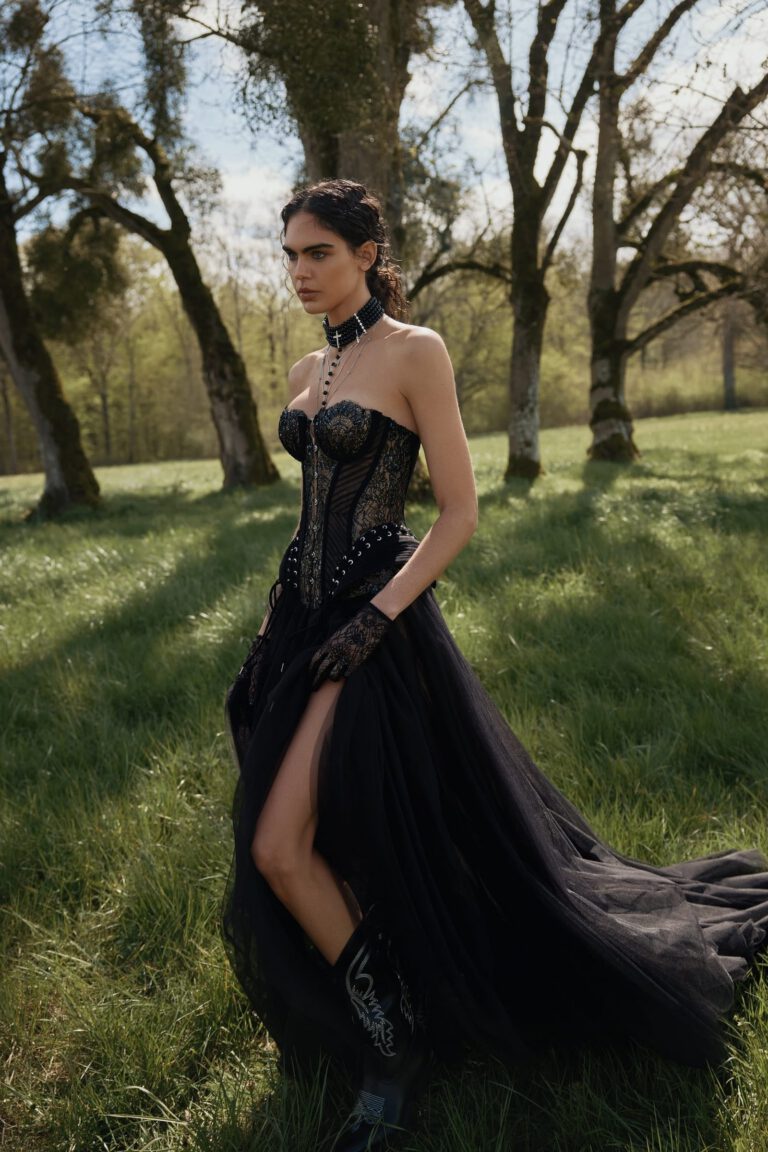
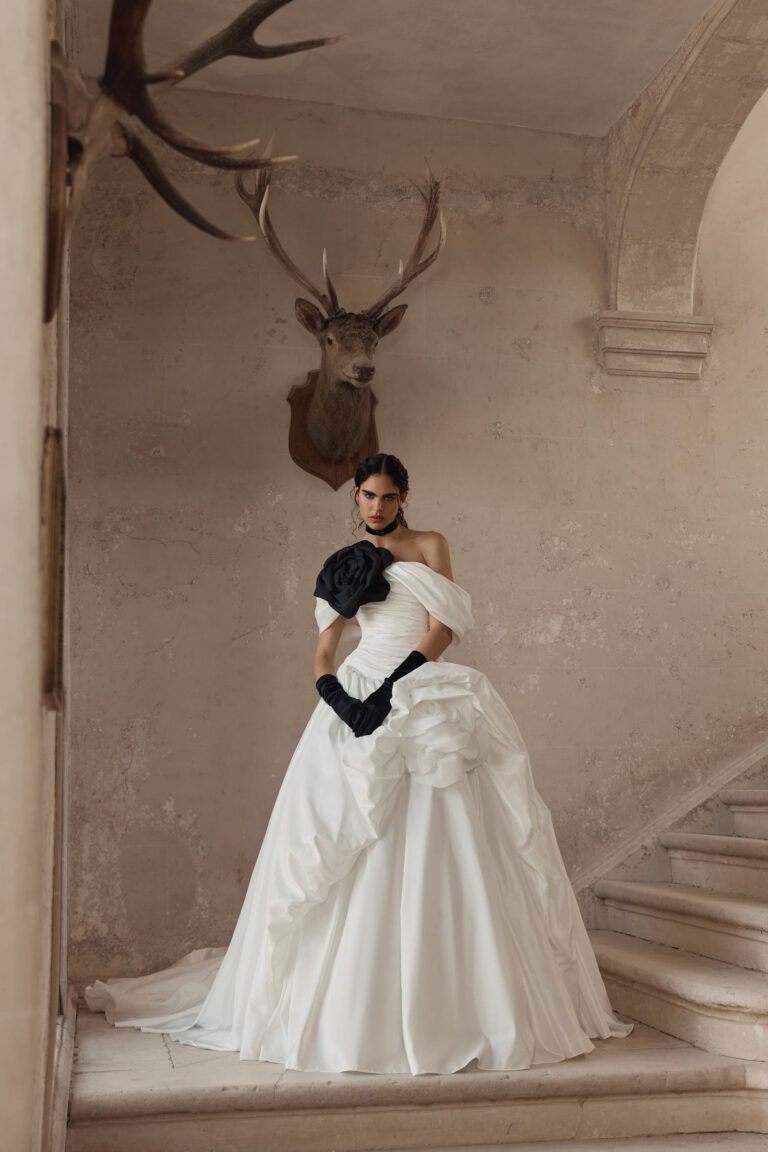
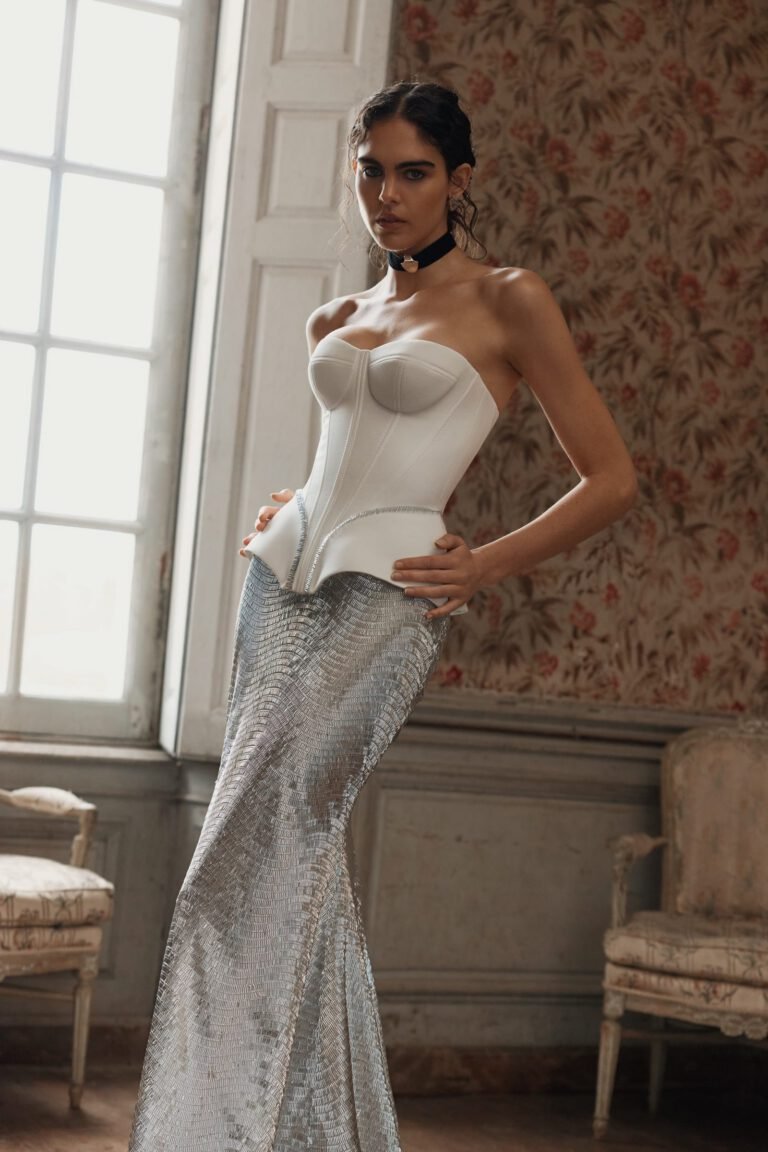
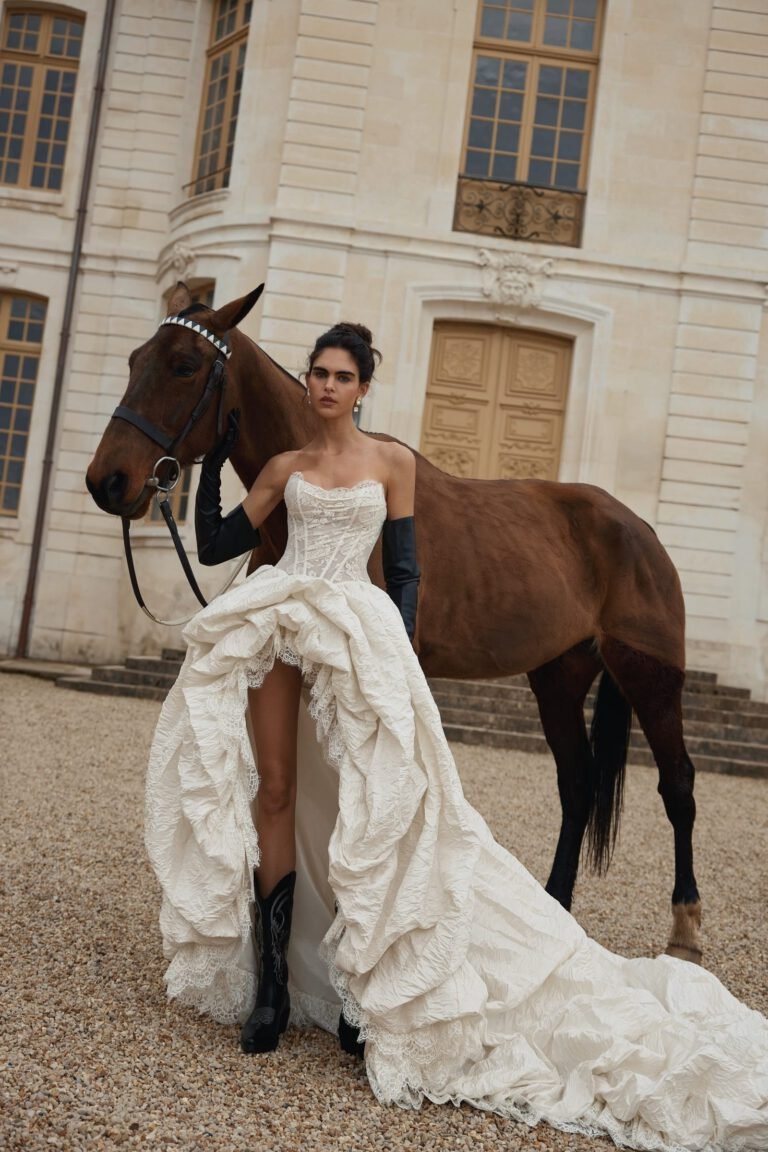
Glance from the hemline to the waist: a corset bodice creates a structurally defined upper part of the dress with its own panels, seams and finish line. Its shape can be combined with a heart-shaped, straight or other neckline, and the back and fastening differ depending on the model. The name does not guarantee lacing, tightening, support or a certain feeling when worn.
Corset bones — a separate visible sign of the internal or external lines of the structure; they are not required for every bodice in this group. Same sewn cups must be confirmed by card and inspection of a specific dress. Do not make a conclusion about one detail just from the presence of another.
First, find the upper and lower borders of the bodice, then match the central and side seams to the front and profile. Check how the fastening looks from the back, whether the lace or decorative pattern continues through the panels and where the top meets the natural waist line or another transition to a skirt. Sit, straighten, raise and extend your arms: observe the top edge, side lines and junction with the waist without assumptions about the function of the structure.
On samples in CRYSTAL take photos from the front, side and back in a natural pose. With them, it is easier to check the symmetry of the panels, the height of the edge and the position of the fastener, and all questions about the cups, bones and the method of closure can be clarified specifically for the selected model.